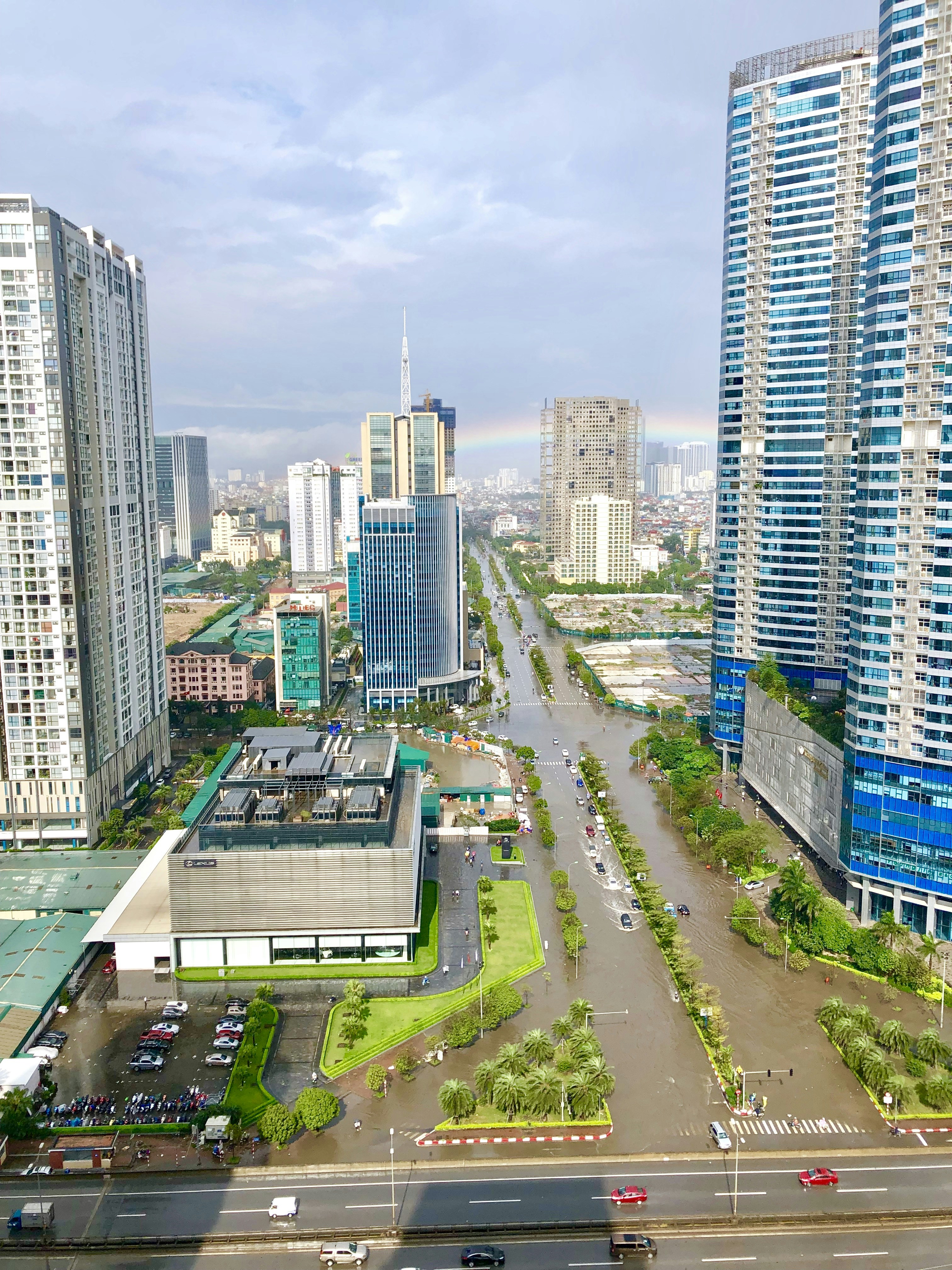
Introduction to Mumbai Monsoons
The Mumbai monsoon season is a defining period in the city’s annual climate cycle, typically spanning from June to September. This season is characterized by significant and heavy rainfall, which historically plays a crucial role in the city’s ecosystem and economic activities. The intensity and frequency of rains can vary, with the southwest monsoon being the primary contributor to the region’s precipitation.
During these months, the city witnesses the arrival of the monsoon winds from the Arabian Sea, which cause a dramatic shift in weather patterns—from clear skies to overcast conditions accompanied by frequent downpours. The initial phase of the monsoon is often marked by intense weather, sometimes leading to heavy flooding, particularly in low-lying areas of Mumbai. The southwest monsoon can bring an average rainfall of around 2,000 to 2,500 millimeters, significantly impacting the daily life of residents.
Monsoons are vital for Mumbai, as they replenish groundwater reserves and support the lush greenery that mitigates urban heat. Additionally, they play an essential role in the agricultural sector by ensuring that crops receive adequate water, thereby contributing to the overall economy of the region. While the monsoon provides numerous advantages, it also presents challenges, such as traffic disruptions and infrastructure damage due to flooding. The city’s preparedness and response strategies are continuously evolving to address these climate challenges effectively.
As Mumbai embraces the seasonal rainstorms, the cultural significance of the monsoons is also palpable. Festivals, local cuisine, and community gatherings all thrive during this time, highlighting the deep-rooted connection between the monsoon rains and the lifestyle of Mumbai’s residents. This season drives not only environmental changes but also influences socio-cultural dynamics across the metropolis.
The Cultural Significance of Monsoons in Mumbai
The monsoon season holds immense cultural significance for the people of Mumbai, shaping their lifestyles, traditions, and artistic expressions. As the skies open up and the rain begins to fall, the vibrant city transforms, providing a unique backdrop that inspires various forms of art, music, and literature. Historically, the arrival of the monsoons has been perceived not merely as a climatic phenomenon, but as a herald of fertility and abundance, deeply intertwined with the local culture.
One of the most prominent ways the monsoon influences culture is through traditional festivals. Events such as Ganesh Chaturthi and Navratri often feature rituals that celebrate the nurturing rains, highlighting the community’s gratitude for the life-giving water. The festive decorations, local delicacies, and cultural performances during these celebrations echo the rhythms of the monsoon, showcasing how deeply these seasonal changes are embedded in societal practices.
Moreover, the dramatic weather changes serve as a profound source of inspiration for local artists and creators. Poets and writers have long reflected on the monsoon in their works, depicting the emotional landscape that accompanies the rains. Renowned poets like Nissim Ezekiel and contemporary writers consistently draw upon the monsoon to articulate themes of love, longing, and nostalgia. Similarly, musicians and composers utilize the melodies of rainfall in their works, creating a rich tapestry of sound that resonates with the spirit of the season.
The visual arts are equally influenced by this season; many painters and photographers capture the dynamic interplay of light and water, conveying the essence of monsoon life in Mumbai. Through these various forms of artistic expression, the monsoon becomes a powerful symbol of change, rejuvenation, and cultural identity, reflecting the collective emotions and experiences of the city’s inhabitants.
Historical Perspectives on Mumbai’s Rainfall Patterns
Mumbai, a bustling metropolis located on the western coast of India, has a long-standing relationship with its monsoonal rainfall. Historically, the city has experienced distinct rainfall patterns shaped by geographical and climatic factors. Data reveals that the average annual rainfall in Mumbai has varied over the decades, influenced by both natural phenomena and anthropogenic factors associated with climate change.
During the mid-20th century, the city generally received consistent rainfall during the monsoon months of June to September. This predictable pattern allowed for agricultural planning and water management. However, by the late 20th century, significant fluctuations began to emerge. Reports indicate instances of both extreme rainfall events and prolonged dry spells, which challenge traditional assumptions about monsoon predictability. These shifts may correlate with broader shifts in climate dynamics that have affected weather patterns globally.
Moreover, the impacts of urbanization in Mumbai have compounded these changes. The rapid expansion of the city—marked by increasing concretization—has affected natural water drainage systems. Consequently, while Mumbai’s average rainfall might not have drastically changed, its handling capabilities have been strained, leading to frequent flooding and water logging post-rain. This alteration in historical weather behavior raises critical questions regarding climate resilience and urban planning.
The implications of these changing rainfall patterns extend beyond hydrology; they influence public health, infrastructure, and economic stability. As such, recognizing the historical context of Mumbai’s rainfall is essential for understanding the present and charting a path towards a sustainable future amid evolving climatic challenges. Attention to these patterns allows city planners, policymakers, and citizens to adapt, mitigating the adverse effects of current and future climate variability.
The Economic Impact of Monsoons on Mumbai
The monsoon season in Mumbai, typically stretching from June to September, plays a crucial role in shaping the city’s economy. This rainy period is vital for numerous sectors, particularly agriculture, which relies heavily on consistent rainfall for crop growth and sustenance. The monsoons contribute significantly to the availability of water resources, essential for irrigation and household use, thus affecting overall agricultural output. Enhanced agricultural productivity not only provides food security but also supports local farmers and contributes to the economy by boosting related industries such as food processing and distribution.
However, the economic impact of monsoons is not solely positive. Each year, the heavy rainfall brings challenges, including flooding that can devastate infrastructure, disrupt transportation, and hinder commercial activities. Roads and railways are often inundated, resulting in delays and increased logistical costs. This infrastructural strain can lead to broader economic ramifications, affecting businesses of all sizes and impacting the livelihood of many residents. Companies often face higher operational costs due to damaged assets and lost productivity during the flooding.
Additionally, the tourism sector, which thrives on Mumbai’s vibrant culture and attractions, faces seasonal variations in visitor numbers due to adverse weather conditions. Despite these challenges, the monsoon season can stimulate economic activities such as increased demand for monsoon-related products and services, including waterproof clothing and home repair services. Therefore, while the annual rains significantly benefit sectors like agriculture and create short-term economic opportunities, they also introduce vulnerabilities that necessitate robust urban planning and management to mitigate their adverse effects.
Challenges Faced During the Monsoon Season
The monsoon season in Mumbai, which typically lasts from June to September, brings significant rainfall that poses various challenges to the city’s infrastructure, public health, and daily life. One of the most pressing issues is flooding, which often occurs due to heavy rainfall overwhelming the drainage systems. As a coastal city, Mumbai’s low-lying areas are particularly susceptible to waterlogging, leading to disrupted living conditions that impact the local population’s daily activities.
Infrastructure damage is another critical concern during this season. The incessant rains can weaken road surfaces and strain existing infrastructure, resulting in potholes and structural failures in older buildings. In some cases, public utilities such as electricity and water supply may also be interrupted, further complicating the situation for residents. The vulnerability of the urban landscape exposes the need for improved urban planning and investment in resilient infrastructure systems to withstand the challenges posed by climate change.
Public health issues arise as stagnant water becomes a breeding ground for mosquitoes, leading to the spread of diseases such as dengue and malaria. With the overlapping risks of waterborne diseases, the Mumbai monsoon period can strain public health resources significantly. Local government agencies, as well as non-governmental organizations (NGOs), have been proactive in launching awareness campaigns and providing medical care during this time. Their efforts aim to educate the population about preventive measures against these health risks.
Transportation disruptions are commonplace during the monsoons, with local trains often facing delays and cancellations due to waterlogging on tracks. The city’s renowned local rail system, a vital commuting lifeline, can become severely affected by the rains, prompting delays and increased commuter frustrations. Overall, these challenges necessitate a coordinated response from local authorities to mitigate the impacts of the monsoon season effectively.
Community Resilience and Adaptation Strategies
Mumbai’s monsoon season, while vital for replenishing water supplies, also brings significant challenges including flooding and infrastructure overload. To address these climatic challenges, various neighborhoods in Mumbai have developed grassroots initiatives and community planning strategies that showcase resilience and adaptability. These strategies not only enhance safety but also strengthen community bonds.
One prominent adaptation strategy involves the establishment of local disaster management committees, which mobilize residents during heavy rainfall. These committees are tasked with educating the community about safety protocols and creating evacuation plans for vulnerable areas. By fostering an environment of preparedness, these groups play a crucial role in ensuring that residents are informed and ready to respond effectively to emergencies.
Additionally, local innovations have emerged as vital adaptation measures. Various neighborhoods have implemented rainwater harvesting systems, which help to mitigate the immediate impact of intense rainfall and combat water scarcity during drier months. These systems encourage community participation and sustainability, allowing residents to utilize collected rainwater for domestic purposes, thereby alleviating some pressure on city water supplies.
Moreover, public spaces and infrastructures, such as parks and roads, are being redesigned to enhance drainage and reduce flooding risks. Community-led initiatives often collaborate with local governments to identify high-risk areas and develop effective landscape modifications. Such strategies create green spaces that not only absorb rainwater but also provide recreational areas for residents, contributing to urban well-being.
In essence, Mumbai’s communities are demonstrating remarkable resilience through various adaptive strategies. These efforts not only address immediate climate challenges but also lay the groundwork for a more climate-resilient future. The collective action of Mumbai’s residents reflects a significant commitment to withstand the adverse effects of monsoons while enhancing communal ties.
Coping Mechanisms in Daily Life during Monsoons
The arrival of the monsoon season drastically alters the daily routines of Mumbaikars, introducing a myriad of challenges that require significant adjustments in commuting, housing, food habits, and leisure activities. Commuting, a fundamental aspect of life in Mumbai, experiences a seismic shift during the monsoons. The notoriously congested roadways become more chaotic as heavy rains lead to waterlogging, which significantly hampers public transportation systems. Consequently, many residents adapt by opting for alternative routes, utilizing rideshare services, or even choosing to work from home when possible.
Housing adaptations also play a pivotal role in ensuring safety and comfort during the rainy season. Mumbaikars invest in waterproofing their homes, ensuring roofs and walls are sealed to prevent leaks and floods. Additionally, drainage systems are often cleaned and maintained to facilitate the discharge of rainwater, minimizing the risk of water accumulation. This proactive approach underscores the community’s resilience in the face of environmental challenges.
Changes in food habits are another significant adaptation. Street food vendors become a community focal point despite the downpour. Popular rainy-season delicacies such as bhajiya (fried snacks) and hot beverages gain prominence, providing warmth and comfort during the cool, damp days. Families also prepare for the monsoon by stockpiling essentials to avoid navigating the treacherous streets during heavy rains.
Leisure activities also transform, as many outdoor events and gatherings are postponed or moved indoors, with residents finding solace in cafés and homes. Board games and movie marathons become the norm, as people seek to enjoy time with loved ones while staying dry. Overall, Mumbaikars exhibit remarkable ingenuity, embracing the complexities of monsoon life while ensuring the safety and comfort of their families.
Climate Change and the Future of Mumbai Monsoons
The phenomenon of climate change is reshaping global weather patterns, and Mumbai is not immune to its influences. Over the decades, scientists and meteorologists have observed significant changes in the monsoon season, which is critical for the city’s economy and living conditions. One of the main concerns is the anticipated increase in rainfall intensity. Reports suggest that as global temperatures rise, the likelihood of extreme weather events increases, leading to heavier downpours during the monsoon months. This shift presents serious implications for urban areas, particularly regarding drainage systems that may be ill-equipped to handle such surges in rainfall.
Moreover, the frequency of monsoons may alter, bringing about unpredictable weather patterns. For residents of Mumbai, this unpredictability could mean longer dry spells followed by abrupt, intense rainfall, resulting in flooding and waterlogging. This scenario not only disrupts daily life but also puts substantial pressure on the city’s infrastructure, including transport systems and sewage facilities. Upgrades and investments in resilient infrastructure will become imperative to accommodate these changes, yet such efforts necessitate substantial financial and logistical resources.
The economic impact stemming from climate-induced changes in monsoon patterns cannot be overstated. The agricultural sector, which relies heavily on monsoon rains, may suffer from increased crop failures due to inconsistent weather. Additionally, industries may face operational interruptions during extreme weather conditions. Residents’ livelihoods will be challenged as floods can damage homes and businesses, leading to long-term socioeconomic repercussions.
Preparing for these challenges involves educating citizens on the potential impacts of climate change on monsoons, fostering community resilience, and advocating for sustainable urban development practices. By anticipating and addressing these climatic changes, Mumbai has a better chance of adapting to future monsoon conditions effectively.
Conclusion: Embracing the Monsoon’s Dual Nature
The monsoon season in Mumbai is undoubtedly a period of intricate contrasts, embodying both the beauty of nature and the challenges that arise from it. This annual phenomenon initiates appropriate rainfall that is crucial for agriculture and replenishing water reservoirs, thus serving as a life force for the city’s ecosystem. On the other hand, the torrential downpours can lead to significant urban flooding, transportation disruptions, and health hazards, highlighting the vulnerabilities that Mumbai faces.
To navigate the monsoon’s dual nature effectively, a collective effort in adaptation and resilience is essential. Communities must embrace sustainable practices that respect the environment while also preparing for the extreme weather patterns that accompany the monsoon. Whether through improved drainage systems, rainwater harvesting, or community engagement in cleanup efforts, individuals play a vital role in mitigating the adverse effects of rain. Furthermore, awareness and education regarding the monsoon’s cultural importance can foster a deeper appreciation of its benefits, nudging residents to participate in preserving the cultural heritage linked to this season.
Moreover, as we face climate change, the unpredictability of monsoon patterns poses even more challenges for cities like Mumbai. Thus, enhancing infrastructure and emergency response systems is paramount. Celebrating the monsoon through cultural festivals can also serve as a reminder of its significance, encouraging community participation while fostering a spirit of resilience among the inhabitants. In summary, while the Mumbai monsoons present both blessings and challenges, they offer an opportunity to rethink our relationship with nature and to strengthen our cultural identity. By embracing both aspects, we can ensure a balanced coexistence with this seasonal marvel.