Introduction to AI in Urban Transportation
Artificial intelligence (AI) has emerged as a transformative technology in various sectors, including urban transportation. This innovative field encompasses a range of applications that harness the power of data analysis, machine learning, and automation to improve traffic flow, enhance public transport systems, and ultimately reduce congestion and pollution in cities. One of the primary advantages of implementing AI in urban transportation is its ability to analyze vast amounts of traffic data in real-time. This capability allows city planners and transportation authorities to identify traffic patterns, predict congested areas, and evaluate the effectiveness of existing traffic signals and infrastructure.
AI can optimize public transport systems by implementing smart scheduling and route planning. Through data analytics, AI can analyze passenger demand and traffic conditions, enabling transport authorities to adjust service frequency, routes, and vehicle types to better meet the needs of commuters. This not only enhances user satisfaction but also encourages the use of public transport, which is essential for reducing reliance on personal vehicles and minimizing urban pollution.
Moreover, AI facilitates advanced traffic management systems by employing algorithms to manage traffic lights more efficiently, reducing waiting times at intersections. These systems can respond promptly to changes in traffic volume, prioritizing lanes based on real-time data. The integration of AI in urban transportation builds a comprehensive framework aimed at achieving smoother traffic flow and lessening environmental impact in cities like Patna.
In conclusion, the potential applications of AI in urban transportation are vast and varied, offering innovative solutions to some of the most pressing challenges faced by urban centers today. By leveraging these technologies, cities can work towards creating smarter and more sustainable transportation systems.
Current Traffic and Pollution Challenges in Patna
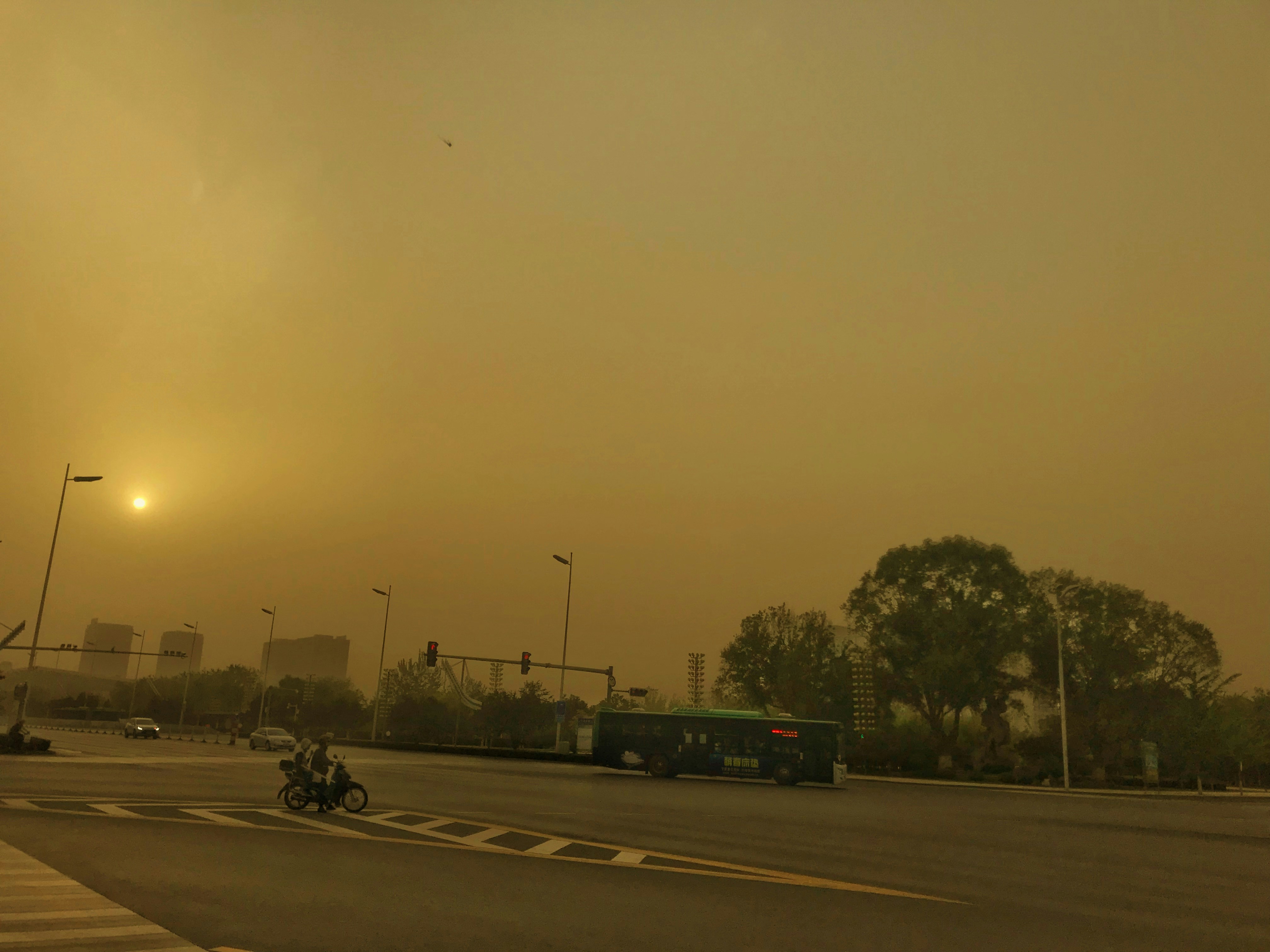
Patna, the capital of Bihar, is currently grappling with severe traffic congestion and pollution issues. The rapid urbanization coupled with an exponential increase in vehicle numbers has resulted in chronic traffic jams. Streets that were once manageable have turned into bottlenecks, significantly affecting the daily commute. According to local reports, the city records an average congestion level of 58%, making it one of the most congested cities in India.
Vehicular emissions are the primary contributor to air pollution in Patna. With over 1.5 million registered vehicles, the exhaust from cars, buses, and auto-rickshaws substantially deteriorates air quality. The pollutants emitted include particulate matter (PM2.5 and PM10), nitrogen oxides (NOx), and volatile organic compounds (VOCs). These emissions not only diminish the quality of air that residents breathe but also lead to adverse health effects, such as respiratory diseases, cardiovascular problems, and aggravated asthma conditions. The World Health Organization (WHO) has pointed out that the air quality in Patna often surpasses the safe limits, raising concerns about public health.
The environmental impact of traffic-related pollution is equally alarming. The frequent congestion contributes to energy wastage and increased fuel consumption, leading to higher greenhouse gas emissions. Reports indicate that Patna’s air quality index (AQI) often lands in the ‘unhealthy’ category, especially during peak traffic hours. Furthermore, noise pollution from honking cars and heavy traffic adds to the declining urban living conditions, impacting both mental health and quality of life for the citizens.
Addressing these challenges requires innovative solutions that can leverage technology, particularly the potential of Artificial Intelligence (AI). By harnessing AI’s capabilities to analyze traffic patterns and optimize vehicle flow, Patna can work towards mitigating these pressing traffic and pollution issues.
AI Technologies Transforming Urban Mobility
The integration of artificial intelligence (AI) into urban mobility systems has the potential to dramatically improve traffic management and reduce pollution levels in cities like Patna. One of the pivotal advancements is the implementation of machine learning algorithms for traffic prediction, which analyze historical and real-time traffic data to forecast congestion patterns. This predictive capability allows city planners and traffic management systems to proactively adjust traffic flow and mitigate bottlenecks, thereby enhancing the overall efficiency of the transportation network.
Additionally, AI-driven public transport scheduling has emerged as another transformative technology. By utilizing real-time data on passenger demand and vehicle locations, these intelligent systems can optimize bus and train schedules, making public transport more reliable and responsive to the needs of commuters. For example, cities such as London and Singapore have successfully employed AI algorithms to refine their transit systems, resulting in shorter wait times and increased ridership. Such advancements could be notably beneficial for Patna, where public transport efficiency is a critical component of urban mobility.
Moreover, intelligent traffic lights equipped with AI are revolutionizing how cities manage vehicle flow. These traffic lights use adaptive control systems to change signals based on real-time traffic conditions, which helps to minimize delays and reduce emissions caused by idling vehicles. Case studies from cities like Barcelona have demonstrated significant decreases in travel times and pollution levels as a result of implementing AI-enhanced traffic signal systems. This evidence suggests that similar technologies could greatly assist Patna in managing its unique traffic challenges.
Ultimately, the adoption of these AI technologies in urban mobility not only aims to streamline traffic management but also contributes to a healthier urban environment by targeting pollution reduction. As Patna continues to evolve, exploring these impactful AI solutions could play a crucial role in creating a more sustainable and efficient city.
Benefits of AI in Reducing Traffic Congestion
The integration of artificial intelligence (AI) into traffic management systems presents numerous advantages for urban centers like Patna, particularly in combating traffic congestion. One of the most significant benefits is the enhancement of traffic flow. By employing AI algorithms, cities can analyze real-time traffic data from various sources, including sensors and cameras. This data-driven approach enables traffic signals to adjust dynamically, optimizing vehicle movement and reducing bottlenecks that frequently lead to congestion.
Additionally, the utilization of AI can result in a marked decrease in travel times. Traditional traffic management systems often rely on fixed schedules and do not account for unexpected changes in traffic conditions. AI, on the other hand, can predict traffic surges and provide alternative routes, thereby ensuring that commuters experience shorter travel durations. This predictive capability not only benefits individual drivers but also facilitates a more efficient public transportation system.
Enhanced commuter experience is another vital benefit of AI integration in traffic systems. With more efficient traffic flow and shorter travel times, commuters are likely to experience less stress and frustration during their travels. Furthermore, AI can offer real-time updates on traffic conditions, allowing individuals to plan their journeys more effectively. This improved coordination contributes to a more streamlined movement through the city.
Ultimately, the overall improvements in traffic management due to AI implementation contribute towards lowering emissions and pollution levels across Patna. Reducing congestion leads to fewer idle vehicles, consequently decreasing fuel consumption and harmful emissions. This intersection of traffic efficiency and environmental sustainability underlines the profound impact that AI can have on urban mobility, ensuring a cleaner and more accessible future for all residents of Patna.
AI Solutions for Pollution Control
In recent years, artificial intelligence (AI) has emerged as a transformative force in various sectors, including environmental management, particularly in urban areas facing intense pollution challenges. In Patna, the deployment of AI-driven solutions has the potential to significantly mitigate pollution effects through more effective monitoring and management practices.
One critical application of AI in pollution control is the utilization of advanced sensors for air quality monitoring. These sensors can provide real-time data on pollutants such as particulate matter, nitrogen dioxide, and sulfur dioxide. By integrating AI algorithms with sensor data, authorities in Patna can gain a comprehensive understanding of air quality variations across different times and locations. This data enables more informed decision-making regarding public health and environmental policies.
Additionally, predictive analytics powered by AI can enhance pollution forecasting capabilities. By analyzing historical pollution data alongside meteorological factors, AI systems can predict high pollution days, allowing for proactive measures to be implemented. For instance, this might involve advising vulnerable populations to limit outdoor activities or implementing traffic restrictions on days when pollution levels are expected to rise. Through such predictive modeling, Patna could adopt a more anticipatory approach to pollution management.
Furthermore, AI can facilitate targeted interventions aimed at reducing emissions from both vehicles and industrial sources. The analysis of traffic patterns using AI can identify high-emission corridors and periods of elevated pollution, enabling targeted traffic management strategies, such as optimizing traffic signals to minimize congestion. Concurrently, industries can benefit from AI analytics that monitor emissions and suggest operational adjustments to comply with environmental regulations effectively. These AI-driven strategies could not only lower pollution levels but also promote sustainable industrial practices.
Ultimately, AI solutions for pollution control present a promising avenue for enhancing the air quality in Patna, contributing to the health and well-being of its residents. By leveraging sophisticated monitoring systems and predictive analytics, the city can better navigate its pollution challenges and work towards cleaner air for all.
Challenges and Barriers to Implementation
The integration of artificial intelligence (AI) technologies into traffic management and pollution control systems in Patna presents several challenges and barriers that must be addressed. One prominent issue is the need for adequate funding. Developing AI-driven solutions requires significant financial investment to both procure the necessary technology and maintain it. Ensuring consistent funding from governmental and non-governmental sources is critical for the sustainability of these initiatives.
Another challenge lies in the technological infrastructure. Patna currently lacks the robust digital infrastructure required for the effective deployment of AI systems. For example, real-time data collection and processing capabilities are essential for AI applications in traffic optimization and pollution monitoring, which may not be readily available in the existing systems. Upgrading these infrastructures would not only demand funding but also time, which could delay the implementation of AI solutions.
Additionally, data privacy concerns present a significant barrier. The effectiveness of AI systems relies heavily on data collection and analysis. However, residents may be apprehensive about the implications of data privacy and surveillance associated with these technologies. It is crucial for stakeholders to establish clear guidelines and transparent practices to ensure public trust and collaboration between the community and implementing agencies.
Resistance from various stakeholders, including local businesses and community groups, also poses a potential obstacle. Stakeholders may fear that AI implementation could disrupt existing practices or lead to job losses. Therefore, engaging in proactive communication with stakeholders to address their concerns, and demonstrating the benefits of AI technologies, will be essential to gain their support.
Case Studies from Other Cities
Several cities worldwide have effectively utilized artificial intelligence (AI) technologies to address traffic congestion and pollution, offering valuable insights for Patna. One prominent example is Singapore, where AI-driven traffic management systems have been implemented. The city-state has developed intelligent traffic lights that adapt to real-time traffic flow. This system has demonstrated a significant reduction in waiting times and improved traffic efficiency, leading to lower carbon emissions. The insights gained from Singapore’s approach provide a strong foundation for similar initiatives in Patna.
In Barcelona, Spain, AI plays an essential role in their urban mobility strategy. The city has incorporated machine learning algorithms to analyze traffic patterns, predicting congestion and making proactive adjustments to public transportation schedules. Furthermore, the data collected has helped in identifying pollution hotspots, enabling targeted interventions. This exemplifies how AI can facilitate a sustainable urban environment by integrating public transport solutions with traffic management.
Another notable case is Los Angeles, where the city has adopted AI to optimize traffic signals across major intersections. The algorithm analyzes real-time vehicle data and dynamically adjusts signal timing to minimize congestion. Following the implementation of this system, Los Angeles reported a considerable decrease in traffic delays and a corresponding drop in air pollution levels. These examples from Singapore, Barcelona, and Los Angeles showcase the potential of AI technologies in enhancing urban traffic management and reducing pollution.
The lessons learned from these cities emphasize the importance of data-driven decision-making, the adaptability of technologies, and the integration of sustainable transportation systems. As Patna navigates the complexities of urban congestion and pollution, these successful case studies may serve as guiding frameworks for implementing AI solutions tailored to the city’s unique challenges.
Future Prospects: AI and Sustainable Urban Development
The integration of Artificial Intelligence (AI) in urban planning holds significant promise in shaping the future of sustainable urban development in Patna. As cities evolve, the application of AI technologies can aid in managing traffic flow, predicting pollution levels, and facilitating real-time data analysis. This technological advancement can contribute to the implementation of smart city initiatives, enhancing both the efficiency of urban infrastructure and the quality of life for residents.
One of the primary benefits of employing AI in Patna’s urban development is the ability to monitor and control vehicular emissions effectively. AI algorithms can analyze traffic patterns and suggest optimal routes for vehicles, reducing congestion and the associated environmental impact. By utilizing machine learning models, city planners can predict traffic incidents and deploy resources accordingly, leading to both improved traffic management and decreased air pollution.
Furthermore, AI can play an integral role in promoting green practices within the urban framework. For instance, AI-driven systems can assist in managing waste through intelligent segregation methods and predictive analytics regarding waste generation. By ensuring that resources are handled efficiently, cities can minimize their ecological footprint. The combination of AI with sustainable infrastructure, such as smart grids and energy-efficient buildings, can further enhance the environmental sustainability of Patna.
Ultimately, as Patna progresses towards being a technologically advanced city, the vision for a sustainable urban environment is becoming more attainable. AI’s capabilities in predictive analytics, data processing, and resource optimization pave the way for a future where urban living conditions are significantly enhanced. By embracing AI, Patna not only addresses immediate urban challenges but also prepares for long-term sustainability goals that cater to both its inhabitants and the environment.
Conclusion: Embracing AI for a Better Patna
In light of the various insights explored in this blog post, it is clear that the integration of artificial intelligence (AI) can significantly transform the landscape of traffic management and pollution control in Patna. The application of AI technologies holds great promise for optimizing vehicular flow, reducing congestion, and thereby alleviating air pollution.
Moreover, we have discussed the critical role that AI plays in collecting and analyzing data related to traffic patterns. The ability to predict and respond to traffic fluctuations in real-time allows for more informed decision-making by authorities, which ultimately contributes to improved urban mobility. Such advancements can create a more efficient transportation system that prioritizes the safety and comfort of all citizens.
However, the successful implementation of AI in Patna will necessitate collaborative efforts among various stakeholders. Government entities must take the lead in fostering an environment conducive to innovation and ensuring that regulations keep pace with technological advancements. Furthermore, businesses can contribute by investing in AI solutions that promote sustainable practices, while citizens need to be proactive by adapting to and supporting these changes.
As we move toward a future where AI is integral to managing urban challenges, it is essential to embrace these technologies enthusiastically. Doing so will not only address the pressing issues of traffic and pollution but will also enhance the overall quality of life for residents of Patna. By working together, we can pave the way for a smarter, more sustainable city that benefits everyone.