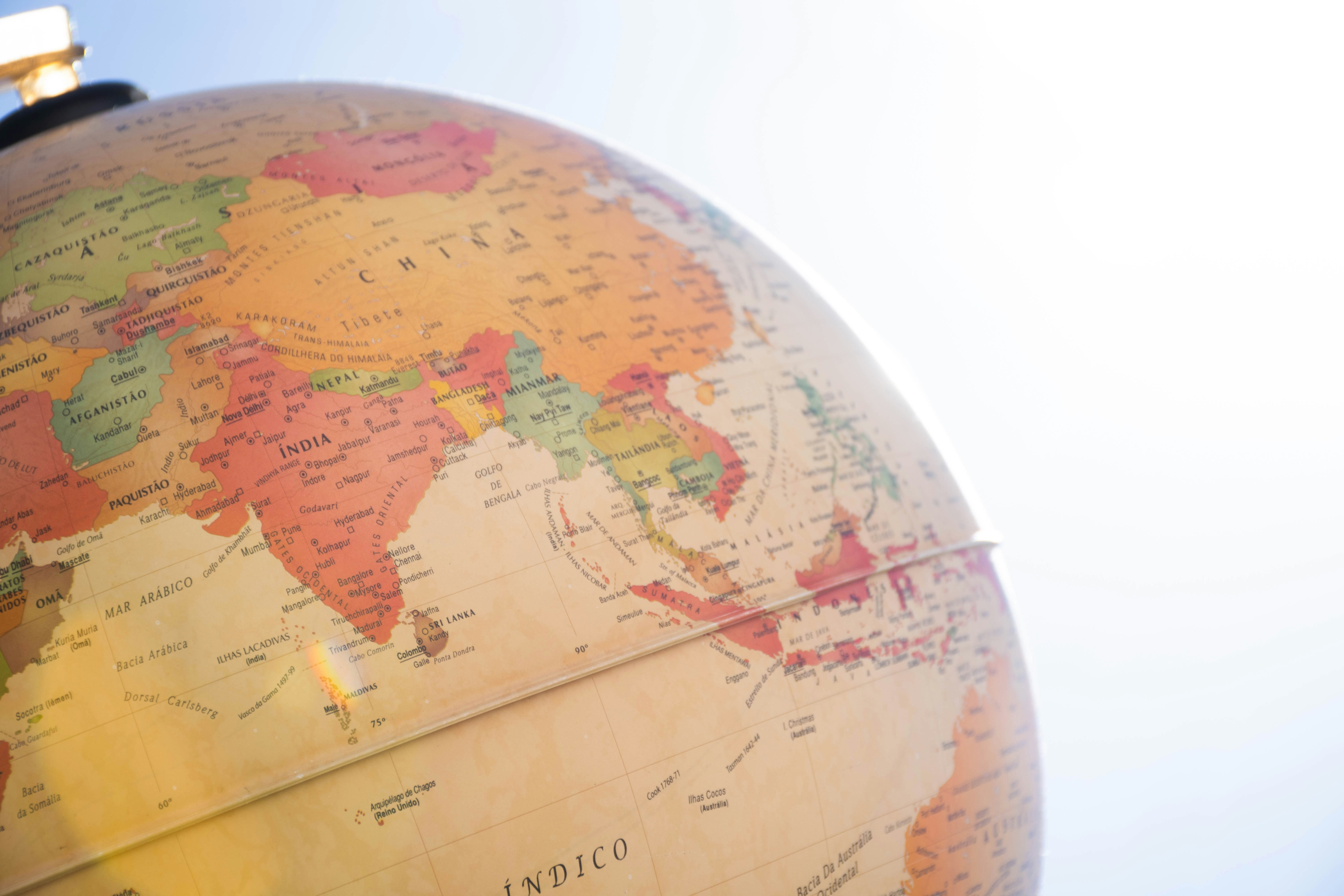
Introduction to the US-China-India Triangle
The geopolitical landscape of the 21st century is increasingly defined by the interactions between three major powers: the United States, China, and India. Each nation holds significant influence not only in their respective regions but also on a global scale, making their relationships paramount for international stability and development. The historical context of these powers provides crucial insights into their current dynamics.
The United States has long been a dominant global player, wielding extensive economic and military resources. Its strategic interests in Asia have led to a focus on both collaboration and competition with rising powers. In contrast, China has undergone remarkable economic growth over the last few decades, transitioning from a developing nation to a formidable global force. Its assertiveness in territorial disputes and its Belt and Road Initiative reflect its ambition to reshape global trade and influence.
India, the world’s largest democracy, is emerging as an important counterbalance in this triangle. With its rapidly growing economy and diverse population, India is positioning itself as a key player in regional security and economic partnerships. The relationship between these three nations is characterized by a mix of cooperation and competition, often influenced by historical grievances, territorial disputes, and shifting alliances. As the US seeks to contain China’s rise and India attempts to balance relations with both powers, the triangular dynamics are further complicated.
In this multifaceted relationship, the potential for conflict exists, but so too does the opportunity for collaboration on pressing global issues such as climate change, trade, and security. Understanding this intricate power triangle necessitates a nuanced appreciation of each nation’s aspirations, challenges, and historical contexts, which will be explored further in this discourse.
Current State of US-China-India Relations
The contemporary relations among the United States, China, and India reflect a complex web of diplomacy, economic engagement, and military dynamics. The multipolar power structure has shifted significantly over recent years, leading to evolving interactions among these influential nations. Each country approaches its international standing with a distinct strategy guided by national interests, regional stability, and global governance.
From a diplomatic perspective, the United States has notably intensified its engagement with India, particularly as an ally in counterbalancing China’s assertive policies in the Indo-Pacific region. This partnership has been bolstered through initiatives like the Quad alliance, which includes Japan and Australia, focusing on shared values and security concerns. Recent events, including high-level discussions and collaborations in defense technologies, signify a commitment to enhancing this bilateral relationship.
Conversely, the US-China relationship continues to be marked by trade disputes and competitive rhetoric. The tariffs imposed during former President Trump’s administration have not only spurred economic tensions but also influenced global supply chains and market stability. The ongoing dialogue, while essential, often zigzags between cooperation and contention, particularly on trade policies and intellectual property rights.
India, on the other hand, finds itself in a delicate position, as it seeks to balance its historical ties with Russia and its growing relationships with both the US and China. The Ladakh border conflict with China in 2020 exemplified the frictions that can arise, leading to increased military readiness along the disputed borders. India has bolstered its defense partnerships, notably with the US, engaging in joint military exercises to strengthen its capabilities.
In summary, the relationships among the US, China, and India are encapsulated by a mixture of cooperation and conflict, heavily influenced by their individual national agendas, recent geopolitical developments, and the shifting balance of power in the region. Such a dynamic interplay suggests that the future will significantly depend on how these nations navigate their competing interests with balance and strategic foresight.
Theoretical Perspectives on International Cooperation
Understanding the dynamics between the United States, China, and India requires a multi-faceted approach that encompasses various international relations theories. The predominant theories—realism, liberalism, and constructivism—offer insight into the motivations driving cooperation and conflict among these powerful states.
Realism emphasizes the anarchic nature of the international system, where states act primarily in pursuit of their national interest and survival. From this perspective, the competition between the US, China, and India can be seen as a struggle for power and security, leading to conflictual outcomes. Realists argue that the balance of power dictates state interactions, suggesting that alliances may be temporary and often opportunistic. This theory can explain the frequent tensions and rivalries as each state prioritizes its geopolitical ambitions.
In contrast, liberalism offers a more optimistic lens, highlighting the potential for cooperation through institutions, economic interdependence, and shared norms. This perspective posits that international organizations, such as the United Nations or trade agreements, play a crucial role in facilitating dialogue and collaboration among nations. The increasing economic ties between the US, China, and India, along with their participation in multilateral forums, exemplify how liberalism can mitigate conflict and promote cooperative outcomes.
Constructivism, on the other hand, emphasizes the significance of social constructs and identities in shaping state behavior. This approach suggests that the perceptions and narratives that the US, China, and India hold about one another influence their interactions. Historical relationships, cultural factors, and national identities shape how these nations view cooperation and conflict. Constructivism encourages a deeper exploration of how these states can reframe their relationships through diplomacy and dialogue.
Factors Encouraging Cooperation
In the intricate dynamics involving the United States, China, and India, several factors contribute to fostering cooperation among these three significant global players. One prominent element is economic interdependence. The interconnectedness of their economies promotes collaborative efforts aimed at enhancing trade and investment, which in turn fuels regional stability. As each nation recognizes that economic growth is often contingent upon healthy trade relationships, this mutual respect for economic benefit paves the way for partnerships.
Additionally, shared interests in addressing global challenges significantly bolster cooperation. Climate change, for instance, has emerged as a critical area where the US, China, and India have aligned goals. Each country acknowledges the necessity of collaborative initiatives to mitigate environmental degradation, thus leading to joint efforts in technological exchange and cooperative agreements during international climate summits.
Multilateral frameworks also play a crucial role in encouraging such cooperation. Entities like the United Nations and the World Trade Organization provide platforms where these nations can negotiate, strategize, and implement policies that reflect collective interests. Through these organizations, the US, China, and India can engage in dialogue about key strategic areas such as security, health, and economic development. Moreover, initiatives like the G20 meetings showcase how these powers can collaborate on a global scale, further emphasizing the importance of coordinated action. Examples of collaborative projects, including joint ventures in technology and security, illustrate a commitment to achieving common goals.
Ultimately, the nexus of economic interdependence, shared global challenges, and robust multilateral frameworks lays a solid groundwork for cooperation among the US, China, and India, demonstrating that despite differences, productive engagements are possible.
Factors Leading to Conflict
The geopolitical landscape involving the United States, China, and India is characterized by a multitude of factors that can potentially lead to conflict. One of the primary elements is territorial disputes. For instance, the ongoing contention regarding regions like Kashmir between India and Pakistan, directly affects India’s relationship with China, especially considering China’s infrastructure developments in disputed areas. These territorial tensions often evoke nationalist sentiments, which can exacerbate existing animosities and complicate diplomatic resolutions.
Furthermore, the competition for regional influence plays a critical role in fostering discord. The U.S. has been strategically engaging with India, trying to establish a counterbalance to China’s assertiveness in the Indo-Pacific region. Such alignments can trigger a sense of insecurity in China, prompting it to reinforce its influence over neighboring countries, thereby igniting a cycle of rivalry. This competition extends beyond diplomatic maneuvers and encompasses economic, military, and technological domains, as each country aims to protect and expand its interests.
Nationalism serves as another potent factor leading to conflicts. Rising nationalism in both India and China can escalate tensions, as domestic pressures encourage more aggressive stances in regional disputes. The government rhetoric often capitalizes on national pride, which can lead to antagonistic policies and public sentiment against perceived external threats. Additionally, external actors, such as third-party nations and organizations, can further complicate the dynamics by aligning with one side or the other, thus adding layers of complexity to the already intricate relationships.
Lastly, historical grievances established during colonial times or conflicts can also rekindle resentments and serve as a barrier to cooperation. Addressing these issues requires profound diplomatic engagement and sensitivity to the historical context, as unresolved matters can hinder efforts toward achieving lasting peace and stability.
Case Studies of Cooperation
The relationship between the United States, China, and India is often viewed through the lens of rivalry and competition. However, there are significant instances where these nations have demonstrated cooperation. One notable case is the collaboration in joint military exercises. For example, the 2016 Malabar Exercise, which included the United States, India, and Japan, showcased the commitment to enhancing maritime security in the Indo-Pacific region. This trilateral exercise highlighted a shared interest in maintaining stability in a strategically vital area, exemplifying how military partnerships can foster cooperation among these powers.
In addition, strategic dialogues have emerged as a critical platform for collaboration. The US-India Strategic Dialogue, initiated in 2009, serves as a forum to address various issues, including regional security, economic engagement, and counter-terrorism. Similarly, the US-China Strategic and Economic Dialogue aims to address economic cooperation while managing potential points of conflict. Such dialogues are essential, as they provide a framework through which these nations can explore common ground amidst their broader geopolitical tensions.
Moreover, the global response to pandemics, particularly in light of the COVID-19 outbreak, illustrates another dimension of cooperation. The trilateral discussions among the US, China, and India focused on vaccine distribution and research collaborations. In 2021, amidst rising global health challenges, these countries acknowledged the importance of working together to enhance global health security. This cooperation not only reflects a mutual interest in combating a common threat but also points to the potential for collective action in addressing transnational challenges.
These case studies underscore that despite existing rivalries, the United States, China, and India can find pathways toward cooperation through military collaboration, strategic dialogues, and joint efforts in combating global issues. Such collaborative endeavors are vital in navigating the complexities of their relationships and enhancing regional stability.
Case Studies of Conflict
The relationships between the US, China, and India have been marked by notable conflicts that have emerged from territorial disputes, trade practices, and regional influences. One significant instance of conflict occurred during the 1962 Sino-Indian War, primarily initiated by border disputes in the Himalayan region. The war ended with a Chinese victory, resulting in territorial losses for India and a lasting impact on their diplomatic dynamics. This historical event not only emphasized the fragility of India’s security apparatus but also highlighted China’s assertive territorial policies, which continue to influence India’s defense strategies today.
Another prominent example of escalating tensions is found in the ongoing trade war between the US and China, which began in 2018. These trade tensions arose from the US’s concerns over intellectual property theft and unfair trade practices attributed to Chinese companies. The implementation of tariffs by the US prompted retaliatory measures from China, leading to a substantial reduction in bilateral trade and increased global economic uncertainty. This conflict illustrates how economic policies can have significant geopolitical ramifications, affecting not only the direct participants but also their allies, including India, which has become a focal point in US-China strategic calculations.
Additionally, recent border clashes between Indian and Chinese military forces in the Galwan Valley in 2020 reignited old tensions and drew international attention. The violent confrontation, which resulted in casualties on both sides, was rooted in more than just territorial disputes; it encapsulated broader narratives of national pride and regional dominance. This incident not only strained India-China relations but also tested India’s strategic partnerships, particularly with the United States, which expressed strong support for India’s sovereignty. These case studies exemplify the complexities inherent in US-China-India relations, revealing a landscape where cooperative engagement is often challenged by conflictual outcomes.
Future Scenarios: Conflict vs. Cooperation
The relationships among the United States, China, and India are complex and multidimensional, influenced by various internal and external factors. As the global landscape continuously shifts, potential future scenarios may encapsulate either conflict or cooperation among these three powers. To understand the trajectory of their interactions, it is essential to consider the crucial implications of changing leadership, economic trends, and international pressures.
Leadership plays a pivotal role in shaping foreign policies and diplomatic engagement. The approach taken by current and future leaders in the United States, China, and India will significantly impact how these nations navigate their relationships. For instance, a more conciliatory and diplomatically focused administration in Washington could promote collaborative strategies with both Beijing and New Delhi. Conversely, if leadership becomes increasingly nationalistic or militaristic, it may escalate tensions and foster a more confrontational atmosphere.
Economic trends also warrant close examination. As economic power dynamics evolve, the growth trajectories of China and India could reshape their regional and global roles. If India continues to grow robustly and strengthen its economy, it may provide opportunities for cooperation with the US on various fronts, including trade, technology, and security. Alternatively, if economic challenges emerge for either country, this may lead to increased competition for resources and influence, heightening conflict potential.
Additionally, international pressures stemming from global issues such as climate change, terrorism, and health epidemics may necessitate collaboration. The urgent nature of these challenges can drive countries to work together, finding common ground that transcends bilateral disputes. On the other hand, geopolitical tension, particularly in areas like the South China Sea and the Indo-Pacific, could perpetuate conflict and rivalry.
In summary, the future dynamics among the United States, China, and India remain uncertain. The interplay of leadership decisions, economic trajectories, and international pressures will influence whether these nations gravitate toward cooperative strategies or edge closer to conflict. The outcomes will not only affect the involved states but also significantly shape global geopolitical stability and economic development in the years to come.
Conclusion and Policy Recommendations
Throughout the examination of the relationships among the United States, China, and India, it becomes evident that the interactions among these three nations are multifaceted, characterized by both cooperative and conflictual elements. The strategic interests of each nation contribute significantly to shaping the dynamics of the power triangle. Understanding these complexities is crucial for policymakers aiming to navigate potential flashpoints while identifying avenues for enhanced collaboration.
One of the key insights gained from this analysis is the importance of multilateral frameworks. Institutions such as the Quad, which includes the US, India, Japan, and Australia, can be pivotal in fostering dialogue and promoting a rules-based order in the Indo-Pacific region. Developing cooperative mechanisms that encourage engagement on critical issues like trade, climate change, and security will not only help mitigate tensions but also facilitate joint problem-solving initiatives.
Moreover, transparency in military capabilities and intentions should be an essential component of bilateral and multilateral dialogues. Initiatives that promote military transparency can reduce misunderstandings and contribute to regional stability. The establishment of communication hotlines, joint exercises, and confidence-building measures can serve to lower the risk of unintended conflicts, thus reinforcing trust among the powers.
Moreover, economic partnerships should be promoted through mutually beneficial trade agreements that can establish interdependence, thereby reducing the likelihood of conflicts. It is essential for the US and India to find common ground on trade issues while engaging China on issues where mutual benefits can be realized, such as climate change and global health security.
In summary, navigating the complex relationships among the US, China, and India requires deliberate efforts towards fostering cooperation and mitigating conflicts. By focusing on multilateral approaches, transparency, and economic interdependence, policymakers can work towards a more harmonious coexistence among these major powers, thus ensuring regional peace and stability.