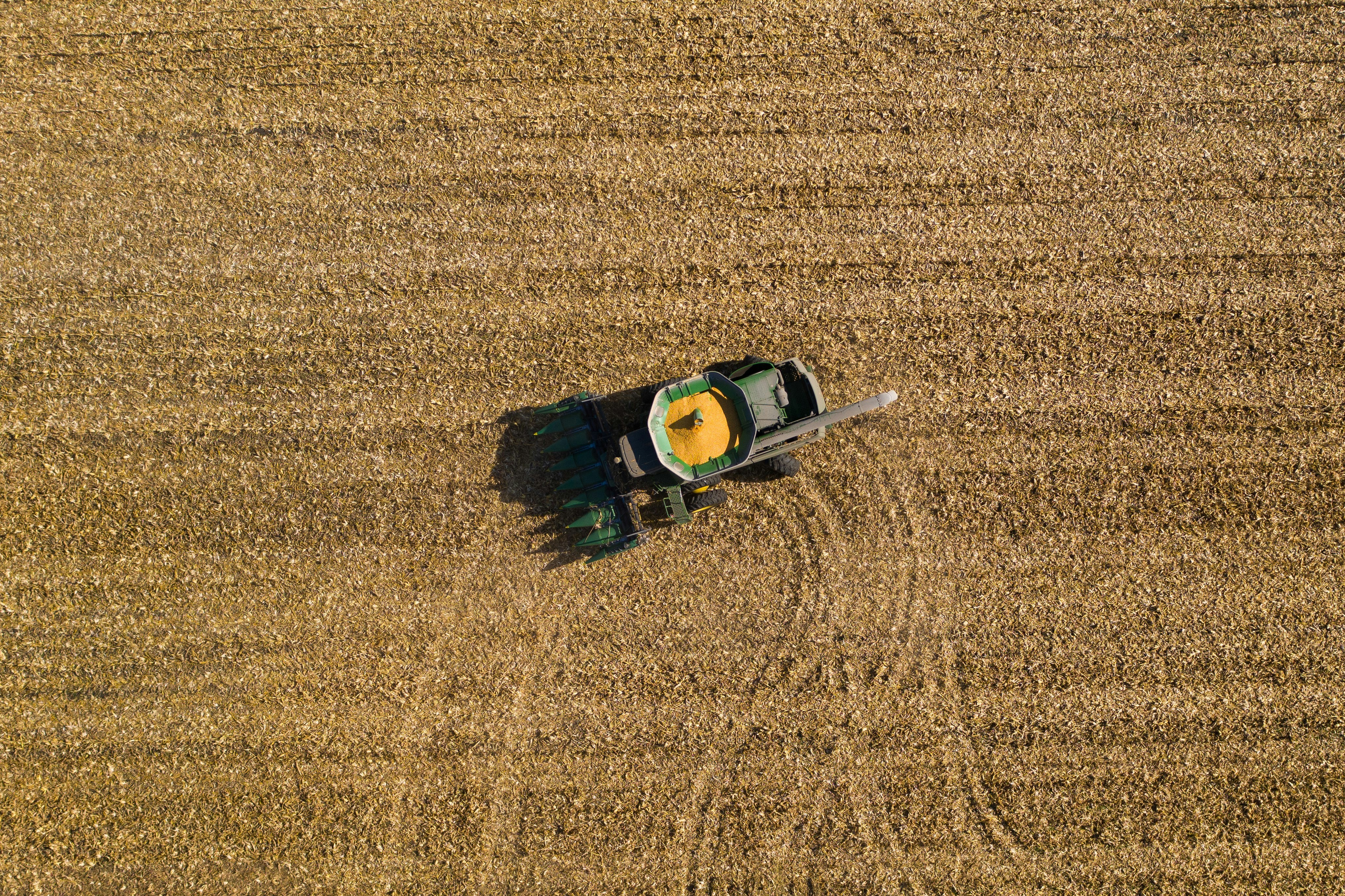
Introduction to Precision Farming
Precision farming, also known as precision agriculture, represents a significant shift in agricultural practices, leveraging advanced technologies to enhance productivity and ensure sustainability. This modern approach contrasts sharply with traditional farming methods, which often rely on broad, generalized techniques that may not consider the unique needs of individual crops or the variances within a farming ecosystem. The significance of precision farming lies in its ability to optimize inputs such as water, fertilizers, and pesticides, thereby reducing waste and improving overall efficiency.
At the heart of precision farming is the utilization of data-driven technologies, including geospatial mapping, drones, and artificial intelligence (AI). These technologies gather detailed information about soil conditions, crop health, and environmental factors, allowing farmers to make informed decisions tailored to specific areas of their fields. For example, rather than applying uniform levels of fertilizer across an entire field, precision farming enables targeted applications based on the specific nutrient needs of different zones. This not only enhances crop yields but also minimizes environmental impact by preventing over-application.
Moreover, the implications of integrating technology into agricultural practices are profound. By adopting precision farming techniques, farmers can better manage their resources, adapt to changing climatic conditions, and contribute to food security on a global scale. The key objectives of precision farming extend beyond mere profit maximization; they include promoting environmental stewardship, enhancing crop resilience, and improving the quality of produce. As farmers increasingly recognize the value of data and technology, precision agriculture is emerging as an essential strategy for addressing the challenges of modern agriculture.
The Role of Artificial Intelligence in Agriculture
Artificial intelligence (AI) is increasingly becoming an integral part of modern agriculture, transforming how farmers manage their crops and resources. By leveraging technologies such as machine learning, computer vision, and data analytics, AI facilitates efficient decision-making and enhances overall productivity in farming operations. Machine learning algorithms, for instance, analyze vast amounts of data collected from sensors and satellite imagery to predict crop performance and identify potential issues before they escalate.
Moreover, computer vision plays a crucial role in enabling agricultural robots and drones to monitor fields effectively. These technologies can analyze plant health, detect pest infestations, and assess soil conditions by interpreting visual data. This real-time information allows farmers to make informed decisions regarding irrigation, fertilization, and harvesting, ultimately leading to optimized crop yields.
Data analytics, another pillar of AI in agriculture, empowers farmers to extract meaningful insights from the data generated by their farming activities. By analyzing historical trends alongside current metrics, farmers can anticipate fluctuations in market demand and adjust their production accordingly. This level of operational efficiency is particularly vital in a climate where sustainability and resource conservation are paramount.
Furthermore, AI-driven technologies are also improving farm management systems. For example, predictive analytics can help in developing precise irrigation schedules, ensuring that crops receive the optimal amount of water while conserving resources. Overall, the application of artificial intelligence in agriculture is redefining traditional practices, enabling smarter farming strategies that promise greater efficiency and sustainability in food production.
Benefits of AI-Powered Precision Farming
AI-powered precision farming is transforming the agricultural landscape by utilizing sophisticated algorithms and data analysis to enhance farming practices. One of the primary benefits of this technology is the potential for increased crop yields. By leveraging AI to analyze soil conditions, weather patterns, and crop health, farmers can make informed decisions that lead to optimized planting schedules and improved crop performance. This data-driven approach enables farmers to predict the best times for sowing and harvesting, ultimately boosting their productivity.
Furthermore, resource optimization is a significant advantage of AI in precision agriculture. Through the use of sensors and AI algorithms, farmers can achieve more efficient usage of water, fertilizers, and pesticides. For example, AI systems can monitor soil moisture levels, allowing irrigation to be applied only when and where it is necessary. This targeted approach not only conserves water but also reduces the environmental impact caused by excessive fertilizer and pesticide usage. As a result, crops can thrive while minimizing unnecessary input costs.
Cost reduction is another key benefit associated with the adoption of AI in precision farming. By streamlining operations and improving efficiency, farmers can reduce labor costs and minimize waste. AI technologies can assist in identifying areas of low productivity in fields, enabling farmers to focus their resources on the most lucrative parts of their land. This enables a more sustainable approach to farming, where both economic and environmental considerations are balanced.
Ultimately, AI-powered precision farming contributes significantly to environmental sustainability. By optimizing resource use and yielding higher productivity, it supports ecological stewardship in agriculture. As the world faces the dual challenges of growing populations and climate change, the integration of AI in farming is essential for ensuring food security while promoting sustainable farming practices for the future.
Challenges Facing the Adoption of AI in Agriculture
The integration of artificial intelligence (AI) into agriculture has the potential to enhance productivity, efficiency, and sustainability. However, several significant challenges impede its widespread adoption among farmers. One of the primary barriers is the high cost associated with implementing advanced AI technologies. The initial financial investment in AI tools, infrastructure, and training can be daunting, particularly for small and medium-sized farms with limited budgets.
Furthermore, there exists a notable lack of technical knowledge among many farmers, which presents another hurdle. While larger agricultural enterprises often employ dedicated teams to manage technological advancements, smaller farms may lack the necessary expertise to effectively deploy and operate AI systems. The disparity in knowledge and resources contributes to a widening technological gap within the agricultural sector.
Data privacy and security is another critical concern relating to the adoption of AI in agriculture. Farmers often rely on data collected from various sources, including soil sensors and weather stations. However, issues surrounding the ownership and protection of this data can lead to distrust in the technology. Farmers may hesitate to utilize AI solutions due to fears of their information being compromised or exploited.
Additionally, the digital divide poses a significant challenge. While larger farms frequently have access to high-speed internet and advanced technological infrastructure, many rural areas still struggle with inadequate connectivity. This digital divide limits the ability of smaller farms to leverage AI technologies effectively, further exacerbating inequalities in agricultural productivity and innovation.
Addressing these challenges is essential for realizing the full potential of AI in agriculture. Stakeholders must work collaboratively to provide farmers with resources, training, and equitable access to technology to ensure that the benefits of AI can be enjoyed across the entire agricultural landscape.
Case Studies: Successful AI Implementations in Agriculture
The integration of Artificial Intelligence (AI) into agriculture has led to transformative outcomes across various regions. These case studies highlight specific challenges faced by agricultural operations and how AI has been instrumental in addressing these hurdles.
One exemplary case is found in California’s vineyards, where farmers faced the challenge of monitoring hundreds of acres for water stress and disease. By implementing AI-powered drone technology, vineyard managers could map out and analyze vine health through multispectral imaging. This allowed for targeted interventions, significantly reducing water use by 20% while also improving grape quality. The AI systems provided insights on optimal irrigation strategies, demonstrating a clear synergy between technology and sustainable practices.
In a different context, a wheat farm in Australia leveraged AI to enhance crop yield predictions. The operation had struggled with varying weather patterns and pests that impacted productivity. By employing predictive analytics combined with historical data, farmers could make informed decisions about planting strategies, pest management, and resource allocation. Reports highlighted an impressive increase in yield of up to 15%, showcasing how AI not only facilitated immediate solutions but also fostered long-term resilience in farming practices.
Additionally, a dairy farm in the Netherlands implemented AI-driven robotic milking systems. The farm faced labor shortages and concerns about cow health. The AI technology allowed for real-time monitoring of cow behavior and health indicators, resulting in optimized milking schedules. The farm reported a reduction in labor costs by 30% while maintaining milk quality and ensuring the welfare of the cattle.
These examples illustrate the diverse applications and significant impacts of AI in agriculture. By addressing specific operational challenges, farmers are not only enhancing productivity but also working towards a more sustainable future in precision farming.
The Future of AI in Precision Agriculture
As we step further into the realm of artificial intelligence, its role in precision agriculture is poised for significant transformation. The future of AI in this sector is not just about enhancing existing practices but also about completely redefining the methodologies by which farming is conducted. One of the anticipated advancements is the integration of AI with Internet of Things (IoT) devices. Sensors placed throughout fields can gather real-time data regarding soil moisture, nutrient levels, and crop health. This data, when processed through AI algorithms, can lead to precision farming techniques that allow farmers to make informed decisions efficiently.
Furthermore, advancements in machine learning are expected to yield sophisticated predictive analytics. This will enable farmers to anticipate crop diseases, pest outbreaks, and adverse weather conditions before they impact yield. With these insights, proactive measures can be taken to safeguard harvests, ultimately boosting food security and sustainability. Drones, equipped with AI-powered imaging and analysis tools, have the potential to survey vast areas, enabling farmers to monitor their crops from above, further enhancing their ability to manage resources effectively.
Moreover, as autonomous farming equipment becomes more prevalent, AI will play a critical role in automating labor-intensive tasks such as planting and harvesting. This evolution may significantly reduce operational costs and labor shortages faced in agriculture today. Ultimately, the integration of AI technologies will lead to increased efficiency, better resource management, and a reduction in environmental impacts. As these innovations continue to develop, the agricultural landscape will likely witness a revolution that prioritizes both productivity and sustainability, setting a new standard for future farming practices.
Sustainable Practices Through Precision Farming
Precision farming is transforming agriculture by integrating advanced technologies, particularly artificial intelligence (AI), to enhance sustainable practices. One significant aspect of this revolution is its impact on soil health. AI-driven analytics can monitor soil quality in real-time, assessing vital parameters such as nutrient levels, moisture content, and pH balance. By utilizing this data, farmers can make informed decisions regarding fertilization and crop rotation, which ultimately leads to healthier soil and improved crop yields.
Water conservation is another critical area where precision farming excels. Implementing AI technologies, such as smart irrigation systems, allows for the optimization of water usage. These systems can analyze weather patterns, soil moisture levels, and crop water requirements, ensuring that water is applied only when and where it is needed. This not only conserves water but also minimizes runoff, helping to protect local waterways from contamination.
Moreover, precision farming aids in significantly reducing chemical runoff and emissions. By employing AI tools to guide the application of pesticides and fertilizers, farmers can utilize the exact amounts required for their specific crops and soil conditions. This targeted approach minimizes the excess application of chemicals, thereby reducing potential environmental harm. Furthermore, the integration of AI with drone technology allows for more efficient monitoring of crop health and pest infestations, leading to timely interventions without the overuse of chemicals.
Incorporating precision agriculture techniques exemplifies a farm’s commitment to sustainability. The combination of AI-driven insights and innovative practices fosters an agricultural ecosystem that not only supports productivity but also protects and preserves natural resources. This commitment to sustainable practices through precision farming reflects a much-needed evolution within the agricultural sector, aligning economic viability with environmental stewardship.
Getting Started with Precision Farming
As the agricultural sector shifts towards smarter practices, the integration of artificial intelligence (AI) technologies into farming operations is becoming increasingly vital. Farmers interested in adopting precision farming methodologies can follow a strategic approach to effectively incorporate AI into their practices.
The first step in this transition involves understanding the specific needs of the farm. Conducting a comprehensive assessment of the current farming systems is essential to identify areas where AI could enhance productivity, efficiency, and sustainability. Farmers should assess soil health, crop yield variability, and pest pressure, as these factors significantly influence decision-making.
After identifying the potential areas for improvement, farmers should explore the available AI tools tailored for precision agriculture. Technologies such as sensor networks, drones, and data analytics platforms can provide real-time insights into crop conditions and soil health. Numerous vendors offer these precision farming solutions, enabling farmers to select the tools that best fit their operational requirements.
Partnerships can also play a critical role in the successful implementation of AI in agriculture. Collaborating with tech companies specializing in agricultural innovations can provide access to cutting-edge resources and expertise. Moreover, engaging with local agricultural extension services or universities can assist farmers in navigating the complexities of AI integration.
Training opportunities are essential for equipping farmers with the necessary skills for this transition. Workshops, online courses, and webinars can provide valuable insights into the practical application of AI tools. Staying informed about the latest developments in precision farming technologies will enable farmers to leverage advancements effectively, ensuring that they remain competitive in an evolving market.
Conclusion: The Transformative Power of AI in Agriculture
As we have explored throughout this blog post, the integration of artificial intelligence (AI) into agriculture represents a significant shift towards more efficient and sustainable farming practices. Precision farming, driven by AI technologies, has the potential to address critical challenges such as food security, resource scarcity, and environmental impact. Farmers are increasingly harnessing this innovative approach to optimize crop yields, reduce waste, and manage resources more intelligently.
The use of AI in agriculture allows for data-driven decision-making, enabling farmers to monitor crop health, predict weather patterns, and analyze soil conditions with unprecedented accuracy. By employing various AI-driven tools, such as drones and predictive analytics, agricultural professionals can gain insights that were previously unattainable, leading to improved productivity and sustainability.
Moreover, the benefits of precision farming extend beyond individual farms. By adopting AI technologies on a broader scale, the agricultural sector can contribute to global food security in a rapidly growing population. As climate change continues to pose threats to traditional farming methods, AI offers solutions that promote resilience and adaptability, ensuring that farming can meet the demands of the future.
In summary, the revolution of AI in agriculture is not merely a trend but a foundational shift that holds enormous promise for the future of food production. It is imperative for stakeholders in the agricultural industry to embrace these technological advancements, fostering a holistic approach to farming that champions efficiency, sustainability, and food security for generations to come. The transformative power of AI is not just reshaping agriculture; it is redefining what is possible in the pursuit of a more sustainable world.