Introduction to World Models
World models are sophisticated representations of complex systems, formulated primarily within the domains of artificial intelligence (AI) and machine learning (ML). They serve as vital tools for understanding, analyzing, and predicting various phenomena by simulating the underlying processes that govern behaviors and interactions. Through the use of world models, researchers and practitioners can create predictive frameworks that facilitate more informed decision-making in various fields, including urban planning, autonomous vehicle navigation, and traffic management.
The importance of world models lies in their ability to encapsulate the dynamics of an environment, enabling simulations that reflect real-world scenarios. To achieve this, these models often leverage vast datasets and advanced computational techniques, allowing for the identification of patterns and correlations within the data. By doing so, world models provide valuable insights into potential outcomes as they can simulate different conditions and variables that influence a system’s behavior. This capability is particularly relevant in urban settings, where complexities such as population growth, economic fluctuations, and infrastructural developments can significantly impact the dynamics of daily life.
In the context of Mumbai, the integration of world models into local train systems and traffic management could lead to more effective planning and enhanced efficiency. Imagine a model that predicts passenger flows or vehicular movements based on historical data, seasonal trends, and expected future changes. The ability to foresee challenges and address them proactively can lead to improved connectivity and reduced congestion, which are significant issues in rapidly urbanizing cities. As we move towards 2026, leveraging world models can potentially transform how Mumbai navigates the dual challenges of urban transportation and traffic management.
Understanding Genie 3 and V-JEPA 2
The advancement of predictive modeling has brought forth notable innovations, particularly with the introduction of Genie 3 and V-JEPA 2. These two models embody a significant leap forward compared to their predecessors, utilizing sophisticated algorithms and a deep understanding of data patterns to enhance predictive accuracy. Genie 3, for instance, operates on a framework that integrates machine learning techniques with traditional statistical methods, fostering a more comprehensive approach to forecasting.
Genie 3 employs a hybrid model that effectively merges various data inputs, ranging from historical trends to real-time analytics. This versatility allows it to generate predictions that are not only more reliable but also adaptive to changing conditions. The use of deep learning algorithms is particularly noteworthy, as it enables the model to uncover intricate relationships within the data that may have previously gone unnoticed. Consequently, Genie 3 stands out as a formidable tool for analyzing complex systems, such as Mumbai’s local train and traffic patterns.
On the other hand, V-JEPA 2 prides itself on its revolutionary approach to joint event prediction across multiple variables. This model is designed to address the challenges posed by interdependent systems, offering a more nuanced understanding of how various elements influence each other within urban environments. By leveraging a combination of Bayesian inference and advanced data assimilation techniques, V-JEPA 2 ensures that predictions are meticulously aligned with real-world behaviours.
The capabilities of both Genie 3 and V-JEPA 2 are underpinned by cutting-edge algorithms, making them invaluable assets for city planners and policymakers. Their application in real-world scenarios not only aids in enhancing transport efficiency but also plays a crucial role in mitigating traffic congestion. With both of these models at the forefront of predictive analytics, stakeholders can anticipate future demands and develop strategies accordingly, paving the way for improved urban mobility in Mumbai.
Current State of Mumbai’s Local Train System
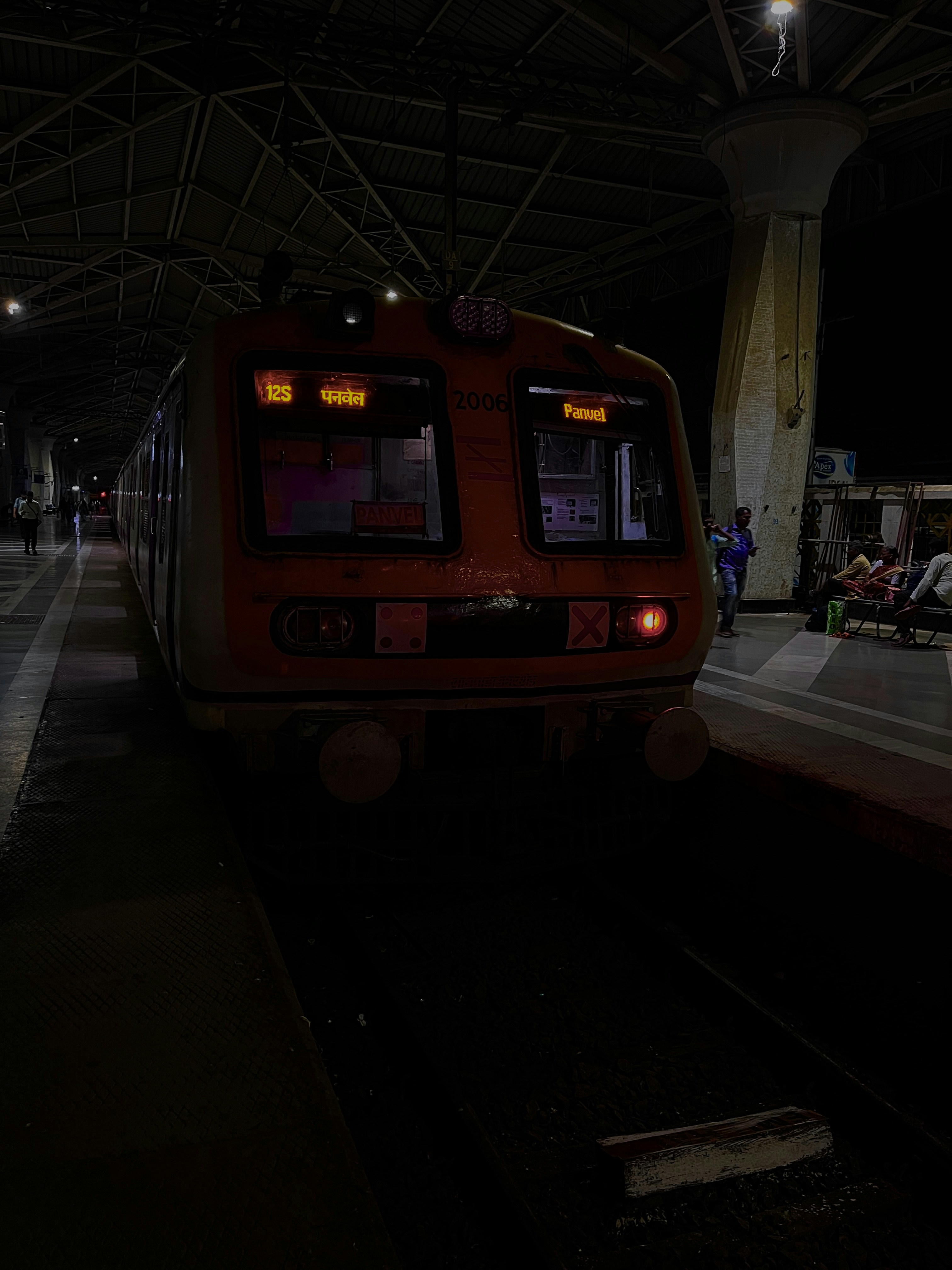
Mumbai’s local train system, often referred to as the lifeline of the city, has been a crucial component of its transportation infrastructure. As of 2023, the system serves millions of commuters daily, facilitating their travel across the city and its suburbs. The local train network comprises multiple lines that extend over 320 kilometers, connecting various points of interest in the metropolitan area. On an average weekday, it is estimated that around 8 million passengers utilize this service, underscoring its significance in managing urban mobility.
Despite its extensive reach and high ridership, the local train system faces several challenges. Overcrowding remains one of the most pressing issues, particularly during peak hours when trains operate at full capacity. This not only compromises commuter comfort but also raises safety concerns. Furthermore, aging infrastructure and inadequate maintenance have led to operational inefficiencies, further complicating the daily commuting experience for passengers.
In recent years, measures have been implemented to enhance the overall efficiency of the local train system. Upgrades to signaling systems and the introduction of modern trains contribute to improving the frequency and reliability of services. However, these developments must be viewed within the context of longstanding infrastructure deficits that require extensive investment and strategic planning.
As we look towards the future, understanding the current state of Mumbai’s local train system will lay the groundwork for predictive modeling. This analysis not only takes into account ridership patterns but also the infrastructural challenges that need addressing to accommodate the anticipated growth in passenger numbers by 2026. Thus, an accurate representation of the present conditions is essential for envisioning the future trajectory of this vital transportation network.
Analyzing Mumbai’s Traffic Patterns
Mumbai, often referred to as the financial capital of India, is characterized by its unique traffic patterns which are influenced by various factors. As one of the most densely populated cities in the world, Mumbai faces significant challenges in terms of traffic congestion. Recent studies have demonstrated that the city experiences peak congestion during morning and evening rush hours, with major hotspots such as the Western Express Highway, Andheri, and Dadar witnessing substantial delays. Analyzing these traffic patterns is crucial for understanding how they will evolve in the coming years.
Statistical data from the past few years indicate that the average speed during peak traffic times has decreased significantly, often dropping below 20 km/h in the central business districts. This reduction in speed can be attributed to the increasing number of vehicles on the roads, inadequate infrastructure, and ongoing construction projects. Additionally, environmental factors such as heavy rain during the monsoon season further complicate traffic conditions, leading to accidents and further congestion.
Moreover, public transport systems, while essential to the city’s mobility, often struggle to keep pace with the burgeoning demand. The existing local train network serves millions daily; however, overcrowding and delays are common. Initiatives to enhance public transport capacity and reliability, such as the introduction of new trains and expansion of metro lines, are currently underway but require time to materialize.
In light of these considerations, effective traffic management strategies will be essential for mitigating congestion. The adaptation of smart traffic management systems and the promotion of alternative transportation modes could play a pivotal role in shaping Mumbai’s traffic landscape in 2026, ultimately aiming to improve the overall commute experience for its residents.
Application of World Models to Mumbai’s Local Train System
The efficiency of Mumbai’s local train system could be significantly enhanced by the application of advanced world models such as Genie 3 and V-JEPA 2. These models, which focus on predicting user behavior and system performance, can be instrumental in providing real-time insights into ridership trends and service demand. For instance, by analyzing historical data and current patterns, these models can forecast future passenger numbers at different times of the day and week, enabling optimal scheduling of trains and additional services during peak hours.
Genie 3 employs a robust framework that estimates the likely patterns of train usage based on various factors, including population density and urban movement trends. This model can automatically identify and analyze fluctuations in demand, suggesting the need for additional trains or alterations in existing routes when anticipating overcrowding. Additionally, it can simulate scenarios under various operational conditions to assist railway authorities in strategic planning.
Moreover, V-JEPA 2 is tailored to enhance the predictive capabilities further by utilizing machine learning techniques. By processing real-time data, it can help identify potential operational issues before they escalate. For example, if it predicts a spike in ridership following a local event, additional measures can be implemented to mitigate the risk of overcrowding, ultimately improving passenger experience.
If these models were successfully implemented in Mumbai’s local train system, one could expect a more responsive and adaptive transit environment. With accurate predictions, the train system could better accommodate its passengers, leading to increased satisfaction and potentially encouraging more individuals to opt for public transportation over private vehicles. Ultimately, the integration of Genie 3 and V-JEPA 2 could represent a transformative shift in how one of the world’s busiest local train systems operates.
Traffic Prediction in Mumbai for 2026
The rapid urbanization of Mumbai has presented a multitude of challenges relating to traffic management. As the city’s population and economic activities have burgeoned, understanding and predicting traffic patterns has become essential. Various predictive world models indicate that by 2026, traffic congestion will continue to escalate unless significant interventions are undertaken. The analysis from previous sections highlights an expected increase in daily vehicular movements driven by population growth and the expansion of commercial enterprises.
Traffic models project that areas with critical traffic bottlenecks, such as the Bandra-Worli Sea Link and the Eastern Freeway, will experience heightened congestion. Forecasts suggest that peak traffic times could stretch significantly, possibly extending from early morning to late evening. Consequently, the challenge lies in exploring traffic management strategies that are effective in alleviating these issues. These strategies could include the enhancement of public transportation systems, greater investment in infrastructure, and the introduction of intelligent traffic systems.
To address these forecasted trends, policymakers and urban planners will need to adopt a comprehensive approach. This includes not only improving existing road conditions and reducing travel time but also moving towards sustainable transport systems. Traffic prediction models advocate for increased integration of technological solutions, such as real-time traffic updates and adaptive signal control systems, which can help manage flow more effectively. Moreover, promoting non-motorized transit options, like cycling and walking, is critical in reducing vehicular dependence.
In conclusion, the future traffic scenario for Mumbai in 2026 will heavily depend on proactive measures and technological advancements. Failure to act on these predictive insights may result in a scenario characterized by severe congestion and infrastructural strain, ultimately impacting the quality of life for residents.
Challenges and Limitations of Using World Models
When employing world models such as Genie 3 and V-JEPA 2 for predicting future scenarios in Mumbai’s local train and traffic systems, it is essential to recognize their inherent challenges and limitations. One primary concern is data accuracy. The effectiveness of these models significantly hinges on the quality and reliability of the data fed into them. In Mumbai, where data collection can often be inconsistent and fragmented due to the city’s dynamic nature, ensuring high-quality data is a daunting task. Aspects such as incomplete datasets, outdated information, and discrepancies in data reporting can all undermine predictive validity.
Another crucial limitation relates to the variability in human behavior. Models like Genie 3 and V-JEPA 2 aim to simulate human decision-making processes; however, predicting actual behavior can be problematic. Factors such as cultural influences, socio-economic variations, and emotional responses can lead to deviations from expected patterns. In a bustling metropolitan area like Mumbai, where a plethora of variables influences daily commuting choices, relying solely on these models may provide inaccurate forecasts.
Moreover, unforeseen external factors can significantly impact predictions made by these models. Events such as socio-political changes, economic shifts, or natural disasters can alter traffic patterns and usage of public transportation. These unpredictable influences are challenging to quantify and are often outside the scope of traditional modeling approaches. As a result, while world models provide invaluable insights, their limitations necessitate caution when interpreting results and implementing strategies based on their forecasts.
The Importance of Innovations in Urban Mobility
Urban mobility is a critical component of city development and economic prosperity. In the context of Mumbai, a bustling metropolis with an ever-increasing population, the need for efficient and sustainable transport systems is more pressing than ever. Innovations in urban mobility can lead to significant benefits in various aspects, such as sustainability, economic growth, and overall quality of life for the residents.
The adoption of advanced world models in Mumbai’s local train and traffic systems represents a shift towards more intelligent and adaptive transportation solutions. These innovations can enhance the connectivity between different parts of the city, facilitating smoother commutes and reducing travel times. By incorporating factors such as real-time data analysis and AI-driven decision-making, Mumbai has the potential to alleviate congestion issues that plague many urban centers.
Moreover, improved urban mobility has profound economic implications. As transportation systems become more efficient, productivity is likely to rise. With reduced travel times, individuals can allocate more time to work or leisure activities. Businesses will also benefit from speedier logistics and wider access to labor markets, thus driving growth and attracting potential investments. Such enhancements can result in a positive feedback loop, further bolstering the local economy.
In addition to economic benefits, world models can lend themselves to sustainability efforts. By optimizing public transportation networks and promoting the use of electric vehicles, the environmental impact of urban transit can be significantly mitigated. This is crucial in combatting air pollution and is aligned with global sustainability goals.
Ultimately, by pioneering the integration of innovations in urban mobility, Mumbai has the opportunity to set a precedent for other cities. Establishing itself as a leader in AI-driven transportation solutions can inspire a broader shift towards modern urban practices, benefiting not only the city but serving as a model for global urban development.
Conclusion: Future Outlook for Mumbai’s Transport Systems
As we look towards 2026, it becomes increasingly clear that predictive modeling is crucial for the evolution of Mumbai’s transport systems. The insights garnered from these models provide a robust framework to understand traffic flow trends, local train operations, and overall urban mobility dynamics. By analyzing past data and current patterns, stakeholders can mitigate congestion and enhance efficiency in this megacity’s transport networks.
The importance of integrating predictive analytics into urban planning cannot be overstated. It empowers government bodies, private sector players, and urban planners to proactively address transportation challenges. For instance, recognizing which areas are prone to congestion can lead to strategic decisions about infrastructure development, including the expansion of local train routes and the optimization of roadways. This ensures a more responsive and efficient transport system that caters to the needs of Mumbai’s growing population.
Moreover, public transportation must be not only reliable but also adaptable to future demands. Encouraging the use of local trains through improved services and integrating them with other forms of transport can drastically reduce reliance on personal vehicles. This shift is essential for decreasing the carbon footprint and achieving sustainable urban growth.
Ultimately, the collaboration between various stakeholders is vital for implementing the predictive models successfully. By fostering partnerships between public authorities and private entities, there exists an opportunity to leverage technological advancements and innovative solutions. This collaboration can result in a transportation infrastructure that not only meets the current demands but is also prepared for future challenges.
In conclusion, the insights derived from predictive modeling signal a transformative path for Mumbai’s transit systems. Adopting these recommendations will significantly enhance the urban travel experience while facilitating the city’s resilient growth for years to come.