Introduction to Navi Mumbai Data Centers
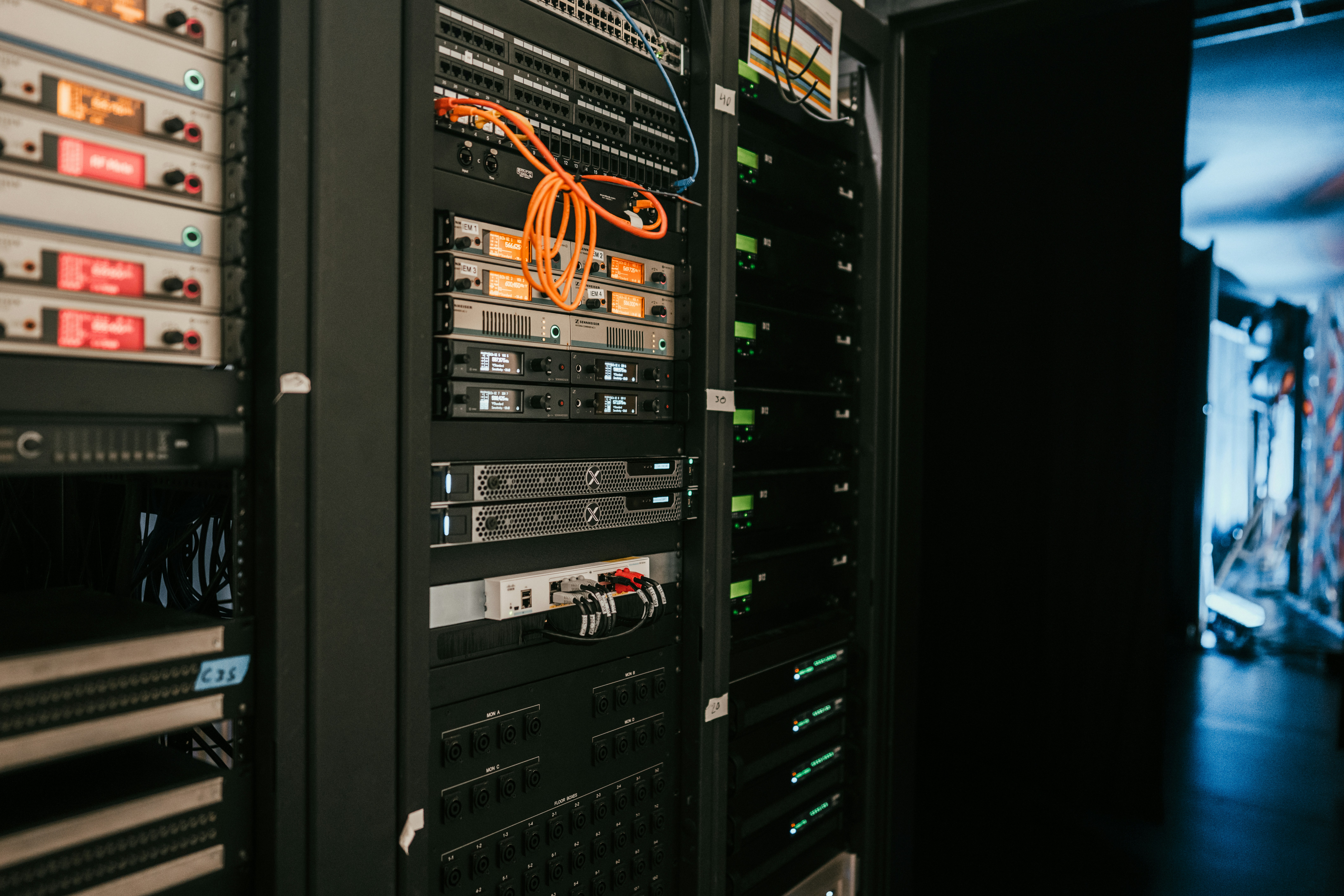
Data centers are specialized facilities that house computer systems and associated components, such as telecommunications and storage systems. They are critical in managing the vast amounts of data generated by businesses and individuals alike. In today’s digital age, especially in burgeoning tech hubs like Navi Mumbai, data centers are integral for the seamless operation of cloud computing, data storage, and processing, which are essential for various services and applications.
Navi Mumbai, strategically located in the Mumbai Metropolitan Region, has become a focal point for the establishment of data centers. The region’s rapid urbanization, coupled with advancements in telecommunications and internet accessibility, has made it an attractive destination for companies looking to harness the power of data. These data centers not only support local businesses but also attract major players in the technology sector, contributing significantly to the regional economy.
The role of data centers extends beyond mere data storage; they facilitate essential functions such as data management, backup, disaster recovery, and analytics, which are vital for businesses aiming to leverage artificial intelligence and machine learning technologies. Companies rely on these infrastructures to ensure their operations remain efficient and secure, enabling them to derive insights from data quickly.
Moreover, the increasing reliance on digital services and the explosion of data from various sources necessitate robust data centers capable of transforming raw data into valuable business intelligence. This trend emphasizes the need for advanced facilities in Navi Mumbai, further accelerating the projected growth in this sector. As businesses evolve, so too does the demand for sophisticated data centers that can keep pace with technological advancements and the increasing amount of data being generated.
Current State of Data Center Infrastructure in Navi Mumbai
Navi Mumbai has emerged as a vital hub for data centers, attracting significant investment in recent years. The region boasts a growing number of data centers that cater to various industries, including finance, healthcare, and e-commerce. This growth can be attributed to the increased demand for digital services and cloud computing, which necessitates robust data center infrastructure. Currently, several key players operate within this landscape, including global giants and local enterprises, further enhancing the competitive nature of the sector.
In terms of capacity, the existing data centers in Navi Mumbai are equipped with advanced technology and scalable infrastructure. Many facilities incorporate state-of-the-art designs such as modular systems, energy-efficient cooling solutions, and high-density rack setups. These technological advancements not only optimize performance but also ensure compliance with environmental standards, making Navi Mumbai an attractive destination for potential investors. Moreover, the strategic location of Airoli within Navi Mumbai contributes to its appeal, offering excellent connectivity to both national and international markets.
Airoli’s geographical advantage lies in its proximity to major transport networks, including the Mumbai-Pune Expressway and the upcoming Navi Mumbai International Airport. This connectivity facilitates quick data exchange and reduces latency, making it an ideal location for data centers aimed at providing reliable and efficient services. As the data center market continues to expand, the importance of Airoli as a strategic site for infrastructure development is likely to become more pronounced. The combination of advanced technology and favorable geography positions Navi Mumbai to meet the demands of a rapidly evolving digital landscape.
Understanding the 800 MW Demand Projection
The projected demand of 800 MW for data centers in Navi Mumbai by the year 2027 is undeniably significant and is driven by multiple interrelated factors. Primarily, the rapid growth of artificial intelligence (AI) technologies has been identified as a catalyst for this demand. AI applications require substantial computational power and data storage capabilities, which translates into an increased need for high-performance data centers that can support these technologies. As companies increasingly integrate AI into their operations, the demand for data processing and storage continues to surge, necessitating a commensurate increase in infrastructure.
Moreover, the accelerated pace of digitalization across multiple sectors has further contributed to this demand projection. From finance to healthcare, businesses are increasingly relying on digital infrastructure to improve efficiencies, enhance customer experiences, and leverage data analytics. This shift towards a more digital-driven economy enhances the need for scalable and resilient data centers that can accommodate growing workloads and secure vast amounts of data.
Additionally, the influx of technology companies setting up operations in the Navi Mumbai region is a crucial factor in this projection. Many enterprises are now recognizing the strategic advantage of establishing a presence in an area known for its robust technological ecosystem. With notable firms setting up data centers and cloud facilities, the overall electricity consumption and requirement have naturally elevated, consolidating the projected demand of 800 MW. As the demand for reliable and efficient data services increases, the region’s capacity to meet this demand will be paramount in supporting future technological innovations. All these factors collectively paint a picture of a thriving data center market in Navi Mumbai that is set to expand considerably by 2027.
Airoli as a Hub for AI Infrastructure
Airoli, located in Navi Mumbai, is rapidly emerging as a significant hub for artificial intelligence (AI) infrastructure. The region has garnered attention due to various factors, including its strategic geographical location, robust technological framework, and substantial infrastructure development plans that cater to the increasing demand for AI-related services. Over the past few years, Airoli has seen a continuous influx of data centers, which is crucial for hosting and processing the extensive data required for AI applications.
The growth of Airoli as a hub for AI infrastructure is further bolstered by the proactive support from government initiatives aimed at promoting technology and innovation. Several policies have been implemented to facilitate investment in data centers, including tax benefits and streamlined regulatory processes. Such supportive measures not only attract domestic players but also international tech firms seeking to establish a footprint in India. This collaborative environment is vital for nurturing the AI ecosystem, encouraging startups, and fostering a culture of innovation.
In addition to governmental support, the presence of established technology companies in Airoli plays a crucial role in driving AI innovation. Major players in the tech industry have recognized the potential of this region and established their operations to leverage local talent and resources. This concentration of expertise not only enhances technical capabilities but also creates opportunities for knowledge sharing and collaboration among companies. Through partnerships and community initiatives, Airoli is poised to become a focal point for AI research and development.
As the demand for AI infrastructure continues to escalate, Airoli’s development trajectory suggests that it is poised to meet the needs of various sectors, including finance, healthcare, and logistics, thereby solidifying its status as a pivotal hub for AI in India.
Impact of the Growth on Local Economy
The anticipated surge in demand for data centers and artificial intelligence (AI) infrastructure in Navi Mumbai, specifically in Airoli, is poised to have a profound impact on the local economy. One of the most notable effects is the creation of new job opportunities. The establishment of data centers frequently necessitates a diverse workforce, including IT professionals, engineers, technicians, and support staff. This influx of job creation is likely to improve the employment landscape significantly, attracting both local talent and professionals from other regions.
Furthermore, increased investments by tech companies in building and upgrading data centers are expected to stimulate economic growth. These investments not only foster the development of new infrastructure but also enhance the overall technological capability of the region, encouraging further investments in related sectors. Consequently, as businesses recognize the potential of Navi Mumbai as a tech hub, they are likely to relocate or expand their operations, bringing additional capital and resources to the area.
Additionally, the growing demand for data centers may attract a skilled talent pool, including data scientists and cybersecurity experts, which could elevate the qualifications and skill sets of the local workforce. Such a demographic shift can lead to improved educational initiatives and training programs tailored to meet emerging industry needs, creating a more adaptable workforce.
However, it is crucial to note some potential drawbacks linked to rapid growth. The influx of businesses and professionals may lead to urban strain, escalating demand for housing, transportation, and public services. This increased pressure can cause challenges for local governance and urban planning, necessitating careful consideration and proactive measures to manage growth sustainably.
In conclusion, while the projected growth in data center demand and AI infrastructure promises considerable benefits for the local economy of Airoli and Navi Mumbai, it also presents challenges that must be addressed to ensure balanced and sustainable development.
Sustainability Challenges and Solutions
The increasing demand for data centers in Navi Mumbai, particularly in the Airoli region, has raised significant sustainability challenges. Key among these challenges is the substantial energy consumption associated with data center operations. As data storage and processing requirements grow, so does the electricity needed to power servers, cooling systems, and supporting infrastructure. This heightened energy usage contributes not only to operational costs but also to environmental degradation, primarily through increased greenhouse gas emissions.
Moreover, water usage is another critical aspect. Data centers require substantial amounts of water for cooling, leading to concerns about water scarcity, particularly in urban settings like Navi Mumbai where resources are already under pressure. These sustainability challenges necessitate innovative solutions that balance operational efficiency with environmental stewardship.
In response to these challenges, data centers in Navi Mumbai are increasingly adopting renewable energy sources. By investing in solar and wind energy, facilities can reduce their reliance on fossil fuels, achieving a significant decrease in carbon emissions. Moreover, energy-efficient technologies, such as advanced cooling systems utilizing ambient air or thermoelectric cooling, are being implemented to enhance energy savings while maintaining optimal performance.
Furthermore, the adoption of innovative data management techniques, like edge computing, significantly reduces the data load on central servers, thereby lessening energy consumption. Data centers are also looking into waste heat recovery systems that harness residual heat for other uses, contributing to a circular economy model.
Ultimately, addressing these sustainability challenges requires a multifaceted approach involving technology, regulatory frameworks, and collaboration across industries. The innovations being implemented now will not only support the projected growth in data center demand but will also pave the way for a more sustainable future in Navi Mumbai.
Future Opportunities for Investors and Businesses
The data center industry in Navi Mumbai, particularly in Airoli, is poised for significant growth, presenting lucrative opportunities for both investors and businesses. The surge in demand for data storage and processing capabilities, driven by the advent of artificial intelligence (AI) and big data analytics, has opened multiple avenues for investment. With businesses increasingly relying on AI to enhance their operational efficiencies, the need for robust infrastructure only increases.
Investors looking for promising opportunities can focus on several key areas. First, investing in state-of-the-art data center facilities that utilize sustainable practices can provide a competitive edge. These eco-friendly data centers not only appeal to environmentally conscious clients but also comply with regulatory standards that are progressively becoming stringent. Furthermore, advancements in cooling technologies and energy efficiency can significantly reduce operating costs, leading to attractive returns on investment.
Partnerships within the tech ecosystem can also be beneficial. Collaborating with cloud services, cybersecurity firms, and telecom providers can enhance service offerings and maximize customer satisfaction. Such strategic alliances can lead to bundled services that address a wide range of customer needs, thus widening the customer base significantly.
Moreover, as AI technology continues to evolve, businesses that invest in training employees and establishing AI-focused research and development (R&D) teams stand to gain a considerable advantage. The capabilities developed through R&D can further enhance the services offered by data centers, encouraging a more personalized and efficient customer experience.
In conclusion, the growing data center market in Navi Mumbai represents a wealth of investment opportunities. By focusing on sustainable practices, forming strategic partnerships, and investing in AI-driven innovations, businesses and investors can position themselves advantageously in this evolving landscape.
Government Initiatives Supporting Data Center Growth
The government of India recognizes the significant potential of data centers in driving economic growth and technological advancements. In Navi Mumbai, particularly in the Airoli region, several initiatives have been introduced to bolster the development of data center infrastructure and artificial intelligence frameworks. These initiatives not only aim to attract domestic and foreign investments but also prioritize sustainability and technological innovation.
One of the key components of these governmental initiatives includes various financial incentives aimed at data center operators. For instance, tax breaks are being offered to new data centers for a specified period, which effectively reduces operational costs and enhances profitability. Additionally, funds have been allocated for subsidies that support the establishment of green data centers, emphasizing eco-friendly practices which are vital for sustainable growth.
Infrastructure improvement is another crucial area that the government is focusing on. Enhancements to transport networks, utilities, and connectivity are being prioritized to facilitate seamless operations of data centers. Reliable power supply and robust internet infrastructure are essential for data centers to function efficiently, and the government is actively working to ensure these resources are available and reliable.
Furthermore, the Maharashtra government has launched initiatives like the “Data Center Policy” which aims to establish the state as a leading data center hub in India. This policy outlines plans for the development of data centers with improved energy efficiency, reduced carbon footprints, and a dedicated focus on promoting AI technologies. By aligning these infrastructure developments with governmental support through clear regulatory frameworks and incentives, Navi Mumbai is set to become a vital center for data and AI innovation by 2027.
Conclusion and Future Outlook
In recent years, the demand for data centers has surged significantly, particularly in Navi Mumbai. This increase is largely attributed to the region’s strategic location, robust infrastructure, and ongoing technological advancements. As businesses continue to expand their digital footprints, the need for efficient data processing and storage facilities becomes paramount. Airoli, situated within Navi Mumbai, is emerging as a pivotal area for artificial intelligence (AI) infrastructure, poised to play a critical role in this growth.
The expected developments in Airoli’s AI infrastructure by 2027 are indicative of a broader trend within the global data center landscape. With the integration of AI technologies and cloud computing solutions, data centers are expected to offer more sophisticated services tailored to meet the unique demands of various industries. Enhanced energy efficiency, improved data processing capabilities, and advanced cybersecurity measures are likely to be focal points of development. As a result, Airoli could become a hub for innovation, attracting businesses looking to leverage AI for operational efficiencies.
Moreover, as organizations prioritize sustainability, the data center sector in Navi Mumbai is anticipated to evolve towards greener practices. The implementation of renewable energy sources and energy-efficient designs will not only reduce environmental impact but also align with global sustainability goals. This proactive approach will likely enhance the attractiveness of Airoli as a prime location for future investments.
In conclusion, the anticipated growth in data center demand in Navi Mumbai, particularly in Airoli’s AI infrastructure, signifies a critical shift towards a more tech-driven future. As this landscape continues to evolve, stakeholders can expect a dynamic environment that fosters innovation and competitiveness, ultimately reinforcing Navi Mumbai’s role in the global data center arena.