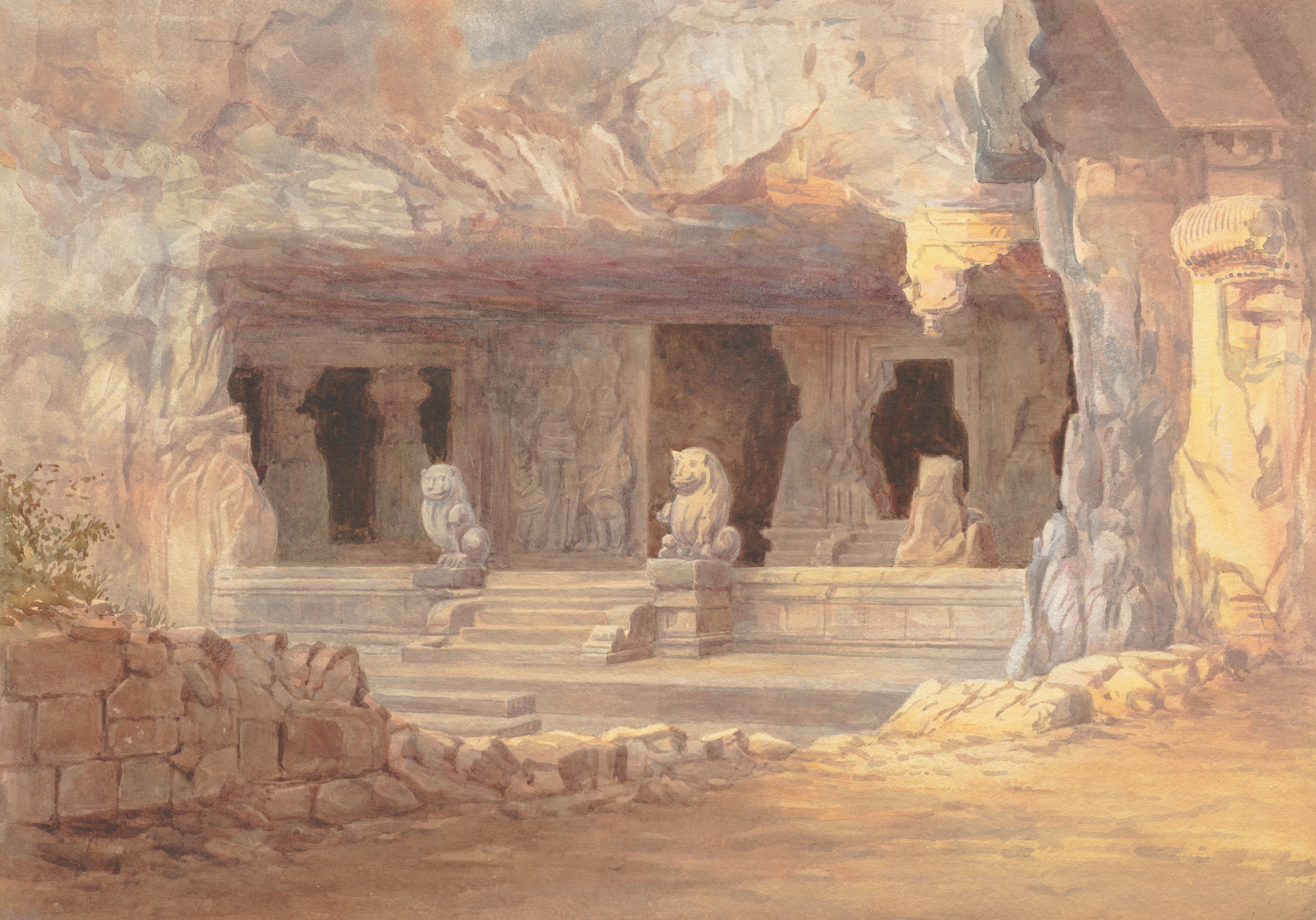
Introduction to the Elephanta Caves
The Elephanta Caves, located on Elephanta Island off the coast of Navi Mumbai, are a collection of rock-cut temples that date back to the 5th to 8th centuries. These caves are intricately carved and predominantly dedicated to the Hindu god Shiva. They represent an exceptional example of ancient Indian art and architecture, showcasing the skill and creativity of the artisans of that era. The significant features of these caves include monumental sculptures, intricate carvings, and a blend of various architectural styles that reflect the cultural dynamism of the period.
Declared a UNESCO World Heritage Site in 1987, the Elephanta Caves underline both historical and cultural significance, attracting numerous visitors every year. The site not only offers insights into the religious practices of early Indians but also demonstrates the adaptation of rock-cut architecture, which has had a profound influence on subsequent temple constructions in the region. The most famous structure within the caves is the magnificent Trimurti, a 20-foot sculpture of a three-headed figure of Lord Shiva, symbolizing creation, preservation, and destruction.
The Elephanta Caves stand as a crucial tourist attraction in Navi Mumbai, drawing local and international travelers alike. This historical marvel serves as an educational resource, allowing visitors to explore the ancient history and mythology of Indian culture while immersed in a stunning natural setting. As tourism continues to evolve, the preservation of this site becomes increasingly essential, highlighting the need for innovative approaches to enhance visitor experience, such as 3D augmented reality (AR) explorations. This modern technology offers an opportunity to visualize and engage with the caves’ artistic treasures in unique and interactive ways.
The Role of AI in Modern Tourism
Artificial Intelligence (AI) has become a pivotal force in redefining the landscape of the tourism industry. By integrating advanced algorithms and machine learning, AI enhances visitor experiences, facilitates accessibility, and personalizes tourism offerings. One of the most significant applications of AI in the tourism sector lies in the development of intelligent recommendation systems. These systems analyze user behavior and preferences, thereby allowing travel agencies and platforms to suggest tailored experiences, accommodations, and activities that resonate with individual travelers.
Moreover, AI-powered chatbots serve as a frontline assistant for tourists, providing instant responses to inquiries related to travel plans, local attractions, or cultural nuances. This immediate support not only elevates customer satisfaction but also streamlines communication channels, making travel logistics more manageable. As a result, the use of chatbots is becoming increasingly prevalent, particularly during peak travel seasons when customer queries often spike.
In addition to enhancing user engagement, AI technologies empower tourism providers to gather and analyze vast amounts of data. This capability leads to improved operational efficiency and accuracy in resource allocation, which is fundamental when managing varying tourist influx levels. For instance, smart algorithms can predict the best times to visit popular destinations, thereby assisting in crowd management and enhancing the overall travel experience.
Furthermore, AI-driven platforms facilitate improved accessibility, making it easier for differently-abled individuals to navigate tourism services. By providing tailored information and tools, these innovations ensure that a broader audience can enjoy the wonders of various tourist attractions. In advocating for inclusivity, AI plays a crucial role in transforming the tourism experience for everyone.
Thus, as AI continues to evolve, its influence on the tourism sector signifies not only an enhancement in operational workflows but also a more enriched experience for travelers. With its various applications, AI is undoubtedly set to shape the future of tourism in an exciting and progressive manner.
Understanding 3D Augmented Reality (AR)
Augmented reality (AR) refers to an interactive experience that enhances the real world by overlaying digital information onto it. This technology integrates computer-generated images, sounds, and other sensory enhancements with a user’s perception of the real-world environment. When it comes to tourism, augmented reality offers an innovative way to engage visitors, providing them with rich, informative experiences that bring history and culture to life.
3D AR, a more advanced form of augmented reality, allows for the creation and manipulation of three-dimensional objects within a physical space, viewable through devices such as smartphones and tablets. This application is particularly significant in heritage tourism, where travelers can interact with digital artifacts and recreations of historical monuments, effectively bridging the gap between the past and present. By utilizing 3D models, augmented reality can enhance the visualization of complex structures and sculptures, making them accessible to a wider audience.
The functionality of 3D AR is rooted in its ability to blend these virtual objects with the surrounding environment, thereby offering enriched contextual information to tourists. For example, while exploring a site like the Elephanta Caves in Navi Mumbai, visitors can use an AR application to view intricate carvings and historical narratives as they would appear in their original context. This not only adds an educational layer to the experience but also captivates users by making historical figures and scenes more relatable and engaging through participatory interaction.
Ultimately, the application of 3D augmented reality enhances the tourism experience by providing depth and interactivity that traditional methods cannot offer. The potential for integrating AR into historical sites is immense, promising a future where immersion and learning coexist, thus transforming the way tourists engage with cultural heritage.
The 3D AR Project: Elephanta Caves Recreated
The project aiming to recreate the Elephanta Caves in 3D augmented reality (AR) represents a significant innovation at the intersection of technology, culture, and tourism. This initiative utilizes advanced software and hardware tools to generate realistic 3D models that capture the intricate details and grandeur of the sculptures and architecture found in the Elephanta Caves. The end goal is to offer tourists an immersive experience that both educates and engages users in a manner that traditional methods cannot achieve.
The process of creating these 3D models begins with detailed scans of the caves using high-resolution photogrammetry. This technique involves taking numerous photographs of the cave structures from multiple angles, which software then processes to construct accurate digital replicas. This allows every nook and cranny of the sculptures to be rendered in high fidelity, making it possible for virtual explorers to appreciate the historical craftsmanship up close.
In addition to photogrammetry, the project leverages augmented reality technologies that enable users to interact with these 3D models in real time. By employing AR headsets or compatible mobile devices, visitors can observe the lifelike representations of the Elephanta Caves while simultaneously perceiving their real-world surroundings. This fusion of the digital and physical realms invites tourists to experience a deeper connection with the site, enhancing their understanding of its historical context.
The creative vision behind this project is grounded in a commitment to preserving the cultural heritage of the Elephanta Caves while making it more accessible to a larger audience. Through the use of cutting-edge AR technology, the goal is to democratize the experience of visiting the caves, allowing both local residents and tourists to engage with this UNESCO World Heritage Site in a meaningful way.
Tourist Experience: Interacting with 3D AR Elephanta Caves
The advent of Augmented Reality (AR) technology promises to revolutionize how tourists engage with historical sites such as the Elephanta Caves in Navi Mumbai. By utilizing smart devices, visitors can immerse themselves in an enriched experience that not only brings the ancient artistry to life but also provides educational context. Tourists can expect a range of interactive features when exploring the digitally recreated Elephanta Caves.
One of the main attractions will be guided AR tours that offer detailed commentary on the artwork and architecture of the caves. As visitors stand in front of a rock-cut sculpture, they can point their devices to receive comprehensive insights about its historical significance, artistic elements, and cultural context. This feature aims to enhance appreciation and understanding, transforming a straightforward visit into an educational journey.
In addition to guided tours, interactive elements will be incorporated to engage users more fully. Tourists may find themselves able to manipulate 3D models of the sculptures and explore various aspects of the caves that might not be accessible otherwise. For instance, visitors could virtually ‘walk’ behind a sculpture to see how it was carved, gaining insights into the techniques used by ancient artisans.
Educational content will not be limited to historical facts; it will also include information about ongoing preservation efforts and the importance of cultural heritage. Through mini-games or quizzes, tourists can test their knowledge as they navigate the recreated landscape, making the experience both entertaining and informative. The use of interactive media creates a dynamic environment where visitors are not merely passive observers but active participants in uncovering the mysteries of the Elephanta Caves.
Overall, these AR features aim to enhance the tourist experience, ensuring that visitors leave with a deeper appreciation of the Elephanta Caves and their significance in Indian history and culture.
Benefits of AR Experiences for Tourists in Navi Mumbai
Augmented Reality (AR) has emerged as a transformative technology, enhancing the way tourists engage with historical and cultural sites. In Navi Mumbai, the incorporation of AR into tourist experiences offers various benefits that can elevate visitor engagement and satisfaction. One of the primary advantages is improved engagement. AR experiences create immersive environments that capture the attention of tourists, allowing them to interact with their surroundings in unprecedented ways. When tourists engage with the Elephanta Caves through AR, they can visualize the intricate carvings, learn about their history, and even witness re-enactments of ancient events. This interactive approach bypasses the limitations of traditional guided tours, making exploration not only educative but also entertaining.
Moreover, AR fosters enhanced learning opportunities. Through AR applications, tourists can access a wealth of information instantly. As they scan different aspects of the Elephanta Caves, they can receive rich content such as audio guides, textual descriptions, and video animations that explain the significance of the site. This accessibility to information aids in deepening their understanding and appreciation of the cultural heritage of Navi Mumbai. In an increasingly digital world, tourists, particularly younger demographics, are drawn to technologies that enhance their travel experiences. By introducing AR, Navi Mumbai position itself as a forward-thinking destination catering to modern travelers.
Furthermore, the integration of AR technologies is likely to increase tourist numbers. The unique experiences offered through AR can entice not just local visitors but also attract international tourists who desire novel ways to engage with destinations. A destination like Navi Mumbai, enriched with its cultural narrative and historical significance, stands to gain from the wider reach facilitated by AR experiences, ultimately boosting tourism revenue. Overall, the benefits of incorporating AR into tourism are numerous and can significantly transform the landscape of tourist experiences in Navi Mumbai.
Challenges in Implementing AR in Tourism
Augmented reality (AR) has the potential to revolutionize tourism by offering immersive experiences, such as recreating the Elephanta Caves for visitors in Navi Mumbai. However, several challenges must be addressed to implement such technology effectively in the tourism sector.
First and foremost are the technological limitations that can impede developers’ ability to create high-quality AR applications. These limitations can include inadequate processing power of mobile devices, insufficiently detailed 3D models, and the need for reliable location-tracking capabilities. Moreover, integrating AR experiences with historical artifacts or landscapes often requires significant technical expertise and investment, which can be a barrier for smaller tourism organizations.
Accessibility issues present another challenge for the implementation of AR in tourism. Many potential users may lack access to the necessary devices or internet connectivity to enjoy AR experiences. Additionally, the demographic diversity of tourists, including varying levels of tech-savviness, means that applications must be designed with user-friendliness in mind. If AR technology is perceived as too complex, the project may not achieve its intended reach.
Infrastructure improvements are also crucial for supporting AR initiatives. Tourist locations must have adequate facilities, such as charging stations and enhanced Wi-Fi connectivity, to cater to visitors using AR applications. The physical space must also be redesigned or adapted to accommodate the use of AR technology, ensuring safety and usability for all tourists.
Finally, creating a user-friendly AR application cannot be understated. An intuitive interface and engaging content are essential for encouraging tourists to use the technology. Developers must prioritize seamless interactions and create experiences that enhance visitors’ understanding of historical sites, such as the Elephanta Caves, without overwhelming them with information.
Future of AI and AR in Cultural Tourism
The integration of Artificial Intelligence (AI) and Augmented Reality (AR) is poised to transform the landscape of cultural tourism, particularly in relation to historical sites like the Elephanta Caves. As travelers increasingly seek immersive and interactive experiences, the demand for technological enhancements in tourism is becoming evident. By employing AI algorithms to analyze visitor data, cultural sites can tailor experiences to individual preferences, fostering greater engagement and satisfaction.
AR technology can complement these efforts by overlaying digital information onto the physical environment, creating a more profound understanding of historical contexts. For instance, when applied to the Elephanta Caves, AR can bring ancient sculptures and carvings to life, providing visitors with insights into their significance and detailing the artistic techniques used by craftsmen of the era. Such interactive enhancements not only enrich the visitor’s experience but also promote educational opportunities by facilitating a deeper connection to cultural heritage.
Moreover, as technology continues to advance, we can expect AI and AR applications to become more sophisticated and user-friendly. Innovations such as voice-activated tours and personalized narrative options could cater to a wide audience, including people with disabilities or those who prefer different learning modalities. Additionally, the use of virtual guides powered by AI could help tourists navigate sites at their own pace, providing relevant information without disrupting the atmosphere of the cultural setting.
In essence, the future of cultural tourism lies in the symbiotic relationship between cutting-edge technology and historical preservation. By harnessing the capabilities of AI and AR, cultural tourism entities can not only revive interest in historical landmarks like the Elephanta Caves but also ensure that the stories behind these monuments are told with accuracy and authenticity. This evolution will constitute a pivotal step towards sustainable tourism, fostering an appreciation for cultural heritage while providing modern, engaging experiences for travelers worldwide.
Conclusion: Embracing Technology for Cultural Preservation
The integration of advanced technologies such as Artificial Intelligence (AI) and 3D Augmented Reality (AR) in cultural tourism heralds a transformative era for sites like the Elephanta Caves. As tourism increasingly shifts towards immersive experiences, the potential of these technologies to enrich the understanding and appreciation of cultural heritage cannot be overstated. By recreating the Elephanta Caves through 3D AR, visitors can engage with this UNESCO World Heritage site in ways that were previously unimaginable.
The 3D AR experience does not merely serve as an entertaining addition to tourists’ itineraries; instead, it creates a deeper connection between the audience and the cultural significance of the site. By offering dynamic interactions, the technology fosters an environment where educational aspects and historical narratives are brought to life. This approach is instrumental in attracting a diverse range of visitors, including those who may not typically engage with traditional cultural sites.
However, as we embrace this technological advancement, it is crucial to ensure that the integrity of the cultural heritage is preserved. Implementing AI and AR technologies should enhance the visitor experience without overshadowing the historical importance and authenticity of the Elephanta Caves. Careful consideration must be given to how these tools are employed, balancing innovation with the protection of cultural landmarks.
In conclusion, the Elephanta Caves project exemplifies how the marriage of technology and heritage can lead to significant cultural preservation efforts. By leveraging AI and 3D AR, we not only foster engineering and innovation but also create platforms that ensure cultural narratives are accessible to future generations. This harmonious relationship between technology and culture can pave the way for sustainable tourism models that honor our shared heritage while enhancing the visitor experience.