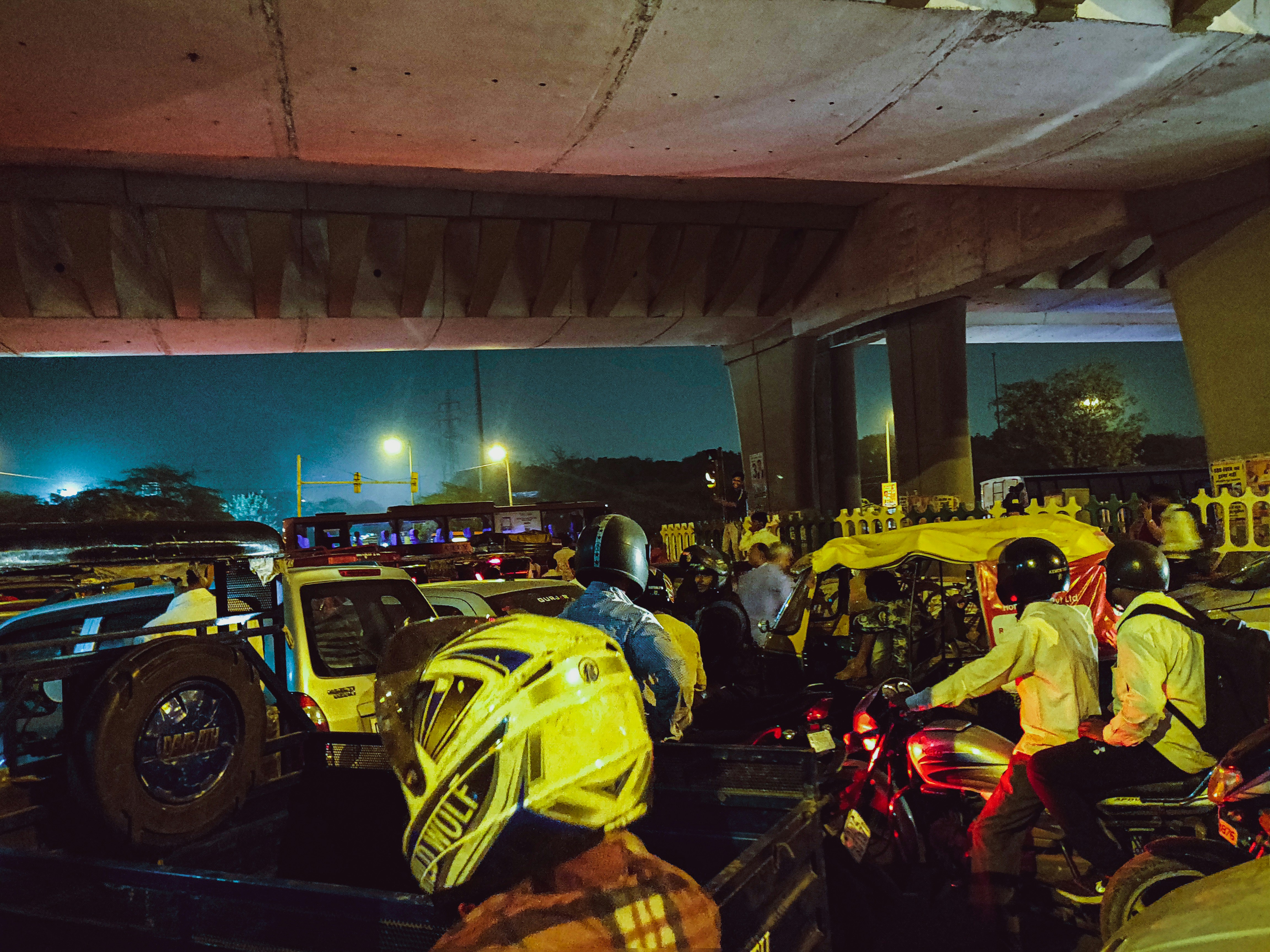
Understanding Traffic Congestion in Patna
Traffic congestion in Patna has become a pressing issue that significantly impacts daily life and the environment. The city, which has witnessed rapid population growth over the past few decades, now faces challenges that stem from an increasing number of vehicles on its roads. Urbanization has led to the construction of more residential, commercial, and industrial spaces, which subsequently attracts a larger workforce and contributes to the rise in vehicle density. As more people move into Patna for better opportunities, the existing roadway infrastructure struggles to accommodate this influx, leading to significant bottlenecks and delays.
Furthermore, the city’s infrastructure is often outdated and ill-equipped to manage the current traffic flow. Many arterial roads are narrow and poorly maintained, which exacerbates traffic congestion. The absence of efficient public transportation systems also contributes to the problem; without effective alternatives, more individuals rely on personal vehicles to commute. This increase in vehicle usage not only slows down traffic but also amplifies pollution levels, contributing to a range of environmental and health concerns.
Additionally, inadequate urban planning has resulted in poorly organized traffic systems. The lack of coordinated traffic management, such as synchronized traffic lights and dedicated lanes for public transport, further complicates the situation. The combination of these elements creates a cycle of congestion that is difficult to break without strategic intervention. Moreover, the resulting air pollution from increased vehicle emissions poses serious health risks to the population. Thus, understanding the root causes of traffic congestion in Patna is crucial for devising effective solutions.
The Impact of Traffic Congestion on Pollution
Traffic congestion is a prevalent issue in Patna, significantly affecting air quality and public health. As vehicles gather in dense traffic, they produce a multitude of harmful emissions that contribute to air pollution. According to recent statistics, Patna is among the top cities in India experiencing severe air quality degradation, largely due to vehicular emissions. Reports indicate that the levels of particulate matter (PM) and nitrogen oxides (NOx) in the air frequently exceed acceptable limits, which poses serious health risks to the population.
The correlation between traffic congestion and pollution levels is evident. During peak hours, when the volume of vehicles is at its highest, emissions escalate sharply. For instance, a study revealed that emissions of carbon monoxide (CO) can rise by up to 30% during traffic jams compared to free-flowing conditions. This spike contributes to a higher concentration of air pollutants experienced by residents, which can lead to various health issues ranging from respiratory problems to cardiovascular diseases.
Moreover, the impact of traffic congestion extends beyond immediate air quality concerns. Prolonged exposure to elevated pollution levels can lead to long-term health implications, affecting vulnerable groups such as children, the elderly, and those with pre-existing health conditions. In addition to health risks, the economic burden of increased healthcare costs due to pollution-related illnesses is significant, further emphasizing the urgency of addressing this issue.
Given these alarming statistics and health implications, it is essential to explore innovative solutions to mitigate traffic congestion and reduce its environmental impact. The interplay between traffic management and pollution control must be a priority for local authorities to secure a healthier future for Patna’s residents.
Introduction to Artificial Intelligence in Urban Planning
Artificial Intelligence (AI) has emerged as a critical component in urban planning, particularly in the context of traffic management and environmental sustainability. By leveraging advanced technologies such as machine learning and data analytics, cities around the globe are transforming their transportation systems, leading to increased efficiency and reduced pollution levels. Urban areas, characterized by their dense population and complex infrastructure, face significant challenges related to traffic congestion and air quality. AI offers innovative solutions to analyze vast amounts of data, enabling city planners to create smarter, more adaptable urban environments.
Machine learning algorithms play a pivotal role in traffic management by predicting traffic flow and identifying patterns based on historical and real-time data. These insights allow for the timely optimization of traffic signal timings and the establishment of efficient routes for public transport. Through predictive analytics, urban planners can anticipate congestion hotspots and proactively implement measures to alleviate traffic pressure, contributing to a more sustainable urban landscape.
Additionally, AI-driven platforms can assist in public outreach and engagement by providing citizens with real-time information regarding travel conditions, public transportation options, and sustainable travel practices. This promotes an informed community that can make better choices regarding their transportation methods, further influencing the reduction of traffic congestion and air pollution.
Moreover, integrating AI in urban planning extends beyond traffic management. AI technologies facilitate improved logistics, emergency response systems, and the implementation of smart infrastructure, all aimed at enhancing the urban experience. As cities increasingly adopt these AI solutions, they pave the way for more resilient, livable, and environmentally friendly urban environments, ultimately shaping the future of urban transportation and planning.
AI-Powered Traffic Management Systems
Artificial Intelligence (AI) has emerged as a pivotal component in modern traffic management systems, offering innovative solutions to the challenges of congestion and pollution in urban areas. One prominent application of AI in traffic management is adaptive traffic signal control. This technology employs algorithms that analyze real-time traffic data to optimize signal timings dynamically. As a result, traffic flows more smoothly, reducing waiting times at intersections and ultimately mitigating congestion.
Another significant facet of AI-powered traffic management is real-time traffic monitoring. Systems equipped with AI can process data from various sources such as cameras, sensors, and GPS devices. This data enables traffic management centers to assess road conditions and traffic volumes continuously, allowing for swift responses to emerging issues like accidents or unexpected congestion. For instance, cities like Barcelona have implemented such AI-based solutions, which not only improve traffic flow but also enhance overall urban mobility.
Predictive modeling is yet another AI capability that plays a vital role in traffic management. By analyzing historical data and current traffic conditions, AI systems can forecast traffic patterns and identify potential congestion hotspots before they occur. This proactive approach allows city planners and traffic authorities to implement preemptive measures, such as rerouting vehicles or advising drivers of alternative routes, thus minimizing congestion before it escalates. A notable example can be found in Los Angeles, where predictive analytics have led to significant reductions in traffic delays, showcasing the effectiveness and potential of AI-driven strategies in urban settings.
Overall, incorporating AI-powered traffic management systems presents a promising avenue for reducing traffic congestion and pollution in cities like Patna. By learning from the successful implementations in other metropolitan areas, local authorities can leverage these advanced technologies to create a more efficient and sustainable urban environment.
Enhancing Public Transportation with AI
Artificial Intelligence (AI) offers transformative opportunities for public transportation systems in metropolitan areas like Patna. One of the most significant impacts of AI is its ability to optimize routes. By analyzing traffic patterns, commuter behavior, and historical data, AI systems can determine the most efficient paths for buses and other public transport vehicles. This results in reduced travel times and minimized delays, making public transport a more feasible option for residents.
In addition to route optimization, AI can enhance schedule prediction. Advanced algorithms can assess various factors, including weather conditions and rush hour traffic, to predict arrival and departure times with improved accuracy. This predictive capability allows commuters to better plan their journeys, reducing wait times at bus stops and increasing overall satisfaction with public transit services, thereby encouraging more residents to rely on these systems.
Moreover, the user experience can be significantly improved through AI applications. Mobile apps powered by AI can provide real-time updates on bus locations and estimated arrival times. Such technology makes it convenient for passengers to access information swiftly, which fosters greater trust in the reliability of public transportation. Furthermore, AI can facilitate personalized travel recommendations based on user preferences, encouraging higher patronage of buses and other transit options.
Ultimately, the integration of AI into public transportation in Patna could not only streamline operations but also raise the quality of service provided to residents. By making public transit more efficient and user-friendly, Patna can encourage more individuals to opt for buses or trains over private vehicles, thereby reducing traffic congestion and pollution in the city.
Smart Traffic Monitoring and Regulation
In recent years, the implementation of AI-driven technologies, such as drones and smart traffic cameras, has become instrumental in addressing traffic congestion in urban areas like Patna. These technologies provide real-time monitoring of traffic conditions, allowing for swift interventions by authorities. By utilizing advanced image recognition capabilities, smart traffic cameras are able to detect traffic density, identify congested areas, and even recognize license plates to track the movement of vehicles within the city.
Moreover, drones equipped with specialized sensors can survey large areas quickly, capturing comprehensive data on traffic patterns and identifying problem areas more efficiently than traditional methods. This aerial perspective is invaluable, as it allows city planners and traffic management teams to visualize traffic flows and make informed decisions to alleviate congestion.
AI algorithms play a crucial role in processing the vast amounts of data collected by these devices. By analyzing this information, traffic management systems can optimize signal timings, implement dynamic traffic routing, and suggest alternative paths for drivers, ultimately improving the overall flow of vehicles. For instance, during peak hours, AI systems can adjust traffic signals to minimize bottlenecks, helping to ease congestion and reduce travel times.
In addition to improving traffic flow, smart technologies contribute significantly to reducing pollution levels in Patna. By facilitating smoother traffic movements, they decrease the idling time of vehicles, which in turn lowers emissions of harmful pollutants. Consequently, the adoption of smart traffic monitoring and regulation systems is essential not only for improving transportation efficiency but also for promoting environmental sustainability in the city.
Ultimately, as Patna continues to evolve, the integration of AI-driven traffic management solutions represents a proactive approach to addressing the challenges of congestion and pollution. By harnessing these technologies, city authorities can create a more efficient and environmentally friendly urban environment for all residents.
Incentivizing Green Transportation Options through AI
The integration of Artificial Intelligence (AI) in urban planning and management has the potential to significantly encourage green transportation alternatives, including electric vehicles (EVs) and cycling. By employing smart technology solutions, cities like Patna can foster an environment conducive to sustainable transit.
One compelling application of AI is in the development of smart parking systems. These systems can analyze real-time data to optimize parking spaces for EVs, directing drivers to available charging stations that are strategically located throughout the city. By offering reduced parking fees for electric vehicles, municipalities can further motivate residents to choose EVs over traditional fuel-powered cars. This transition not only aims to reduce air pollution but also aims to take advantage of dwindling fossil fuel resources, aligning with environmental sustainability goals.
Moreover, AI-driven platforms can facilitate the establishment of cycle-sharing programs that make cycling more accessible. By using data analytics and machine learning algorithms, cities can assess user demand and optimize bike repositioning. AI can suggest routes and provide real-time information about bike availability and infrastructure, making cycling a more appealing option. Such initiatives can be gently promoted through local campaigns that highlight health benefits, cost savings, and environmental impacts.
Furthermore, partnerships between local governments and private corporations can lead to substantial investment in EV charging infrastructure as facilitated through AI-driven predictive analytics. This can ensure that charging stations are built in the most utilized areas, further solidifying the case for switching to electric vehicles. By incentivizing a shift towards EVs and cycling through advanced technologies, cities can take crucial steps toward lessening traffic congestion and mitigating pollution effectively.
Future Perspectives: Implementing AI Solutions in Patna
The implementation of artificial intelligence (AI) solutions in Patna offers promising avenues for addressing traffic congestion and pollution, but it also brings several challenges that must be navigated carefully. One of the primary hurdles is the financial aspect. For effective AI integration into urban mobility systems, significant funding is required not only to develop the necessary technologies but also to maintain and upgrade existing infrastructure. The local government may need to allocate substantial resources, and exploring partnerships with private entities could provide additional financial backbone.
Another critical challenge lies within the infrastructural landscape of Patna. The current state of road networks, traffic signals, and public transit is often outdated. For AI systems to function optimally, the underlying infrastructure must be equipped to support advanced technologies such as real-time traffic data collection and analysis. In many cases, this involves upgrading sensors, communication networks, and traffic management systems, which can be a time-consuming and costly endeavor.
Regulatory hurdles also present a noteworthy challenge. Legislation related to transportation and technology needs to evolve to accommodate the new paradigms introduced by AI. Policymakers must ensure regulations support innovation while also safeguarding public interests, particularly regarding data privacy and security. Engaging stakeholders from various sectors, including transportation authorities, urban planners, and local communities, could facilitate smoother transitions and policy formulation.
Despite these challenges, the long-term benefits of implementing AI solutions in Patna are substantial. Enhanced urban mobility through AI can lead to decreased traffic congestion and lower pollution levels. Predictive analytics can optimize traffic flow, while smart public transportation systems can encourage increased usage, reducing reliance on private vehicles. The successful integration of AI, therefore, holds the potential to significantly improve the quality of life in Patna, paving the way for a sustainable future.
Conclusion: The Path Forward for Patna
As Patna encounters the dual challenges of traffic congestion and pollution, the integration of artificial intelligence offers a beacon of hope for the city’s future. AI technology can play a crucial role in developing efficient traffic management systems that can analyze real-time data to optimize traffic flow, thereby alleviating congestion. Moreover, AI-driven solutions have the potential to monitor pollution levels and introduce smart initiatives for lowering emissions, which is essential for the health and wellbeing of Patna’s citizens.
The collaboration among government agencies, technology companies, and the community is imperative for the successful implementation of these AI innovations. Local governments should not only facilitate the necessary infrastructure for AI but also actively seek partnerships with tech firms that specialize in smart city solutions. Such collaborations can lead to the creation of tailored applications that address specific needs within Patna, providing real-time solutions to dynamic urban challenges.
Citizens also play a pivotal role in this transformative journey. By participating in community discussions and voicing their concerns, residents can contribute insights that may not be captured through traditional data metrics. Their engagement in encouraging sustainable practices such as public transport usage or carpooling can significantly impact overall traffic patterns and pollution levels.
In conclusion, tackling the pressing issues of traffic congestion and pollution in Patna is undoubtedly a multifaceted challenge. However, through strategic alliances and the application of AI technologies, the city can pave the way toward a more sustainable and efficient urban environment. This collective effort will not only elevate the quality of life for Patna’s citizens but also set a precedent for other cities facing similar challenges.