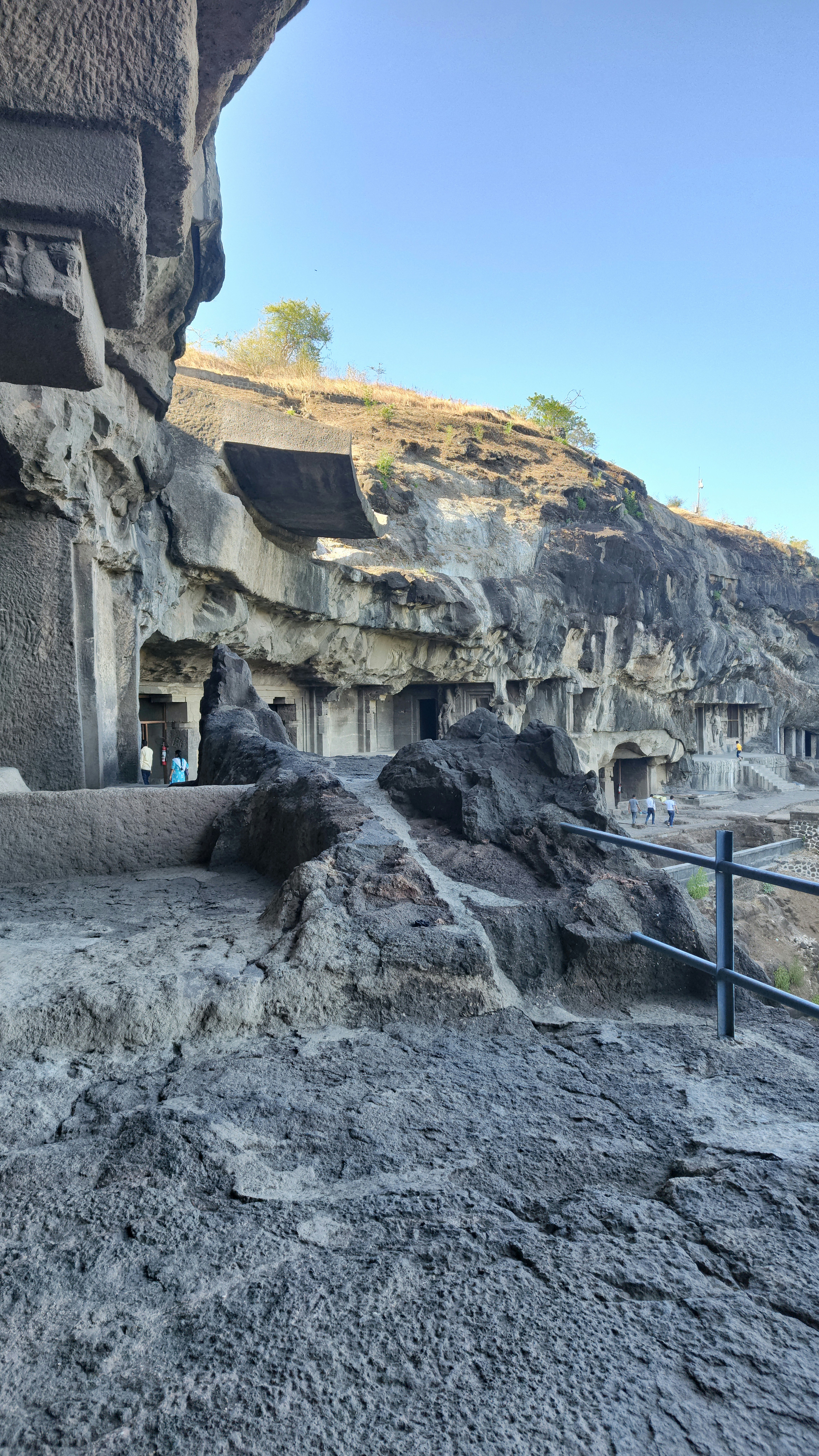
Introduction to Elephanta Caves and Their Significance
The Elephanta Caves, situated on Elephanta Island near Mumbai, India, represent an enthralling glimpse into the rich tapestry of ancient Indian architecture and religion. Dating back to the 5th to 8th centuries, these rock-cut caves showcase a remarkable blend of artistry and devotion, primarily dedicated to the Hindu deity Shiva. This UNESCO World Heritage Site comprises a series of temples and sculptures intricately carved from solid basalt rock, showcasing the advanced skills possessed by ancient artisans.
The significance of Elephanta Caves extends beyond their stunning aesthetic; they embody the spiritual essence of Hindu mythology and depict various narratives that illustrate divine themes, the most notable being the monumental Trimurti, which portrays a three-headed figure of Lord Shiva. This captivating depiction not only reflects the complexity of Hindu belief systems but also serves as a testament to the cultural importance of the site during its prime, when it attracted pilgrims and scholars alike.
Moreover, the caves provide invaluable insight into the historical spread of Hinduism and its influences in the region, integrating local folklore with universal themes of faith and reverence. The Elephanta Caves, thus, are not just a singular destination; they symbolize an intersection of artistry, spirituality, and history. As modern technology continues to evolve, the potential for innovative experiences through augmented reality (AR) and virtual reality (VR) sets an exciting stage for how visitors can engage with this rich heritage. Such advancements possess the ability to enhance understanding and appreciation of the site’s historical context, making the Elephanta Caves an enduring subject of fascination for generations to come.
The Evolution of AR and VR Technology in Tourism
Over the past decade, Augmented Reality (AR) and Virtual Reality (VR) technologies have undergone significant transformations, particularly within the tourism sector. Initially regarded as niche technologies primarily used in gaming and entertainment, AR and VR have increasingly found applications in various fields, including travel and tourism. The introduction of advanced hardware, such as affordable VR headsets and smartphone applications capable of rendering AR experiences, has made these technologies accessible to a wider audience.
AR technology overlays digital information onto the physical world, while VR creates fully immersive environments, offering unique opportunities for travelers. Many tourist destinations have begun to harness these capabilities to enhance visitor experiences, providing engaging and informative interactions with cultural heritage sites, museums, and natural wonders. For instance, AR can allow tourists to point their smartphones at historical landmarks to receive real-time information, enhancing their understanding of the place’s significance.
Furthermore, VR offers users the chance to experience destinations in immersive ways before planning a visit. Virtual tours of major attractions can simulate the feeling of being on-site, including sights, sounds, and even scents. This capability not only assists in informing potential travelers about their destinations but also serves as a powerful tool for marketing, enabling tourism businesses to showcase unique experiences.
However, the evolution of AR and VR in tourism is not without challenges. The technologies require ongoing investment in development and maintenance, as well as acceptance by various stakeholders in the travel industry. Despite these hurdles, the growing trend towards digitization and personalization within tourism presents an opportunity for AR and VR to establish themselves as integral components of enriching traveler experiences.
Understanding the 2026 3DGS and Diffusion Technology
As we envision the future of tourism, particularly in cultural heritage sites such as the Elephanta Caves, the anticipated advancements in 3D Graphics Solutions (3DGS) and diffusion technology by 2026 promise to transform visitor experiences. 3DGS is a framework that utilizes sophisticated algorithms and rendering techniques to create lifelike simulations and immersive environments. These solutions leverage high-definition visualization capabilities, allowing for detailed representations of intricate stone carvings and ancient architectural features found in the Elephanta Caves.
The integration of diffusion technology further enhances these simulations. This technology goes beyond simple 3D modeling by incorporating real-time environmental interactions and dynamic lighting effects, which mimic natural phenomena in ways that were previously unattainable. For instance, diffusion technology can simulate the soft glow of ambient light reflecting off stone surfaces, accurately portraying how these elements would appear under various lighting conditions. This hyper-realistic rendering fosters a deeper connection between the visitors and the cultural artifacts, leading to a more meaningful educational experience.
Such advancements in 3DGS and diffusion technology enable tourists to engage with heritage sites on a much more personal level. By virtually stepping into the past, visitors can explore not just the artifacts, but also the historical context behind them. This immersive approach paves the way for interactive storytelling, where users are given the opportunity to uncover the narratives of the past through their avatars. The educational aspect is significantly magnified, as tourists can delve into their learning journeys while navigating through realistic simulations of the Elephanta Caves.
Conceptualizing the AI Recreation of Elephanta Caves
The Elephanta Caves, a UNESCO World Heritage Site, exhibit intricate rock-cut sculptures that date back to the 5th to 8th centuries. To envision a future where these historical treasures are accessible to a wider audience, integrating artificial intelligence (AI) with augmented reality (AR) and virtual reality (VR) technologies becomes essential. This convergence can facilitate an immersive experience that engages users while preserving the authenticity of the site.
The planning stages of this ambitious project start with digital archiving of original artworks and sculptures. By using advanced scanning technologies, every detail of the cave’s carvings and paintings can be precisely documented. These digitized assets will serve as a foundation for the AR/VR recreation, ensuring that the representations remain true to the original aesthetics and historical context. Such archives not only preserve the current state of the caves but also allow for future modifications, enhancing the educational aspect of the visitors’ experience.
Additionally, understanding the cave layouts is critical for an engaging virtual tour. AI can analyze existing spatial data to accurately reconstruct the cave interiors, which can be explored by users in a simulated environment. Understanding the flow of visitors and the spatial relationship between various sculptures will guide the development of interactive narratives, enriching the educational elements provided to tourists.
Integrating historical narratives into the AR/VR experience is another significant factor. By collaborating with historians and archaeologists, the application can offer context and insights while users navigate through the virtual Elephanta Caves. This storytelling approach not only captivates the audience but promotes a deeper appreciation for the cultural heritage represented in the caves. The potential for AI to revolutionize the preservation and presentation of the Elephanta Caves is immense, paving the way for innovative tourism practices that respect and honor the past.
Potential Benefits of AI-Driven AR/VR Experiences for Tourists
The integration of Artificial Intelligence (AI) in Augmented Reality (AR) and Virtual Reality (VR) tourism experiences presents numerous advantages that can significantly enhance the overall experience for tourists visiting Navi Mumbai’s Elephanta Caves. One of the most compelling benefits is improved accessibility. AI-powered AR/VR tools can provide a more inclusive experience for visitors with disabilities, offering customizable features such as voice navigation, visual aids, and interactive guides that adapt to individual needs.
Furthermore, these technologies create exceptional educational opportunities that enrich a visitor’s understanding of the historical and cultural significance of the Elephanta Caves. AI-driven simulations and immersive storytelling can bring ancient tales to life, allowing tourists to engage with the site on a deeper level. Enhanced interactive features can facilitate learning through gamification, quizzes, and historical reenactments, making the educational aspect both enjoyable and memorable.
In terms of visitor engagement, AI-enhanced AR/VR experiences captivate tourists far beyond traditional tours. With the capacity to tailor narratives and experiences to individual preferences, visitors can choose specific paths and themes that resonate with their interests. This personalized approach can lead to increased satisfaction and a positive impact on word-of-mouth recommendations.
Moreover, incorporating AI in AR/VR initiatives plays a crucial role in preserving the historical integrity of sites like the Elephanta Caves. By creating accurate digital replicas and interactive layers that overlay historical contexts, these technologies allow visitors to appreciate the site’s grandeur without contributing to physical degradation. In this way, future generations can also benefit from preserved cultural heritage in a sustainable manner.
Ultimately, the potential benefits of AI-driven AR/VR experiences for tourists are multifaceted, encompassing greater accessibility, rich educational content, heightened visitor engagement, and the preservation of historical integrity, making it an attractive option for enhancing tourism in Navi Mumbai.
Challenges in Implementing AI and AR/VR Technology
As the potential for integrating artificial intelligence (AI) and augmented reality/virtual reality (AR/VR) technologies into tourism experiences, such as those at the Elephanta Caves, grows, various challenges emerge that warrant careful consideration. One significant hurdle lies in the technical infrastructure required to support these advanced technologies. The implementation of AI and AR/VR systems necessitates high-quality hardware and software, reliant on robust internet connectivity and high-performance processing capabilities. In many locations, inadequate technological infrastructure can impede the deployment of these innovations, limiting their effectiveness and scalability.
Another major concern is the preservation of authenticity. As AR/VR experiences often involve altering or enhancing the representations of historical sites, striking a balance between immersive experiences and the true essence of the Elephanta Caves becomes critical. Tourists may become enamored with the augmented aspects of a digital presentation, which could overshadow their appreciation of the genuine cultural and historical significance of the location. Thus, ensuring that AI-powered enhancements do not compromise the authenticity of visitor experiences is essential for preserving the integrity of cultural heritage.
Moreover, the financial costs associated with the development and maintenance of sophisticated AR/VR applications can be substantial. Organizations often face significant investments in software development, content creation, and ongoing updates to keep pace with technological advancements and user expectations. Such costs may deter smaller operators from adopting these technologies, resulting in inconsistent levels of engagement across the tourism sector.
Finally, the success of AI and AR/VR in enhancing tourism hinges on the ability to effectively engage visitors. Creating captivating and interactive experiences requires a deep understanding of tourists’ preferences and behaviors. Failure to meet these expectations can lead to disinterest or dissatisfaction, undermining the potential benefits of technology in enriching visitor experiences at destinations like the Elephanta Caves.
Feedback from Early Prototypes and Pilot Programs
The implementation of augmented reality (AR) and virtual reality (VR) technologies in tourism, particularly at cultural sites like the Elephanta Caves, has garnered insightful feedback from various stakeholders, including tourists, educators, and cultural experts. Initial pilot programs have revealed both the potential advantages and challenges of integrating these advanced technologies into the experiential landscape of heritage tourism.
Tourists have expressed a general enthusiasm for AR/VR experiences, highlighting how such technologies can enrich their understanding of historical contexts and enhance their engagement with ongoing narratives at cultural sites. Many participants noted that immersive experiences enabled by VR offer a unique opportunity to witness key events and elements of history that would otherwise be overlooked in traditional tours. Feedback indicates that the ability to visualize long-gone architectural styles or hear stories from historical figures significantly elevates the perceived value of their visits.
Educators using AR and VR for field trips have reported increased levels of student engagement and retention of information. Schools that piloted these programs found that interactive virtual visits facilitated comprehensive learning experiences about culture and geography, making lessons far more compelling for students. These educators highlighted that such technologies allow for a broader reach, where students can explore locations virtually that might not be accessible due to geographical or financial constraints.
However, this feedback was not without its critiques. Some cultural experts cautioned against the risk of over-commercialization, stressing the importance of preserving the cultural authenticity of the site. They expressed concerns regarding the balance between entertainment and educational content, urging that AR and VR applications should be carefully curated to maintain fidelity to the historical significance of the Elephanta Caves.
Overall, the insights gathered from these early prototypes indicate a promising future for AR/VR in tourism, underscoring the need for continued collaboration among technologists, cultural custodians, and academic institutions to refine these experiences further.
Future Prospects for AR/VR Tourism in India
The integration of Augmented Reality (AR) and Virtual Reality (VR) in tourism presents promising opportunities for India, a country rich in history and cultural heritage. As technologies continue to evolve, the potential for immersive experiences at historical sites like the Elephanta Caves will likely expand, positioning India as a leader in innovative tourism. Future projects may leverage AR/VR to create engaging narratives that transport visitors back in time, allowing them to experience significant events and interact with historical figures in an unprecedented manner.
Various historical landmarks across India could benefit from similar implementations. For instance, sites like the Taj Mahal, Hampi, and Jaipur’s forts may incorporate advanced tech to create personalized tour experiences that cater to diverse tourist preferences. These advancements could enhance educational value, as tourists engage with the history and art of these monuments through interactive platforms. Moreover, the potential integration of Artificial Intelligence (AI) can provide real-time information, guiding visitors with tailored insights based on their interests.
Adopting AR/VR technology might also influence the marketing strategies for India’s tourism sector. As potential travelers are exposed to these innovative experiences through social media and dedicated applications, they may be encouraged to visit a range of historical sites, ultimately increasing footfall. Additionally, such initiatives can contribute to preserving cultural heritage by reducing physical wear and tear on ancient structures, as virtual tourism can provide alternatives without compromising the integrity of historical sites.
In this manner, the future landscape of AR/VR tourism in India appears bright, promising not only to enrich the visitor experience but also to bolster the nation’s position on the global tourism map.
Conclusion: The Future of Tourism and Cultural Preservation
The intersection of tourism and advanced technologies, particularly artificial intelligence (AI) and augmented/virtual reality (AR/VR), presents a transformative opportunity for the landscape of cultural preservation and visitor engagement. As we explore the future of tourism in destinations like the Elephanta Caves, it becomes clear that these innovations can enhance educational experiences while simultaneously safeguarding our cultural heritage.
AI plays a crucial role in personalizing the visitor experience. By analyzing data on visitor preferences and behaviors, AI can help create tailored experiences that resonate with individuals, making cultural sites more engaging and relevant. For instance, an AI-driven application could provide customized tours that highlight specific aspects of the caves’ intricate sculptures or historical significance based on a visitor’s interests. This emphasis on personalization not only enriches the educational aspect of the visit but also fosters a deeper appreciation for the significance of cultural sites.
Moreover, AR/VR technologies can transport visitors to an immersive world where they can engage with history in dynamic ways. For example, by utilizing AR applications, visitors can see reconstructions of the Elephanta Caves as they once were, witness performances recreating ancient rituals, or interact with virtual guides providing context for the artistic and historical narratives depicted in the caves. Such experiences enhance understanding and promote a more interactive form of learning.
The synergistic effect of these technologies extends beyond mere entertainment; it actively contributes to the preservation of cultural heritage. By engaging a wider audience through innovative means, we generate interest and encourage stewardship among visitors, which is vital for the safeguarding of such sites. As we look towards the future, integrating AI and AR/VR into tourism offers the promise of preservation and enrichment that respects the past while innovatively shaping the experiences of future generations.