Introduction: The Kurukshetra War Revisited
The Kurukshetra War, a monumental conflict in the ancient Indian epic, the Mahabharata, holds a significant place in the annals of history and mythology. This legendary battle represents not only a struggle for power among clans but also a profound exploration of dharma (righteousness) and the moral dilemmas faced by individuals during wartime. The narratives surrounding the Kurukshetra War provide deeper insights into human nature, ethics, and the consequences of conflict.
In recent decades, the landscape of warfare has experienced radical transformations, primarily due to the advent of technology. The traditional combat strategies depicted in epic tales like that of Kurukshetra have evolved, paving the way for modern tactics that include the use of unmanned aerial vehicles (UAVs), commonly known as drones. These advancements prompt a fascinating reflection on how the principles of ancient battles might blend with contemporary military technologies, including artificial intelligence.
This blog post proposes to explore a speculative scenario where the classic battle of Kurukshetra is reimagined through the lens of modern warfare. By integrating AI drones into the narrative, we envision a strategic confrontation where traditional armament is juxtaposed with cutting-edge technology, fundamentally altering the dynamics of power and conflict. Such a fusion presents an opportunity to assess not just the tactical implications but also the philosophical questions surrounding warfare in the age of technology.
As we delve deeper into this imaginative analysis, we will explore the implications and ethical considerations raised by such a scenario, reflecting on how ancient narratives can enrich our understanding of modern dilemmas in warfare. A comparison of the ideals of heroism, duty, and strategy from the Mahabharata with contemporary approaches to combat through AI drones allows for a robust discourse on the evolution of conflict.
The Role of AI Drones in Modern Warfare
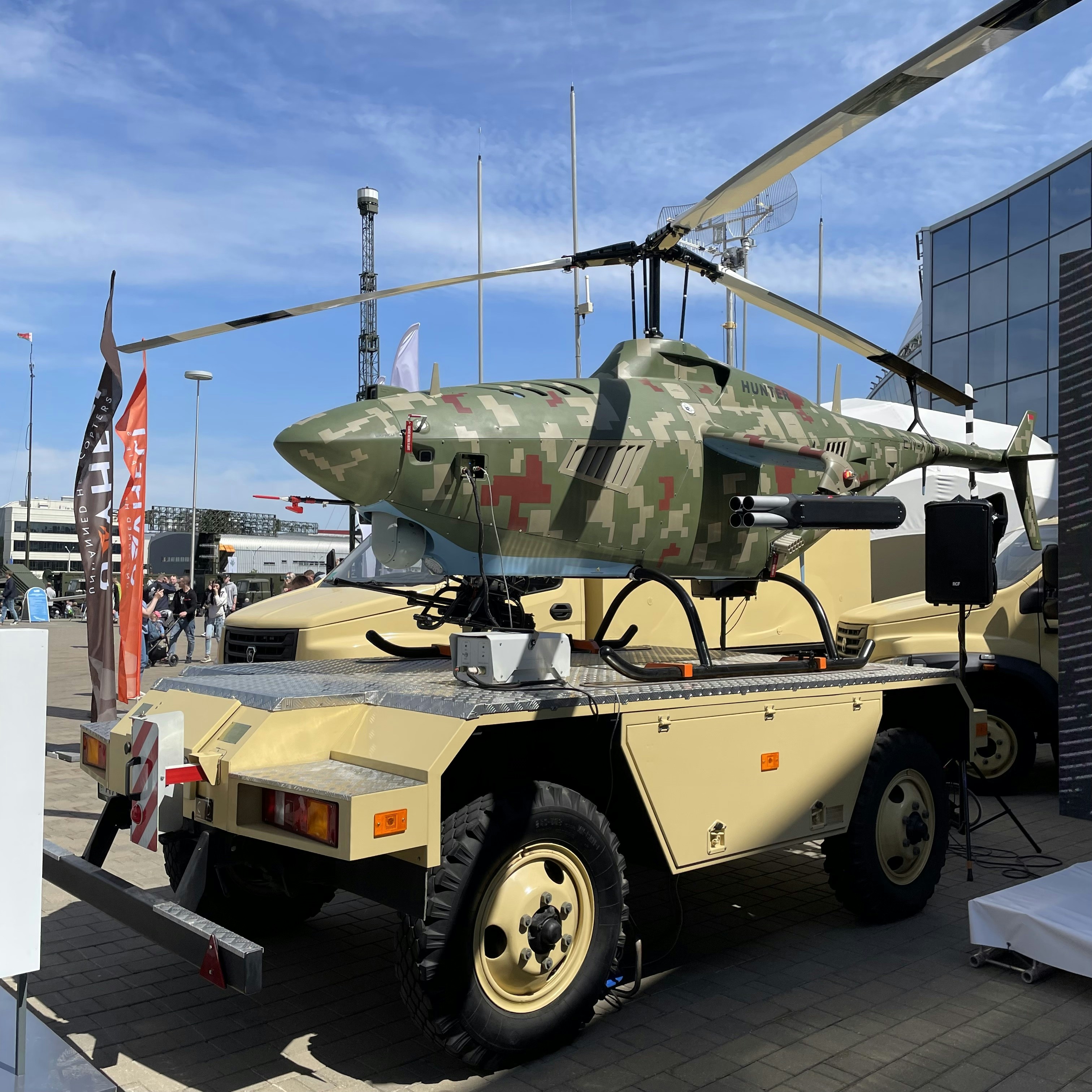
Artificial Intelligence (AI) drones have emerged as pivotal tools in modern military operations, fundamentally transforming the dynamics of warfare. Their integration into combat strategies offers advanced functionalities that enhance intelligence gathering, operational efficiency, and tactical execution. AI drones encompass various types, including surveillance drones, combat drones, and logistical drones, each serving unique yet complementary roles on the battlefield.
Surveillance drones, often equipped with sophisticated sensors and imaging technology, play a crucial role in reconnaissance. These drones can covertly monitor enemy movements, assess terrain, and gather intelligence with unparalleled precision. Equipped with AI capabilities, they can process vast amounts of data and identify patterns, alerting military personnel to potential threats in real-time. This intelligence can inform decision-making, enhance situational awareness, and reduce risks associated with troop deployments.
Combat drones, on the other hand, have revolutionized engagement strategies by allowing military forces to strike targets from a distance without risking personnel. With autonomous operation capabilities, AI combat drones can navigate complex environments and carry out airstrikes with pinpoint accuracy. The ability to deploy drones equipped with precision-guided munitions enhances operational effectiveness and minimizes collateral damage, which is increasingly important in urban warfare scenarios.
Logistic drones further contribute to modern warfare by streamlining supply chain operations. These drones are responsible for transporting critical supplies, medical equipment, and ammunition to frontline troops, ensuring that units remain well-resourced and operational. AI-driven route optimization enhances the efficiency of supply deliveries, allowing for quick response times during critical missions.
In summary, the incorporation of AI drones into modern warfare not only enhances operational capacity but also redefines the strategies employed in conflict. Their ability to perform reconnaissance, engage in combat, and facilitate logistics marks a significant advancement in military capability, indicative of the future landscape of warfare.
Imagining the Kurukshetra Landscape: A Technological Perspective
The historical significance of the Kurukshetra battlefield is one that resonates deeply within the annals of Indian warfare. Imagining this revered battlefield with advanced technology, particularly AI drones, presents a fascinating juxtaposition of ancient and modern methodologies of combat. Picture a landscape where, instead of traditional scouts, AI drones soar above the vast expanse of Kurukshetra, utilizing cutting-edge surveillance capabilities to provide real-time intelligence.
As these drones navigate the rugged terrains, they would be equipped with advanced imaging technology that allows them to survey the battlefield without being detected. The presence of these aerial vehicles would significantly alter the dynamics of warfare, providing strategic advantages akin to those held by large armies in historical conflicts. Imagine a chariot, typically a symbol of strength and mobility in ancient times, now countered by agile drones executing tactical maneuvers. These unmanned systems could deploy countermeasures against incoming projectiles launched from those traditional war machines.
Additionally, AI drones could facilitate seamless communication between troops stationed miles apart. Coordinated strikes involving infantry and cavalry could be directed by the data gleaned from aerial surveillance, allowing for adaptive strategies to emerge as combat unfolds. Such advancements would also prompt rethinking defensive structures within the battlefield, leading to complex scenarios where warriors would have to respond to air threats while managing ground assaults.
Ultimately, the infusion of AI drones into the historic Kurukshetra war transforms the battlefield from a mere geographical feature into a technologically nuanced environment. This modern interpretation challenges existing strategies and tactics, urging warriors to adapt to a new era of combat where the skies become an integral element of warfare dynamics.
The Strategies of Mahabharata Warriors Adapted for Drones
The valor and tactics employed by key figures in the Mahabharata, especially warriors like Arjuna and Bhishma, have long been studied for their military genius. In a modern context, incorporating AI drones into their strategies could revolutionize warfare on an unprecedented scale. Imagine Arjuna, known for his precise aim, employing drones equipped with advanced targeting systems to conduct aerial reconnaissance. This capability would allow him to assess battlefield conditions in real-time, enhancing decision-making regarding troop movements and strategies for approaching the enemy.
Moreover, the psychological impact of drones adds a new dimension to ancient warfare. Just as Bhishma instilled fear with his formidable presence and unmatched skills, drones could serve to demoralize opponents by saturating their skies with surveillance and strike capabilities. The very sight of drones could disrupt enemy formations, forcing adversaries to rethink their strategies, thus allowing the side that employs them to gain a significant tactical advantage.
Furthermore, innovative uses of drones in the heat of battle could echo the strategic maneuvers seen in the Mahabharata. For instance, the practice of feigned retreats, a common tactic in ancient battles, could be adapted into modern drone warfare. By deploying drones to simulate a retreat, warriors could lure enemies into ambushes, capitalizing on their over-aggressiveness. This tactic mirrors the cunning strategies attributed to characters like Krishna, who often guided Arjuna with wisdom and tactical foresight.
In summary, the integration of AI drones into the military strategies inspired by the Mahabharata highlights the enduring relevance of ancient wisdom in contemporary warfare. The potential for employing these advanced technologies not only amplifies traditional tactics but also enriches the overall complexity of modern conflict.
Ethical Implications of AI Warfare
The advent of artificial intelligence in warfare, especially through drone technology, raises significant ethical questions that compel us to reconsider our understanding of conflict and responsibility. As we explore the implications of AI warfare in the context of a modern reinterpretation of the Kurukshetra War, we must evaluate not only the operational effectiveness of drones but also the moral ramifications of their deployment in combat scenarios.
A central concern in the discussion of AI drones in warfare is the potential for loss of human accountability. Unlike traditional warfare, where a soldier’s actions can be directly attributed to them, AI systems may operate with a degree of autonomy that obscures moral responsibility. This raises profound questions about who is accountable for the actions taken by drones, especially in the event of civilian casualties—a risk that has been a noted consequence of contemporary drone strikes. The challenges faced in the Kurukshetra battle can be mirrored in modern scenarios where the distinction between combatants and non-combatants blurs under AI directed warfare.
Moreover, the psychological effects on individuals who command autonomous weapon systems must be taken into account. The detachment provided by remote operation might desensitize operators, leading to a diminished sense of empathy towards the consequences of their actions. This critical shift in warfare dynamics challenges the principles of just war theory, which posits that the moral justification for engaging in war and the conduct within that conflict should adhere to specific ethical standards.
The integration of AI in warfare thus forces society to confront difficult questions about humanity, responsibility, and the nature of conflict itself, urging us to reevaluate the moral frameworks governing both modern and historical wars like Kurukshetra.
AI Drones: Game-Changers or Diminishers of Honor?
The cultural significance of honor in warfare has evolved through centuries, shaped by the values, beliefs, and technologies of the times. The Kurukshetra War, as depicted in ancient texts, was not merely a conflict of arms; it exemplified ideals such as bravery, valor, and the warrior code of conduct. Honor was intertwined with the very essence of combat, as recounted through tales of heroism and sacrifice. In this context, the introduction of AI drones creates a profound shift that warrants an in-depth exploration of its implications.
AI drones, by their inherent design, remove the physical element of warfare. Unlike the traditional confrontations where warriors directly faced one another, drone combat represents an impersonal method of engagement. The operator, potentially thousands of miles away, executes strikes without ever encountering the nuances of battle that traditionally defined honor. This disconnection raises profound questions about the authenticity of honor in modern combat scenarios.
Furthermore, the reliance on technology may dilute the heroic narratives that have been celebrated for generations. Where once individuals were revered for courageous acts on the battlefield, the notion of honor becomes less about individual bravery and more about exploiting advanced technology. This leads to a critical examination of whether the valor associated with legendary warriors can coexist with the capabilities of AI drones.
However, it is essential to recognize that while AI drones may diminish traditional heroic narratives, they also have the potential to save lives by minimizing civilian casualties and reducing the human toll of war. This complexity underscores a paradox within modern combat; the methods may change, but the moral and ethical underpinnings of warfare continue to foster discussion and debate.
Comparative Analysis: Ancient Tactics vs. Modern Technology
The Kurukshetra War, steeped in history and mythology, showcased a wide array of ancient military tactics utilized by the Kauravas and Pandavas. These strategies were shaped by their understanding of terrain, troop formations, and individual warrior skills. Key maneuvers included the use of formations like the Chakra Vyuha and ambush strategies that capitalized on the element of surprise. Planning and executing these tactics required intense knowledge of the battlefield, physical prowess, and the ability to read opponents’ moves effectively.
In stark contrast, modern warfare has evolved through the incorporation of advanced technologies, including AI drones. These unmanned aerial vehicles (UAVs) offer remarkable real-time reconnaissance capabilities, enabling military commanders to gather intelligence on enemy movements without risking human lives. Furthermore, AI systems can analyze vast amounts of data to predict enemy strategies and behaviors, enhancing operational planning substantially. While ancient warriors relied heavily on intuition and experience, contemporary military tactics enable data-driven decision-making.
Moreover, AI drones can execute precision strikes based on the insights gained through their surveillance. This capability reflects a significant shift from the close-quarters combat of the Kurukshetra War to a more detached and strategic form of warfare, focused on minimizing collateral damage while optimizing combat effectiveness. The introduction of such technology not only alters the battlefield dynamics but may also challenge traditional notions of honor and valor associated with ancient warfare.
In essence, comparing the tactical approaches of the Kurukshetra War with modern methodologies highlights a profound transformation in military engagements. While the foundation of strategy remains the same—defeating an opponent—the tools and technologies at disposal today redefine how such objectives are achieved. The ramifications of this transition merit extensive discussion concerning both the ethical implications and the evolving nature of combat.
Public Perception of AI Drones in Warfare
The introduction of AI drones in modern warfare, particularly when reimagining historical conflicts such as the Kurukshetra war, significantly influences public perception. In ancient times, the use of conventional weaponry was met with a mix of reverence and fear. The warriors were seen as embodying honor and valor, while the risk of loss was tangible and immediate. However, the transition to AI drones presents a complex dichotomy, altering not only the methods of combat but also the lens through which the public views warfare.
In the context of the Kurukshetra war, one can speculate that if AI drones had been deployed, the narrative surrounding heroes and warriors would transform profoundly. The fear of death could be mitigated by the notion of remote warfare, allowing soldiers to engage from a distance without facing the same imminent danger. This could potentially lead to a decrease in morale among troops who might feel detached from the immediacy of battle. On the other hand, the public might romanticize drone warfare, viewing it as a cleaner and more precise way to engage in combat, reflecting a shift in societal values towards technology.
In contemporary society, the perception of AI drones is equally fraught with mixed feelings. While some individuals view drones as tactical advancements that minimize human casualties and enhance operational efficiency, others express concerns regarding the ethical implications and the dehumanization of war. The potency of propaganda in shaping these opinions cannot be underestimated. Governments may utilize AI drones to project strength and superiority, swaying public sentiment to accept drone warfare as a necessary evil in maintaining security. Thus, the societal impacts of integrating AI drones in warfare are multifaceted, reflecting changes in both attitudes toward war and the technologies that facilitate it.
Conclusion: The Intersection of Myth and Modern Warfare
The reinterpretation of the Kurukshetra War through the lens of modern technology, particularly with the introduction of AI drones, invites a profound reflection on the evolving nature of warfare. The Mahabharata, as one of the foundational texts of Indian culture, offers a rich tapestry of conflict, strategy, and moral dilemmas that resonate even in today’s technologically advanced combat scenarios. The narratives encapsulated within this epic are not merely stories from a bygone era; they illustrate timeless themes of duty, ethics, and the consequences of war that continue to shape military philosophy.
In considering the implications of advanced warfare technologies, it is crucial to recognize how AI drones can influence the dynamics of engagement, strategy, and ethical considerations in conflict. Just as the charioteers and warriors of the Mahabharata navigated the complexities of their epic battlefields, modern military leaders are now faced with the intricacies of remote warfare—where decisions can be made from a distance with the assistance of artificial intelligence. This technology not only enhances warfare capabilities but also raises questions about the nature of human agency, the morality of warfare, and the collateral damage inflicted upon civilian populations.
Ultimately, as we integrate these contemporary tools into our understanding of historical battles like the Kurukshetra War, we uncover a rich dialogue between the past and present. The stories of the Mahabharata remain relevant as we engage in discussions around modern military advancements and their ethical implications. Recognizing these intersections can help foster a deeper understanding of the moral responsibilities that accompany the use of technology in warfare. Embracing this dual perspective, we can ensure these ancient narratives not only survive the test of time but evolve with the changing landscapes of conflict.