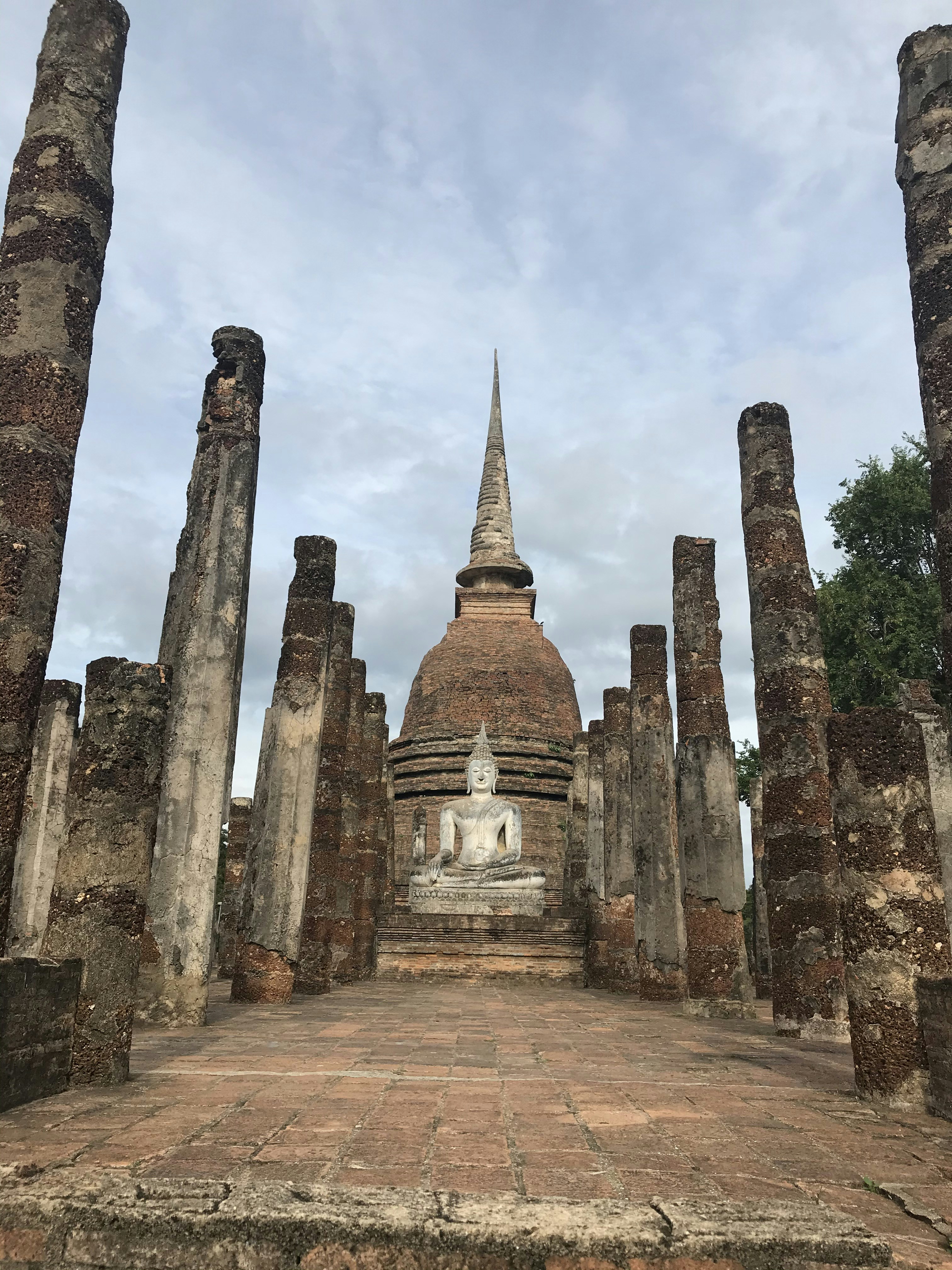
Introduction to Ancient Bihar Knowledge Systems
Ancient Bihar holds a pivotal position in the historical narrative of India, recognized for its profound contribution to various fields of knowledge that have shaped civilization. The region is especially noted for its rich philosophical traditions, medical advancements, and agricultural practices, which collectively form a part of the ancient knowledge systems that continue to influence contemporary thinking and practices.
Philosophy in ancient Bihar was deeply intertwined with spiritual and metaphysical inquiries. Renowned scholars like Gautama Buddha and Mahavira emerged from this region, fostering ideologies that not only addressed existential questions but also emphasized ethics and morality. These philosophical teachings have transcended time, continuing to inspire individuals and movements across the globe.
In the realm of medicine, ancient Bihar was the cradle of Ayurvedic practices, which emphasized a holistic approach to health and well-being. The rich medicinal knowledge, documented in ancient texts, provided insights into herbal remedies and lifestyle practices aimed at preventing ailments. This traditional medical wisdom aligns closely with contemporary movements towards alternative and holistic health approaches, highlighting its relevance in today’s society.
Agriculture, another area of expertise, saw innovative practices that focused on sustainability and crop diversity. Techniques developed in ancient Bihar allowed for effective farming in diverse ecological conditions, promoting food security and agricultural resilience. The enduring principles derived from this agricultural knowledge not only reflect sustainable practices but also inspire modern agricultural methodologies aiming to address current challenges.
Thus, ancient Bihar’s knowledge systems, rooted in philosophy, medicine, and agriculture, remain relevant today, resonating with contemporary endeavors to integrate traditional wisdom with modern advancements. By examining this heritage, one can appreciate the depth and breadth of Bihari intellectual contributions that continue to echo through time.
Understanding Artificial Intelligence
Artificial Intelligence (AI) refers to the simulation of human intelligence processes by machines, particularly computer systems. These processes include learning (the acquisition of information and rules for using it), reasoning (using the rules to reach approximate or definite conclusions), and self-correction. Over the years, AI has evolved significantly, transitioning from simple machine learning algorithms to complex systems capable of understanding, reasoning, and responding to human-like tasks.
The core technologies driving AI’s evolution include machine learning and natural language processing. Machine learning is a subset of AI that focuses on the development of algorithms that enable computers to learn from and make predictions or decisions based on data. This technology has been foundational in applications such as image recognition and recommendation systems. Natural language processing (NLP), on the other hand, enables machines to understand and interpret human language, facilitating interactions between humans and computers. NLP powers applications like chatbots, sentiment analysis, and language translation.
AI operates through various methods, including supervised learning, where algorithms are trained on labeled data, and unsupervised learning, where patterns are identified in unlabeled datasets. Additionally, reinforcement learning involves training algorithms to make sequences of decisions by rewarding desired behaviors. These methodologies underline the versatility and capability of AI to adapt and learn in real-time.
AI’s applicability spans across diverse domains, transforming industries such as healthcare (with predictive analytics and diagnostics), finance (through algorithmic trading and fraud detection), and even agriculture (optimizing crop yields with precision farming). As AI continues to advance, it holds the potential to revolutionize not only these sectors but also enhance our day-to-day experiences.
The Intersection of AI and Traditional Knowledge
The integration of Artificial Intelligence (AI) with traditional knowledge systems presents an unprecedented opportunity to preserve, analyze, and disseminate ancient wisdom. In regions like Bihar, rich in heritage and diverse cultural practices, AI technologies can play an essential role in mapping and digitizing a wealth of information embedded in ancient texts and oral traditions. By converting these resources into digitized formats, AI enhances both their accessibility and relevance in contemporary society.
One of the primary advantages of AI lies in its ability to analyze vast amounts of historical and cultural data swiftly and accurately. AI algorithms can categorize and tag traditional knowledge resources, making them easily searchable and retrievable. For instance, ancient manuscripts and folk tales can be scanned and transcribed, utilizing natural language processing (NLP) techniques to preserve their original context while presenting them in formats suitable for modern audiences. This process not only safeguards these valuable resources but also ensures that they remain relevant to future generations.
Furthermore, machine learning models can identify patterns within traditional knowledge, allowing researchers to gain insights from data that may not be readily apparent through conventional analysis methods. Such insights can inform contemporary practices in various fields, including agriculture, medicine, and environmental conservation, grounding them in historical precedents that have successfully sustained communities through time. This fusion of AI with traditional knowledge also opens avenues for the revitalization of languages and dialects that may be fading, as AI tools can facilitate language learning and promote cultural heritage.
Ultimately, the intersection of AI and traditional knowledge is a promising frontier that underscores the importance of preserving cultural identities while adapting to modern technological advancements. As AI continues to evolve, so too will its capacity to nurture and promote the rich legacies of ancient wisdom, ensuring that they remain integrated within our global knowledge systems.
Case Studies: AI Applications in Reviving Ancient Knowledge
Across the globe, various initiatives have harnessed the power of artificial intelligence to resurrect traditional practices and knowledge systems, showcasing the potential for such technologies to bridge the past and present. A notable example is the Traditional Knowledge Digital Library (TKDL) in India, which employs AI to preserve and promote traditional herbal medicine systems. The TKDL project uses machine learning algorithms to analyze ancient texts and validate existing knowledge against contemporary scientific findings. This initiative ensures that valuable traditional wisdom is accessible for both researchers and practitioners, thus preserving cultural heritage.
In Japan, the Sagano Bamboo Forest project exemplifies how AI can revitalize local craft traditions. By integrating machine learning into the design process, artisans have been able to innovate while maintaining historical integrity. AI-driven analytics help identify patterns in traditional bamboo weaving techniques, empowering artisans to expand their repertoire while preserving their heritage. This collaboration fosters a unique blend of ancient wisdom and modern technology, ensuring sustainability in a rapidly changing world.
Moreover, in sub-Saharan Africa, communities have employed AI to document and revive local agricultural practices. For instance, the Digital Green initiative utilizes AI to personalize agricultural training videos based on farmers’ specific crops and conditions. By integrating indigenous agricultural knowledge with AI technologies, farmers have improved yields and embraced sustainable practices. This project exemplifies how AI can serve as a powerful tool in documenting and retaining valuable cultural practices.
These case studies highlight the transformative potential of artificial intelligence across diverse contexts while reflecting the mission of preserving ancient knowledge. By analyzing and integrating traditional practices with modern solutions, AI plays a crucial role in keeping these legacies alive, inspiring similar efforts in Bihar and beyond.
Leveraging AI for Education and Research in Bihar
The integration of Artificial Intelligence (AI) into educational frameworks has the potential to transform the landscape of learning and research in Bihar. In a region rich in ancient knowledge systems and cultural heritage, AI can serve as a bridge, connecting traditional wisdom with modern technology. This convergence not only enriches the academic experience but also inspires innovative approaches to educational content delivery.
One of the critical areas where AI can make a significant impact is in enhancing research opportunities. Scholars and researchers can utilize AI-driven analytics to sift through vast amounts of historical texts, interpretations, and findings related to Bihar’s ancient practices. By employing natural language processing and machine learning algorithms, researchers can uncover patterns and insights that would be difficult to discern through manual analysis. Such capabilities can be particularly beneficial in understanding ancient texts, thus preserving and revitalizing Bihar’s scholarly heritage.
Additionally, AI can support the development of curricula that incorporate ancient wisdom alongside contemporary educational models. Through adaptive learning platforms, AI can personalize learning experiences, catering to the unique needs of each student. This personalized approach ensures that learners not only engage with modern subjects but also appreciate and understand traditional knowledge narratives. Institutions can design AI-fostered programs that focus on comparative studies between ancient practices and modern theories, creating a holistic educational environment.
Furthermore, AI-driven platforms can democratize access to knowledge, making learning more accessible to both scholars and the general public. Online courses, interactive educational tools, and digital libraries powered by AI can distribute vital information about Bihar’s ancient systems widely. Such initiatives can foster a greater appreciation for local heritage, encouraging a research culture that values both ancient and contemporary insights.
Collaboration between AI Experts and Cultural Scholars
The intersection of artificial intelligence (AI) and cultural heritage represents a rich field for interdisciplinary exploration, particularly in regions like Bihar, where ancient knowledge systems thrive. Effective collaboration between AI professionals and cultural scholars is crucial for the preservation and revitalization of Bihar’s cultural legacy. AI can facilitate the analysis and dissemination of vast amounts of historical data, thereby enhancing our understanding of ancient practices and wisdom.
AI experts can leverage machine learning algorithms to analyze texts and artifacts, identifying patterns that may escape human scholars. For example, sentiment analysis can help determine the emotional undertones of traditional narratives, offering insights into cultural values and societal structures of ancient Bihar. Moreover, natural language processing tools can digitize and translate ancient manuscripts, making them accessible to a global audience.
However, this technological advancement must be paired with a deep respect for cultural heritage, necessitating the involvement of cultural scholars from Bihar. These experts provide vital context, ensuring that AI applications do not merely serve as tools for information extraction but rather as mechanisms for cultural appreciation. Collaborative efforts can foster innovative solutions, such as the development of educational platforms that combine interactive AI features with authentic cultural narratives.
Furthermore, an interdisciplinary approach ensures that the representation of ancient knowledge remains respectful and accurate. Through joint projects, cultural scholars can guide AI developers in understanding the subtleties of Bihar’s cultural expressions, thus preventing misrepresentation or oversimplification of complex traditions. This symbiotic relationship not only helps preserve history but also prepares it for integration with modern educational and technological frameworks.
In conclusion, the collaboration between AI experts and cultural scholars is essential for the rich heritage of Bihar. By combining technical prowess with cultural understanding, innovative solutions emerge that can meaningfully contribute to the revival of ancient knowledge systems while fostering respect and appreciation for Bihar’s unique cultural identity.
Challenges and Ethical Considerations
The integration of artificial intelligence (AI) in reviving ancient Bihar knowledge systems presents several challenges and ethical considerations that must be carefully examined. One primary concern is data accuracy. The historical and cultural contexts of ancient knowledge are complex, and misinterpretations arising from AI algorithms may lead to the dissemination of flawed information. Ensuring accurate data input, particularly from varied and often fragmented sources, is crucial in preserving the integrity of ancient wisdom.
Moreover, the preservation of cultural integrity is a significant challenge when employing AI technologies. With the potential for AI to recreate or reinterpret ancient knowledge, there is a risk that the nuances and subtleties specific to Bihar’s cultural heritage could be lost. It is critical to engage local communities and cultural experts in the process to ensure that AI technologies honor and reflect the genuine essence of these systems, rather than imposing a modern interpretation that may not align with traditional understandings.
The ethical implications associated with technology use in sensitive cultural areas are profound. Utilizing AI at the expense of traditional practices can lead to the commodification of cultural heritage. In such scenarios, the risk of exploiting ancient knowledge for profit or academic pursuits becomes considerable. Furthermore, issues of data ownership and rights over the knowledge being revived must be addressed to avoid conflicts between technological institutions and local communities.
Additionally, transparency in AI processes is essential. Stakeholders involved should be informed about how AI applications are developed and how their results might influence public perception of ancient knowledge. Ensuring that AI is implemented responsibly can promote inclusivity while safeguarding the rich cultural landscapes of Bihar.
Future Vision: A Synergistic Approach
The intersection of artificial intelligence (AI) and ancient Bihar knowledge systems presents an exciting opportunity for future development. By harnessing the strengths of both realms, a synergistic approach can be cultivated to not only revitalize ancient wisdom but also contribute to sustainable development. This partnership has the potential to create a holistic model that respects tradition while leveraging modern technology.
To envision this future, it is essential to outline a comprehensive roadmap that facilitates the integration of AI with Bihar’s rich heritage. The first step involves a deep exploration of ancient knowledge systems, documenting practices related to agriculture, medicine, and sustainable living that have been passed down through generations. By creating databases and digital repositories, this wisdom can be preserved and made accessible. AI can play a crucial role here by providing tools for data analysis and pattern recognition, which can help unearth valuable insights from historical practices.
Incorporating AI solutions can also enrich educational programs centered on these ancient systems. Online platforms powered by AI algorithms can personalize learning experiences, making ancient Bihar knowledge systems relevant to contemporary audiences, thus fostering a new generation of environmental stewards. Furthermore, integrating AI in research initiatives can facilitate interdisciplinary collaboration, connecting experts in traditional knowledge with technologists, ecologists, and social scientists.
Moreover, promoting the exchange of ideas among local communities, scholars, and technologists is vital. This collaborative environment can lead to innovative applications that align traditional methods with modern scientific advancements, ensuring cultural preservation while addressing present-day challenges.
Ultimately, this synergistic approach, blending AI with ancient Bihar knowledge systems, holds the potential not only to promote sustainable development but also to revitalize cultural identity. It is an approach grounded in respect for the richness of the past while dynamically engaging with the possibilities of future advancements.
Conclusion and Call to Action
In examining the intersection of ancient Bihar knowledge systems and artificial intelligence, it becomes evident that these two seemingly disparate realms can create powerful synergies. The ancient knowledge of Bihar, characterized by its rich heritage in philosophy, medicine, and sustainable practices, holds significant relevance in today’s context. AI technologies present a unique opportunity to revitalize and disseminate this ancient wisdom, enabling its application in modern scenarios that prioritize sustainability and holistic approaches.
As discussed, the utilization of AI can enhance the preservation and accessibility of ancient texts and local knowledge, ensuring that valuable insights are not lost to time. Moreover, incorporating these systems into our contemporary lives can inspire innovative solutions to current challenges, from health issues to environmental crises. The potential of blending ancient wisdom with modern technology presents an avenue for developing a more integrated and sustainable future.
Thus, we invite readers to actively engage with these initiatives, whether that be through supporting projects that aim to digitize and preserve ancient texts, participating in workshops, or exploring educational resources that delve deeper into the ancient knowledge systems of Bihar. Each effort contributes to a larger movement aimed at recognizing and revitalizing these invaluable traditions. Explore the resources available, learn more about the ancient practices that shaped our world, and consider how artificial intelligence can be harnessed to transport this knowledge into the future.
By collaborating on these fronts, we can ensure that the ancient wisdom of Bihar continues to inform and enrich our lives, thriving alongside the advancements of the digital age. Together, we can foster a deeper understanding of our heritage and its potential to influence contemporary thought and practices.