Introduction to Scientific Lab Automation
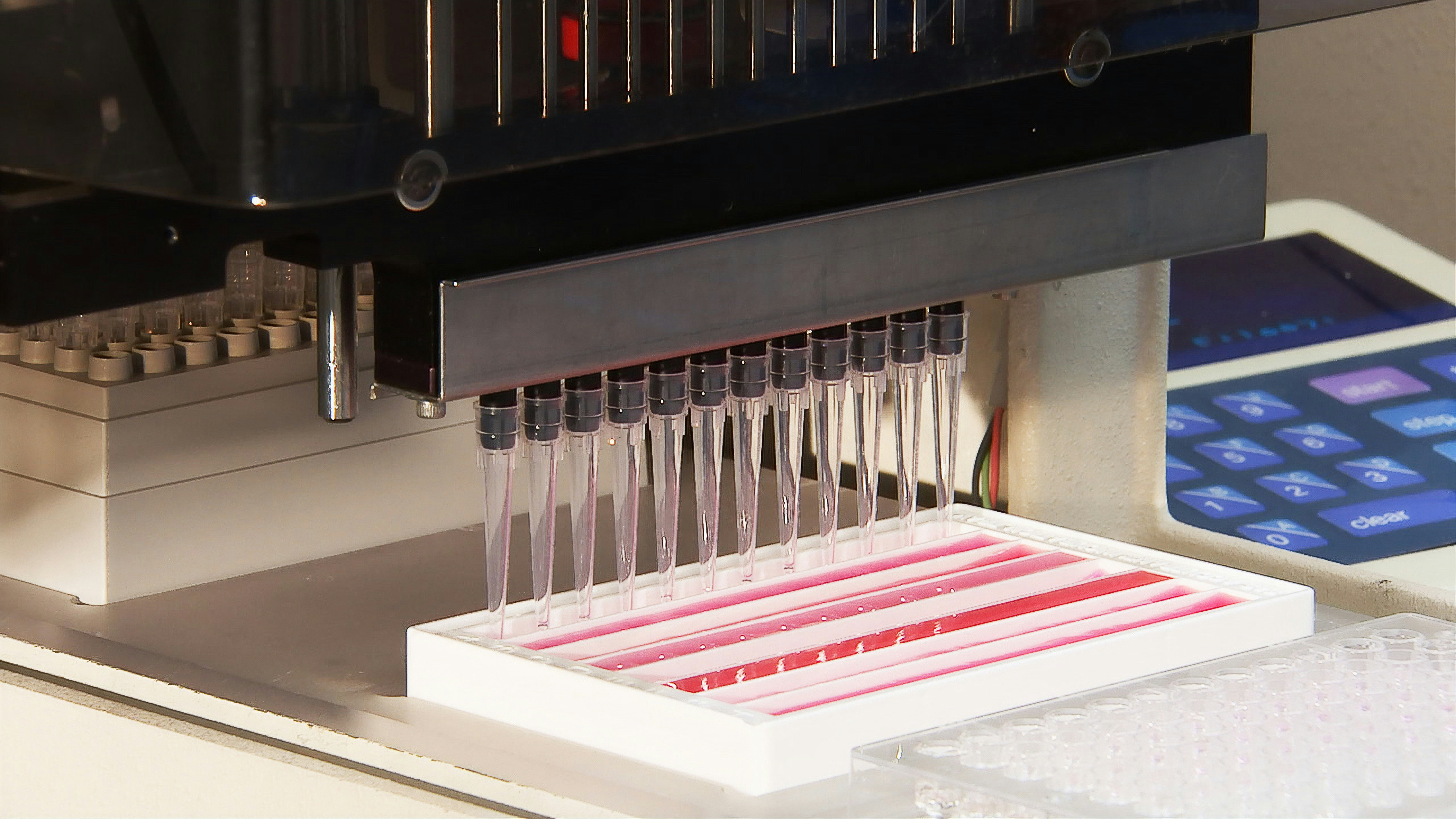
Scientific lab automation refers to the use of automated systems and technologies to carry out laboratory processes, replacing manual tasks with mechanical, electronic, and software-driven solutions. This shift has not only improved efficiency and accuracy but has also significantly transformed the way researchers conduct their experiments. The significance of lab automation in scientific research cannot be overstated; it facilitates faster data collection, enhances reproducibility, and decreases the potential for human error, thus allowing scientists to focus more on analysis and innovation.
The evolution of automation technologies in laboratory settings can be traced back several decades, beginning with basic mechanized systems for repetitive tasks. As technological advancements progressed, laboratories began adopting more sophisticated automated systems, incorporating robotics, artificial intelligence, and machine learning. By the early 2010s, automated liquid handling systems and integrated data management platforms started becoming commonplace. These early systems laid the groundwork for what we observe today.
As of 2026, lab automation has witnessed remarkable growth, driven by the increasing demand for high-throughput testing and data analysis across various scientific disciplines. Automation technologies are not only enhancing operational efficiency but are also reshaping research methodologies. For instance, advancements in robotics now enable complex protocols to be performed with minimal human intervention, which significantly accelerates the pace of scientific discovery. As we approach 2026, the integration of intelligent agents within automation systems offers unprecedented opportunities to further enhance lab operations, enabling personalization and adaptability in scientific workflows. This ongoing transformation underscores the vital role that lab automation will play in the future of scientific research, ensuring that laboratories can meet the increasing demands of the global scientific community.
Understanding Agents in the Context of Lab Automation
In the realm of lab automation, the term “agents” refers to entities that perform tasks autonomously or semi-autonomously. These entities can fundamentally be categorized into two types: software agents and robotic agents. Each type has distinct functions and underlying technologies that contribute to the operational efficiency of laboratories.
Software agents are algorithms or programs that manage and execute specific tasks. They analyze data, monitor equipment, and can communicate with other systems. For example, a software agent may collect experimental results and integrate them into a database for further analysis or facilitate remote monitoring and control of laboratory instruments. These agents leverage artificial intelligence (AI) and machine learning technologies, enabling them to adapt to varying conditions and improve their performance over time.
On the other hand, robotic agents are physical entities that interact with the laboratory environment. They can perform repetitive tasks, from sample handling to conducting experiments and maintaining laboratory equipment. These robotic systems often employ sensors, actuators, and computer vision technology to navigate their surroundings and execute precise movements. Robotic agents can significantly reduce human workload, enhance safety by minimizing exposure to hazardous materials, and increase the consistency of experimental results.
The integration of agents into laboratory protocols is further supported by advancements in technologies such as the Internet of Things (IoT), which allows for improved connectivity and data sharing. As laboratories become increasingly digitized, the role of these agents will grow, making them indispensable for optimizing workflows and facilitating innovative research. Understanding these functionalities and characteristics of agents is essential for grasping their impactful applications within the scientific community.
Significance of Agents in Enhancing Efficiency
The integration of agents in scientific lab automation represents a monumental shift toward enhanced operational efficiency within laboratory settings. Agents, typically intelligent software systems, are designed to perform a variety of tasks autonomously, significantly reducing the time required for routine procedures. For instance, through implementing agent-based systems, labs can streamline sample management processes, leading to faster sample processing and accelerated experimentation timelines.
One of the primary advantages of employing agents is their ability to minimize human error rates. In traditional lab environments, human involvement in repetitive tasks often leads to mistakes, whether from miscalculations, mislabeling samples, or failing to follow standardized protocols. Agents can perform these tasks with a high degree of precision, ensuring that tasks such as reagent mixing and data entry are executed correctly. This automation not only mitigates potential risks associated with human error but also fosters a more reliable data collection process, enhancing the overall quality and credibility of experimental outcomes.
Moreover, agents contribute to improved accuracy in experiments by employing algorithms that can analyze, interpret, and synthesize vast amounts of data quickly. In environments where rapid adjustments to experimental variables are necessary, such as in drug discovery, agents can operate in real time, adjusting conditions based on specific parameters without the delay that human intervention introduces. This potent combination of speed and accuracy not only facilitates more robust results but also opens the door to innovative practices in scientific research.
Ultimately, the integration of agents in laboratory settings serves as a catalyst for increased efficiency, minimizing operational bottlenecks and enhancing precision in scientific inquiry. As research demands grow and the complexity of experiments increases, the role of agents as indispensable tools in laboratory automation will undoubtedly continue to expand.
Key Technologies Driving Agent Development
The field of laboratory automation has made significant strides due to advancements in several key technologies. At the forefront of these developments is artificial intelligence (AI), which plays a crucial role in enabling agents to perform complex tasks with increased accuracy and efficiency. AI algorithms leverage large datasets to identify patterns that help inform experimental approaches, optimizing workflows and significantly reducing human error.
In conjunction with AI, machine learning (ML) has enhanced the functionality of agents by allowing them to adapt and improve over time. Through continuous exposure to new data, machine learning models enable agents to refine their decision-making processes, leading to more effective experimental outcomes. The integration of ML algorithms facilitates real-time data analysis and process adjustments, which is particularly beneficial in dynamic lab environments where conditions may change rapidly.
Robotics is another pivotal technology driving the evolution of agents in lab automation. Modern robotic systems are designed to execute repetitive and precise tasks, thus freeing researchers to focus on more strategic initiatives. These robots are equipped with advanced actuators and dynamic control systems, allowing them to operate in close collaboration with AI and ML frameworks. Such synergy promotes operational efficiency and increases throughput in laboratories.
Lastly, the development and implementation of sophisticated sensor technologies, including IoT devices, have transformed how agents interact with their environments. These sensors provide real-time feedback on various parameters, such as temperature, humidity, and chemical concentrations, enabling agents to make informed decisions based on the most current conditions. By integrating various data streams, laboratory agents can optimize experimentation processes and contribute to groundbreaking scientific discoveries.
Case Studies: Agents in Action
In 2026, numerous laboratories worldwide began to embrace the capabilities of agents for enhancing their research workflows. One notable example is the BioGenTech Lab located in San Francisco, which implemented an AI-driven agent for genomic analysis. The lab utilized this agent to automate the sequencing process, allowing researchers to process complex genetic data more efficiently. The results were impressive, with a 40% reduction in processing time and a significant increase in accuracy, which was critical for their ongoing studies of genetic disorders.
Another case study highlights the work at the ChemSynth Laboratory in Houston, Texas, where an autonomous agent was integrated into the chemical synthesis process. This agent monitored reaction conditions in real-time, adjusting parameters like temperature and pressure as needed. The automation led to a reduction in human error and improved the reproducibility of experiments. As a result, ChemSynth reported an increase in successful compound yield by 30%, showcasing the tangible benefits of including agents in laboratory practices.
Additionally, the Environmental Research Institute in New York leveraged agents to enhance their environmental monitoring efforts. By deploying autonomous agents equipped with sensors, the institute could collect and analyze data from multiple locations simultaneously. This initiative generated insights on air and water quality that played a crucial role in shaping local policy decisions. Their findings demonstrated how agents could facilitate large-scale data collection and analysis, thus supporting broader environmental research efforts.
These case studies exemplify the transformative impact of agents in laboratory settings through automation and optimization of scientific workflows. By integrating agents into their processes, these laboratories have demonstrated a commitment to advancing research efficiency and accuracy, paving the way for broader applications in the realm of scientific inquiry.
Challenges and Limitations of Using Agents
While the integration of agents in laboratory automation systems offers numerous benefits, there are significant challenges and limitations that organizations must address to ensure successful implementation. One prominent obstacle is the cost associated with adopting such advanced technologies. The initial investment for procuring agent-based systems and automation technology can be substantial. Including installation and maintenance expenses, the overall cost may deter many laboratories, particularly smaller ones with limited budgets, from making the transition.
In addition to financial considerations, the integration of agents necessitates a certain level of technical expertise that may not be readily available within existing laboratory staff. The successful deployment and operation of these automated systems typically require specialized knowledge in programming, system management, and troubleshooting. As a result, laboratories may face challenges in recruiting or training personnel who possess the necessary skills to operate and maintain agent-based automation systems.
Potential resistance from lab workers is another significant challenge that can inhibit the adoption of automated agents. Many traditional laboratory workers may feel threatened by automation, fearing job loss or a reduction in their roles and responsibilities. Such resistance often stems from a lack of understanding of the capabilities and benefits of agent technologies. Consequently, ongoing educational efforts and change management strategies are essential to foster acceptance and collaboration between automated systems and the existing workforce.
In conclusion, while the advantages of integrating agents into laboratory automation are evident, organizations must navigate the financial, technical, and cultural challenges to achieve successful implementation. Understanding these limitations is crucial for developing effective strategies that ensure a smoother transition toward automation in scientific research environments.
Future Trends: The Evolution of Agents in Lab Automation
As the landscape of scientific research continues to evolve, the role of automated agents in laboratory settings is expected to undergo significant transformation. This evolution will primarily be driven by advancements in artificial intelligence (AI), machine learning, and robotics, which will enhance the capabilities of these agents, making them more adaptive and efficient in handling complex laboratory tasks. In the near future, we can anticipate the integration of AI-driven agents that can learn from previous experiments, thereby optimizing protocols without requiring extensive human intervention.
Moreover, advancements in sensor technology will likely play a crucial role in this evolution. Future agents may be equipped with refined sensors that can monitor environmental conditions with high precision. This could lead to real-time adjustments in experimental setups, ensuring optimal conditions for sample integrity and reliability. Furthermore, the synergy between agents and laboratory information management systems (LIMS) will streamline data acquisition and analysis, leading to faster and more accurate research outcomes.
The ongoing development of collaborative robots or cobots will also diversify the functions of agents in laboratories. These agents could operate alongside human researchers, assisting in repetitive tasks such as pipetting, mixing, or sample preparation, thereby freeing scientists to focus on more analytical and creative aspects of their work. Additionally, with the push toward remote and automated laboratories, future agents may enable researchers to conduct experiments from afar, providing access and flexibility that were previously unattainable.
In conclusion, the evolution of agents in lab automation post-2026 is likely to be a multifaceted journey, characterized by enhanced intelligence, adaptability, and collaboration. As emerging technologies continue to unfold, they will not only redefine the capabilities of laboratory automation but also transform the nature of scientific inquiry itself, paving the way for groundbreaking discoveries and innovations.
Ethical Considerations in Lab Automation
The integration of agents into scientific lab automation has not only enhanced efficiency and precision but also sparked numerous ethical debates. One prominent concern revolves around job displacement, as automated systems increasingly take over tasks traditionally performed by laboratory personnel. While automation can lead to improved workflows and reduced operational costs, it potentially threatens job security for researchers and support staff. As institutions adopt automated solutions, it is essential to balance the benefits of increased productivity with the ramifications for employment. Stakeholders must explore opportunities for reskilling and reallocating human resources to mitigate these impacts.
Data privacy is another critical ethical consideration in the sphere of lab automation. The deployment of sophisticated agents often involves the collection and analysis of vast amounts of data, including sensitive information. This raised apprehensions regarding data security, as unauthorized access to confidential datasets can result in significant repercussions for both researchers and subjects. Ensuring stringent data protection measures and transparency about how data is collected and utilized is imperative to address these concerns and maintain public trust in automated systems.
The role of researchers in implementing automated solutions also requires examination. With the power of automation comes responsibility; researchers must ensure that their reliance on agents does not undermine the integrity of experimental processes. Ethical considerations must guide the design, operation, and oversight of these systems to avoid unintentional biases that could skew results or compromise research outcomes. Establishing guidelines and frameworks can ensure that automation enhances rather than diminishes the ethical standards of scientific inquiry.
Conclusion: The Future of Scientific Labs
As we reflect on the anticipated transformations within scientific laboratories due to advancements in automation, it is evident that the integration of intelligent agents will play a crucial role. The evolving landscape of lab automation in 2026 points toward a future that embraces technology not just as an ancillary tool, but as a foundational element that shapes methodologies and enhances efficiency across research disciplines. The adoption of these agents is likely to streamline workflows, facilitate faster experimentation cycles, and improve data management.
These sophisticated agents, equipped with machine learning capabilities, are positioned to aid scientists by performing routine tasks, analyzing data, and even assisting in experimental design. By automating repetitive processes, they will allow researchers to focus on innovative thinking and high-level problem-solving, which can significantly advance scientific discovery. Furthermore, the data-driven insights provided by these agents can lead to enhanced precision in experiments and more robust conclusions.
However, the transition to a highly automated laboratory environment will require a cultural shift within scientific communities. Embracing this change will necessitate a commitment to upskilling personnel and adapting to new operational paradigms driven by technological advancements. While challenges such as initial investment costs and training programs must be addressed, the potential for improved outcomes and greater efficiency is vast.
In summary, the future of scientific labs is poised for transformation, with agents serving as a catalyst for innovation. Laboratories that proactively adapt to these changes will not only enhance their operational efficiency but also maintain their relevance in a rapidly evolving scientific landscape. Indeed, the integration of automation has the potential to redefine the boundaries of research and discovery, ultimately benefiting the broader society.