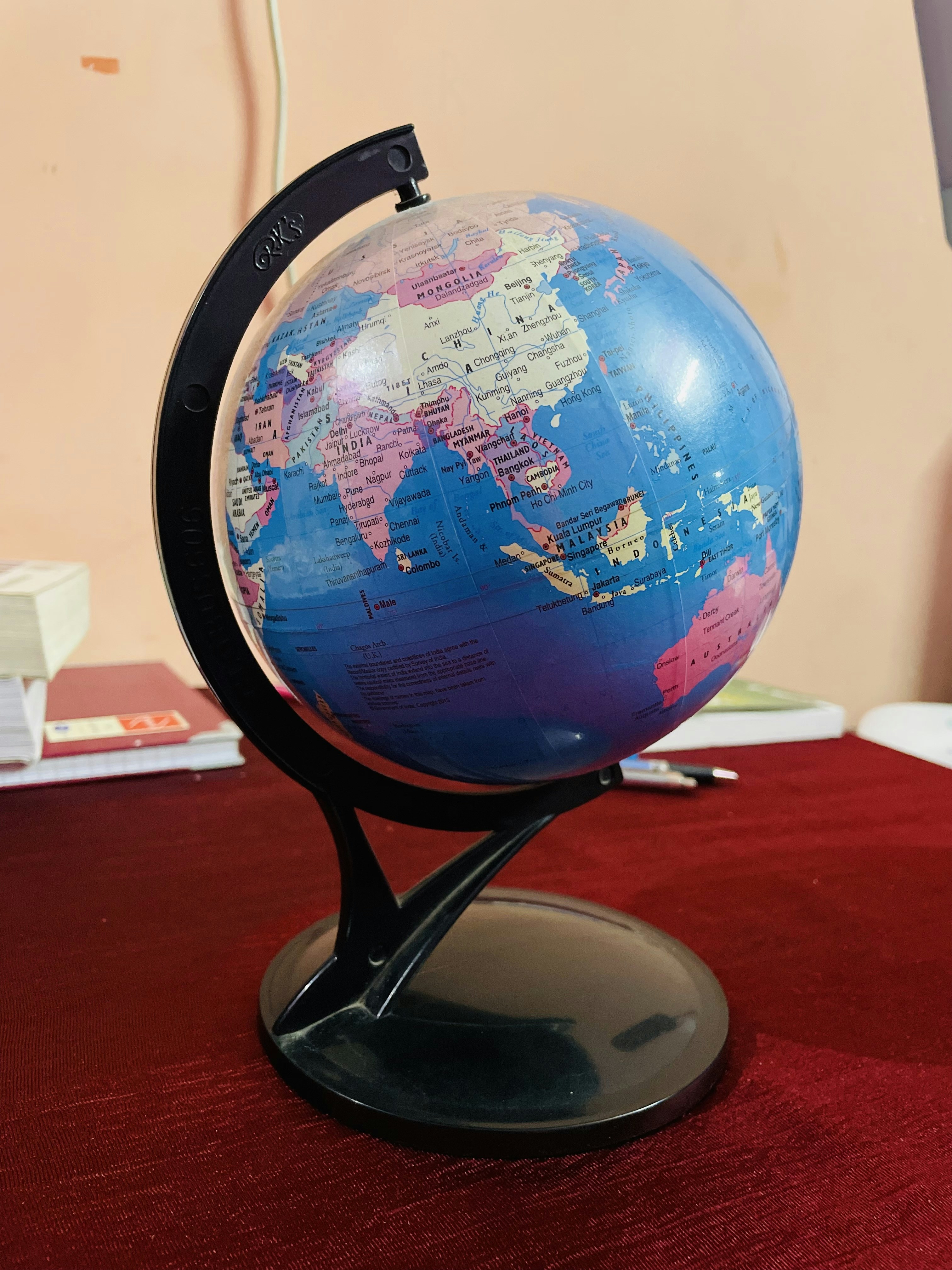
Introduction to Summit 2026
Summit 2026 represents a pivotal gathering aimed at fostering global alignment for the advancement of developing nations. In light of the current geopolitical climate and pressing socio-economic challenges, this summit seeks to mobilize collective action and collaboration among countries, international organizations, and various stakeholders. The purpose of Summit 2026 extends beyond mere dialogue; it aims to forge strategic partnerships that will enhance sustainable development in regions that face significant obstacles to growth.
Central to the summit is the commitment to fostering economic growth. Participants will explore innovative economic strategies that can invigorate developing economies while addressing income disparities. This aspect of the summit underscores the importance of promoting inclusive economic models that consider the unique circumstances of each nation. By sharing best practices and resources, countries can develop tailored solutions that accelerate economic transformation and resilience.
Environmental sustainability also stands as a critical objective for Summit 2026. As developing nations confront the adverse impacts of climate change, there is an urgent need for cooperative frameworks that prioritize ecological balance. Through collaborative efforts, participants will discuss and propose actionable measures that not only mitigate environmental degradation but also promote renewable energy and sustainable resource management practices.
Moreover, social justice is at the heart of Summit 2026. This summit aims to address socio-political inequities that hinder progress in developing nations. By fostering an inclusive dialogue that amplifies the voices of marginalized communities, the summit seeks to promote policies that enhance social equity and justice. The synthesis of these objectives—economic growth, environmental sustainability, and social justice—marks Summit 2026 as a significant milestone in the global cooperation landscape, paving the way for a more equitable and sustainable future for developing nations.
Historical Context of Global Alignment
The concept of global alignment, particularly concerning developing nations, has evolved over decades through a series of significant summits and agreements. The roots of these efforts can be traced back to pivotal gatherings such as the United Nations Conference on Trade and Development (UNCTAD) established in the 1960s. This meeting aimed to address the economic challenges faced by less developed countries and emphasized cooperation in global trade. It marked a crucial first step toward recognizing the specific needs of developing nations within the larger framework of global commerce.
Throughout the decades, various agreements have sought to enhance international support for these nations, notably the Millennium Development Goals (MDGs) adopted in 2000. The MDGs were instrumental in crystallizing global priorities, providing measurable targets aimed at eradicating poverty and improving health and education outcomes. The lessons learned from the challenges and successes of the MDGs paved the way for the Sustainable Development Goals (SDGs) in 2015, which expanded upon the MDGs’ framework with a more comprehensive approach to development, integrating economic, social, and environmental sustainability.
Past initiatives have revealed valuable insights about the complexities involved in global alignment efforts. For example, the effectiveness of aid distribution often hinged on local governance capacity and the ability to adapt solutions to contextual realities. Additionally, inclusivity and stakeholder involvement proved essential for fostering genuine partnerships between developed and developing nations. As Summit 2026 approaches, these historical contexts serve as critical guideposts. They inform current strategies to promote equitable development and emphasize the importance of collaborative frameworks that prioritize shared knowledge and resources.
Key Issues Facing Developing Nations
Developing nations today confront a myriad of complex challenges that significantly hinder their progress. One of the most pressing issues is poverty, which affects a substantial portion of the population. High unemployment rates, lack of access to basic services, and inadequate infrastructure contribute to a cycle of deprivation that is hard to break. Addressing poverty requires comprehensive strategies that can foster economic growth and stability.
Healthcare is another critical area of concern. Many developing countries struggle with a lack of access to essential health services, which exacerbates health disparities and affects overall productivity. The burden of diseases, both communicable and non-communicable, remains high, and the COVID-19 pandemic has further strained limited healthcare resources. Investing in health systems is vital to ensure that all citizens have access to the care they need.
Education access is closely linked with the challenges of poverty and healthcare. Many children in developing countries do not have the opportunity to attend school, resulting in low literacy rates and perpetuating the poverty cycle. Improving educational infrastructure, training teachers, and providing learning materials are crucial steps towards enhancing educational opportunities and, consequently, economic prospects.
Climate change poses a formidable threat as well. Developing nations are often the most vulnerable to the impacts of environmental changes, such as extreme weather events and rising sea levels. These changes can devastate agriculture, which is the backbone of many economies in these countries. The need for sustainable practices and international support for climate resilience cannot be overstated.
Lastly, political instability remains a significant hurdle, as it can lead to civil unrest and a lack of governance. This instability can deter foreign investment and impede development efforts. The interrelated nature of these challenges underscores the importance of global collaboration, as highlighted by the objectives of Summit 2026.
Goals and Objectives of the Summit
The Summit 2026 is poised to serve as a pivotal platform for fostering collaboration among developing nations, with a clear set of goals and objectives aimed at enhancing economic cooperation, promoting sustainable development, and addressing social inequalities. One of the primary objectives is to strengthen regional partnerships that encourage trade and investment. By facilitating dialogue and resource sharing, the summit aims to create synergies that would enable nations to harness their collective strengths, ultimately boosting economic growth and resilience.
In addition to economic alignment, the summit seeks to advance sustainable development initiatives that prioritize environmental stewardship while promoting economic progress. This includes the implementation of green technologies and renewable energy solutions tailored for developing regions. By focusing on sustainable practices, the summit aims to minimize ecological footprints and prepare nations to address potential climate-related challenges, which often disproportionately affect these vulnerable regions.
Moreover, addressing social inequalities is a fundamental objective of Summit 2026. Attendees will engage in discussions centered on equitable access to resources, education, and healthcare. The summit will advocate for policies that ensure marginalized communities are included in economic planning and benefits. By prioritizing social inclusion, the summit aspires to create environments where all citizens can thrive and contribute to their nations’ progress.
These goals reflect a commitment to creating a more unified and equitable future for developing nations. Through collective action, the participants will explore innovative pathways to overcome existing challenges and leverage shared opportunities, reinforcing the idea that collaboration is crucial for sustainable growth and development.
Stakeholder Involvement and Global Partnerships
Summit 2026 represents a pivotal moment for developing nations, calling for substantial engagement from a variety of stakeholders, including governments, non-governmental organizations (NGOs), and the private sector. Each of these entities plays a crucial role in fostering a collaborative ecosystem that seeks to address the multifaceted challenges faced by developing countries. By aligning their objectives with the summit goals, these stakeholders can facilitate the achievement of sustainable development outcomes.
Governments of developing nations are at the forefront of this initiative, as they are responsible for implementing policies that promote economic growth and social equity. Their involvement ensures that the unique needs and contexts of their populations are prioritized, allowing for tailored solutions that can address local issues effectively. Additionally, international collaboration among governments can lead to shared resources and best practices, enhancing the potential for success in achieving the summit’s objectives.
NGOs also play an indispensable role by providing grassroots insights and support. Their on-the-ground presence allows them to identify key challenges faced by communities, thus informing policy decisions and program designs. Collaborating with NGOs can amplify the voices of marginalized populations, ensuring that their perspectives are honored in global discourses. Furthermore, these organizations often have expertise in specific areas such as health, education, and environmental sustainability, contributing valuable knowledge to the partnership landscape.
The private sector represents an equally vital component of stakeholder involvement. Businesses, particularly those operating in developing regions, are well-positioned to invest in innovative solutions that drive economic progress. By forming partnerships with governments and NGOs, the private sector can leverage its resources and expertise to develop sustainable practices that benefit both the community and the economy. These collaborations can lead to transformative initiatives that not only address immediate needs but also foster long-term resilience.
Expected Outcomes of Summit 2026
As the Summit 2026 approaches, expectations surrounding its outcomes are building, particularly regarding the prospects for developing nations. One of the anticipated results is the establishment of actionable policies that directly address the unique challenges faced by these countries. This could manifest in frameworks aimed at enhancing economic stability, promoting education, and advancing technology adoption. For instance, initiatives that facilitate investment in sustainable technologies can create pathways for economic growth while safeguarding environmental health.
Furthermore, a focus on inclusive development can lead to partnerships between governments, private sectors, and civil society organizations. These collaborations are essential in crafting tailored interventions that consider local contexts, thereby ensuring that policy measures are not only relevant but also practical. By emphasizing shared goals among nations, the summit can foster a climate of cooperation where resources and knowledge are exchanged. This kind of alignment is crucial, as developing nations often grapple with limited access to financial resources and expertise.
Additionally, the summit may result in frameworks aimed at policy harmonization across borders. Such mechanisms could enhance trade and investment flows, thereby boosting economic opportunities for developing countries. An emphasis on digital transformation can also be expected, with discussions on how technology can bridge gaps in education and access to essential services. Moreover, health initiatives may gain prominence, especially in light of the ongoing global health challenges, as strengthened healthcare systems are vital for sustainable development.
Ultimately, the expected outcomes of Summit 2026 represent a significant opportunity for developing nations to articulate their needs and aspirations on a global platform. By paving the way for comprehensive policies and collaborative approaches, the summit can have a profound positive impact, shaping a more equitable global future.
Challenges to Achieving Global Alignment
The path towards global alignment for developing nations at Summit 2026 presents various challenges that must be navigated carefully. One significant obstacle is the ongoing geopolitical tensions that exist among nations. These tensions often stem from historical conflicts, territorial disputes, and differing political ideologies. Such divides can hinder open dialogue and cooperation, ultimately impacting the effectiveness of collaborative initiatives aimed at addressing the needs of developing nations.
In addition to geopolitical issues, economic disparities between nations contribute to the complexity of achieving alignment. Developing nations often face significant challenges related to financial resources, infrastructure capabilities, and access to technology. Wealthier nations may be hesitant to address these disparities adequately, fearing the consequences of increased financial commitments or the perception of relinquishing control over economic policies. This imbalance can lead to a lack of trust and willingness among nations to engage in mutual aid, further complicating efforts to create a unified strategy for development.
Cultural differences also play a vital role in the hurdles faced at Summit 2026. From varying social norms to different approaches in governance, these cultural distinctions can lead to misunderstandings and miscommunications between nations. Such discrepancies may result in reluctance to compromise on key issues essential for forming collaborative strategies. It is crucial that stakeholders recognize and respect these cultural variances to foster an environment conducive to meaningful discussions.
Addressing these challenges will require a concerted effort from all participating nations. Creating platforms for dialogue, promoting understanding and respect, and establishing equitable economic partnerships are imperative as the world works towards overcoming obstacles in global alignment.
The Role of Technology in Developing Nations
Technology has emerged as a cornerstone for progress, particularly in developing nations. By leveraging innovations, these countries can bridge significant gaps in education, healthcare, and economic opportunities. The digital revolution offers a plethora of tools that can transform traditional systems, making them more efficient and accessible.
In the realm of education, technology facilitates remote learning opportunities that transcend geographical barriers. Platforms offering online courses and resources provide students in rural areas with access to quality education that was previously unavailable. E-learning tools such as interactive apps and online tutoring are becoming vital resources, enhancing the learning experience and fostering critical thinking skills among learners.
Healthcare in developing regions also benefits tremendously from technological advancements. Telemedicine, for instance, allows patients in remote locales to consult with healthcare professionals without the need for extensive travel. This accessibility can lead to timely medical interventions, which are crucial for managing disease and improving overall health outcomes. Furthermore, mobile health applications are being used to monitor patient conditions and provide health education, empowering individuals to take charge of their wellness.
From an economic perspective, technology fosters entrepreneurship and stimulates local economies. Digital platforms enable small business owners to reach broader markets through e-commerce, which can lead to enhanced sales and higher profit margins. Moreover, technology simplifies complex financial transactions through mobile banking, providing access to funds and facilitating investment opportunities for individuals who were previously excluded from formal financial systems.
By embracing technology, developing nations can spearhead initiatives that contribute to the goals of Summit 2026. These innovations not only address pressing social challenges but also create a sustainable pathway for growth and development, ensuring that these nations can thrive in an increasingly globalized landscape.
Conclusion: Moving Forward Together
Summit 2026 stands as a pivotal moment in the global discourse surrounding the challenges faced by developing nations. This gathering is not merely an event; it represents an opportunity for collective action and collaboration among nations, institutions, and individuals aimed at fostering sustainable development. The insights gathered and the commitments made during the summit will significantly impact the ability of these nations to overcome their obstacles. The themes of innovation, partnerships, and shared responsibility resonate throughout the discussions and will shape the policies that emerge from this gathering.
The importance of aligning efforts to address the multifaceted issues in developing regions cannot be overstated. Economic growth, access to education, healthcare, and environmental sustainability are interconnected challenges that require a unified approach. Summit 2026 encourages participants to not only discuss these issues but also to take actionable steps toward effective solutions. Each stakeholder, whether governmental, non-governmental, or individual, plays a vital role in this global initiative.
As we look ahead, it is crucial for individuals and organizations to consider how they can contribute to the broader mission of global alignment. Engaging with local communities, supporting sustainable initiatives, and advocating for equitable policies are just a few ways to make a difference. By fostering a culture of collaboration, we can work towards a future where poverty is alleviated, and equality is respected.
In summary, the legacy of Summit 2026 will be defined by the collective actions taken post-event. Each participant is encouraged to carry the momentum forward and continuously strive for a world where developing nations have the resources, support, and opportunities needed to thrive. Together, we can create a sustainable and equitable future for all.