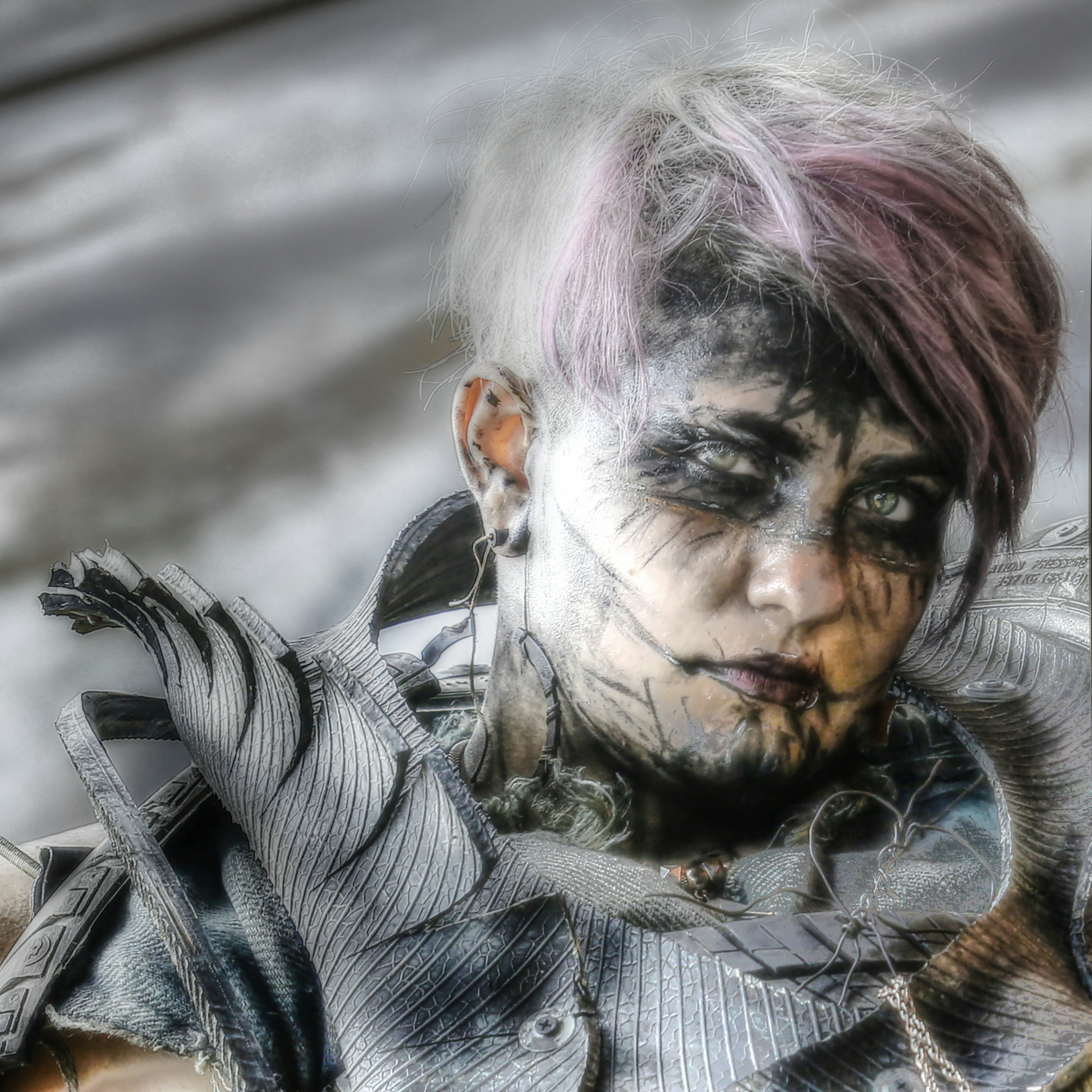
Introduction to Post-Humanism and Mortality
Post-humanism is an emerging philosophical and cultural framework that examines the implications of transcending the traditional boundaries of the human experience, particularly as shaped by advances in technology. This approach encourages a re-evaluation of what it means to be human, questioning anthropocentrism while exploring the potential for enhanced, hybrid forms of existence. As humanity continues to progress, the role of mortality becomes increasingly relevant, prompting us to reconsider not only our life experiences but also the implications of a potential future where death could be rendered obsolete.
Historically, mortality has been recognized as a defining aspect of the human condition, shaping our beliefs, values, and practices throughout various cultures and times. The inevitability of death instills a sense of urgency and purpose to human life, prompting philosophical inquiries into the nature of existence, legacy, and the afterlife. This understanding has long prompted reflections on life’s purpose and how individuals seek meaning amidst the transience of their earthly experience.
With the advent of technological innovations such as artificial intelligence, genetic engineering, and biotechnology, the possibility of eliminating or significantly altering death emerges. This potential raises profound ethical and existential questions, challenging long-held assumptions about the sanctity and finality of life. As advancements continue to unfold, one must consider the implications of a world where death is no longer a certainty. Would the eradication of mortality fundamentally change our understanding of life itself? Would we still find meaning, purpose, or motivation in our existence if the threat of death were removed? Exploring these questions serves as a crucial step toward understanding the intersection of post-humanism and mortality.
The Philosophical Debate on Mortality
The question of mortality and its inherent value has long been a subject of philosophical inquiry. Thinkers such as Epicurus, Martin Heidegger, and contemporary philosophers have grappled with the complexities surrounding the concepts of life and death, aiming to elucidate the implications of immortality and mortality on human existence.
Epicurus argued that death should not be feared, as it is merely the cessation of experiences and consciousness. He famously noted that “death is nothing to us; when we are, death is not come, and when death is come, we are not.” This perspective posits that acknowledging the inevitability of death allows individuals to appreciate and enjoy life more fully. In Epicurean ethics, the finite nature of existence creates urgency and meaning, prompting individuals to seek pleasure and fulfillment while they still can.
In contrast, Martin Heidegger offers a more complex interpretation. His existential philosophy emphasizes the “being-toward-death,” which posits that recognizing one’s mortality can lead to a more authentic existence. Heidegger argues that it is through the awareness of death that individuals confront the essence of their being, granting life a greater significance. The acknowledgment of mortality, according to Heidegger, fosters personal responsibility and a commitment to living meaningfully.
Contemporary philosophers continue to debate the implications of mortality on the value of life, questioning whether the human experience would be diminished if immortality were attainable. Would eternity dilute the significance of personal achievements and relationships? Alternatively, could an expanded lifespan allow for richer experiences? These inquiries lead to an essential philosophical discussion: does mortality indeed enhance life’s value? This question remains at the heart of the discourse surrounding immortality, prompting further contemplation on how the reintroduction of death into a post-human scenario could redefine the essence of existence.
Historical Perspectives on Aesthetic Values of Life and Death
The perception of death and its aesthetic values have varied significantly across different cultures and historical periods. From ancient civilizations to contemporary societies, the artistic expressions surrounding mortality serve as a reflection of societal beliefs, values, and fears regarding the inevitable end of life. For example, in Ancient Egypt, the afterlife was revered, leading to monumental architectural achievements like the pyramids and elaborate tomb paintings. These artistic endeavors showcase not only a reverence for the dead but also a belief in immortality, highlighting the aesthetic and spiritual significance of death in that culture.
Similarly, the Renaissance period in Europe witnessed a revival of classical themes, with a focus on humanism. Artworks from this time often confronted mortality head-on, exemplified by memento mori — artistic reminders of death. This aesthetic approach sought to encourage a reflective attitude towards life and death, prompting individuals to appreciate the transient nature of human existence. Paintings featuring skulls or decaying corpses alongside vibrant depictions of life illustrate this complex interplay between death and beauty in artistic expression.
Furthermore, cultural rituals surrounding death have also played a crucial role in shaping aesthetic values. In Mexican culture, the Day of the Dead (Día de los Muertos) is a vivid celebration that honors deceased loved ones through colorful altars and joyful festivities. This contrasts with more somber attitudes towards death seen in Western societies, where mourning typically dominates funerary practices. The diverse rituals reflect unique cultural narratives that either embrace or shun the aesthetics of mortality, with implications for future post-human societies where perceptions of death may continue to evolve.
Ultimately, as we consider the aesthetics of mortality, it becomes evident that the historical and cultural lenses through which societies view death are deeply intertwined with artistic expression. Understanding these perspectives can offer insights into how future post-human aesthetics might navigate the complexities of life and death.
The Psychological Impact of Immortality
The prospect of immortality, while tantalizing, invites a range of psychological complexities that warrant thorough examination. Among these complexities, the fear of boredom stands out as a prominent concern for individuals who may exist indefinitely. Without the natural limitations imposed by mortality, an individual might find themselves facing an existential vacuum, leading to a pervasive sense of ennui. The repetitive cycles of life—work, recreation, relationships—could lose their luster, rendering existence a mere continuum devoid of excitement and novelty.
Furthermore, an extended lifespan can trigger existential crises particularly due to the profound questions about purpose and identity it raises. Individuals may grapple with the challenge of maintaining motivation in the absence of life’s traditional milestones, such as aging and eventual death, which often serve as catalysts for growth and self-discovery. The contemplation of eternal life may compel individuals to reconsider their aspirations, priorities, and achievements, leading to feelings of disillusionment and restlessness.
An additional psychological aspect to consider is the potential loss of meaning in life without the finite nature that mortality provides. Many individuals find significance in their experiences precisely because they are ephemeral. The act of living, knowing it is temporary, often heightens the emotional stakes, allowing moments to feel more precious and impactful. In a world devoid of such limitations, the value placed on relationships, accomplishments, and personal growth may diminish, inadvertently leading individuals to question the worth of existence itself.
These psychological impacts may ultimately foster a desire for mortality among post-humans. In seeking a form of closure and longing for a meaningful existence, the choice to reintroduce death may reflect a profound understanding of the human experience—one that acknowledges both the joys and challenges inherent in the journey of life. By confronting these psychological dimensions, societies may find a balance between the allure of eternal life and the significance of mortality.
Aesthetic Movements Favoring Mortality
The interplay between art and the acceptance of mortality has been a significant theme throughout history, illustrated vividly through various aesthetic movements. One of the earliest and most poignant concepts is that of “memento mori,” a Latin phrase translating to “remember you must die.” This philosophical reminder invites reflection on the transient nature of life and has been depicted in numerous art forms, urging individuals to contemplate their existence and the inevitability of death. Artists incorporated skulls, withering flowers, and decaying objects into their works, not merely as harbingers of doom, but as catalysts for a deeper appreciation of life’s beauty and the enriching experiences shaped by its finite nature.
Another integral artistic tradition is the “Vanitas” genre, which flourished during the 16th and 17th centuries in the Netherlands. Vanitas paintings often present a carefully arranged tableau of symbolic objects—such as skulls, extinguished candles, and rotting fruit—signifying the futility of earthly pursuits in the face of mortality. This movement served to remind the viewer of life’s transitory pleasures while simultaneously encouraging a focus on eternal values and spiritual contemplation. For post-humans, these past reflections on mortality could cultivate a nostalgic longing for the ephemeral, fostering a culture that embraces the idea of death not as an end, but as a vital aspect of the human experience.
Nihilism, too, contributes significantly to this discourse. Emerging as a philosophical stance questioning inherent meaning and values, nihilism often aligns with the acceptance of mortality and the broader existential realization of life’s impermanence. This perspective, although often viewed bleakly, can inspire a liberating release from traditional norms, encouraging post-humans to carve out personal meanings in a world where existence is perceived as ultimately fleeting. The intertwining of these aesthetic movements offers a rich tapestry for post-humans to reassess mortality, possibly rekindling a romanticized embrace of death amidst an increasingly sterile future.
The Technological Context of Reintroducing Mortality
The advancements in technology have led to innovative discussions surrounding the concept of immortality. As we explore the intersection between aesthetic values and mortality, it is essential to consider how groundbreaking technologies such as genetic engineering, artificial intelligence, and transhumanist enhancements shape our perspective on life and death. These technologies aim to extend human life and enhance our capabilities, potentially leading to a societal tendency to eschew mortality altogether.
Genetic engineering, particularly CRISPR technology, offers intriguing possibilities for augmenting the human genome. By modifying our genetic makeup, we could potentially eliminate hereditary diseases and reduce factors that contribute to aging. However, the application of such technologies raises ethical questions about what it means to live and how we define the human experience. If mortality is rendered optional, will individuals still value life in its transitory form, or will the aesthetic of mortality as a finite experience diminish?
Artificial intelligence is another frontier influencing the conversation about mortality. With advancements in AI, the possibility of creating digital consciousness or maintaining our cognitive functions post-mortem may appeal to many. Yet, the notion of digital immortality contrasts sharply with the organic aspects of human existence, potentially altering our appreciation for life’s ephemeral nature. This raises critical questions: If an AI can emulate human thought and emotion, does it retain the intrinsic value attributed to biological existence, or does it further alienate individuals from the realities of life and death?
Lastly, transhumanist enhancements, which integrate technology into the human experience, complicate our relationship with mortality. Enhancements such as neural interfaces and biomechanical limbs can enhance human capabilities. However, the pursuit of enhancement might lead society to prolong existence without considering the implications for mortality’s inherent aesthetic qualities. In essence, these technologies can obscure the natural progression of life and death, prompting a reevaluation of our relationship with mortality.
Exploring Mortality and Aesthetics Through Fiction
The exploration of mortality and aesthetics has been a recurring theme in literature and cinema, serving as a reflection of societal fears and desires surrounding death. One notable example is the young adult series, “The Mortal Instruments” by Cassandra Clare. In this urban fantasy narrative, the theme of mortality is intricately tied to the existence of shadowhunters and their battle against demons. The characters grapple with the complexities of life, death, and the desire for immortality, raising poignant questions about what it means to truly live versus merely to exist. The series not only captivates readers with its adventurous storyline but also provokes thought on the ethical implications of seeking perpetual life.
Similarly, “Tuck Everlasting,” a classic novel by Natalie Babbitt, delves into the concept of immortality through the lens of a young girl’s encounter with the Tuck family, who have discovered a spring that grants eternal life. The narrative highlights the stark dichotomy between the beauty of life’s fleeting moments and the burdens that eternal existence may impose. It illuminates the ethical quandaries surrounding the desire for endless life, ultimately posing the question: Is immortality a blessing or a curse? Such narratives resonate with readers who often find themselves contemplating the value and richness of a finite life.
Additionally, the film “Cloud Atlas,” adapted from David Mitchell’s novel, offers an ambitious exploration of interconnected lives across time periods. This film weaves together various narratives, each touching upon themes of mortality, reincarnation, and the impact of individual actions on collective existence. It poses an artistic meditation on the power of choices made throughout one’s life, demonstrating how the human experience transcends time and is molded by the inevitability of death. This layered storytelling emphasizes the aesthetic implications of mortality and invites viewers to reflect on their own lives.
Looking Towards the Future: Hypotheticals and Ethical Considerations
The exploration of mortality in the context of post-human existence raises numerous hypothetical scenarios that challenge conventional perceptions of life and death. One potential future scenario could involve a segment of post-human society actively choosing to reintroduce mortality. This choice might stem from philosophical beliefs that prioritize the natural cycle of life or concerns about the psychological and societal implications of eternal life. Proponents of this view might argue that mortality adds meaning to existence, fostering a sense of urgency and value in individual experiences.
However, the implications of such a choice are complex. If post-humans were to reintroduce death, how would this affect societal structures? In a world where the majority of beings are functionally immortal, the deliberate acceptance of mortality may lead to the reshaping of cultural, social, and familial norms. Relationships, values, and even economies could evolve dramatically as the fear of loss and the pursuit of legacy take on new dynamics. Furthermore, the potential division between those who embrace mortality and those who choose to remain eternal could generate ethical dilemmas surrounding inequality and access to the technology that enables life extension.
Moreover, these scenarios provoke ethical considerations regarding consent and autonomy. Would individuals possess the right to choose their lifespan, or would societal pressures dictate that choice? This urge toward immortality could lead to a homogenization of experiences, stripping life of its diversity and richness. Alternatively, reintroducing mortality may catalyze a return to traditional values, fostering deeper connections among individuals as they grapple with the commonality of finitude. These speculations underscore the importance of holistic ethical frameworks to navigate the implications of life and death, particularly as advancements in technology continue to challenge our understanding of existence.
Conclusion: The Future of Life, Death, and Aesthetics
In examining the intricate relationship between life, death, and aesthetics, we uncover profound implications for the future of humanity. The discussions surrounding post-humanism often grapple with the possibility of transcending mortality, yet this journey prompts a reevaluation of what it means to exist and to appreciate beauty.
As we move closer to an era where the boundaries of life and technology blur, the question arises: will post-humans seek to reintroduce death, not simply as an end but as a crucial component of existence? Death, often viewed negatively, might regain a position of significance in a world where longevity is achievable. It could serve as a reminder of the temporal nature of beauty, infusing aesthetics with depth and meaning. By contemplating mortality, individuals may find a renewed appreciation for the ephemeral aspects of life.
Moreover, the aesthetics of mortality could activate a renaissance of philosophical and artistic expression. As humanity entertains the potential for indefinitely extended lifespans, the perception of beauty might shift. Traditional notions could evolve, embracing the complexities of aging, decline, and ultimately, the cycle of life and death as essential to the human experience. Thus, aesthetics may not only mirror the human condition but also influence how future generations understand and interact with the concept of mortality.
Ultimately, the discussion about the aesthetics of mortality in a post-human context emphasizes a need for thoughtful consideration. A balance between technological advancements and the intrinsic value of death may lead to a richer appreciation of existence itself. The future holds an opportunity for humanity to redefine beauty, not in its permanence, but in the profound, transient moments that characterize life’s journey.