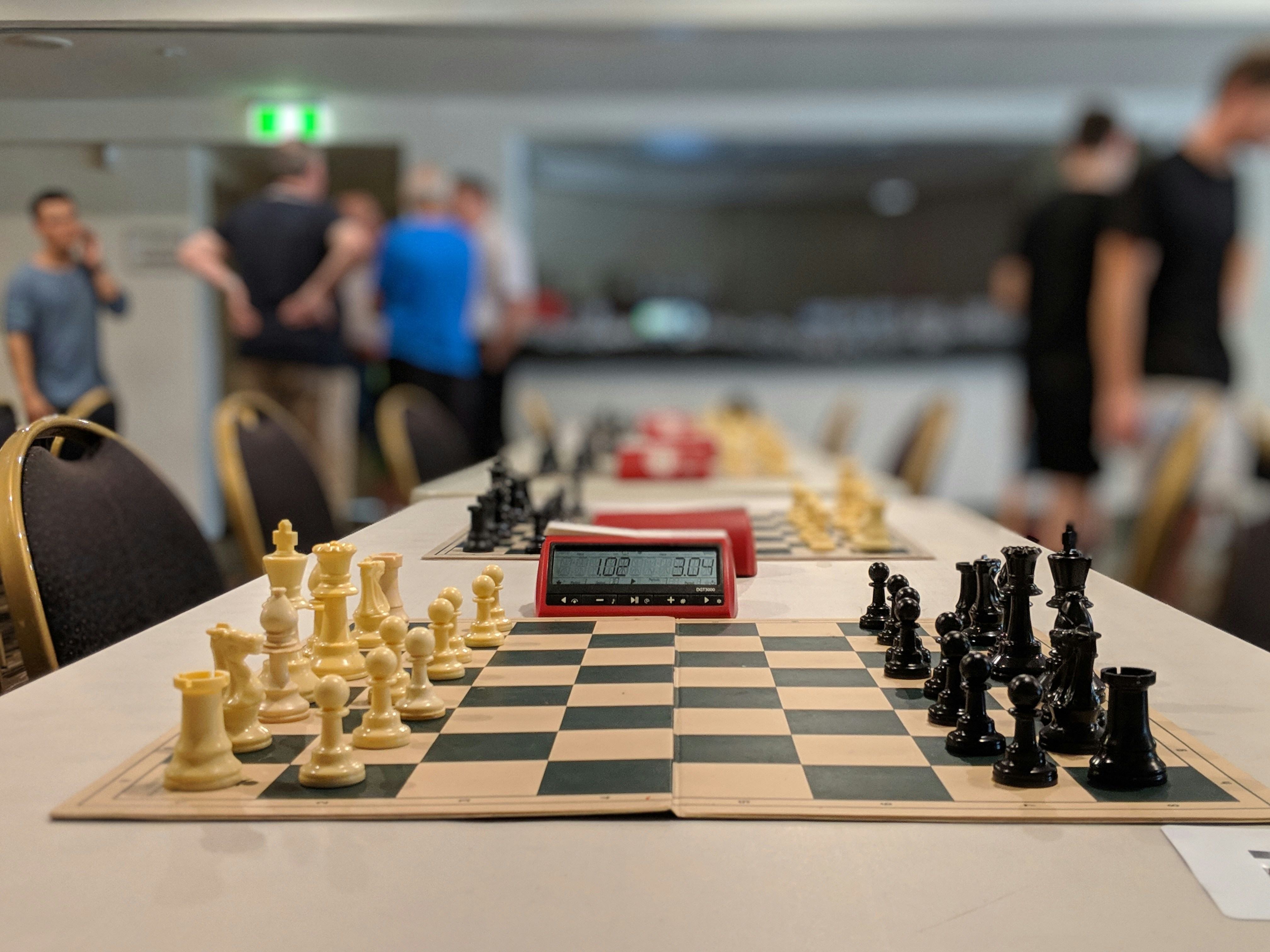
The Evolution of Chess Championships
Chess, a game that has captivated minds for centuries, has undergone significant transformations in its competitive landscape. The journey of chess championships, especially those that feature exclusively human players, has evolved remarkably since the game’s inception. Historically, the first recorded chess tournament took place in 1851 in London, marking the beginning of formal competitive play. This event laid the groundwork for the establishment of what would eventually become the World Chess Championship, first held in 1886. These early tournaments showcased the artistry of human intellect and creativity, as each player maneuvered their pieces on the board without the assistance of external aids.
As the popularity of chess grew, so did the complexity of the competition. By the mid-20th century, chess began to see the dawn of psychological strategies and advanced opening theories, as players sought to gain any possible edge over their opponents. This period of the game highlighted the rich tradition of human competition and the emotional elements inherent in match play.
The introduction of computer technology in chess began in the late 20th century, marking a pivotal shift in the chess championship landscape. The first notable instance of a computer competing with a world-class human player occurred in 1997 when IBM’s Deep Blue defeated reigning champion Garry Kasparov. This event is often regarded as a defining moment that exemplified the possibilities of artificial intelligence (AI) in chess. As computer programs and chess engines became more sophisticated, they not only changed how players prepared for matches but also shifted the balance of competition. Today’s grandmasters rely heavily on AI analysis tools to enhance their game, which poses questions about the future of purely human tournaments.
The Traditional Chess World Championship Format
The traditional Chess World Championship has long been at the pinnacle of competitive chess, serving as the ultimate proving ground for players around the globe. Since its inception in 1886, the format has primarily revolved around a match between two contenders: the reigning champion and a challenger who has emerged from a rigorous qualification process. This system has facilitated dynamic and dramatic encounters that are steeped in history and prestige.
Historically, players have qualified for the championship title through various tournaments and elimination rounds; however, the exact structure has evolved over the years. There have been instances where candidates contests have served as the primary method for determining challengers, providing a competitive stage where the world’s best can showcase their skills against one another. Players dedicate years to training and competing in these events, reflecting the passion and commitment necessary to rise to the highest echelons of chess.
The organizaton of the World Championship involves a broad spectrum of individuals and groups, including national federations, sponsors, and FIDE—the international chess federation. Each championship match often garners significant media attention, attracting chess enthusiasts and casual fans alike. The meticulous organization of these events aims not only to ensure fairness and competitive integrity but also to promote the game and its global community.
Challenges are inherent to this process. Issues such as sponsorship difficulties, controversies over rules and regulations, and the pressures of public expectation can significantly impact the championship’s organization. Additionally, as the chess landscape shifts with the influx of technology and innovation, there exist ongoing debates regarding the future direction of the championship format, including the integration of online platforms. Nevertheless, the traditional Chess World Championship remains a seminal event, emblematic of the game’s enduring appeal and cultural significance.
The Rise of Artificial Intelligence in Chess
The evolution of artificial intelligence (AI) in chess has marked a transformative period in the game’s history. Beginning in the mid-20th century, chess programs were rudimentary, relying primarily on heuristic algorithms and limited computational power. However, the introduction of more sophisticated algorithms allowed computers to evaluate numerous possible moves and outcomes efficiently. This nascent development laid the groundwork for subsequent AI advancements that would eventually reshape how chess is played and perceived.
One of the pivotal moments in this evolution occurred during the iconic matches between world champion Garry Kasparov and IBM’s Deep Blue in the late 1990s. In 1996, Kasparov triumphed against Deep Blue, showcasing human ingenuity and deep strategic understanding. However, a rematch in 1997 saw the tables turn dramatically, with Deep Blue defeating Kasparov, marking it as the first victory of a computer over a world champion in a traditional match setting. This event was monumental, shifting public perception regarding the capabilities of machines compared to human intellect.
As AI continued to progress, chess engines such as Stockfish and AlphaZero emerged, further demonstrating the potential of artificial intelligence in analyzing and mastering complex positions. AlphaZero, developed by DeepMind, utilized reinforcement learning to explore chess in a way fundamentally different from its predecessors. It learned the game without human knowledge, playing against itself and culminating in astonishingly effective strategies that outperformed traditional engines. This evolution not only emphasizes the role of AI in chess but also poses vital questions about the future of human players in the game.
The rise of artificial intelligence has undeniably altered perceptions surrounding human capabilities in chess. Where once players like Kasparov were seen as the pinnacle of skill, the influx of AI has prompted a reevaluation of what it means to be a champion in the chess community.
Current Trends in Competitive Chess
The realm of competitive chess has undergone significant transformation in recent years, largely influenced by technological advancements. A notable shift is the increasing prevalence of artificial intelligence (AI) both in training and during actual matches. This integration of AI into chess is reshaping how players prepare for competitions and strategize during games. With powerful chess engines readily accessible, players now utilize these tools to analyze their games, identify weaknesses, and refine their strategies, enabling them to improve at an unprecedented pace.
Online platforms have further revolutionized the chess landscape, making high-level training more accessible than ever. Players can engage in matches against human opponents or test their skills against AI with varying levels of difficulty. This shift towards online play allows for a greater variety of experiences and insights into different styles of play. Additionally, it has democratized chess, providing opportunities for aspiring players from diverse backgrounds to compete against seasoned professionals or hone their skills without the constraints of geographical location.
The emergence of these powerful chess engines is reshaping both strategic preparation and in-game decision-making. With sophisticated AI, players can simulate numerous scenarios in real-time, providing them with a broader understanding of various opening theories and endgame techniques. Consequently, traditional styles of play are adapting; players are increasingly incorporating elements from AI analysis into their own games. The reliance on such technology raises questions about the future of human competition in chess, as the line between human intuition and machine calculation continues to blur.
As we observe the current trends in competitive chess, it becomes clear that the integration of AI and online platforms is fundamentally shifting the methodologies of training and in-game tactics. This ongoing evolution suggests that the future landscape of chess tournaments may involve a greater number of AI-assisted players, challenging the very essence of what it means to compete in this ancient game.
Expert Opinions: Predictions for Future Championships
As we stand on the brink of a new era in chess, the perspectives of leading chess experts provide valuable insights into the future of championships, especially regarding the role of artificial intelligence (AI). Many renowned figures in the chess community, ranging from grandmasters to analysts, are weighing in on the evolution of the sport.
One common belief among these experts is that the increasing sophistication of AI in chess will radically alter the landscape of competitive play. Grandmaster Magnus Carlsen, for instance, has expressed concerns over the potential end of human-only tournaments. He argues that as AI evolves, it may not only dominate the chess board but also redefine our understanding of a fair match. This sentiment is echoed by various analysts who suggest that we may witness a gradual decrease in all-human championships, with significant transformations expected within the next decade.
Conversely, some analysts propose that while AI will play an integral role in training and preparation, human-only events may continue to exist as a tribute to chess’s rich tradition. International Arbiter and FIDE Master Meri S. asserts that there will always be a demand for purely human contests, emphasizing the unique psychological aspects of human play that AI cannot replicate. Enthusiasts may attend these tournaments to celebrate the pure skill and creativity that humans bring to the table.
Moreover, the future of chess championships might not involve a complete replacement of human players by AI but rather coexistence. Experts predict hybrid events where human intellect is complemented by AI assistance, creating a new format that respects both human ingenuity and machine capabilities. This hybrid model could spark a renewed interest in the sport and attract broader audiences, ensuring that the essence of chess remains intact.
In conclusion, the shift towards AI in chess represents a pivotal moment, with varying predictions on the future of human-only chess championships. While some foretell an inevitable end to these tournaments, others uphold their value, advocating for a balance that honors both human skill and artificial intelligence.
Analyzing the Last Human-Only Championship: The Indicators
The evolution of chess is significantly intertwined with technological advancements, raising concerns about the future relevance of human-only championships. To forecast when the last human-exclusive championship might occur, various indicators merit consideration, such as practicing trends, player preferences, and historical precedents.
One observable trend is the increasing reliance on artificial intelligence (AI) tools for preparation among top players. With advanced chess engines analyzing millions of positions and offering strategic recommendations, players have begun to adapt their training regimes accordingly. This shift not only heightens their competitive advantage but also subtly alters the essence of the game, straddling the line between human intuition and computational power. As reliance on such technology becomes ubiquitous, the distinctive attributes of human play may start to fade, signaling a potential endpoint for human-only championships.
Furthermore, player preferences lean toward adaptability and innovation, reflecting the growing acceptance of chess augmented by technology. Younger players, often more comfortable engaging with digital platforms, may prefer participating in tournaments that incorporate AI support. This generational shift could lead to a gradual phasing out of traditional formats, as players prioritize competitive environments that embrace technological advancements.
Historically, chess has experienced significant transitions, such as the introduction of clock timers and standardized rules. Each shift reshaped the professional landscape, raising questions about the sustainability of purely human competitions. These precedents provide a backdrop against which the potential transition to AI-integrated chess can be analyzed. The historical context suggests a trend toward integration rather than isolation, indicating that the end of an era centered on human-only competitions may not be far away.
The transition away from human-only chess championships marks a significant turning point in the game, eliciting a spectrum of implications for various stakeholders within the chess community. Players may experience a profound shift in their profession as the rise of artificial intelligence influences the competitive landscape. With chess engines consistently surpassing human capabilities, players may find themselves focusing not only on their opening theories and endgame strategies but also on how best to integrate technology into their training regimens.
Organizers of chess tournaments face the challenge of redefining the format and structure of competitions that include AI participants. This evolution may necessitate new frameworks that ensure fair play and promote engagement among human players and their robotic counterparts. Moreover, the sanctity of traditional championship formats might be questioned, prompting discussions about the identity of chess in an age where technology can dominate strategy.
Sponsors, too, will need to reconsider their investment strategies as they navigate this paradigm shift. The allure of human competition has been a driving factor in attracting sponsorship for various tournaments; thus, the introduction of AI could potentially alter the commercial dynamics associated with chess. Questions surrounding marketability, audience engagement, and the allure of human versus machine will dictate future sponsorship models.
Additionally, the fan base is likely to undergo significant changes. While many enthusiasts cherish the human elements of chess, there may be a growing appreciation for the intricate strategies offered by AI. This evolution could foster a new kind of viewer experience that combines traditional chess appreciation with the analytical prowess of modern technology.
In contemplating these developments, it is crucial to recognize that the shift away from human-only championships will create both challenges and opportunities for all involved. As the chess community grapples with these changes, its potential for growth and enrichment cannot be understated.
The Future of Chess Championships: Hybrid Models
The evolution of chess has witnessed many shifts, particularly as technology has begun to play an increasingly prominent role. Hybrid models for future chess championships, which incorporate both human and artificial intelligence (AI) players, hold the promise of redefining the landscape. This innovative format could provide a unique blend of traditional chess strategy and advanced computational analysis, offering a fresh perspective on competitive play.
Implementing hybrid tournaments could serve multiple purposes. Primarily, they would allow human players to engage with more sophisticated versions of the game, enhancing their strategic thinking and understanding. AI possesses the capability to analyze vast databases of past games, uncovering patterns and strategies that may not be apparent to human players alone. This pairing of human intuition and AI analysis could lead to groundbreaking advancements in gameplay techniques.
Moreover, hybrid formats have the potential to maintain the essence of human creativity and strategy while integrating AI’s computational prowess. Such collaborations may yield new strategies and approaches that are currently unimaginable, fostering an environment of continuous learning and adaptation. This interplay can encourage players to push their limits and refine their skills, setting a new standard for excellence in the chess community.
As the chess world contemplates the future, it is essential to consider the implications these hybrid models may have on player participation and audience engagement. By significantly attracting viewers, these formats could cultivate increased interest in chess, particularly among younger audiences who might find the synergy of human intellect and artificial intelligence captivating.
In conclusion, the potential for hybrid models in chess championships signals an exciting frontier. Combining human ingenuity with AI capabilities presents an opportunity to innovate the game while preserving its core attributes, thus shaping the future of competitive chess in profound and unexpected ways.
Conclusion: Embracing Change in the Chess World
The landscape of chess is evolving, and the discussions surrounding the future of the game highlight a pivotal juncture in its history. The transition from human-centric competitions to those involving artificial intelligence presents both challenges and opportunities within the chess community. As players, organizers, and fans navigate this change, it is essential to embrace the integration of technology while preserving the core values that have long defined chess.
In the face of increasing AI participation in tournaments, it is crucial for the chess community to adapt. The essence of chess remains unchanged regardless of its players—whether human or a sophisticated algorithm. The strategic depth, creativity, and intellectual rigor that chess demands continue to thrive in this new era. Competitions may evolve, but the fundamental enjoyment and appreciation for the game must persist.
Moreover, adapting to change also involves fostering a more inclusive environment in the chess world, where both human and AI entities can coexist and contribute positively. Emphasizing educational programs that explore the interplay between chess and technology can enrich the experiences of players at all levels. This ongoing engagement with AI can not only elevate the understanding of the game but also inspire the next generation of chess enthusiasts.
As we look ahead, it is imperative to champion a forward-thinking approach that recognizes the significance of innovation while honoring tradition. By doing so, we ensure that chess continues to capture the imagination of millions, irrespective of who or what is playing it. Ultimately, the spirit of the game will endure, supported by a community that values both its past and its future.