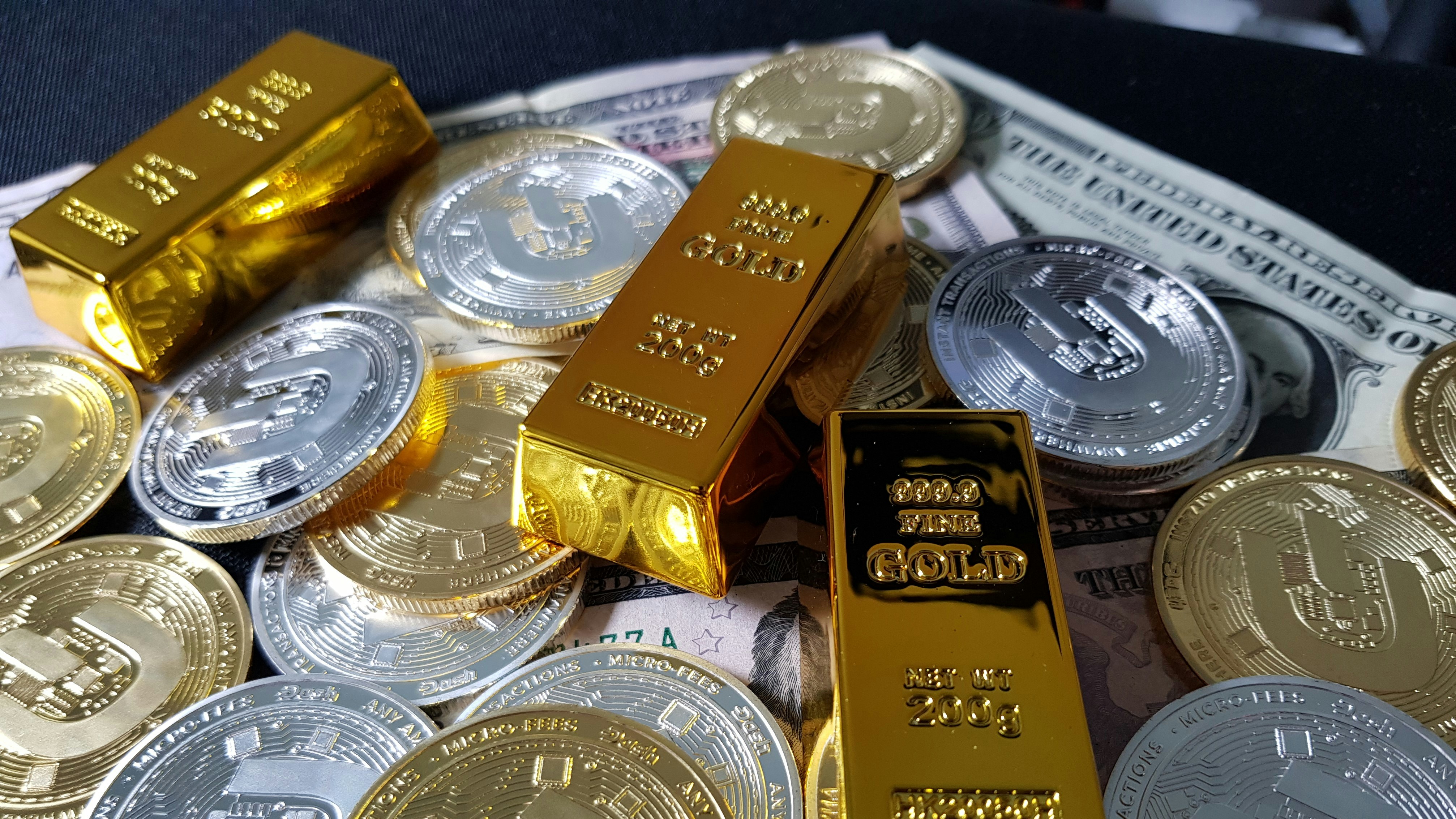
The Evolution of Money
The concept of money has undergone remarkable transformations throughout history, reflecting societal changes and advancements in technology. Initially, early human societies relied on bartering, where goods and services were exchanged directly without a standardized medium. This system, however, had limitations, such as the need for a double coincidence of wants, meaning that both parties had to desire what the other offered. As a solution, commodities like cattle, grains, and precious metals began to serve as a medium of exchange, providing a more efficient means of trade.
With the rise of civilizations, the need for a more stable form of currency led to the creation of coinage around 600 BCE in places like Lydia. These coins were made from valuable metals and stamped with designs to verify weight and purity, introducing the first widely accepted form of money. This innovation simplified transactions and fostered trade across different cultures, which was pivotal in the expansion of marketplaces and economies.
As societies evolved, the use of paper currency emerged in China during the Tang Dynasty, eventually spreading to Europe and the rest of the world. Paper money offered significant advantages over coins, such as portability and the ability for governments to control its supply. The introduction of banking systems further refined the concept of currency, enabling the issuance of promissory notes and the establishment of checks, which facilitated trade even more.
In recent decades, we have witnessed a dramatic shift towards digital currencies with the advent of the internet and advanced technology. Digital wallets and cryptocurrencies, such as Bitcoin, have begun to alter our understanding of money, introducing new paradigms around value, trust, and decentralization. As we approach the year 2200, these historical shifts in currency will provide critical context for speculating on the future of money and its role in commerce and society.
The Impact of Technology on Currency
The evolution of technology has significantly shaped various aspects of our lives, and the realm of currency is no exception. Innovations such as blockchain, cryptocurrency, and digital wallets are not merely enhancements to traditional monetary systems; they represent a fundamental shift in how value is exchanged and stored. Blockchain technology, for instance, provides a decentralized ledger that ensures transparency and security in transactions, which challenges the conventional reliance on centralized banking systems.
Cryptocurrencies, such as Bitcoin and Ethereum, have emerged as alternatives to traditional currencies, facilitating peer-to-peer transactions without intermediaries. This innovation reduces transaction fees and increases accessibility, particularly for individuals in underbanked regions. Additionally, the rise of stablecoins—cryptocurrencies pegged to stable assets like fiat money—aims to address the volatility commonly associated with digital currencies, offering a bridge between traditional finance and the cryptocurrency world.
Meanwhile, digital wallets have transformed the way consumers manage their finances. With just a smartphone, individuals can store multiple currencies, make payments, and track spending in real time. This convenience may encourage more people to adopt non-traditional currencies, reshaping the concept of money itself. As these technologies proliferate, they raise critical questions about the future of physical cash and the role of government-issued currencies.
In light of these advancements, it is apparent that technology is not only influencing how currency operates but also re-defining its essential characteristics. The potential for these innovations to replace traditional forms of money illustrates the possibility of a future where currency is more digital, decentralized, and integrated into everyday transactions. This transformation underscores the importance of adapting to a rapidly changing financial landscape, hinting at the obsolescence of cash and possibly even conventional banking in the years leading up to 2200.
Economic Models Shaping the Future
The evolution of currency is likely to be significantly influenced by several emerging economic models that challenge the traditional understandings of money. Notably, concepts such as Universal Basic Income (UBI), decentralized finance (DeFi), and alternative trading systems are beginning to reshape our perception and interaction with currency.
Universal Basic Income has gained popularity as a model where citizens receive a regular, unconditional sum of money from the government, irrespective of other income. This framework aims to offer financial security and eradicate poverty. As UBI becomes more widespread, it questions the need for conventional job-based earnings, thereby influencing the role of money as a means of exchange and survival.
Decentralized finance, another significant paradigm shift, leverages blockchain technology to reforge the financial ecosystem. By removing intermediaries, DeFi allows individuals to engage in financial transactions directly, significantly reducing costs and increasing accessibility. This transformation could lead to a scenario where traditional fiat currencies are not the primary medium of exchange, thereby redefining the functions money serves in society.
Additionally, alternative trading systems, including bartering and time banking, are gaining traction as viable avenues for value exchange. These systems provide mechanisms for people to trade goods and services without the necessity of cash transactions which could further diminish the conventional role of money.
In summary, as we consider the future of currency beyond the year 2200, it is evident that these innovative economic models are poised to reshape our understanding of money. They challenge its validity and necessity, potentially leading to a society where money in its current form may become obsolete or vastly different from what we know today.
Societal Changes and Their Influence on Money
As we approach the future, the evolution of society plays a crucial role in shaping the concept of money. One significant factor influencing this evolution is the shift in consumer behavior. Modern consumers are increasingly prioritizing experiences over material possessions, which has led to a decline in traditional spending patterns. Instead, individuals opt for services and shared resources, signaling a transition toward a more collaborative economy. This growing trend reflects a changing perception of value, where ownership is eclipsed by access and sharing.
In tandem with this shift is the rise of sharing economies, enabled by advancements in technology and peer-to-peer platforms. Companies like Airbnb and Uber illustrate the potential of sharing economies to disrupt conventional business models, reducing the reliance on traditional forms of monetary exchange. As individuals engage in sharing and barter systems, the definition of money as a medium for trade becomes increasingly nuanced. Instead of merely representing a unit of exchange, money may evolve to symbolize trust and community relationships.
Furthermore, the increasing focus on sustainability and ethical consumption is reshaping how society perceives money and value. Consumers are becoming more aware of the environmental and social impacts of their choices, often opting for brands that prioritize ethical practices. This consciousness fosters a reevaluation of monetary systems, leading to potential new currencies centered on sustainability goals. Such developments may introduce alternative forms of value representation—one that encapsulates societal well-being alongside traditional financial metrics.
Overall, the interplay between societal changes, consumer behavior, and evolving economic systems is redefining the future of money. The traditional notions of value and transaction are being questioned, possibly paving the way for a more collaborative and sustainable financial landscape.
Globalization and Currency Fluctuations
Globalization has profoundly influenced currency dynamics over the past few decades, intertwining national economies and altering how currencies are perceived and valued. As trade routes expand and international markets become increasingly interconnected, currency exchange rates are subject to significant fluctuations. These changes can be attributed to several factors, including economic performance, inflation rates, and geopolitical tensions. One notable effect of globalization is the rise of currency exchange platforms, which facilitate real-time transactions across borders. These platforms not only enhance accessibility and efficiency but also introduce volatility, as currencies are traded in response to market demands and speculative behaviors.
Another aspect to consider is inflation, which can vary drastically from one nation to another due to differing monetary policies and economic conditions. As opposing inflation rates affect currency strength, it poses challenges for international businesses that operate in multiple currencies. Companies may find themselves navigating a landscape where the value of their home currency fluctuates against foreign currencies, making financial planning and pricing strategies increasingly complex. Additionally, inflationary trends can erode purchasing power, further complicating the impact on global trade.
The potential emergence of a universal currency poses yet another layer of complexity in this landscape. Such a currency could theoretically mitigate some of the issues stemming from currency fluctuations, streamline international transactions, and foster greater economic stability. However, the political, economic, and logistical hurdles to establishing an all-encompassing currency are substantial. Geopolitical factors, particularly national sovereignty and existing trade agreements, are likely to complicate any move towards a shared currency system. As we progress toward 2200, the interplay between globalization and currency continues to shape our economic reality, making the future of money an intriguing topic for exploration.
The Role of Governments and Regulation
In the evolving landscape of currency, the role of governments and regulatory bodies is becoming increasingly significant. Traditionally, governments have established frameworks that govern the issuance and control of currency; however, as digital currencies gain traction, their influence may further transform. With the advent of government-backed digital currencies, often referred to as Central Bank Digital Currencies (CBDCs), the dynamics of monetary policy and financial stability could change drastically. CBDCs could provide a government-sanctioned alternative to the myriad of cryptocurrencies currently available. This incorporation of state-backed options may enhance trust and security among users, potentially addressing some of the volatility that comes with decentralized cryptocurrencies.
Regulatory measures surrounding cryptocurrencies are an essential consideration for the future of money. Effective regulation can indeed bolster the stability and acceptance of digital currencies, ensuring that they comply with anti-money laundering and fraud prevention standards. Governments might implement guidelines that serve to legitimize and protect users while fostering innovation within financial technologies. However, overly stringent regulations could stifle progress, discouraging investment and limiting the potential benefits of these emerging financial instruments.
Moreover, as governments assess the implications of digital currencies, they must also consider the effects on traditional banking systems. Digital currencies could facilitate direct transactions between individuals, potentially reducing the need for intermediaries. This shift involves both opportunities and challenges, prompting regulators to find balanced approaches that safeguard existing financial structures while adapting to new technologies. Ultimately, the decisions made by regulatory bodies will play a crucial role in determining how currency evolves and whether money, in its many forms, continues to hold significance well into the 22nd century.
Cultural Perspectives on Money
Money is not just a medium of exchange; it is a cultural artifact that reflects the values, beliefs, and practices of societies. Across different cultures, the perception of money can vastly differ, influenced by historical context, social norms, and technological advancements. In many Western societies, for instance, money often correlates with personal success and freedom, leading to the belief that wealth accumulation is a primarily individual endeavor. In contrast, some Eastern cultures view money as a communal resource, where its use is often tied to family responsibilities and social obligations.
The recent rise of digital currencies poses questions about how different cultures will adapt to these innovations. In societies accustomed to traditional cash transactions, the transition to digital money may face resistance. People might cling to physical forms of currency due to deeply ingrained beliefs regarding trust, authenticity, and community ties. On the other hand, cultures that are already familiar with technology may embrace cryptocurrencies and digital wallets as a natural progression, leading to a potential redefinition of money’s role in daily life.
Moreover, the advent of technology facilitates alternative financial practices, such as bartering in local communities or utilizing time banks, where services are exchanged without money. These practices challenge the traditional notions of currency and invite a reevaluation of what constitutes economic value. As societies evolve, the concept of money must also adapt in response to global interconnectedness and emerging technologies. The dialogue around money will likely continue to vary widely, reflecting both adaptation to and resistance against these changes.
Potential Scenarios for the Future of Money
The evolution of currency is intricately linked to various social, economic, and technological factors. As we envision the future beyond 2200, several potential scenarios emerge regarding the role of money. These scenarios can be categorized into optimistic, pessimistic, and neutral outlooks, each highlighting different paths our monetary systems may take.
In an optimistic scenario, advancements in technology could lead to a more equitable financial system. Digital currencies, perhaps even implemented on a decentralized basis, might become universally adopted, allowing for seamless transactions across borders. The elimination of traditional banking fees and the democratization of financial services could enhance economic stability, reducing the wealth gap globally. Here, money would not only retain its significance but evolve into a more inclusive tool for fostering social equity.
Conversely, the pessimistic view presents a grim forecast. As technology and financial systems become increasingly sophisticated, concerns around privacy, security, and centralized control might escalate. In such a scenario, money may become less relevant to the average individual, as automated systems and algorithms dictate economic interactions. Potential risks include increased volatility and the concentration of wealth among a select few, exacerbating inequalities. Here, money could lose its traditional meaning, transforming into a mere digital representation of power rather than a medium for exchange.
A neutral scenario may lie somewhere in between these extremes. Money might continue to exist in its current form, adapting to ongoing technological changes while retaining fundamental characteristics. Traditional currencies may coexist with digital forms, leading to a hybrid system that balances stability and innovation. This scenario acknowledges that while money will remain a crucial component of economic exchanges, the way we perceive and interact with it may change significantly by 2200.
Conclusion: The Future of Wealth and Value
The trajectory of currency is a reflection of humanity’s evolving understanding of wealth and value. As we look beyond 2200, it is clear that the concept of money will continue to transform, shaped by technological advancements, societal changes, and philosophical shifts. The future of currency may not exclusively rely on traditional forms of money; rather, it will likely encompass a broader spectrum of assets that hold intrinsic value.
At the heart of this transformation lies the question of what we consider valuable. In an increasingly digitized world, conventional monetary systems, such as cash and credit, face challenges from decentralized currencies and various forms of digital assets. This raises important inquiries regarding trust, ownership, and the sanctity of transactions. How will we define wealth in a context where digital currencies become commonplace and the barriers to access financial resources diminish? The fusion of technology and finance may lead us to re-evaluate our relationship with money and the resources that signify wealth.
Furthermore, as global challenges like inequality and environmental crises demand urgent attention, the societal dimension of value will gain prominence. The way we assign worth to ecological sustainability, social connections, and community welfare may reshape economic models, emphasizing a shift from sheer accumulation of wealth to a more holistic view of prosperity. This potential evolution necessitates a profound reflection on our priorities as individuals and communities.
In essence, the future of wealth is not merely about the currency we utilize; it extends to how we perceive and interact with value itself. The ongoing discourse surrounding tangible and intangible assets will shape financial systems as we head toward an uncertain future. As such, the important questions we must ask ourselves today will guide our understanding of wealth and its relevance in the lives of future generations.