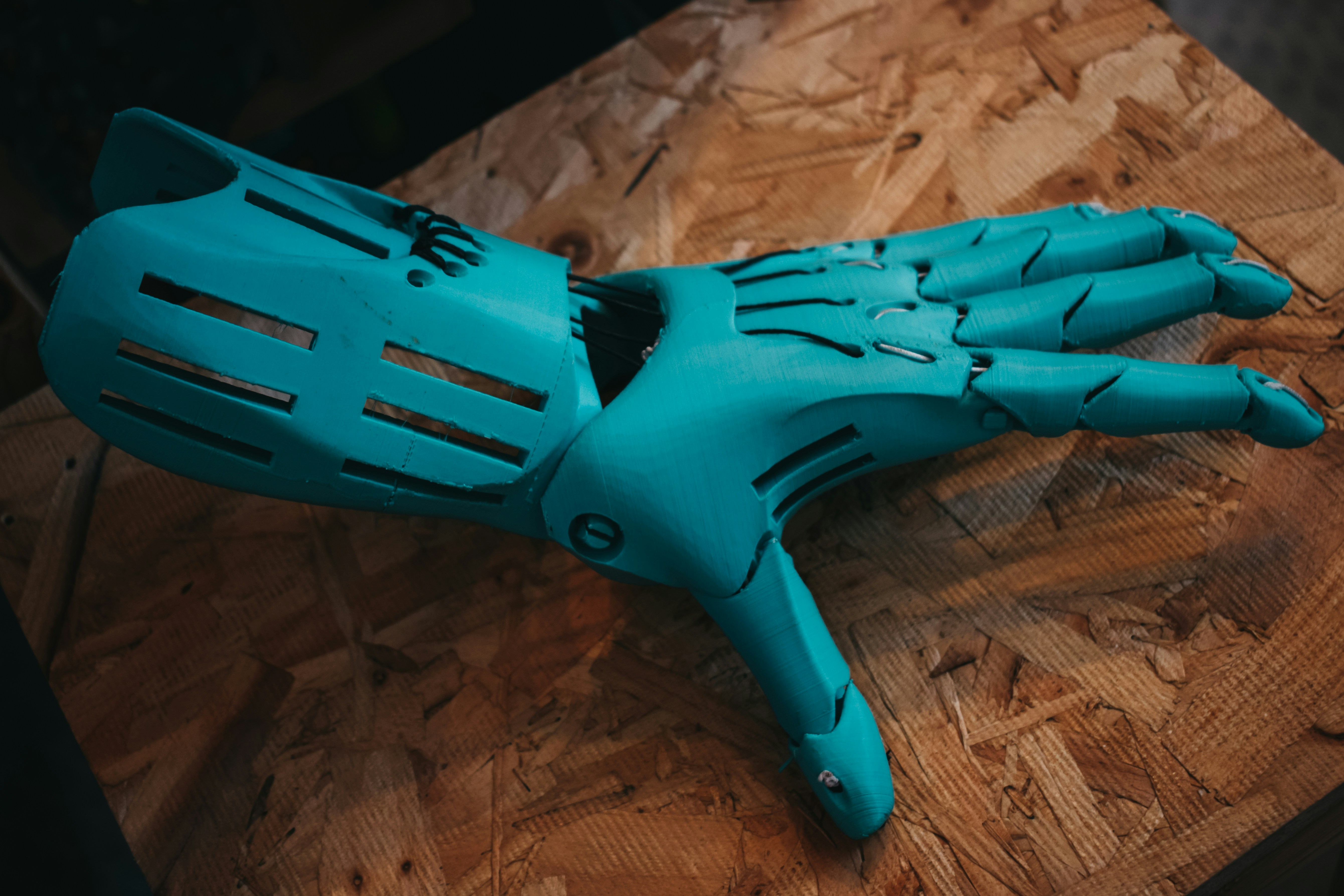
Introduction to Dexterous Manipulation
Dexterous manipulation refers to the ability of robots to perform tasks that require advanced fine motor skills, similar to those exhibited by human hands. This capability involves not only grasping and holding objects but also performing intricate movements necessary for manipulating tools and handling delicate materials. In the context of industrial automation and robotics, dexterous manipulation plays a crucial role in enhancing efficiency and productivity across several sectors, including manufacturing, healthcare, and service industries.
A key aspect of dexterous manipulation is the concept of precision grip, which enables robots to adapt their grasp based on the size, shape, and material properties of objects. This adaptive capability allows robots to carry out a wide range of tasks with varying degrees of complexity, from assembling intricate components in a factory setting to performing surgical procedures in a healthcare environment. The sophistication of these movements is vital for tasks that necessitate high levels of control and coordination, further simulating human-like dexterity.
Moreover, the significance of dexterous manipulation extends into the realm of human-robot interaction, where robots are designed to collaborate seamlessly with humans. Effective communication between humans and robots requires an understanding of nuances in movement and ensuring that robotic systems can perceive and respond to human actions accurately. As advancements in artificial intelligence continue to evolve, the potential for robots to interact intelligently and intuitively with their environments enhances the future application of dexterous manipulation.
In summary, dexterous manipulation is a fundamental aspect of robotic technology, critical to achieving a higher level of performance in tasks that require precision and nuanced control. As research and development progress, the integration of dexterous manipulation into robotics promises to redefine operational standards across various industries, highlighting its importance in the advancement of automation and human-robot collaboration.
Current State of Dexterous Manipulation Technologies
As of now, the field of dexterous manipulation technologies has seen significant advancements, yet there remain substantial challenges to overcome. Robotic hands and grippers have become central components in achieving dexterous manipulation, enabling machines to grasp and manipulate objects in a manner resembling human dexterity. Two noteworthy technologies in this domain are underactuated grippers and soft robotic hands. Underactuated grippers utilize fewer actuators than fingers, leading to a simpler control mechanism while still permitting varied and adaptive grasping. Soft robotic hands, on the other hand, employ compliant materials that mimic human muscle behavior, allowing for greater flexibility and a gentler touch when handling fragile objects.
Control systems have also evolved to facilitate more precise manipulation. Machine learning algorithms are increasingly integrated into these systems, enabling robots to learn from experience and enhance their dexterous capabilities over time. Moreover, advancements in sensor technology have improved feedback mechanisms that allow robots to adjust their grip strength and adapt to different shapes and weights of objects. Although these enhancements have propelled dexterous manipulation forward, limitations still persist. One of the most significant challenges is achieving the necessary speed and accuracy required for dynamic tasks, which often proves problematic in unpredictable environments.
Furthermore, scalability remains an issue, particularly concerning the cost and complexity of manufacturing these advanced technologies. In contrast to human hands, which have evolved through millions of years, robotic systems currently struggle to replicate the full range of motion and coordination found in human dexterity. These ongoing limitations highlight the need for continued research and development in dexterous manipulation technologies to bridge the gap between robotic and human capabilities.
Robotics Innovations Driving Dexterous Manipulation
The field of robotics has witnessed significant innovations that are driving advancements in dexterous manipulation. Key breakthroughs in artificial intelligence (AI), machine learning, and materials science are transforming how robots interact with their environments, enhancing their adaptability and efficiency in various applications. These innovations have an immense impact on the capabilities of robotic systems, enabling them to perform complex tasks that require fine motor skills and intricate movements.
Artificial intelligence plays a pivotal role in advancing dexterous manipulation by enabling robots to learn from their experiences and adjust their actions in real-time. Through the integration of deep learning algorithms, robots can analyze large datasets to recognize patterns and improve their performance over time. This ability to adapt not only enhances the dexterity of robotic systems but also ensures they can operate effectively in unpredictable environments, such as during assembly tasks or when handling fragile objects.
Machine learning, a subfield of AI, further complements these advancements by allowing robots to develop decision-making capabilities. When exposed to diverse scenarios, machine learning algorithms enable robots to refine their techniques for grasping and manipulating objects. This advancement is particularly significant in applications involving collaborative robots, or cobots, which often work alongside human operators. As these systems become more adept at understanding human motions and intentions, their effectiveness in shared tasks grows exponentially.
Moreover, advancements in materials science have led to the development of new materials that are lightweight yet capable of withstanding high levels of stress and impact. These novel materials enhance the design of robotic components, improving both their strength and flexibility. Incorporating soft robotics technologies made from pliable materials allows for gentler handling of delicate items and enhances the robots’ capacity to navigate intricate tasks. In conclusion, the synergy between AI, machine learning, and cutting-edge materials is propelling robotics into a new era of dexterous manipulation, enabling robots to perform tasks once thought exclusive to human skill.
Human-Centric Design in Dexterous Manipulation
As advancements in dexterous manipulation technology continue to evolve, the importance of human-centric design principles becomes increasingly evident. This approach emphasizes the necessity of aligning robotic tools and devices with human capabilities, particularly focusing on the intricacies of hand movements and ergonomics. By understanding how humans interact with their environment, engineers and designers can create more efficient, intuitive systems that enhance productivity and safety.
At the core of human-centric design is a detailed analysis of human hand movements. Analyzing the dexterity of the human hand reveals its remarkable ability to perform a wide variety of complex tasks, such as grasping, manipulating objects, and precise positioning. This understanding informs the creation of robotic systems that mimic these capabilities, allowing for a more seamless integration between humans and machines. By incorporating these insights into the design process, developers can ensure that the tools and robots they create not only function efficiently but also support natural human activity.
Furthermore, ergonomics plays a critical role in the design of dexterous manipulation technologies. Tools that are comfortable and easy to use significantly reduce the risk of strain and injury while performing intricate tasks. Designers must take into consideration factors such as grip, reach, and the weight of tools to promote an ergonomic experience for the user. A focus on ergonomic design can enhance the overall effectiveness of the device, allowing it to be used for longer periods without discomfort.
In summary, human-centric design principles are crucial in the development of dexterous manipulation technologies. By prioritizing an understanding of human anatomy and ergonomics, designers can create tools and systems that not only align with human capabilities but also enhance the proficiency of human operators in various tasks. As we move towards 2026 and beyond, these principles will play a significant role in shaping the future of dexterous manipulation.
Case Studies of Dexterous Manipulation Applications
Dexterous manipulation technology has significantly transformed various industries, showcasing its potential in enhancing operational efficiency and accuracy. One notable example is in the field of robotic surgery, where advanced manipulation systems have been implemented to perform delicate procedures. For instance, the da Vinci Surgical System exemplifies how robotic arms can execute complex tasks with precision beyond human capabilities. This technology allows surgeons to perform minimally invasive surgeries through small incisions, resulting in reduced recovery times and improved patient outcomes.
In manufacturing, automated assembly lines have also benefitted from dexterous manipulation technology. Robots equipped with advanced grippers and sensors can handle components of various shapes and sizes. As evidenced by case studies from automotive assembly plants, these robots not only enhance productivity but also reduce the risk of errors associated with manual assembly. For instance, Honda’s use of collaborative robots (cobots) demonstrates the effectiveness of integrating dexterous manipulation with human workers to streamline production processes and maintain high quality standards.
Service robots in the hospitality industry are another illustrative example of dexterous manipulation applications. Hotels and restaurants are increasingly deploying robots capable of serving food, delivering items, or assisting customers through interactive interfaces. The implementation of robots like those used at the Henn-na Hotel in Japan showcases how dexterous manipulation can improve efficiency in service delivery. These robots can navigate complex environments, interact with guests, and perform tasks such as managing check-ins, thus freeing up human staff to focus on providing personalized services.
Overall, these case studies highlight the vast potential of dexterous manipulation technologies in driving efficiency, precision, and service improvement across varying sectors. As advancements continue by the end of 2026, we can expect to see an even broader implementation and integration of these technologies in real-world applications.
Future Projections: Trends to Watch
The field of dexterous manipulation technology is poised for significant advancements by the end of 2026, promising to reshape industries, enhance daily life, and streamline operations across multiple sectors. One of the most notable trends expected to emerge is the improvement of sensory feedback systems in robotic devices. Enhanced sensory capabilities will empower robots to better interpret and react to their environments, allowing for finer manipulation of objects with various shapes, sizes, and textures. This sensitivity will not only improve performance in delicate tasks, such as assembly and disassembly, but also facilitate more adaptive interactions in dynamic settings.
Another trend to anticipate is the increasing autonomy of robotic systems. Advanced algorithms and machine learning techniques will enable robots to perform complex tasks independently, reducing the dependence on human oversight for routine operations. This shift towards greater autonomy in dexterous manipulation systems will likely lead to significant efficiency gains in areas such as manufacturing, logistics, and healthcare, where robots can perform repetitive tasks with high precision while minimizing errors.
Furthermore, the integration of dexterous robots into everyday life is on the horizon. As these technologies become more affordable and accessible, we can expect their presence in homes, hospitals, and public spaces. For instance, assistive robots designed to aid individuals with mobility limitations or cognitive disabilities will enhance the quality of life for many. In consumer contexts, robots capable of assisting with household tasks will gradually move from novelty to necessity.
In summary, the future of dexterous manipulation technology appears bright, with a promising array of advancements that will enhance sensory feedback, boost autonomy, and integrate seamlessly into everyday environments. Staying informed about these developments will be crucial for industries and individuals alike as we move toward 2026.
Ethical Considerations and Societal Impacts
As dexterous manipulation technologies continue to advance, it is imperative to consider the ethical implications and societal impacts that could arise from their widespread adoption. One prominent concern is job displacement. Automation and robotics are increasingly capable of performing tasks traditionally carried out by humans, which raises many questions about the future of the workforce. As more industries embrace automation to enhance productivity and efficiency, the potential for significant job losses becomes a pressing issue. Workers in sectors such as manufacturing, logistics, and even services may find themselves replaced by machines that can perform their roles with greater precision and at a lower cost.
Another ethical consideration involves privacy concerns associated with dexterous manipulation technologies. As these technologies integrate more seamlessly into societal frameworks, there is a risk that surveillance capabilities will increase, inadvertently infringing on individual privacy rights. The utilization of advanced robotics for tasks such as monitoring and data collection can lead to the gathering of personal information without explicit consent, raising questions about data governance, security, and ethical surveillance practices.
Furthermore, as the balance between human jobs and automated systems shifts, society must adapt to these changes. This includes the redefinition of job roles, skill requirements, and potentially the creation of new job categories that emphasize human oversight and interaction with robotic systems. Educational institutions and businesses will need to collaborate to ensure that the workforce is prepared for the evolving landscape, emphasizing the importance of reskilling and upskilling programs.
In parallel, public discourse is crucial to address concerns and manage the expectations surrounding these technologies. Engaging various stakeholders—from policymakers and industry leaders to the general public—will foster a more informed understanding of the benefits and challenges of dexterous manipulation technologies. By navigating these ethical considerations and societal impacts thoughtfully, society can work towards a future where technology enhances human potential rather than diminishes it.
Preparing for the Future of Dexterous Manipulation
As the field of dexterous manipulation advances toward 2026, it is essential for various stakeholders—including industries, researchers, and policymakers—to proactively prepare for these changes. The integration of sophisticated manipulation technologies into everyday operations has the potential to significantly enhance productivity and efficiency. Therefore, strategic investment in research and development is paramount. Financial support directed toward innovative projects will not only facilitate technological advancements but also stimulate economic growth.
Interdisciplinary collaboration serves as another cornerstone in preparing for a future enriched by dexterous manipulation. By fostering partnerships across fields such as robotics, artificial intelligence, and materials science, stakeholders can pool their expertise to address complex challenges. Such collaboration can lead to the creation of advanced dexterous systems that are not only efficient but also safe and adaptable to various contexts.
Moreover, the importance of education and training cannot be overstated. As industries evolve due to these technological advancements, there will be a growing need for a skilled workforce adept in both traditional skilled trades and advanced manipulation technologies. Educational institutions should therefore update curricula to reflect these changes, incorporating advanced technical training and emphasizing the importance of adaptability in the workforce. Initiatives aimed at providing vocational training in dexterous manipulation techniques can also play a critical role. This could ensure that employees have the requisite skills to navigate the complexities of modern technologies.
In summary, preparing for the future of dexterous manipulation involves a multifaceted approach, including robust investment in R&D, interdisciplinary collaboration, and a commitment to education and training in skilled trades. By taking these proactive steps, society can harness the full potential of advancements in this vital area of technology.
Conclusion: The Path Ahead
The journey towards enhanced dexterous manipulation technology promises a profound transformation across multiple industries by the end of 2026. As outlined throughout this discussion, significant advancements in robotics, artificial intelligence, and materials science are key enablers driving this progress. These innovations are not only improving the precision and control of robotic systems but are also contributing to a deeper understanding of human dexterity, paving the way for better integration of technology into everyday activities.
The potential applications of dexterous manipulation technology are vast. In healthcare, for example, it could facilitate minimally invasive surgeries with greater accuracy, thus improving patient outcomes and recovery times. Similarly, in manufacturing and logistics, robots equipped with advanced manipulation capabilities could streamline processes, enhance productivity, and reduce costs. Such developments will likely lead to a shift in workforce dynamics, where collaboration between humans and robots becomes the norm, enhancing overall efficiency and safety.
Moreover, as we advance, it is essential to address ethical considerations and societal impacts. Ensuring that these technologies are implemented responsibly will be crucial for gaining public trust and acceptance. Collaboration among researchers, industry leaders, and policymakers will be vital in establishing frameworks that ensure these advancements benefit all sectors of society.
In conclusion, the future landscape of dexterous manipulation technology appears promising, with significant strides anticipated by 2026. The ongoing innovations in this field not only hold the potential to elevate operational capabilities across various industries but also aim to augment human abilities, thereby creating a more integrated and efficient world. As we navigate this path ahead, embracing these advancements will be essential for maximizing their benefits while minimizing risks associated with their deployment.