Introduction to Physical Intelligence in Robotics
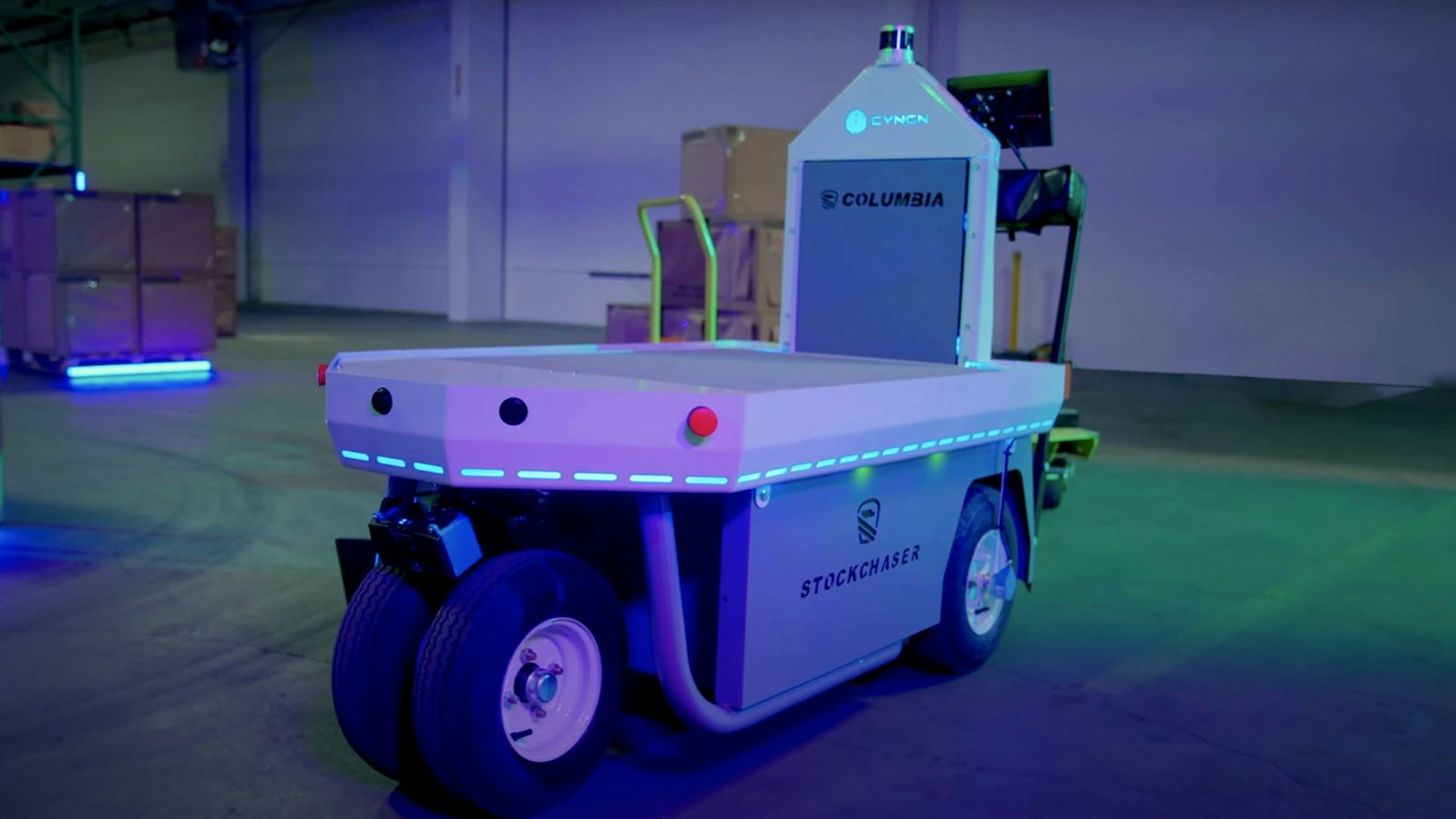
Physical intelligence refers to the ability of robots to understand, sense, and interact with their physical environment effectively. This concept plays a crucial role in the development of robotics technologies, especially as robots are increasingly required to perform tasks in complex and dynamic settings such as warehouses and ports. At its core, physical intelligence encompasses a myriad of capabilities, including perception, manipulation, and navigation, which are driven by advanced artificial intelligence (AI) systems.
Traditionally, robots were designed to operate in controlled environments with predefined tasks. However, with the advent of AI technology, there has been a significant shift towards enabling robots to exhibit more autonomous and adaptive behaviors. These advancements allow robots to interpret sensory data, such as visual input from cameras or spatial data from LiDAR scanners, and to dynamically adjust their actions based on real-time feedback from their surroundings.
In the context of warehouses and ports, the importance of physical intelligence cannot be overstated. For instance, robots equipped with physical intelligence can efficiently navigate through aisles filled with inventory, avoiding obstacles and optimizing routes. Such capabilities not only increase operational efficiency but also enhance safety, as robots can detect and respond to human presence or other unforeseen challenges in their environment.
Moreover, the integration of AI enhances a robot’s ability to learn from experience, further improving its performance over time. As robots gather data about their physical interactions, they can refine their actions through machine learning algorithms, allowing them to adapt to new tasks and logistical demands seamlessly. Through these technologies, physical intelligence is evolving, ultimately shaping the future of robotic applications in key industries.
Understanding Airoli’s Logistics Landscape
Airoli, located in the northern part of Navi Mumbai, is strategically positioned near key transportation routes, making it a pivotal hub for logistics and warehousing operations in the region. The geographical advantages associated with Airoli include its proximity to major highways, railways, and the Jawaharlal Nehru Port, which facilitates the swift movement of goods. This unique position enables seamless connectivity between suppliers and customers, enhancing the efficiency of supply chain operations.
Airoli’s warehouses handle a substantial volume of goods, with imports and exports ranging from consumer electronics and textiles to pharmaceuticals and food products. The types of products in circulation are diverse, catering to both local and international markets. Recently, the demand for rapid fulfillment and timely deliveries has surged, further emphasizing the importance of optimizing logistics operations within this area.
Despite the advantageous location and growing volume of goods managed, Airoli’s logistics industry faces several challenges that require innovative solutions. One of the primary hurdles is the congestion often experienced on surrounding roadways, which can lead to delays in transportation and increased operational costs. Additionally, the workforce in the logistics sector is frequently strained by labor shortages, demanding enhanced automation and the implementation of advanced technologies.
Moreover, Airoli’s logistics landscape must also navigate environmental sustainability concerns. As companies strive to reduce their carbon footprint, transitioning to more eco-friendly practices and technologies becomes essential. The integration of robots and automated systems can play a vital role in addressing these challenges, increasing productivity while simultaneously aligning with sustainability efforts. The evolution of Airoli’s logistics operations will be significantly influenced by these factors, prompting a shift toward more automated solutions to adapt to the changing market demands.
The Role of Robots in Modern Warehousing
The integration of robots in modern warehousing has revolutionized inventory management, sorting, and packing processes. These advancements are facilitated by a variety of intelligent systems and technologies, such as automation systems, artificial intelligence (AI), and the Internet of Things (IoT), all of which contribute to enhanced operational efficiencies.
Robots are increasingly used for sorting goods, where they can quickly and accurately identify items through advanced visual recognition systems. This capability significantly reduces human error and accelerates the sorting process, allowing warehouses to manage higher volumes of products in shorter time frames. Furthermore, the use of autonomous mobile robots (AMRs) in large warehouse spaces enables efficient transport of goods between different sections, minimizing downtime typically associated with manual labor.
In packing operations, robots equipped with precise robotic arms optimize the packing process by organizing and packaging items according to predetermined specifications. Using smart algorithms, these robots can adapt to varying product sizes and shapes, making them highly versatile. This adaptability not only improves packing speed and accuracy but also increases the overall throughput of the warehouse.
Moreover, the deployment of IoT devices in conjunction with robots facilitates real-time monitoring and data analysis, allowing for predictive maintenance and improved warehousing strategies. By leveraging AI, warehouses can analyze data patterns to forecast stock requirements, thereby optimizing inventory management and reducing excess stock. Together, these technologies create a seamless flow of information that supports decision-making and further enhances operational efficiencies.
Overall, the role of robots in modern warehousing is pivotal as they help achieve higher levels of efficiency, accuracy, and productivity. As warehouses increasingly embrace these technologies, the automation landscape is set to evolve, further transforming how goods are handled and processed in the supply chain.
Advantages of Integrating Robotics in Airoli Ports
The deployment of robots in port operations, particularly in Airoli, offers a multitude of advantages that enhance productivity and effectiveness. One of the primary benefits is the significant increase in operational efficiency. Robots can perform repetitive tasks with speed and precision, such as loading and unloading cargo, thereby minimizing turnaround time for vessels. For instance, automated cranes, equipped with advanced sensors and AI algorithms, can streamline the loading process, permitting a higher volume of containers to be processed in a shorter period.
Another crucial advantage is the reduction in human labor requirements. By automating certain tasks, ports can shift human resources from manual labor to roles that require strategic oversight and decision-making. This pivot not only allows for better allocation of workforce capabilities but also mitigates the risks associated with labor shortages, which can often disrupt port operations.
Moreover, the integration of robotics contributes to improved safety protocols. Robots are designed to work in hazardous environments and can undertake tasks that would pose significant risks to human workers. For instance, autonomous forklifts can navigate challenging terrains and transport heavy loads without the risk of accidents that might occur in crowded or chaotic settings.
Finally, the utilization of robots results in noticeable cost reductions. While the initial investment in robotic systems may be substantial, the long-term savings across operations are significant. Diminished labor costs, reduced accident-related expenditures, and enhanced operational efficiency collectively lead to lower overall operating expenses. As Airoli ports continue to modernize with robotics, these advantages are expected to foster not only a more efficient workflow but also a competitive edge in the global shipping industry.
Physical Intelligence: Can Robots Scale Up?
The scalability of physical intelligence in robots is a critical aspect that determines their effectiveness in a variety of environments, particularly in warehouse and port operations. Scalability refers to the ability of robots to perform various tasks across different settings efficiently. Several factors influence this scalability, which can substantially enhance the utility of robots in industrial applications.
Firstly, adaptability is a primary factor influencing the scalability of robotic systems. Robots must be designed to execute multiple tasks, from lifting and moving goods to sorting and packaging. An adaptable robot can easily transition from one task to another, depending on the demands of the warehouse or port operations. The incorporation of advanced machine learning algorithms enables robots to learn from their environment and improve their performance over time, which is essential for dealing with diverse warehouse layouts and cargo types.
Another significant consideration is the complexity of the operating environment. Warehouses and ports often present dynamic, unpredictable conditions that require robust situational awareness. Robots equipped with sophisticated sensors and AI can perceive their surroundings, recognize obstacles, and make informed decisions. This complexity necessitates ongoing advancements in robotics technology to ensure that robots can operate effectively in varying environments without human intervention. As robotic capabilities expand, they’ll be capable of handling more intricate tasks and adapting to new challenges.
However, limitations do exist. The initial cost of implementing advanced robotic systems can be prohibitive, particularly for smaller operations. Additionally, ensuring that robots can communicate seamlessly with existing infrastructure poses another challenge. Addressing these limitations requires continued research and innovation in the field of robotics.
In conclusion, while there are challenges to overcome, the scalability of robots powered by physical intelligence holds significant promise for the future of warehouse and port operations, provided that technological advancements continue to support their adaptability and effectiveness.
Challenges and Limitations of Robotics in Warehousing and Ports
The integration of robotic systems in Airoli warehouses and ports presents numerous challenges and limitations that potentially hinder their widespread adoption. One primary concern is the technical hurdles associated with the development and implementation of robotic platforms. Advanced robotics require sophisticated algorithms and sensors to navigate complex environments, which can be onerous to design and maintain. The constantly changing layout of warehouses and the dynamic nature of port operations further complicate these systems, necessitating ongoing upgrades and adjustments to enhance robustness and reliability.
Another significant issue pertains to the workforce. The introduction of robotics can create apprehension among employees regarding job security, leading to resistance to new technologies. Skilled workers are essential for the effective deployment and operation of robotic systems; without adequate training and education, the potential benefits of automation may not be fully realized. Additionally, the transition from manual to automated processes necessitates a cultural change within organizations, which can be met with reluctance.
Maintenance of robotic systems represents another pivotal challenge. These machines are not only expensive to install but also require regular upkeep to ensure optimal performance. Over time, wear and tear can degrade functionality, leading to increased downtime and reduced productivity. Moreover, a shortage of skilled technicians capable of performing maintenance on advanced robotic systems exacerbates this issue, potentially leading to operational inefficiencies.
Lastly, there remains a need for human oversight in certain tasks. While robotics can handle repetitive and monotonous tasks effectively, humans still play a vital role in decision-making and complex problem-solving scenarios. The complementarity of human intelligence and robotic efficiency must be recognized, as complete automation may not always be feasible or economically viable.
Case Studies: Successful Implementation of Robotics in Airoli
Airoli, a bustling hub for warehousing and ports, has witnessed significant advancements due to the adoption of robotic technology. Several case studies illustrate the impact and effectiveness of robotics, showcasing the methods of implementation, measurable outcomes, and lessons learned. One notable case is the integration of Automated Guided Vehicles (AGVs) in a major warehousing facility.
In this facility, AGVs were introduced to optimize the transportation of goods within the warehouse. The implementation process began with a pilot program, where a small fleet of AGVs was tested to assess their operational efficiency and reliability. Over a span of six months, the facility reported a 30% increase in the speed of goods movement, enabling the facility to reduce delivery times significantly. Moreover, the AGVs minimized human error, which often resulted in costly mistakes in order fulfillment.
Another successful initiative can be seen in the automated sorting systems employed at the Airoli port. This system utilizes advanced algorithms and robotics for sorting packages, streamlining the logistics process. The implementation involved a comprehensive training program for the employees, ensuring a harmonious collaboration between human labor and robotic systems. Following the integration, the port observed a 50% reduction in sorting errors, which directly improved customer satisfaction and operational efficiency.
These case studies shed light on pivotal lessons learned: first, the necessity of conducting thorough feasibility studies before implementation; second, the importance of training staff to work alongside robotic systems; and lastly, the need for ongoing assessment to adapt to emerging challenges. Such insights are vital as Airoli continues to leverage robotic technology in enhancing its warehousing and port operations, showcasing how robotics can redefine efficiency in logistics.
The Future: Trends and Innovations in Robotics
The logistics sector, particularly in Airoli, is witnessing a profound transformation thanks to advancements in robotic technology. This evolution is characterized by several emerging trends and innovations that enhance efficiency, precision, and productivity in warehouse and port operations.
One prominent trend is the integration of artificial intelligence (AI) within robotic systems. AI advancements empower machines to process vast amounts of data and make decisions in real-time, improving operational efficacy. Robots equipped with AI can learn from their environment, adapt to dynamic conditions, and optimize routing for picking and storage tasks. This capability not only reduces operational costs but also minimizes human error, positioning AI as a cornerstone of future logistics.
Collaborative robots, or cobots, are also gaining traction in Airoli’s logistics framework. Unlike traditional industrial robots that operate independently, cobots are designed to work alongside human workers safely and efficiently. They can assist with repetitive tasks such as sorting, packing, and transporting goods, thus allowing human employees to focus on more complex functions. The collaborative nature of these robots ensures that the workforce remains engaged while enhancing productivity, making them a viable solution for operators looking to innovate without replacing their existing labor force.
Furthermore, the development of next-generation sensor technologies is revolutionizing how robots navigate and interact with their surroundings. Advanced sensors provide real-time data on inventory levels, warehouse layouts, and environmental conditions, allowing robots to function more effectively. These sensors enhance the robots’ ability to detect obstacles, optimize movements, and ensure a seamless flow of operations. As these technologies continue to evolve, the logistics sector in Airoli stands to benefit from enhanced operational insights and increased safety measures.
Conclusion: Embracing a Robotic Future in Airoli’s Logistics
As the logistics landscape in Airoli evolves, the incorporation of robotics into warehouse and port operations proves to be an essential factor in enhancing productivity and efficiency. The adoption of robotic systems allows for significant improvements in handling processes, reducing human error, and streamlining workflows. Furthermore, robots can operate around the clock, facilitating faster turnaround times for goods and ensuring that supply chain demands are met promptly. This shift not only reinforces operational effectiveness but also contributes to a more sustainable and cost-efficient model by relieving human workers from monotony and hazardous tasks.
The continued advancement of robotics technology entails not just the automation of existing tasks, but an overarching transformation in how logistics will function in Airoli. As the infrastructure integrates artificial intelligence with physical intelligence, organizations can expect a more adaptive logistics ecosystem that predicts challenges and responds dynamically. Enhanced data analytics capabilities provided by these robotic integrations will also enable organizations to make more informed strategic decisions based on real-time information.
In this perceptively robotic future, the collaboration between human workers and machines will become increasingly vital. Training programs to upskill the workforce will be paramount, ensuring that employees can successfully interface with robotic systems. This harmonious relationship will foster an environment of innovation and improvement, ultimately leading to unprecedented levels of efficiency within Airoli’s logistics sector.
Looking ahead, the potential for the evolution of physical intelligence within Airoli’s warehouses and ports is immense. As robotics continue to innovate and adapt, so too will the strategies employed in logistics, making it imperative for stakeholders to embrace this transformational journey. By prioritizing integration and collaboration, Airoli’s logistics sector can truly harness the power of technology to redefine operational excellence.