Introduction to the Kurukshetra War
The Kurukshetra War, a pivotal event chronicled in the ancient Indian epic, the Mahabharata, showcases a profound clash between the two cousins, the Pandavas and Kauravas. This monumental battle, believed to have taken place around 3100 B.C., not only holds immense cultural significance but also serves as a rich source of philosophical insights on ethics, morality, and the human condition. It is a narrative that transcends mere historical recounting, delving into the complexities of righteousness (dharma) and the consequences of war.
At the heart of the conflict are the two factions: the Pandavas, known for their adherence to virtue and moral principles, and the Kauravas, who are often depicted as embodiments of envy and avarice. The underlying causes of the war stem from a familial dispute over succession and rightful rule, exacerbated by deception and a desire for power. Each faction represents varied shades of human emotion, duty, and consequence—elements that give the narrative its enduring relevance.
The Kurukshetra War is not just a tale of opposing forces; it is a deep exploration of the dilemmas faced by individuals in battle. Characters such as Arjuna, a warrior torn between duty and morality, encapsulate the ethical quandaries inherent in warfare. This conflict raises significant questions: What is the role of morality in war? How can one reconcile the imperatives of duty with the violence that warfare entails? These themes resonate not only in the context of the epic but also invite reflection in our contemporary milieu, where modern warfare increasingly grapples with similar ethical considerations.
As we delve into the contemporary relevance of the Kurukshetra War, particularly through the lens of modern artificial intelligence warfare, it becomes imperative to understand the foundations laid by this ancient conflict. The lessons gleaned from the Mahabharata’s narrative equip us with insights that are crucial in evaluating the moral frameworks guiding present-day military engagements.
The Evolution of Warfare: From Ancient Battles to AI Technology
The history of warfare is marked by constant evolution, driven by technological innovations that have transformed the nature of combat. From the rudimentary tools used in ancient battles such as the Kurukshetra War to today’s sophisticated AI-driven technology, each era has defined its military strategies based on the available resources and advancements.
In ancient times, warfare relied predominantly on hand-to-hand combat, utilizing weapons made from stone, bronze, and iron. The famous Kurukshetra War serves as a quintessential example of valor and strategy during such times. Tactics were often based on troop formations and the morale of soldiers rather than technology. The introduction of horses and chariots marked a significant turning point, facilitating greater mobility and speed on the battlefield.
As centuries progressed, the transition continued with the advent of gunpowder, artillery, and firearms, which revolutionized how wars were fought. These developments enabled armies to engage from a distance, shifting the focus towards firepower and strategy rather than sheer physical strength alone. The two World Wars exemplify how mechanized warfare evolved, with tanks, aircraft, and advanced communication systems becoming indispensable components of military strategy.
In the contemporary landscape, we witness a further transformation with the emergence of artificial intelligence and autonomous systems. The integration of AI technology in warfare is groundbreaking, enabling unmanned aerial vehicles (drones) to conduct surveillance and execute strikes with precision. This shift not only enhances tactical capabilities but also minimizes the risk to human life. Such advancements parallel the revolutionary changes seen during the Kurukshetra War, where leaders utilized their intellect and strategies to navigate complex battle environments.
In essence, the evolution of warfare reflects a continuous cycle of adaptation and innovation, continuously reshaping the way conflicts are approached. The interplay between ancient valor and modern technology signifies an ongoing transformation in military tactics, crucial for understanding future engagements.
The Role of Drones in Modern Warfare
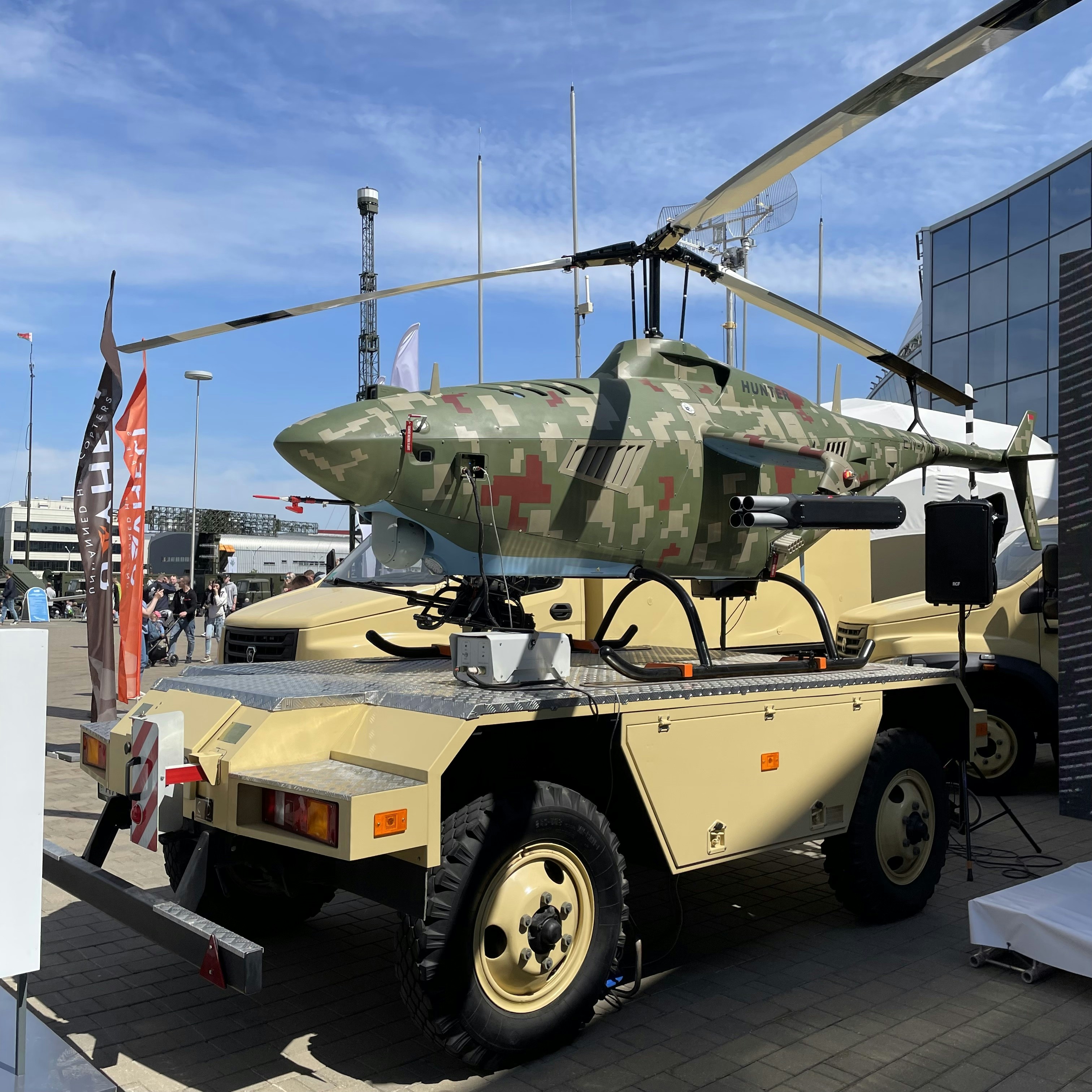
In contemporary military conflicts, the integration of artificial intelligence (AI) into drone technology has fundamentally transformed how wars are fought and strategies are developed. Drones equipped with advanced AI capabilities play crucial roles in surveillance, targeted strikes, logistics, and intelligence gathering, reshaping battlefield dynamics and decision-making processes.
One of the primary functions of AI drones is surveillance. These unmanned aerial vehicles (UAVs) can observe vast areas enabling military commanders to gather real-time intelligence without putting human lives at risk. Equipped with sophisticated sensors and cameras, drones can collect high-resolution imagery and data analytics that enhance situational awareness. This capability allows for proactive planning and execution of military operations, ensuring greater operational effectiveness.
Targeted strikes represent another significant application of drones in modern warfare. AI-driven drones can be programmed to identify specific targets based on predetermined criteria, thereby increasing precision and reducing collateral damage. The implementation of smart targeting algorithms enables drones to operate autonomously in complex environments, making split-second decisions that can effectively neutralize threats. However, such capabilities also raise ethical concerns regarding accountability in the context of lethal force.
Drones also serve vital logistical roles in operational theaters. They can deliver crucial supplies to troops stationed in remote or hostile areas, enhancing resupply operations and troop sustainment. Furthermore, by automating logistical tasks, these AI drones free human resources for more strategic roles, thus increasing overall military efficiency.
Intelligence gathering becomes more sophisticated with drones as well. The ability to integrate drone-collected data with AI algorithms enables advanced analysis, providing military leaders with actionable insights that can shape tactical decisions. In essence, the multifaceted roles of AI drones in modern warfare underscore a paradigm shift towards more technologically advanced military capabilities, echoing themes often explored in historical epic narratives like the Kurukshetra War.
The Armies of Kurukshetra: A Comparison with AI Drones
The Kurukshetra War, an epic battle detailed in the Indian epic Mahabharata, was marked by the valor and sheer human willpower of its warriors. Notable figures such as Arjuna and Bhishma demonstrated martial prowess, strategic acumen, and deep ethical considerations in their approach to warfare. The conflict was not merely a contest of might; it was underpinned by philosophies that governed the character and decisions of its leading figures. Arjuna, known for his unparalleled archery skills, exemplified dedication and moral complexity in his quest for righteousness. Bhishma, endowed with formidable strength and wisdom, stood as a paragon of duty, having sworn allegiance to the throne of Hastinapura despite the internal strife.
In contrast, the emergence of artificial intelligence (AI) in modern warfare has revolutionized military strategies, emphasizing precision, efficiency, and calculated decision-making. AI-equipped armies deploy drones that operate with remarkable accuracy, capable of engaging targets with minimal human intervention. These unmanned aerial vehicles can gather intelligence, conduct surveillance, and execute strikes based on algorithms designed to identify threats swiftly and effectively. Such capabilities exemplify a shift from the valor-driven motivations of human warriors to a system dominated by data analysis and operational metrics.
This stark dichotomy highlights the fundamental differences between the ancient and modern constructs of warfare. On one hand, the armies of Kurukshetra were fueled by honor, ethics, and the emotional weight of their commitments, creating a battlefield that was as much about individual valor as it was about military outcome. Conversely, AI drones symbolize a clinical approach to warfare where human emotion is largely absent, replaced instead by technological prowess. This raises questions about the very essence of what it means to be a warrior—should valor be defined by emotions and ethical dilemmas or by sheer efficiency and technological superiority?
Strategic Advantages of AI Warfare
The introduction of artificial intelligence (AI) in modern warfare presents several strategic advantages, particularly through the use of intelligent drones. One of the primary benefits is enhanced accuracy. AI-powered drones can analyze vast amounts of data and integrate various inputs, such as satellite imagery and intelligence reports, to select optimal targets. This precision decreases the likelihood of collateral damage, which is a crucial aspect of contemporary military engagements.
Additionally, employing AI drones significantly reduces casualty rates for military personnel. With the ability to execute missions remotely, the risk to human operators is mitigated. This shift not only protects soldiers but also allows military strategists to undertake operations with greater daring, relying on technology that can perform high-risk tasks without endangering lives directly in the combat zone.
AI warfare also excels in real-time data processing. Modern conflicts often unfold rapidly, and the capacity to process information instantly gives military forces a crucial edge. AI can sift through data from multiple sources – including reconnaissance, weather conditions, and enemy troop movements – to provide actionable intelligence at a moment’s notice. Such advancements facilitate more informed decision-making and allow for on-the-fly adjustments to strategies during engagements.
Moreover, the use of AI in warfare opens avenues for psychological operations. The presence of unmanned systems in combat can instill fear among adversaries, as they become aware of the capabilities and reach of such technology. The psychological impact of autonomous drones could serve as a deterrent, potentially averting conflicts before they escalate.
Nevertheless, the use of AI also raises ethical concerns. Issues regarding accountability, the potential for misuse, and the dehumanization of warfare merit serious consideration as military forces continue to integrate these technologies into their arsenals.
Case Studies of AI Drone Utilization in Modern Conflicts
The application of artificial intelligence in military operations has evolved significantly over the past few decades, with unmanned aerial vehicles (UAVs) becoming a pivotal component in modern warfare. A noteworthy example is the use of AI drones in the 2020 Nagorno-Karabakh conflict between Azerbaijan and Armenia. During this conflict, Azerbaijan effectively deployed drones in reconnaissance and targeted attacks, utilizing AI algorithms to enhance decision-making in real-time. The drones were capable of identifying and striking tactical targets with remarkable precision, leading to successful outcomes that showcased how AI can reshape traditional combat strategies.
Another compelling case study is the use of AI drones by the United States in the ongoing counter-terrorism operations in the Middle East. Here, drones are equipped with sophisticated AI systems that analyze vast amounts of intelligence data, allowing operators to make informed decisions quickly. The integration of AI helps minimize collateral damage by enabling the identification of high-value targets while reducing the risk to military personnel. This mirrors the strategic calculations made during the Kurukshetra War, where key decisions were based on real-time assessments of the battlefield.
Furthermore, Israel’s Iron Dome defense system exemplifies how AI-enhanced drones can protect against aerial threats. This system uses machine learning to distinguish between incoming missiles and non-threatening objects, thereby optimizing interception efforts. This situation is reminiscent of the strategic defenses employed during the Kurukshetra War, where understanding the enemy’s tactics was crucial for safeguarding one’s own forces.
In these modern conflicts, the lessons learned from historical battles, such as those depicted in the Kurukshetra War, are being reinterpreted through the lens of AI technology. As military strategies continue to evolve, the integration of AI in drone warfare not only exemplifies advancements in technology but also raises ethical considerations about the future of combat.
Ethical Implications of AI in Warfare
The integration of artificial intelligence (AI) in warfare, particularly through the use of drones, raises pressing ethical concerns that demand careful consideration. One of the primary moral dilemmas is the responsibility of human operators who oversee these autonomous systems. The delegation of life-and-death decisions to algorithms blurs the lines of accountability, as it becomes challenging to ascertain who is responsible for the actions of an AI weapon. In scenarios where AI systems operate independently, the risk of erroneous targeting or unintended attacks on civilians escalates the stakes.
Another critical ethical consideration revolves around the transparency of AI decision-making processes. Autonomous systems often operate based on complex algorithms that can be opaque, making it difficult for operators to understand or predict the outcomes of their decisions. This lack of transparency raises concerns about the dehumanization of warfare, where operators might distance themselves from the moral implications of their actions due to reliance on technology. Additionally, in instances of machine learning, AI systems can evolve and adapt in unpredictable ways, potentially leading to outcomes that conflict with humanitarian principles.
The potential for unintended consequences presents a further ethical challenge. AI in warfare may inadvertently escalate conflicts or lead to scenarios where unintended targets are engaged. This situation not only endangers civilian lives but also risks exacerbating tensions between opposing factions. Moreover, reliance on AI-driven systems may foster a sense of impunity among military operatives, who may perceive the human cost of conflict in abstract terms rather than confronting its immediate realities.
In light of these complexities, establishing clear ethical guidelines and frameworks is imperative for responsible AI integration in warfare. Such guidelines should encompass accountability mechanisms, transparency standards, and considerations for the ethical treatment of all affected parties. By facilitating a rigorous dialogue on these implications, we can better navigate the intersection of AI technology and human morality in the context of modern warfare.
The Future of Warfare: Lessons from Kurukshetra and AI Integration
The Kurukshetra War, a significant epic in ancient Indian lore, offers profound insights that remain relevant in understanding modern conflict dynamics, particularly as we transition into an era dominated by artificial intelligence (AI). The lessons learned from this historic clash can guide military strategists as they navigate the complexities introduced by AI technologies in warfare.
As we envisage the future of warfare, it is essential to recognize that AI is transforming battlefields by enabling faster decision-making and precision targeting. The application of machine learning algorithms and autonomous systems can significantly alter how conflicts are conducted. For instance, drone warfare exemplifies how AI can enhance reconnaissance and strike capabilities, similar to the strategies employed in the planning stages of the Kurukshetra War, where extensive strategies were crafted before each battle commenced.
Moreover, the ethical implications of AI integration in warfare pose critical questions reminiscent of the moral dilemmas faced by the warriors of Kurukshetra. The choices made in warfare during that time were laden with philosophical and moral weight; today, the deployment of AI must contend with similar ethical considerations, such as the decision to remove human intervention in combat scenarios. As AI machines become integral to tactical operations, issues surrounding accountability and the preservation of humanitarian laws gain prominence.
Furthermore, as Kurukshetra can be viewed as a microcosm of the broader human experience in conflict, the future of warfare—shaped by AI—must address emerging threats that are less predictable than traditional forms of warfare. Cyber warfare, insurgency fueled by AI, and information warfare are likely to become predominant forms of conflict. These evolving landscapes require adaptability and strategic foresight akin to those of ancient leaders who faced unprecedented challenges on the battlefield.
Conclusion: Bridging Ancient Wisdom and Modern Technology
The Kurukshetra War, an epic tale deeply rooted in ancient Indian scriptures, serves as a profound narrative that highlights the values of strategy, honor, and valor. These principles, although shaped in an ancient context, resonate with the challenges faced in contemporary warfare, particularly with the introduction of advanced technologies such as artificial intelligence (AI) and drone operations. As military practices evolve, reflecting on the wisdom of the past becomes paramount in ensuring ethical conduct in the battlefield.
The lessons derived from the strategies employed by the great warriors in the Kurukshetra War can be instrumental in formulating guidelines for the ethical deployment of AI. The emphasis on dharma—righteousness and duty—illustrates the importance of moral considerations, which must be front and center in decisions regarding the use of autonomous systems. Just as Arjuna faced a moral dilemma on the battlefield, modern military leaders are confronted with ethical questions surrounding the automation of warfare. Balancing national security interests with humanitarian considerations remains a critical discourse in today’s military strategy.
Moreover, the ancient valor displayed during the Kurukshetra War can serve to inspire leaders in ensuring accountability and transparency within the realm of automated warfare. The integration of technology in warfare must not lead to a detachment from ethical norms and responsibilities. This synthesis of ancient wisdom and modern technological advancements can foster a more humane approach to conflict, aiding nations in navigating the complexities of contemporary military engagements while honoring the principles laid down by their historical predecessors.