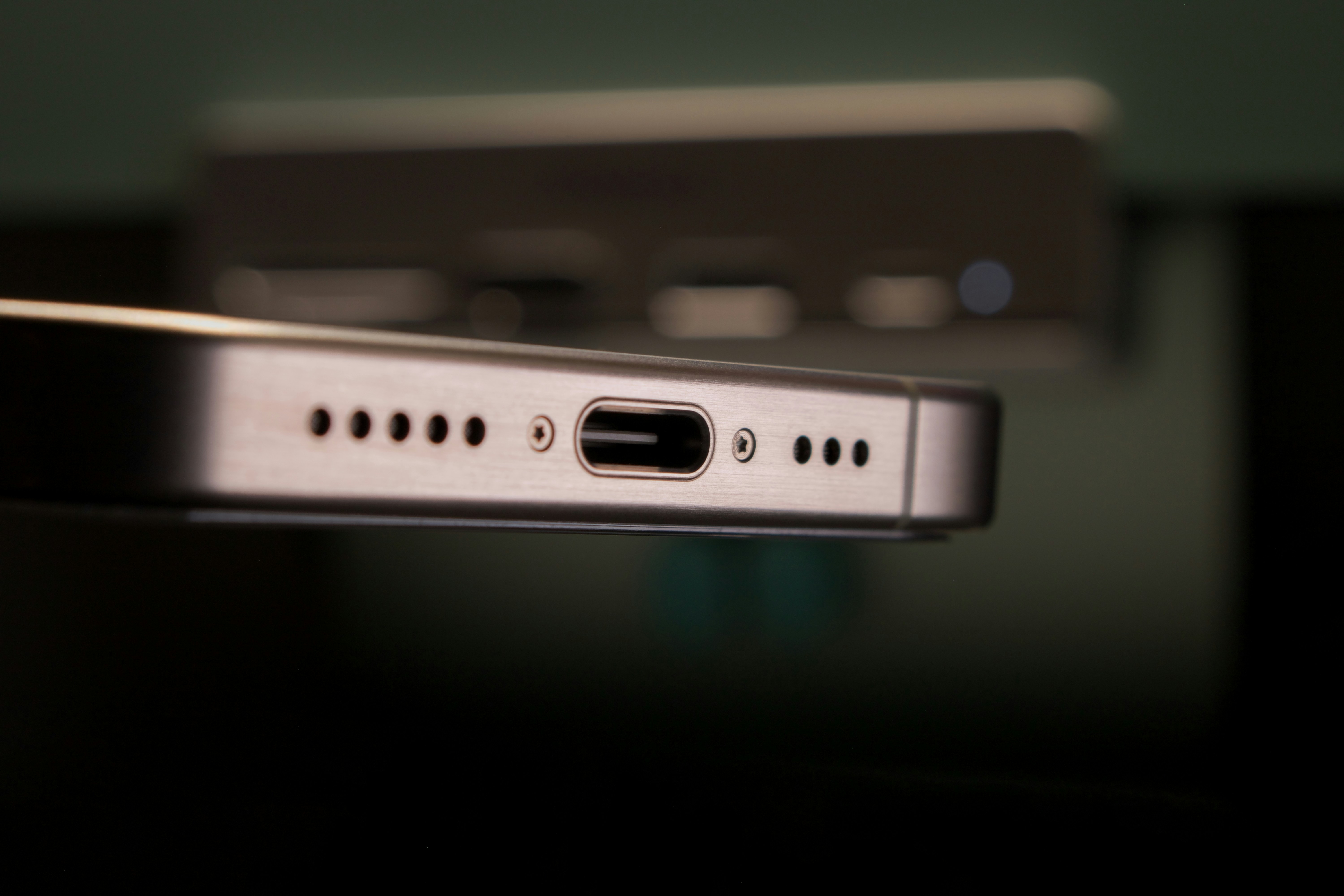
Introduction to Thunderbolt Technology
Thunderbolt technology represents a significant advancement in the realm of computer connectivity, allowing high-speed data transfer between computers and peripherals through a single cable. Initially introduced by Intel in collaboration with Apple, Thunderbolt combines the functionality of several different technologies, including PCI Express and DisplayPort, to deliver unprecedented performance and versatility.
At its core, Thunderbolt is designed to address the mounting demand for faster data transfer rates as well as the need for simplified connections between various devices. Historically, transferring large files and media has presented challenges due to limitations in existing interfaces. The advent of Thunderbolt technology has transformed this landscape, supporting data transfer speeds of up to 40 Gbps in its latest iterations, which is markedly faster than its predecessors.
Moreover, Thunderbolt technology holds significant value in specific professional sectors such as video editing, 3D rendering, and complex scientific calculations, where large data transfers are routine. The multifunctional nature of Thunderbolt allows for daisy-chaining multiple devices, enabling users to connect multiple displays, external storage drives, and other peripherals to a single port, thereby maximizing efficiency and convenience.
In an age where the integration of various technologies is increasingly paramount, Thunderbolt stands out as a pivotal development. Its growing adoption signals a shift toward more streamlined workflows and higher performance capabilities. This overview sets the foundation for a deeper exploration of Thunderbolt’s origins, specifically its original code name, Light Peak, and the motivations that led to its creation.
Understanding the Need for High-Speed Data Transfer
In the ever-evolving landscape of technology, the demand for high-speed data transfer has become increasingly significant. With the proliferation of digital devices, multimedia content, and complex applications, the limitations of traditional data transfer methods have become apparent. High-definition video streaming, large file transfers, and real-time data synchronization require robust solutions that can handle large volumes of data with minimal latency.
The introduction of advanced technologies and applications, such as artificial intelligence and big data analytics, has further exacerbated this need for speed. As these systems require substantial amounts of data to be processed and analyzed swiftly, conventional interfaces, like USB and FireWire, often fail to meet the necessary bandwidth requirements. This has made it imperative for developers and manufacturers to seek innovative technologies that can support simultaneous data transmission with high efficiency.
One of the most noticeable trends driving the demand for rapid data transfer is the rise of ultra-high-definition content. As more consumers adopt 4K video, video conferencing, and virtual reality experiences, the need for significant data throughput has surged. Consequently, technologies that can facilitate fast data movement are not just preferred—they are essential. Moreover, as industries embrace digital transformation, the shift toward cloud computing and online services necessitates faster connection speeds to enhance user experiences and maintain operational efficiency.
This evolving demand for higher data transfer rates culminated in the genesis of Thunderbolt technology. Initially developed under the codename Light Peak, its aim was to facilitate unprecedented speed and connectivity in personal computing and data transfer. By providing a direct response to the limitations of existing technologies, Thunderbolt emerged as a solution that effectively addressed the pressing need for faster, more reliable data transfer in a data-intensive world.
What is Light Peak?
The term Light Peak refers to an innovative technology initially developed by Intel, aimed at creating a universal connection standard for various electronic devices. Introduced in 2009, Light Peak was conceived to enable high-speed data transmission, leveraging optical fiber instead of traditional copper wiring. The rationale for naming it Light Peak stems from its foundational technology—the use of light for transferring vast amounts of data at unprecedented speeds. This optical approach promised not only enhancements in bandwidth but also significant reductions in latency.
At the time of its development, the implications of Light Peak were significant. With the increasing demand for higher data transfer rates, especially with the rise of high-resolution media and data-heavy applications, there was a clear necessity for a new standard. Light Peak was envisioned to cater to this emerging trend, providing up to 100 Gbps transmission rates, which were staggering figures compared to the capabilities of existing technologies.
Moreover, the potential of Light Peak extended beyond speed. Its design allowed for a versatile and simple connection interface, which could support a multitude of devices within a single cable. As a result, users could connect everything from storage devices to monitors and audio equipment without the hassle of multiple cables and connectors. This was particularly appealing for both consumers and manufacturers, as it streamlined the connectivity landscape while enhancing the overall user experience.
Therefore, Light Peak not only represented a technical achievement but also embodied a vision for the future of connectivity in a progressively digital world. Despite its evolution into Thunderbolt technology, the legacy of Light Peak remains a pivotal milestone in the journey towards faster, more efficient data transmission.
The Development of Thunderbolt Technology
The evolution of Thunderbolt technology began with the initial concept known as Light Peak. Introduced by Intel in 2009, Light Peak was characterized by a flexible fiber optic technology aimed at achieving high-speed data transfer rates. This innovation was fueled by the growing demand for faster communication standards in the face of expanding multimedia content and evolving computing technology.
One key challenge faced during the development of Light Peak was the integration with existing electrical technology. Initially envisioned as purely a fiber optic solution, developers encountered limitations when it came to compatibility with existing devices. To address this, Intel proposed a hybrid approach that combined both optical and electrical signals, effectively allowing Thunderbolt technology to function over traditional copper cables while utilizing the high-speed capabilities of fiber optics.
The breakthrough moment came in 2011, when the first-generation Thunderbolt technology was officially launched. This marked a significant milestone in the evolution from Light Peak as it offered unprecedented data transfer speeds of up to 10 Gbps. Moreover, it incorporated daisy-chaining capabilities that allowed multiple devices to be connected through a single port, providing both versatility and efficiency. The collaboration with Apple, which integrated Thunderbolt into its MacBook line, further propelled its acceptance and use in consumer electronics.
The development of Thunderbolt technology continued with its subsequent iterations, including Thunderbolt 2 and Thunderbolt 3, each bringing enhancements in speed and power delivery. These advancements solidified Thunderbolt’s position as a leading connectivity standard in the computing industry. Moreover, ongoing investment in research and development persisted to ensure that Thunderbolt technology would meet the growing demands of future data-intensive applications.
Technical Specifications of Light Peak
Light Peak technology, which later evolved into what is known as Thunderbolt, was designed to meet the demands of high-speed data transfer, power delivery, and versatile connectivity options. Initially announced by Intel, this innovative technology aimed to enhance data transmission rates beyond what traditional interfaces could offer.
At its core, Light Peak was capable of achieving data transfer rates of up to 10 gigabits per second (Gbps). This speed was a significant leap forward, enabling the connection of multiple devices without the need for numerous cables. Light Peak utilized a fiber-optic cable, which allowed for high-speed data transmission over long distances while reducing signal interference, a common issue with copper-based connections.
In addition to high-speed data transfer, Light Peak had the potential to provide power delivery to devices, making it a multifunctional interface. This capability supported the notion of a single cable connection not only for data but also for powering devices. With this technology, users could connect their peripherals and charge them simultaneously using one cable, enhancing convenience and reducing clutter.
Another noteworthy aspect of Light Peak was its flexibility in terms of connectivity options. It could support various protocols and device types, including DisplayPort and PCI Express, facilitating connections to a wide range of devices like monitors, external storage, and docking stations. This multiplexing of protocols is a significant advantage, allowing users to streamline their setup with a single connection type.
Overall, Light Peak set the stage for the future of data connectivity, paving the way for advancements in both Thunderbolt technology and high-speed data transfer solutions that remain integral to modern computing today.
The Role of Intel in Light Peak’s Development
Intel Corporation played a crucial role in the development of Light Peak technology, which was later renamed Thunderbolt. The project was initiated in the late 2000s, driven by Intel’s vision to create a high-speed connection standard that would unify multiple forms of data transfer, including audio, video, and power transmission. This initiative aimed to address the limitations of existing interfaces by offering a single, versatile solution capable of achieving significantly higher data transfer rates.
In the early stages, Intel worked in collaboration with Apple, leveraging their mutual interests to refine the technology. Intel introduced the concept of optical connections for Light Peak, which allowed for faster transmission speeds over longer distances without the bottleneck identified in traditional copper-based connections. The initial demonstrations showcased impressive speeds, exceeding the capabilities of USB and HDMI at the time, and attracted significant attention from industry stakeholders.
A key aspect of Intel’s involvement was to envision the technology as a way to simplify connectivity. The company recognized that evolving consumer electronics would need a standardized method to connect a variety of devices seamlessly. This vision gave rise to the comprehensive interoperability of Thunderbolt, as it aimed to provide a single port capable of supporting multiple protocols, thereby eliminating clutter and enhancing user convenience.
Eventually, Light Peak was rebranded to Thunderbolt, aligning with Intel’s strategic direction to market the technology widely across different platforms and manufacturers. This change not only strengthened the branding but also marked the transition towards integrating Thunderbolt into a wider range of devices, such as laptops, desktops, and peripherals. Intel’s commitment to developing and promoting Thunderbolt signifies its dedication to shaping the future of connectivity.
Comparing Light Peak and Thunderbolt
The genesis of Thunderbolt technology lies in its predecessor, Light Peak, which was first unveiled by Intel in 2009. Designed as a high-speed optical connection, Light Peak promised data transfer speeds of up to 10 Gbps, utilizing a thin optical cable for connectivity. This initial design aimed to replace multiple data cables with a single versatile link capable of carrying both data and power. However, despite the innovative nature of Light Peak, the practical implementation faced limitations, particularly with respect to cost and the complex manufacturing of optical components.
When it came to the transition from Light Peak to Thunderbolt, several advancements were introduced. Thunderbolt retained the high-speed capabilities of Light Peak but enhanced its compatibility with copper wiring, which proved more economical and easier to manufacture at scale. The incorporation of DisplayPort and the ability to daisy-chain multiple devices distinctly set Thunderbolt apart, allowing for a more integrated and user-friendly experience. Furthermore, while Light Peak focused solely on optical connections, Thunderbolt benefited from a dual-channel approach, permitting simultaneous data and video transmission.
In terms of performance, Thunderbolt surpassed Light Peak with impressive data transfer rates reaching up to 40 Gbps in subsequent versions. This leap in speed, along with support for more extensive protocols enabled Thunderbolt to cater to a wider range of applications, including high-resolution displays and external storage solutions. Overall, the transition from Light Peak to Thunderbolt represented a significant evolution, allowing for broader adoption in consumer devices and professional setups, ultimately establishing Thunderbolt as a key player in the future of connectivity.
Market Reactions to Thunderbolt Launch
The technology community’s reception of Thunderbolt technology, introduced by Intel in 2011, underscores a pivotal moment on the path paved by its predecessor, Light Peak. Initially, the industry and consumers alike were intrigued by the potential speed and versatility Thunderbolt promised, positioning it as a revolutionary enhancement in data transfer technology. Unlike Light Peak, which was met with skepticism regarding both its practicality and implementation, Thunderbolt emerged with a heightened level of anticipation and broader industry support, significantly influencing the market dynamics.
Upon its launch, Thunderbolt technology gained immediate traction, particularly among creative professionals and enterprises that demanded high data transfer rates for tasks such as video editing and large file management. It offered a unique combination of high speed, reaching up to 10 Gb/s, alongside dual protocols supporting both DisplayPort and PCI Express. This innovative feature allowed for a single cable solution to power devices and transfer data simultaneously, which was a significant leap from traditional connectors.
The positive market reception was also attributed to strategic partnerships with major hardware manufacturers. Apple, a key supporter of the Thunderbolt standard, integrated it into several of its flagship products, ensuring robust visibility and adoption among its consumer base. Consequently, Thunderbolt quickly became synonymous with high-performance computing, drawing comparisons with USB and FireWire technologies and setting new standards for future developments.
Despite its initial successes, challenges remained. Market fluctuations and the ongoing evolution of competing technologies raised questions about the long-term viability of Thunderbolt. However, its ability to adapt and grow alongside technological advancements fortified its position within the marketplace, marking a successful transition from the modest beginnings of Light Peak. As we reflect on its introduction, Thunderbolt’s impact on both the industry and consumer expectations continues to shape the landscape of data connectivity.
Conclusion and Future of Thunderbolt Technology
As we examine the legacy of Light Peak, which marked the inception of Thunderbolt technology, it is clear that this innovation has transformed how we connect devices and transfer data. Initially introduced by Intel in 2011, Thunderbolt established itself as a high-speed interface, meeting the growing demands for efficient data transfer in an increasingly digital landscape. With speeds reaching up to 40 Gbps, it revolutionized connectivity for peripherals, storage devices, and displays. This technological progression has solidified Thunderbolt’s relevance in the tech industry, catering to professionals in media, design, and data-driven fields.
The future trajectory of Thunderbolt technology appears promising, as continuous advancements and refinements are made. Recent iterations have introduced enhanced capabilities, such as support for USB4, which not only preserves compatibility but also boosts performance. The integration of Thunderbolt with USB-C has further expanded its reach, allowing for universal connectivity that benefits a broad spectrum of users. This adaptability indicates that Thunderbolt technology will continue to be a vital component in the evolving landscape of digital interfaces.
Moreover, as industries increasingly prioritize speed and efficiency, future developments may focus on enhancing the scalability and versatility of Thunderbolt technology. The growing reliance on high-definition media, increased data processing demands, and the rise of remote work solutions ensure that there will be ongoing innovation in this field. Companies are likely to invest in further improving Thunderbolt’s capabilities to address emerging challenges, such as 8K video support and high-bandwidth applications.
In conclusion, the journey from Light Peak to the current Thunderbolt standard illustrates an impressive evolution in connectivity technology, and its sustained relevance in the tech industry heralds a future filled with potential advancements.