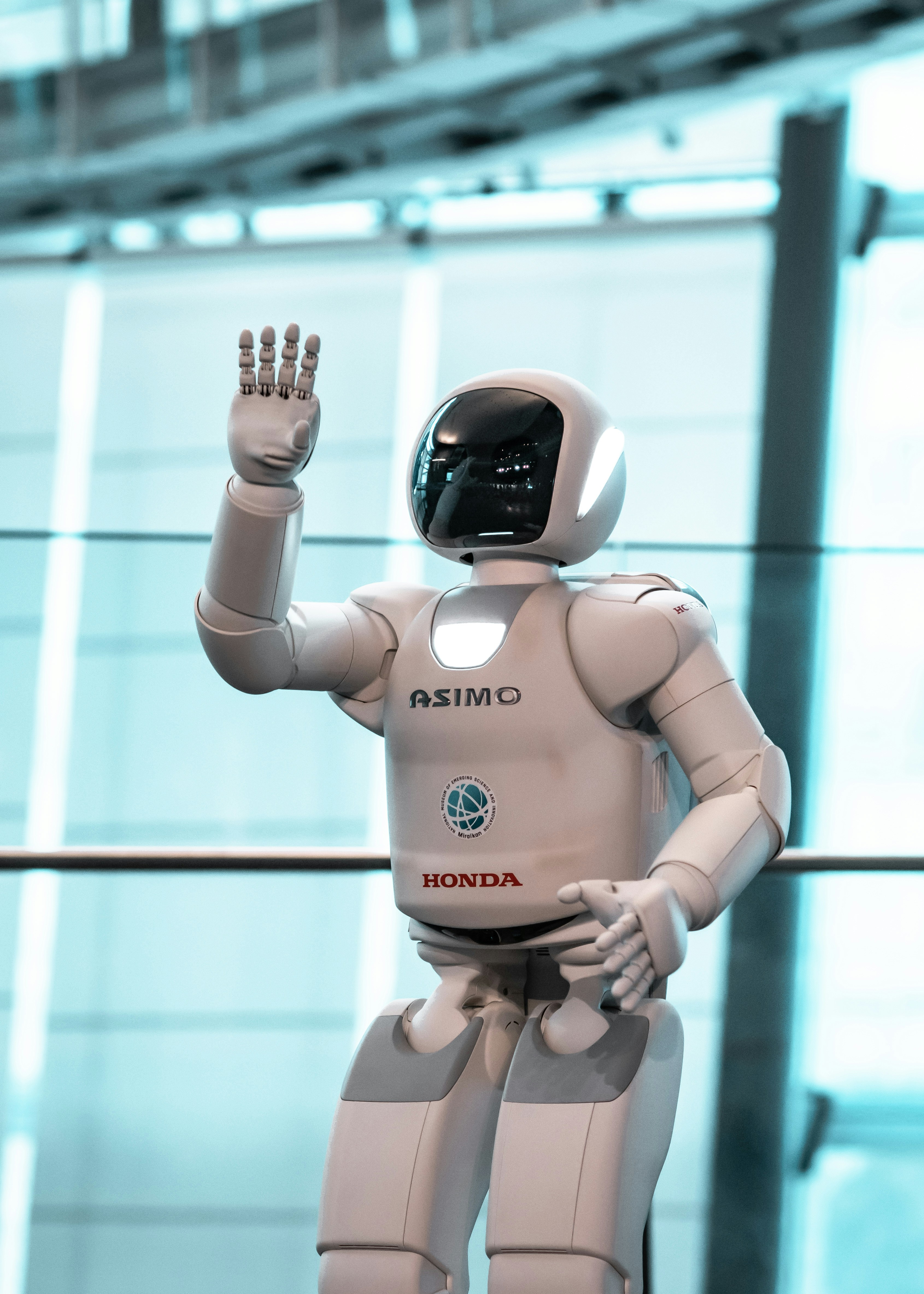
Introduction to Humanoid Robots
Humanoid robots are mechanical entities designed to facilitate human-like interactions through imitation of human appearance and behavior. They possess a structure that embodies the physical characteristics of humans, including a head, arms, and legs, enabling them to perform tasks typically associated with human discretion and dexterity. The design of these robots is meticulously crafted to optimize functionality in various environments, whether in domestic settings, industrial applications, or customer service scenarios.
The purpose of humanoid robots extends beyond mere aesthetic mirroring of humans; they serve practical roles that can address societal needs. For instance, humanoid robots are increasingly utilized in caregiving roles for the elderly and individuals with disabilities, providing both companionship and assistance with daily tasks. Additionally, their deployment in education and entertainment highlights their versatility and adaptability, bridging gaps in learning and engagement through interactive experiences.
The evolution of humanoid robots has been marked by significant advancements in technology and design. Early iterations of these robotic beings were limited in functionality, often restricted to simple movements and interactions. However, with the integration of artificial intelligence, advanced sensors, and sophisticated programming, contemporary humanoid robots display unparalleled dexterity and responsiveness. This evolution redefines expectations regarding robotics, particularly as it relates to their capability to perform intricate tasks traditionally reserved for skilled human labor.
As we delve further into the capabilities of humanoid robots, particularly in the realm of dexterity, it becomes evident that they are not merely machines; they represent a convergence of technology, design, and human aspiration. With ongoing research and development, the potential for humanoid robots to enhance human life continues to expand, paving the way for innovative applications and profound societal impacts.
Defining Dexterity in Robotics
In the realm of robotics, particularly in humanoid robots, dexterity is a critical characteristic that encompasses several aspects fundamental to effective interaction with the environment. Dexterity refers to the ability of a robot to perform complex movements with precision and control, enabling it to execute tasks that require fine motor skills, such as grasping, manipulating objects, and adapting responses to varying contexts.
Fine motor skills in robotic systems are akin to those seen in human counterparts. This entails the ability to execute intricate tasks, such as assembling components or enjoying interactive play, where accommodation to delicate or unyielding objects is imperative. Humanoid robots, with their articulated limbs and intricate joint systems, strive to mimic human-like dexterity. This similarity enhances their ability to engage in an expansive range of functions, from mundane chores to advanced surgical procedures, defining their utility in numerous applications.
Object manipulation is another essential aspect of dexterity. This entails the robot’s capability to interact with items of various sizes, shapes, and weights, often necessitating a combination of strength and finesse. The integration of advanced sensors and feedback mechanisms allows humanoid robots to gauge the properties of objects, improving their handling abilities significantly. Such adaptation not only aids in fulfilling precise tasks but also minimizes the risk of damaging the items they interact with, reinforcing the concept of reliable functionality.
Furthermore, adaptability is key in robotics, highlighting the significance of dexterity. A dexterous robot must be capable of transitioning seamlessly between different tasks while adjusting its techniques to suit the demands of each specific situation. This flexibility is particularly vital in unpredictable environments, where a humanoid robot must demonstrate significant problem-solving skills and responsive adjustments to succeed.
Current State of Humanoid Robot Technology
As of 2026, humanoid robot technology has progressed significantly, achieving remarkable levels of precision and dexterity. Developments in both hardware and software have driven innovation in this field, enabling robots to perform tasks previously thought to be exclusive to human capabilities. Notable examples include advancements in robotic precision grip technology, which allow robots to manipulate objects with exceptional accuracy.
One of the leading examples is the Atlas robot developed by Boston Dynamics. This robot has seen its dexterity enhanced through the integration of advanced sensors and artificial intelligence algorithms. As a result, Atlas is capable of navigating complex environments, executing parkour-style movements, and handling delicate items, demonstrating advancements in motor control and spatial awareness.
Another critical breakthrough is in the area of soft robotics, which employs flexible materials to create robots that can adapt their shape and grip properties. Soft robots, such as those developed by researchers at MIT, have showcased the ability to pick up fragile objects without causing damage, emphasizing the growing importance of material science in improving robot dexterity. With soft actuators mimicking human muscles, these robots can exhibit a range of motions and tasks, from handling fruits to assembling small electronic parts.
The software component has also seen substantial enhancement, with machine learning and neural networks playing pivotal roles in how humanoid robots learn from their environments. Algorithms that process visual and tactile data enable robots to refine their actions in real-time, improving their dexterity and adaptability across various situations and tasks.
In terms of market presence, as of 2026, the global humanoid robot industry is projected to grow exponentially, with forecasts suggesting an increase in demand for robots in sectors such as healthcare, manufacturing, and customer service. With the rise of collaborative robots, or cobots, that work alongside humans, the fusion of precision and adaptability in humanoid robots is set to redefine not just how tasks are accomplished but also what it means for human-robot collaboration.
Leading Humanoid Robots of 2026
As we step into 2026, the advancements in humanoid robotics have reached unprecedented levels, showcasing remarkable precision, agility, and sophistication. Various organizations have introduced humanoid robots that are not only equipped with state-of-the-art technology but also possess unparalleled dexterity. These cutting-edge machines are designed to perform a vast array of tasks, thereby enhancing their usability in different settings.
One of the most notable contenders in the realm of humanoid robots is the Atlas, developed by Boston Dynamics. This robot features advanced mobility, allowing it to navigate complex environments with ease. Atlas employs highly responsive actuator technology, which enables it to execute dynamic movements such as running, jumping, and even performing backflips. Its superior spatial awareness, aided by an extensive sensor suite, contributes significantly to its dexterity, allowing it to manipulate objects with remarkable finesse.
Another pioneering robot, Ameca, developed by Engineered Arts, is renowned for its human-like facial expressions and interaction capabilities. Its design includes a sophisticated artificial intelligence system, facilitating natural dialogue with humans. Ameca’s dexterous hands replicate fine motor skills, enabling it to perform intricate tasks such as assembling electronic components and conducting simple surgeries, which underscores the versatility of contemporary humanoid robotics.
Furthermore, the Adept robotic platform by OpenAI stands out due to its emphasis on adaptability and learning. This robot utilizes machine learning algorithms to enhance its dexterity over time, allowing it to improve its performance in various tasks including packing, sorting, and even light assembly processes. The flexible design and innovative software make Adept a frontrunner in the pursuit of humanoid robots that can seamlessly integrate into today’s professional environments.
These leading humanoid robots of 2026 exemplify the dawn of a new era where machines possess unmatched dexterity and capabilities, ushering in heightened efficiencies across diverse sectors and paving the way for exciting future developments in robotics.
Case Studies: Real-World Applications
Humanoid robots have made significant advancements in various sectors, showcasing their remarkable dexterity and adaptability. In the healthcare industry, humanoid robots are being employed for a multitude of tasks ranging from patient care to surgical assistance. For instance, the introduction of robots like the surgical assistant, named “RoboDoc,” has transformed surgeries by enhancing precision in tissue manipulation. This improved dexterity not only reduces recovery times for patients but also minimizes the potential for human error, leading to more successful surgical outcomes.
In manufacturing, humanoid robots such as “FlexiBot” have been integrated into assembly lines, where their ability to perform intricate tasks is invaluable. FlexiBot can handle components with varied shapes and sizes, facilitating efficient assembly of complex products such as electronic devices and automobiles. By using these advanced robots, companies have reported increased productivity rates and reduced operational costs, enabling a more streamlined manufacturing process.
Furthermore, the service sector has seen an increase in humanoid robots that perform a broad range of tasks, including customer service and logistical support. For example, “ServeBot” is designed to assist in restaurants, delivering food orders to customers with remarkable efficiency. Its dexterity allows it to navigate crowded environments and maneuver around obstacles, enhancing customer experiences. Moreover, the use of these robots can reduce labor costs and allow human employees to focus on more complex responsibilities that require critical thinking and interpersonal interactions.
Overall, these case studies illustrate not only the effectiveness of humanoid robots with unmatched dexterity but also their potential benefits across diverse industries. As technological advancements continue, it is anticipated that the role of these robots will only expand, leading to new applications and improvements in operational efficiency.
Challenges in Achieving High Dexterity
As researchers and engineers strive to develop humanoid robots that exhibit high dexterity, numerous technical and design challenges arise. One of the most significant obstacles is the limitations in current robotic technology. The intricate movement and functionality required for humanoid robots necessitate advanced actuators and sensors. However, many existing systems lack the precision and responsiveness needed to replicate human-like performance. This discrepancy can hinder the overall versatility of these robots, rendering certain tasks impractical or inefficient.
The cost factors associated with creating highly dexterous humanoid robots present another challenge. Developing cutting-edge materials and components that can provide the necessary mobility and strength while remaining lightweight is often cost-prohibitive. The integration of sophisticated artificial intelligence (AI) systems further compounds these expenses, as they require substantial investment in both hardware and software development. Funds allocated for research and development often fall short, limiting the pace at which breakthroughs can be actualized.
Moreover, achieving seamless integration between hardware and AI is a complex task that engineers must navigate. AI algorithms that govern the robot’s movements must be meticulously calibrated to interpret sensory feedback accurately. This continuous data processing demands real-time adaptations, which can strain computational resources. Consequently, striking a balance between the robot’s physical capabilities and its cognitive processes remains a focal point in the design phase.
Ultimately, overcoming these challenges in dexterity enhancement is paramount for the advancement of humanoid robots. By addressing technological limitations, financial constraints, and the intricate interplay between AI and hardware, future robots may achieve increasingly human-like precision, thereby expanding their application in various fields, from healthcare to manufacturing.
Future Trends in Humanoid Dexterity
The evolution of humanoid robots is poised to undergo significant transformations, particularly in their dexterity, driven by advances in various fields. One of the primary trends influencing humanoid dexterity is the innovation of lightweight yet resilient materials. The development of these materials enables the construction of robotic limbs that mimic the strength and agility of human fingers and hands while remaining lightweight. This enhanced material capability allows for more intricate movements and reduces energy consumption during operation.
Additionally, advancements in artificial intelligence (AI) are expected to play a crucial role in the enhancement of humanoid robots’ dexterity. Current AI algorithms are becoming increasingly sophisticated, allowing robots to learn from their interactions with the environment. Future iterations may utilize deep learning techniques to improve their understanding of spatial dynamics and enable them to execute complex tasks with precision. As AI continues to advance, we anticipate that humanoid robots will exhibit decision-making skills akin to that of humans, further expanding their applications in various sectors.
Moreover, the implementation of advanced sensory feedback systems will likely be a game-changer in humanoid dexterity. These systems can provide robots with real-time data on their surrounding environment, enhancing their ability to adapt and respond to challenges. For example, incorporating tactile sensors into the fingertips of humanoid robots will enable them to gauge the texture and pressure of objects they interact with, facilitating delicate tasks such as handling fragile items.
As we look toward the upcoming advancements in humanoid dexterity, it is evident that the integration of innovative materials, cutting-edge AI, and enhanced sensory feedback will converge, enabling robots to achieve unprecedented levels of precision in their movements. This convergence of technology marks a significant stride toward building humanoid robots that not only act but move and respond with refined human-like intricacy.
Ethical Considerations of Dexterous Robots
The deployment of dexterous humanoid robots in various sectors presents a myriad of ethical considerations that society must navigate. One of the foremost concerns is the potential for job displacement. As these robots become proficient in performing tasks traditionally executed by humans, there is a palpable fear that many individuals may find themselves out of work. In industries such as manufacturing and service, where dexterity is paramount, the implementation of automated systems might lead to significant unemployment. Policymakers must consider strategies to mitigate these impacts, possibly through skill retraining programs aimed at helping displaced workers adapt to an evolving labor market.
Another crucial ethical consideration is the need for regulations governing the use of these advanced robots. As humanoid robots grow in capability and presence, it becomes essential to establish a legal framework that addresses accountability, safety, and privacy concerns. What happens if a robot malfunctions and causes harm? Who assumes responsibility for such incidents? Without clear guidelines, the deployment of dexterous robots could present unforeseen risks to individuals and communities.
Moral questions also arise regarding the appropriateness of employing humanoid robots in sensitive environments, such as caregiving or companionship roles. While these robots can offer assistance and improve the quality of life for the elderly or disabled, ethical dilemmas persist about emotional attachments and the potential replacement of human interaction. Ultimately, society must engage in a comprehensive discourse about these ethical implications, ensuring that the deployment of dexterous robots aligns with human values and societal good.
Conclusion and Final Thoughts
As we explore the remarkable advancements in humanoid robots, it becomes increasingly evident that dexterity is a pivotal characteristic that will define their role in the years to come. The evolution of humanoid robots with unmatched precision is a testament to human innovation and engineering excellence. These robots are not merely machines; they embody a convergence of technology and functionality that will profoundly reshape various industries.
Throughout this blog post, we have delved into the importance of dexterity, highlighting its implications in fields ranging from healthcare to manufacturing. The ability of humanoid robots to perform intricate tasks with human-like accuracy can enhance operational efficiencies and improve quality of life for many. For instance, in healthcare, dexterous robots can assist with surgeries or provide support for the elderly, thus bridging the gap in caregiving.
Moreover, we have seen that the future of humanoid robots extends beyond industrial applications. Their dexterity will empower them to interact seamlessly within human environments, creating dynamic partnerships that enhance everyday experiences. This interaction is essential for tasks such as personal assistance, where the sensitivity of touch and movement can lead to more meaningful engagement.
The potential that lies in humanoid robots, equipped with unparalleled dexterity, invites us to contemplate a future where automation augments human capability. As we stand on the brink of this technological era in 2026, it is clear that the journey towards creating humanoid robots that can match human precision is not just a technological challenge but also an opportunity to enrich and transform our daily lives.