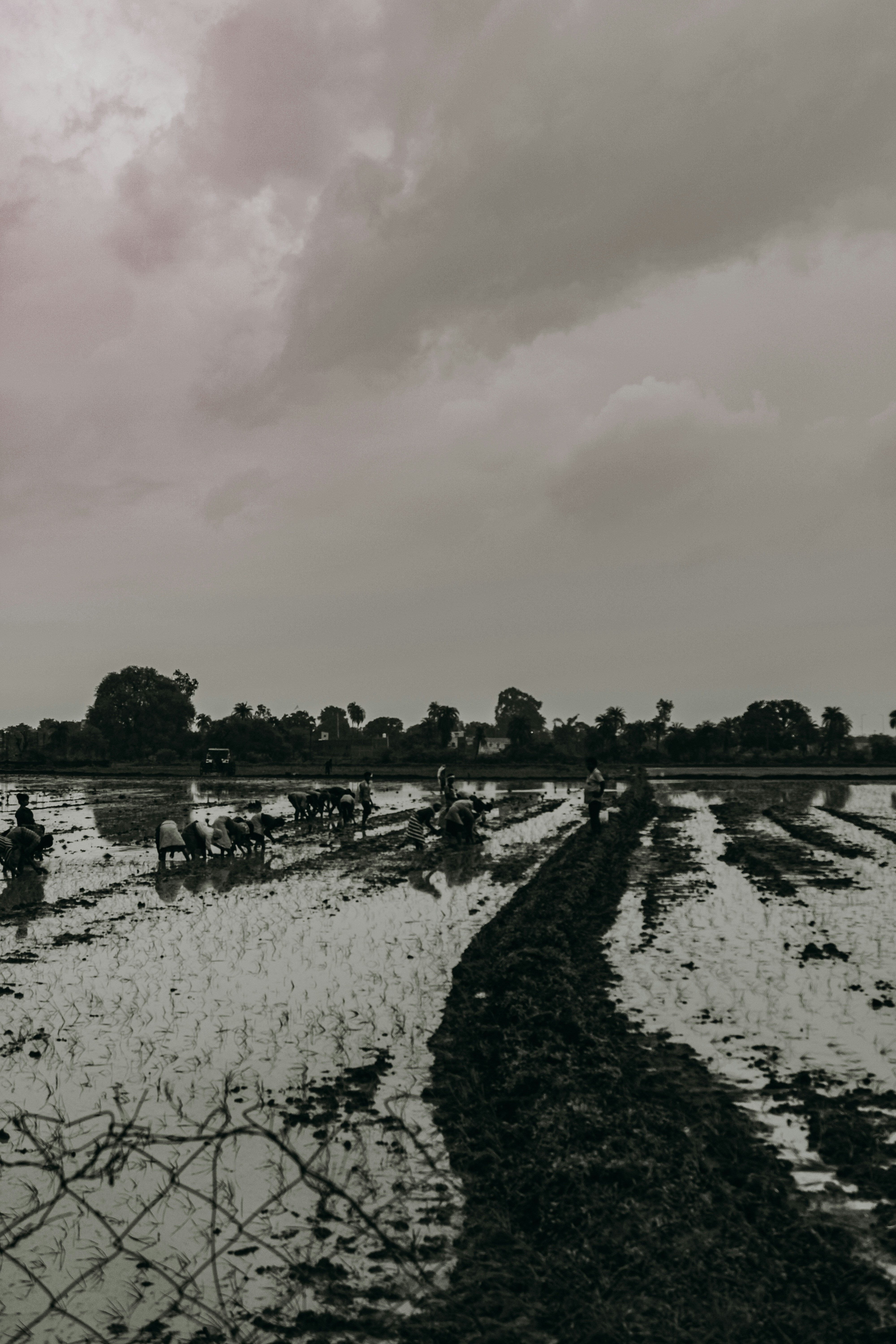
Introduction to Flooding in Bihar
Bihar, a state in eastern India, has a long history of devastating floods that have significantly impacted its social and economic fabric. The unique geographical location of Bihar, characterized by its proximity to the Himalayas and several major rivers, such as the Ganges, Kosi, and Gandak, makes it particularly susceptible to flooding. Seasonal monsoon rains, combined with the melting of snow in the Himalayas, often lead to the overflow of these rivers, resulting in extensive flooding that can last for weeks.
Historically, the state has experienced catastrophic floods at various intervals, with some of the most severe incidents recorded in 2007 and 2017. The 2007 Kosi flood, for instance, displaced millions of people and caused widespread destruction of homes, livelihoods, and vital infrastructure. The consequences of such flooding events extend beyond immediate physical damage, as they can disrupt transportation, drain agricultural resources, and lead to long-term socioeconomic challenges for affected communities.
The recurrent nature of these floods highlights the critical need for effective flood management strategies in Bihar. Communities rely heavily on agriculture for their livelihood, and flooding can wipe out entire crops, pushing farmers into cycles of debt and poverty. Infrastructure, too, suffers tremendous strain during these events, rendering vital services inoperable and disrupting daily life.
In light of these challenges, innovative technologies such as artificial intelligence (AI) and predictive analytics are becoming increasingly important. The application of AI for flood prediction holds significant potential to enhance preparation and response efforts in Bihar. By understanding the historical context of flooding in the region, stakeholders can better appreciate how the integration of predictive technologies may offer a path to more effective disaster management in the years to come.
The Current State of Flood Prediction Techniques
Flood prediction is a crucial aspect of disaster management, especially in regions like Bihar, which frequently experiences severe flooding. Traditional flood prediction techniques have formed the backbone of this discipline, relying heavily on historical data, meteorological observations, and hydrological modeling. These methods encompass a range of practices, including the use of rain gauges and river gauges, which measure precipitation and water levels, respectively.
Despite their foundational importance, these conventional approaches face significant limitations. One major challenge lies in the accuracy of the predictions, as they often depend on localized data. Many rural areas in Bihar lack effective monitoring stations, leading to gaps in information that can hinder timely and effective responses. Additionally, traditional methods struggle to adapt to climate change’s unpredictable impacts, which can alter rainfall patterns and intensity.
Furthermore, the integration of data from various sources, such as satellite information and real-time monitoring, remains a critical hurdle for meteorological agencies. Often, outdated infrastructure and limited technological support impede the utilization of advanced forecasting techniques. This situation can complicate the decision-making process for authorities responsible for public safety and disaster response.
The effectiveness of existing flood prediction methods also heavily influences public policy regarding resource allocation, emergency response, and community preparedness. With a better understanding of the current techniques and their limitations, it becomes evident that there is a pressing need for enhanced methodologies. The evolution of flood prediction technologies holds the promise of improving not only accuracy but also the overall resilience of communities exposed to flooding, a fact underscored by innovations in artificial intelligence and data analytics.
Understanding Artificial Intelligence and Its Capabilities
Artificial intelligence (AI) refers to the simulation of human intelligence in machines that are programmed to think and learn like humans. This broad field encompasses various disciplines, including machine learning (ML), which focuses on the development of algorithms that enable systems to learn from and make predictions based on data. Moreover, deep learning, a subset of machine learning, employs neural networks to analyze vast amounts of information, mimicking the way the human brain operates.
AI systems are engineered to improve their performance over time by utilizing data-driven techniques. They analyze patterns within datasets, drawing insights that can lead to better decision-making processes. The ability of AI to adapt based on new information makes it particularly valuable across various sectors, including healthcare, finance, and meteorology.
In the healthcare sector, for instance, AI algorithms assist in diagnosing diseases, predicting patient outcomes, and personalizing treatment plans. Similarly, the finance industry leverages AI for fraud detection, algorithmic trading, and risk management. The meteorology domain, which is particularly relevant to flood prediction, utilizes AI to enhance weather forecasting accuracy, leading to more timely alerts and efficient resource management during disaster events.
AI’s capabilities extend beyond mere data analysis; they include natural language processing, computer vision, and robotics, facilitating the automation of complex tasks. These advancements contribute to the reduction of human error and the maximization of efficiency in various operations. As AI technology continues to evolve, its role in predicting natural phenomena like floods becomes increasingly critical, offering promising avenues for impactful innovations by 2027 and beyond.
AI Applications in Meteorology and Flood Prediction
Artificial Intelligence (AI) has begun to transform the landscape of meteorology and flood prediction by employing advanced techniques such as predictive modeling, data gathering, and analysis. With the ability to process vast amounts of data and identify patterns that may escape traditional methodologies, AI is proving to be an invaluable asset in enhancing the accuracy of flood forecasts.
One significant application of AI in meteorology is predictive modeling. Techniques such as machine learning are utilized to improve existing weather models by training them on historical weather data. By learning from past patterns, AI systems can forecast potential flooding events more reliably. For example, the European Space Agency has implemented AI-driven models that analyze data from satellites, enabling timely alerts about heavy rainfall that may lead to floods.
Moreover, AI-assisted data gathering enhances the quantity and quality of real-time meteorological data. Deploying AI algorithms in unmanned aerial vehicles (UAVs) or drones allows for the collection of data in hard-to-reach or hazardous areas. This data can be invaluable in assessing local weather conditions and predicting flood events. Additionally, streaming data from various sources like social media can provide insights into the local impact of meteorological changes, further refining flood predictions.
AI systems also excel in data analysis, where they facilitate the aggregation and interpretation of data from various meteorological instruments. Tools like neural networks can be employed to correlate multiple data sets, leading to a deeper understanding of flood triggers. For instance, the Global Flood Monitoring System utilized AI algorithms to improve the accuracy of flood forecasts during the 2020 monsoon season in Southeast Asia, achieving real-time predictions that enabled swift response strategies.
Thus, the integration of AI in meteorology not only enhances prediction accuracy but also improves response times for flood management initiatives. These innovations present a promising framework that can be adapted for efficient flood prediction in Bihar, aligning with the goals set for 2027.
Future Technologies and Innovations for 2027
As we look towards the year 2027, the landscape of artificial intelligence (AI) technologies is anticipated to dramatically transform various sectors, including flood prediction. One of the pivotal advancements expected is the enhancement of sensing technologies. Sensors equipped with AI capabilities will likely improve the accuracy and frequency of data collection concerning environmental conditions. These innovations will facilitate real-time monitoring of critical factors such as rainfall intensity, soil moisture levels, and river flows, all of which play an essential role in predicting flood events.
In addition to advancements in sensing, the integration of satellite imaging into flood prediction systems is projected to expand significantly. Satellite technology has already begun to contribute to environmental monitoring, yet by 2027, we may witness an increased frequency of high-resolution images being utilized for predictive analytics. AI algorithms will be capable of analyzing these images, identifying patterns, and producing forecasts with greater precision. Such integration will compose a multi-dimensional approach to flood prediction, combining ground data with aerial insights to form a comprehensive view of potential threats.
Moreover, enhanced data integration platforms will emerge, allowing for seamless collaboration between various stakeholders, including government agencies, local communities, and researchers. This interoperability will ensure that critical information regarding flood risks is shared promptly and effectively. AI systems will not only assess historical data for trends but will also incorporate real-time updates from IoT devices placed in flood-prone areas. An interconnected network of information will ultimately contribute to more robust early warning systems, empowering communities to take preventative measures against impending floods.
The convergence of these advancements holds immense potential for refining flood prediction capabilities in Bihar and beyond, contributing to enhanced safety and responsiveness in the face of natural disasters.
Integrating AI with Local Knowledge and Practices
The integration of Artificial Intelligence (AI) into flood prediction models in Bihar represents a transformative approach to disaster management. However, it is crucial that such technological advancements do not overlook the rich reservoir of local knowledge and practices that have been honed over generations. The traditional understanding of local weather patterns, hydrology, and historical flood events held by communities can significantly enhance the effectiveness of AI-based predictions.
Local communities possess invaluable insights regarding the signs of nature, seasonal variations, and microclimatic conditions that AI may not capture fully. By actively engaging these communities, AI models can be refined to reflect on-the-ground realities, thus creating a synergy between technology and tradition. This collaborative approach can lead to more accurate forecasting, as the models can incorporate qualitative data from local practices alongside quantitative data generated through AI.
Community engagement is not just about data collection; it is also about fostering trust and ensuring that technological interventions are culturally relevant. In many instances, rural populations may have skepticism towards new technologies due to previous experiences or a lack of understanding. Therefore, merging AI predictions with local storytelling, rituals, and historical knowledge can make the implementation of these advanced methods more acceptable and effective.
Moreover, local knowledge can facilitate timely responses to flood risks, as community members are often the first to observe early warning signs. This relationship between AI technology and traditional practices highlights the importance of participatory approaches in disaster management. The future of flood prediction in Bihar may well depend on this integrative strategy, which recognizes the strengths of both AI and the invaluable wisdom of local communities.
Policy Implications and Government Initiatives
The integration of artificial intelligence (AI) into flood prediction frameworks necessitates comprehensive policy considerations. As climate change intensifies and flooding becomes increasingly prevalent, particularly in regions like Bihar, governments must prioritize the development of robust policies that facilitate the adoption of AI technologies. These policies should aim to promote research and development in AI, particularly in the realm of disaster management, creating a conducive environment for innovation.
To support the deployment of AI systems for flood prediction, governments can explore various funding opportunities. Allocating budget resources for advanced technology can encourage local research institutions and universities to collaborate on projects aimed at enhancing predictive accuracy. Additionally, establishing grants and incentives for private entities that invest in AI solutions can stimulate interest and engagement in public-private collaborations.
Public-private partnerships (PPPs) also play a crucial role in harnessing AI for disaster management. By leveraging the expertise of private companies in AI technologies and the operational knowledge of governmental agencies, these partnerships can effectively develop sophisticated flood prediction models. For example, companies that specialize in machine learning and data analytics can work alongside meteorological departments to refine algorithms that predict flood events with greater precision.
Moreover, training and capacity-building initiatives are essential to ensure that governmental staff are well-equipped to utilize AI tools. Curriculum development that incorporates AI in disaster management for local educational institutions can build a knowledgeable workforce capable of sustaining these technologies in the long run. Through strategic policy frameworks and collaborative initiatives, Bihar can position itself as a leader in utilizing artificial intelligence for flood prediction, significantly enhancing its disaster resilience by 2027.
Challenges and Ethical Considerations
The integration of Artificial Intelligence (AI) in flood prediction presents significant challenges and ethical considerations that must be addressed, particularly within the context of Bihar. One of the primary concerns is related to data privacy. The collection of vast amounts of data necessary for accurate predictions raises questions about how this data is managed and who has access to it. Ensuring that sensitive information is protected while also using it to create effective flood management strategies is a delicate balance that must be struck.
Moreover, the digital divide presents a formidable challenge in this scenario. In Bihar, disparities in access to technology between urban and rural communities can hinder the effective implementation of AI-powered flood systems. While urban areas may benefit from advanced AI innovations, rural populations may lack access to the technological infrastructure required to receive timely warnings or utilize predictive tools, leading to unequal protection against flood risks. This disparity calls for a collaborative approach that includes efforts to enhance technological access for underprivileged communities.
Additionally, the need for transparency in AI decision-making processes is crucial. Stakeholders must ensure that algorithms used in flood prediction are not only reliable but also understandable to the communities they aim to serve. When the rationale behind AI predictions is opaque, it can lead to distrust among the public, particularly if communities feel that the system fails them during emergencies. Therefore, promoting a transparent framework where citizens can engage with and comprehend the technology behind flood predictions is essential for fostering trust and cooperation.
Conclusion and Vision for the Future
In conclusion, the implementation of Artificial Intelligence (AI) in flood prediction represents a significant advancement in the efforts to safeguard the communities of Bihar against the increasing threats posed by climate change. The integration of machine learning algorithms with historical data, real-time monitoring systems, and predictive modeling provides an unprecedented opportunity to enhance the accuracy and efficiency of flood forecasts.
As discussed, the use of AI can facilitate timely warnings, enabling local authorities and residents to take proactive measures. This technological progress is not merely an enhancement of existing methodologies; it marks a paradigm shift in how we approach environmental challenges. By 2027, it is anticipated that these improvements will lead to more resilient infrastructures and better preparedness strategies, ultimately reducing the human and economic toll of flooding in the region.
Moreover, the focus on collaboration between technology experts, meteorologists, and local government will be essential in refining predictive models and ensuring they are adapted to the unique topographical and climatic conditions of Bihar. The deployment of AI should also be supported by educational initiatives to equip communities with the knowledge necessary to act on predictions effectively.
The future of flood prediction in Bihar, therefore, hinges on the recognition of AI not just as a technical tool, but as a transformative instrument that can empower communities to withstand climate-related challenges. As we look forward to 2027, it is essential for stakeholders at all levels to invest in this vision, championing the role of AI to safeguard lives, property, and the environment.