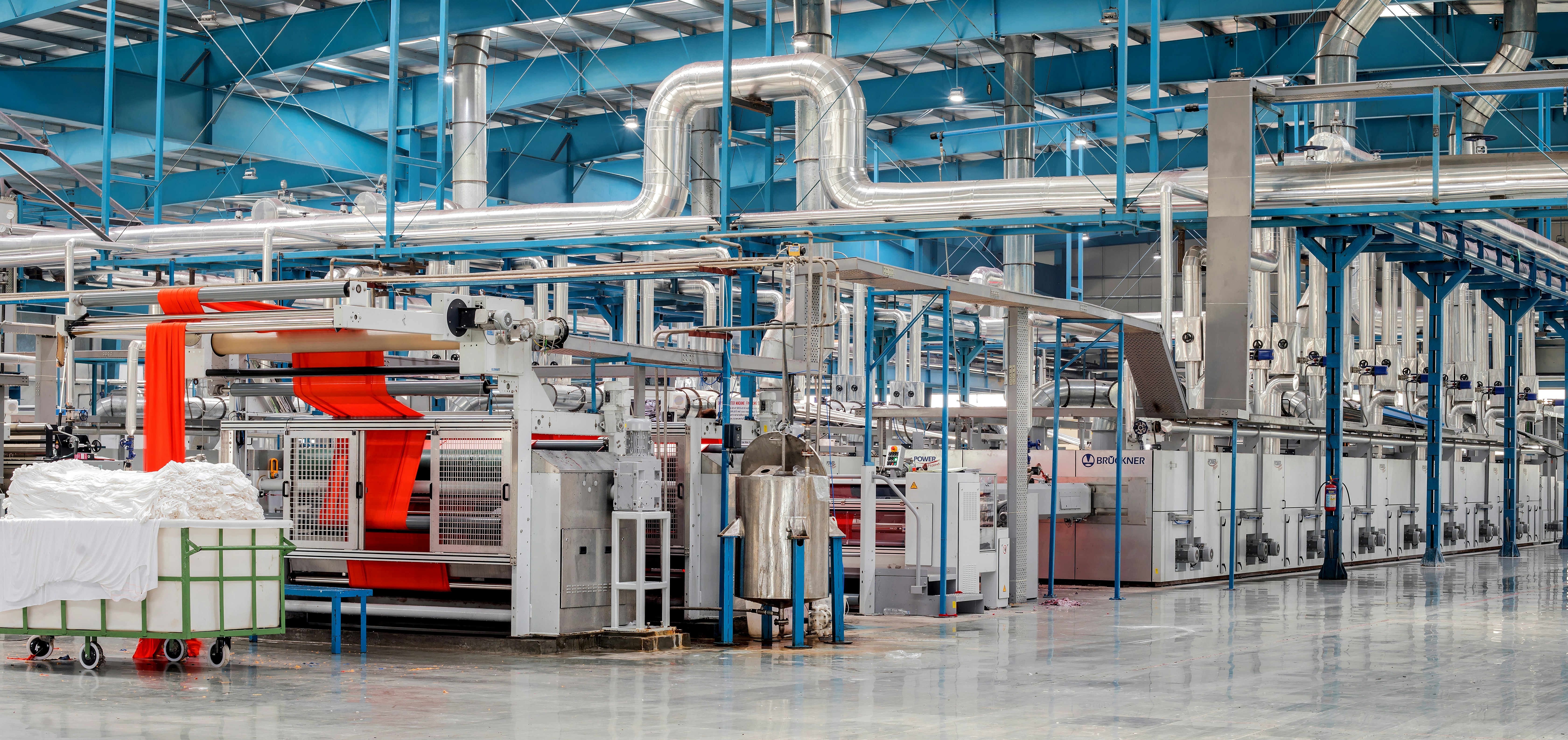
Introduction to Physical Intelligence in Manufacturing
Physical Intelligence refers to the integration of advanced cognitive processes with physical operations to enhance efficiency and productivity in various sectors, notably manufacturing. At its core, Physical Intelligence encapsulates a series of technologies and methodologies that foster a heightened understanding of processes in a manufacturing environment. This encompasses the use of sensors, automation, data analytics, and artificial intelligence to create an agile and adaptive manufacturing system.
The significance of Physical Intelligence in the manufacturing sector cannot be overstated. By leveraging data-driven insights, manufacturers can optimize their workflows, reduce operational costs, and improve the quality of their products. A primary component of Physical Intelligence is real-time data acquisition, which allows manufacturers to monitor equipment performance, anticipate maintenance needs, and respond to potential disruptions effectively. Furthermore, when combined with robotics and automation, Physical Intelligence paves the way for smarter factories that can operate with minimal human intervention.
Moreover, the increasing complexity of global supply chains and the demand for personalized products have made it imperative for manufacturers to adopt advanced practices. As we transition into an age of Industry 4.0, the focus is shifting towards interconnected systems that integrate human capabilities with machine intelligence. This shift is characterized by the need for agility, responsiveness, and innovation, making Physical Intelligence an essential framework within the manufacturing landscape.
In the context of Bihar’s manufacturing sector, embracing Physical Intelligence can catalyze a transformation, unlocking new efficiencies and fostering competitiveness. By harnessing this approach, local manufacturers stand to benefit from improved operational effectiveness and greater adaptability to changing market demands.
Overview of Bihar’s Manufacturing Landscape
Bihar, a state in eastern India, has a diverse and evolving manufacturing landscape that reflects its unique historical and economic context. Traditionally, the manufacturing sector in Bihar has been characterized by small and medium enterprises (SMEs) which have contributed significantly to local economies. Key sectors within this landscape include food processing, textiles, jute, leather, and engineering goods. Food processing, for instance, has seen growth due to Bihar’s agricultural base, with products ranging from packaged snacks to processed fruits and vegetables.
Historically, the manufacturing industry in Bihar faced several challenges, including infrastructural deficits, limited access to technology, and a lack of skilled labor. These factors have hindered the sector’s overall growth potential. However, recent government initiatives aiming to boost industrialization in the state have begun to change the narrative. The “Make in Bihar” campaign, launched by the state government, seeks to attract investment and encourage the development of a robust manufacturing ecosystem.
As of the latest statistics, the manufacturing sector employs approximately 12.5% of Bihar’s workforce, a figure that reflects both the opportunities and challenges within the industry. The growth rate of the sector has been modest, influenced by factors such as regulatory complexities and logistical issues. Moreover, while the potential for growth is significant, several challenges remain, including inadequate infrastructure, skilled labor shortages, and competition from other states.
In conclusion, the transformation of Bihar’s manufacturing landscape requires a multi-faceted approach that addresses these challenges. By leveraging innovations, such as physical intelligence, Bihar can enhance efficiencies and drive sustainable growth in the sector, ultimately contributing to economic development and job creation.
The Role of Technology in Enhancing Physical Intelligence
In the context of Bihar’s evolving manufacturing sector, the integration of advanced technologies plays a pivotal role in enhancing physical intelligence, which refers to the ability of physical systems to interact intelligently with their environments. Automation, robotics, and machine learning are not just buzzwords; they are powerful tools that can significantly improve the efficiency and productivity of manufacturing processes.
Automation is a primary driver of increased efficiency in manufacturing. By automating repetitive tasks, companies can free up human workers for more complex roles that require creative problem solving and critical thinking. Technologies such as programmable logic controllers (PLCs) and industrial Internet of Things (IoT) devices facilitate real-time monitoring of production processes, leading to faster decision-making and improved operational transparency.
Robotics, in particular, is transforming production lines in Bihar by introducing precision and efficiency in tasks such as assembly, welding, and packaging. Collaborative robots, or cobots, are designed to work alongside human workers, thus enhancing physical intelligence by adapting to human activities while improving safety and productivity standards. The flexibility of these robots allows for adjustments in workflow within the dynamic environments typical of modern manufacturing plants.
Furthermore, machine learning algorithms are being employed to analyze vast amounts of data generated during manufacturing operations. These algorithms can predict equipment failures, optimize supply chain logistics, and improve product quality by identifying anomalies in production. By utilizing historical data, manufacturers can make informed decisions and implement proactive measures to boost overall productivity.
In conclusion, the integration of automation, robotics, and machine learning in Bihar’s manufacturing sector signifies a step towards achieving greater efficiency through enhanced physical intelligence. These technological advancements not only provide competitive advantages but also pave the way for sustainable growth in the region’s industrial landscape.
Case Studies: Successful Implementations in Bihar
In recent years, several companies in Bihar have embraced physical intelligence techniques to enhance their manufacturing capabilities. These implementations have varied in scope, from integrating advanced robotics to optimizing supply chain processes, ultimately leading to increased productivity and efficiency.
One notable example is a textile manufacturing firm in Tirhut, which incorporated a real-time data analytics system into its operations. By utilizing physical intelligence methodologies, the company aimed to monitor production lines more efficiently. Initially, the transition posed challenges such as workforce resistance and the need for training; however, with strategic foresight and commitment to employee reskilling, the firm successfully fostered a culture open to technological adaptations. The outcome was remarkable: a 30% increase in production efficiency and a significant reduction in operational costs.
Another case worth highlighting is the food processing industry in Patna, where a local processing unit adopted smart sensors to monitor quality control in real time. The implementation process was not without obstacles, including the integration of old machinery with new technologies. However, the company collaborated with technology partners to develop tailored solutions that bridged these gaps. The results were impressive: they reported enhanced product quality, leading to increased market competitiveness and a 25% rise in customer satisfaction. This case exemplifies how physical intelligence can transform traditional manufacturing landscapes in Bihar.
Furthermore, a prominent automotive parts manufacturer in Bhagalpur employed a physical intelligence framework to streamline inventory management. The challenges of excess stock and delayed deliveries were pivotal issues hindering growth. By leveraging data-driven insights, they minimized stock levels while improving delivery timelines, which led to a 40% increase in turnover within one year.
Training and Development for Physical Intelligence
The manufacturing sector in Bihar is poised for transformation, particularly through the lens of physical intelligence. This shift necessitates a workforce capable of adapting to and thriving within an environment where technology intricately integrates with human skills. The importance of comprehensive training and skill development programs cannot be overstated. They serve as the bedrock for equipping the workforce with the necessary competencies demanded by emerging technologies in manufacturing.
A key component of this transformation involves partnerships between government initiatives and educational institutions. Collaborative training programs that align with industry requirements can boost the skill sets of workers, ensuring they meet the challenges posed by advancements in physical intelligence. Such partnerships can lead to curriculum changes in technical institutions, introducing modules specifically designed to enhance skill sets related to automation, robotics, and smart manufacturing techniques.
Furthermore, the government has a crucial role in establishing policies that support ongoing workforce development. Initiatives such as vocational training programs, subsidized workshops, and skill enhancement courses can significantly amplify the talent pool. Technology centers should be established across Bihar to offer specialized training in areas like automation and industrial robotics. These centers would not only provide theoretical knowledge but hands-on experience necessary for the manufacturing sector.
Overall, the pathway to a future where Bihar’s manufacturing sector thrives on physical intelligence lies in empowered and well-trained human resources. However, the success of these initiatives requires sustained commitment from both government entities and educational institutions, ensuring that training and development efforts are dynamic, relevant, and effective in meeting the evolving demands of the industry.
Impact on the Workforce and Employment Opportunities
The integration of physical intelligence in Bihar’s manufacturing sector is poised to significantly transform the workforce landscape. One of the primary effects of implementing this advanced technology is the potential for job creation. As manufacturing processes become more efficient and productive, companies are likely to expand their operations, subsequently increasing the demand for a skilled workforce. This growth can lead to a greater number of employment opportunities across various segments of the manufacturing industry.
Moreover, the adoption of physical intelligence necessitates a shift in the required skill sets for workers. Traditionally held roles may become obsolete, while new job categories emerge that require proficiency in advanced technologies such as robotics, automation, and data analysis. As a result, the existing workforce must adapt to meet these evolving demands. Upskilling and reskilling initiatives will therefore play a crucial role in bridging the skills gap and ensuring that workers are equipped for the future manufacturing landscape.
Adaptability will become a key attribute for employees in this transformative era. The ability to learn and transition into new roles will not only enhance individual career prospects but also contribute to the overall resilience of the workforce. Training programs that focus on technology integration, problem-solving, and critical thinking will become more important than ever. Manufacturers should collaborate with educational institutions to develop relevant curricula that emphasize these essential skills, fostering a workforce capable of navigating the complexities of modern manufacturing.
Ultimately, the promising intersection of physical intelligence and manufacturing in Bihar heralds a dynamic shift, characterized by increased employment opportunities and a redefined skill set. As the sector evolves, a proactive approach to workforce development will be essential for harnessing the full potential of this technological revolution.
Challenges and Barriers to Adoption in Bihar
The manufacturing sector in Bihar faces numerous challenges in embracing the concept of physical intelligence. One of the primary barriers is financial constraint. Many companies operating within this sector struggle with limited access to capital, which inhibits their ability to invest in advanced technologies. Additionally, small to medium enterprises, which constitute a significant portion of Bihar’s manufacturing landscape, often find it difficult to allocate sufficient budgets for the necessary upgrades, training, and technology adoption required for implementing physical intelligence.
Another critical challenge lies in the lack of infrastructure. The existing infrastructure in Bihar for manufacturing, including transportation networks, utilities, and essential facilities, is often underdeveloped. This inadequate infrastructure hinders the implementation of physical intelligence technologies, which often rely on robust and stable operational environments. Poor connectivity not only affects the supply chain but also limits the reach of businesses to resources and markets, further complicating the adoption process.
Furthermore, there is a palpable resistance to change within the workforce and management in many manufacturing firms. This resistance is rooted in a lack of awareness regarding the benefits of physical intelligence, as well as a fear of job displacement resulting from automation. Employees may be apprehensive about transitioning from traditional manufacturing practices to innovative technological solutions. Consequently, this can lead to a culture that favors maintaining the status quo over embracing new methodologies that promote efficiency and productivity.
Overall, addressing these challenges is crucial for enabling Bihar’s manufacturing sector to fully realize the potential benefits of physical intelligence. Investment in infrastructure, financial support for enterprises, and initiatives aimed at fostering a culture of innovation will be vital moving forward.
Future Trends of Physical Intelligence in Bihar Manufacturing
The evolving landscape of manufacturing in Bihar is increasingly intertwined with advancements in physical intelligence, which encompasses automation, robotics, and smart technologies. As industries strive to enhance efficiency and productivity, physical intelligence is set to play a pivotal role in driving future transformations.
One of the most significant trends anticipated in Bihar’s manufacturing sector is the rise of automation technologies. With the integration of robotics in manufacturing processes, companies can achieve higher precision and consistency in production. Automation not only minimizes human error but also accelerates production rates, enabling manufacturers in Bihar to meet increased demand effectively. Furthermore, such advancements can open doors to new market opportunities, allowing for expansion beyond traditional sectors.
In addition, the adoption of Internet of Things (IoT) devices stands poised to enhance operational visibility. IoT systems facilitate real-time data exchange between machines, which can lead to more informed decision-making and predictive maintenance strategies. For manufacturers in Bihar, leveraging IoT can significantly reduce downtime and operational costs, ensuring that resources are allocated more efficiently.
Another key trend is the alignment of manufacturing practices with sustainability goals. With increasing awareness around environmental concerns, industries are likely to adopt physical intelligence solutions that promote eco-friendly practices. This could include energy-efficient machinery and materials that reduce waste. As consumers become more environmentally conscious, manufacturers that proactively embrace sustainability measures could gain a competitive advantage.
Lastly, collaboration with technology partners will be pivotal in the future of Bihar’s manufacturing landscape. By establishing strategic alliances with tech firms, manufacturers can gain access to cutting-edge solutions and tailor innovations to their specific needs. This collaboration fosters an ecosystem where continuous improvement is prioritized, ultimately enhancing the overall competency of the manufacturing sector.
Conclusion and Call to Action
In summary, the manufacturing sector in Bihar stands at the threshold of a significant transformation, driven by the adoption of physical intelligence. This innovative approach combines automation, data analytics, and real-time monitoring to enhance efficiency, productivity, and sustainability within manufacturing processes. The benefits of integrating physical intelligence into the operations of manufacturing units are manifold, enabling businesses to respond swiftly to market demands, optimize resource usage, and minimize waste.
Stakeholders, including government bodies, industry leaders, and educational institutions, must recognize the importance of investing in physical intelligence technologies and training. These measures will not only help improve the competitive landscape of Bihar’s manufacturing sector but also stimulate economic growth and create job opportunities for the local workforce. Collaboration among stakeholders is essential to establish comprehensive initiatives that support the research and development of innovative solutions tailored for the region’s specific needs.
As the state looks to position itself as a hub for manufacturing excellence, embracing physical intelligence through incentives, grants, and educational programs can significantly enhance workforce competency and technological advancement. It is imperative that entrepreneurs and established companies alike consider these transformative strategies to remain competitive in the evolving global marketplace.
Therefore, the call to action is clear: stakeholders within Bihar’s manufacturing sector must prioritize the exploration and implementation of physical intelligence. By doing so, they will not only contribute to the revitalization of the sector but will also ensure that Bihar’s manufacturing landscape remains robust and future-ready.