Introduction to Agent Types
In the realm of artificial intelligence and robotics, understanding different types of agents is crucial for the development of effective multi-agent systems. Two prominent classifications of agents include agent swarms and hierarchical agent teams. These distinct forms of organization reflect varying approaches to collaboration, task execution, and efficiency in both simulated and real-world environments.
Agent swarms are inspired by natural phenomena, such as the behavior of social insects like ants or bees. They comprise a large number of relatively simple agents that interact locally with one another through predefined rules. This decentralized approach enables agent swarms to accomplish complex tasks, adapt to changing environments, and demonstrate emergent behaviors without centralized control. The flexibility and robustness of agent swarms make them ideal for applications ranging from environmental monitoring to swarm robotics.
On the other hand, hierarchical agent teams present a structured approach to task allocation and execution. In this configuration, agents operate within a defined hierarchy, where roles are clearly delineated, and decision-making authority is spread across different levels. This structure can improve communication and coordination among agents, particularly in scenarios requiring intricate collaborations, such as military operations or complex logistical tasks. Hierarchical agent teams enable high-level strategic planning, which can enhance efficiency but may also introduce potential bottlenecks due to the reliance on central authority.
In this comparative analysis of agent swarms and hierarchical agent teams, readers will gain insights into their respective characteristics, strengths, and weaknesses. The exploration will highlight how the choice between these two agent types can significantly influence the performance and adaptability of multi-agent systems in various applications. As we delve deeper into each paradigm, the importance of context and specific problem domains will become increasingly apparent, leading to a well-rounded understanding of operational dynamics in artificial intelligence.
Defining Agent Swarms
Agent swarms refer to a collection of autonomous agents that cooperate to achieve specific objectives. This phenomenon is best exemplified by swarm intelligence, a concept derived from observing natural systems. The central characteristics of swarm intelligence include decentralized control, local interactions among agents, and the emergence of complex behaviors from the adoption of simple rules. Such systems operate without a central command, allowing each agent to take independent actions based on its local environment and neighboring agents.
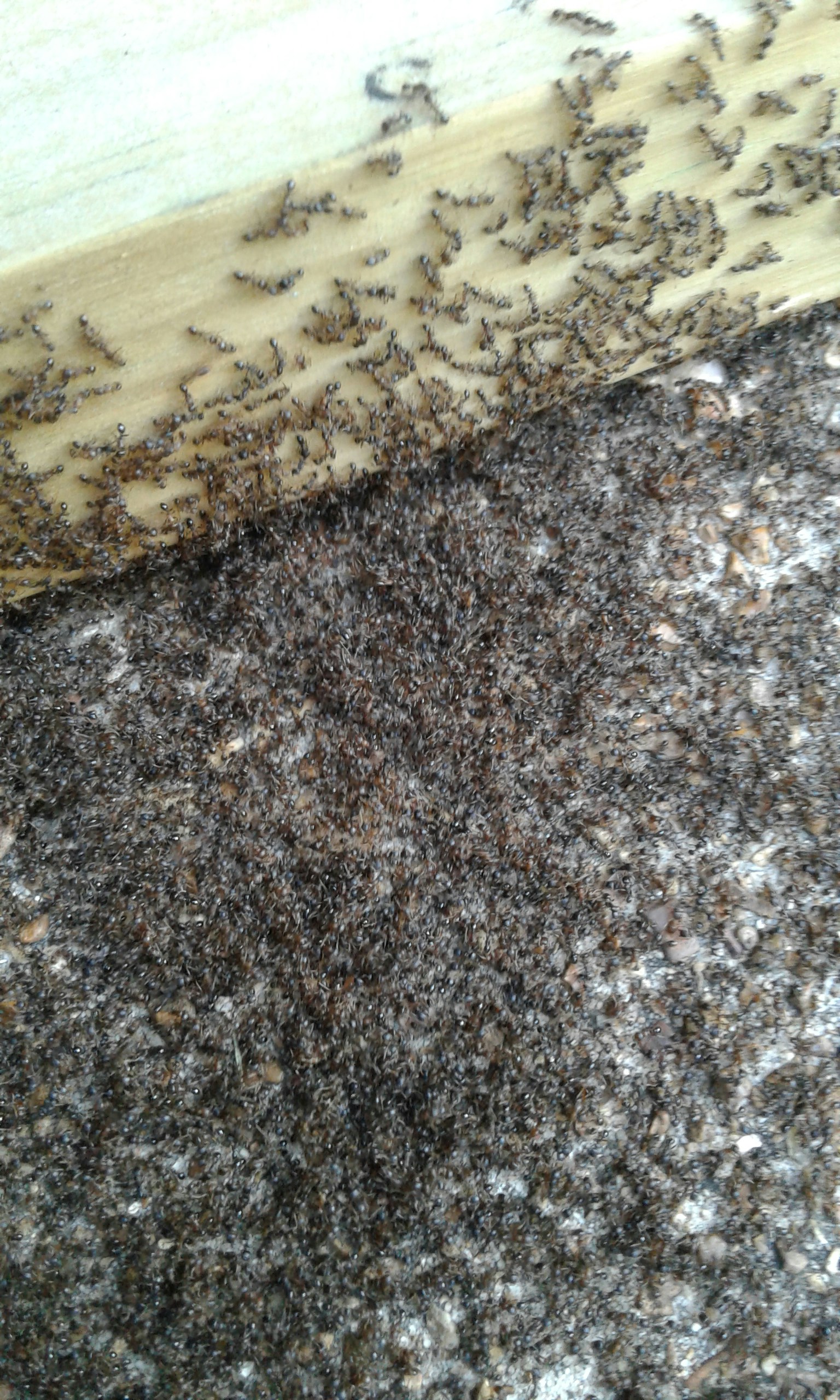
In nature, one can observe agent swarms notably in ant colonies. Ants communicate using pheromones, which guide their actions and interactions. This decentralized communication allows the entire colony to respond efficiently to changes in their environment, leading to remarkable behaviors such as finding food sources or constructing intricate nests. Another example of swarm behavior is seen in fish schools, where the coordinated movements of individual fish create a dynamic and responsive group that helps enhance survival through predation avoidance.
The principles of agent swarms have been extended into the domain of technology, particularly through the development of drone swarms. These drones mimic natural swarming behaviors, embracing decentralized control and enabling collaborative tasks ranging from search and rescue missions to agricultural monitoring. By programming these drones to interact locally and share information, they can adapt to obstacles and optimize their performance collectively.
Overall, agent swarms illustrate the power of simple rules leading to sophisticated actions through the principles of swarm intelligence, emphasizing the potential for cooperative behaviors in both natural and artificial systems. The understanding of these dynamics has significant implications for artificial intelligence and robotics, positioning agent swarms as a key area of research and application in the future.
Exploring Hierarchical Agent Teams
Hierarchical agent teams are characterized by a structured organization in which agents operate within defined levels of authority. This structure facilitates clear roles and responsibilities, positioning individuals as either leaders or followers. In this form of collaboration, leaders are tasked with decision-making and strategic direction, while the followers are responsible for executing these decisions and carrying out specific tasks. This well-defined alignment ensures that each team member understands their contributions to the overall objectives.
One of the key features of hierarchical agent teams is the flow of communication. Communication typically follows the established hierarchy, with information traveling from leaders to followers through formal channels. This structured flow of information can enhance coordination and foster a clearer understanding of the goals and tasks at hand. In such a setup, leaders can provide regular feedback and guidance, which can lead to more efficient operations.
The advantages of hierarchical organizational structures are manifold. For instance, having a clear hierarchy promotes accountability, as individuals can be easily identified according to their roles. It also allows for specialization, where team members can focus on specific areas of expertise, thus enhancing the overall capability of the team in problem-solving. Compared to swarms, hierarchical teams oftentimes possess the ability to tackle complex challenges more effectively due to their structured nature and defined processes. They can employ strategic thinking and resource allocation in ways that crowds or swarms may not be able to achieve systematically.
In summary, hierarchical agent teams present a coherent and organized framework that supports effective functioning, communication, and problem-solving capabilities, making them a valuable approach in various operational contexts.
Comparison of Operational Mechanisms
Agent swarms and hierarchical agent teams represent two distinct operational paradigms, each characterized by their unique approaches to decision-making and task execution. Agent swarms operate predominantly through collective behavior, which emerges from simple local rules followed by individual agents. This decentralized method allows each agent to make decisions based on immediate local information, leading to spontaneous coordination without the need for centralized control. Such operational mechanisms are often evident in natural systems, such as flocks of birds or schools of fish, where the collective movement results from the aggregate behavior of individuals responding to their neighbors.
In stark contrast, hierarchical agent teams function through a structured decision-making process. In this model, there is a clear chain of command where tasks are divided, and responsibilities are allocated based on predefined roles. This organization often allows for more systematic planning and coordination, as agents follow directives from higher authority levels. Consequently, operations can be more efficient in scenarios requiring detailed coordination and execution of complex tasks, such as in military operations or large-scale enterprise projects.
The implications of these operational mechanisms on efficiency and adaptability are significant. Agent swarms, with their decentralized approach, can quickly adjust to changes in their environment, demonstrating high adaptability. For example, if an external threat emerges, the swarm’s ability to respond immediately is bolstered by its intrinsic nature of collective behavior. Conversely, hierarchical teams, while potentially slower to adapt due to the structured chain of command, can achieve high levels of efficiency in stable environments where roles and procedures are well-understood. The need for careful coordination within hierarchical teams may hinder adaptability in dynamic situations, underscoring the importance of context when choosing between these operational models.
Applications of Agent Swarms
Agent swarms, characterized by decentralized control and self-organization, have emerged as a powerful tool across various sectors, demonstrating their efficacy in complex and dynamic environments. One of the most prominent applications of agent swarms is in environmental monitoring. For instance, swarms of drones equipped with sensors can traverse extensive locations to collect data on air and water quality, enabling real-time analysis of environmental conditions. A notable case study involves a swarm of drones deployed in the Amazon rainforest, where they monitored deforestation activities by capturing high-resolution imagery and assessing vegetation cover. The real-time data allowed conservationists to take immediate action against illegal logging.
Another significant area where agent swarms are making a substantial impact is disaster response. During natural disasters, time is of the essence. Swarms of robots or drones can quickly assess damage, locate survivors, and deliver essential supplies, functioning where traditional methods may falter due to hazardous conditions. A remarkable example is the deployment of drone swarms after earthquakes, which have been used to map damaged infrastructure and identify survivors in areas that are difficult to access. By utilizing the collective capabilities of multiple units, these swarms provide critical situational awareness to rescue teams, enhancing their effectiveness.
Furthermore, agent swarms excel in data collection within hard-to-reach areas, such as underwater exploration or remote terrains. Underwater swarms can consist of multiple autonomous sensors that gather and relay information about marine ecosystems without disturbing the habitat, ensuring minimal impact on the delicate environment. An illustrative case is the use of underwater swarms for monitoring coral reefs, where they collect data on reef health and biodiversity, helping researchers implement conservation strategies. These examples showcase the compelling capabilities of swarm intelligence in tackling complex problems across different sectors, paving the way for innovative solutions that were once deemed unviable.
Applications of Hierarchical Agent Teams
Hierarchical agent teams have established their significance in various domains, effectively enhancing operational efficiency and facilitating goal attainment. One prominent area where these structures are employed is military operations. In such environments, hierarchical agent teams facilitate clear command and control, allowing for cohesive and strategic planning. The structured chain of command ensures that mission objectives are communicated efficiently, enabling units to adapt swiftly in dynamic situations. For instance, during joint military exercises, the hierarchy allows for the distribution of tasks based on expertise, ensuring that specialized teams can execute their components of the mission effectively.
Another critical application of hierarchical agent teams is in corporate project management. Many organizations utilize project managers who lead their respective teams, ensuring alignment with overarching business objectives. This hierarchical structure allows for better coordination among different teams working on interdependent tasks. An example can be seen in the construction industry, where project managers oversee various specialized groups such as architects, engineers, and laborers. This organization not only improves communication but also optimizes resource allocation, leading to timely project completion while adhering to budget constraints.
Complex manufacturing processes also benefit significantly from hierarchical agent teams. In modern factories, a well-defined hierarchical structure enables different production units to work in harmony while maintaining high standards of quality and efficiency. For instance, in automotive manufacturing, assembly line teams operate under the guidance of supervisors who facilitate workflow and identify potential issues before they escalate. This systemic approach enhances productivity and minimizes downtime, demonstrating the effectiveness of hierarchical structures in achieving specific manufacturing goals.
Challenges and Limitations
Both agent swarms and hierarchical agent teams present unique challenges and limitations that impact their effectiveness in various applications. Understanding these challenges is crucial for selecting the appropriate model for a specific task.
Agent swarms, characterized by decentralized decision-making and collective behavior, often face significant issues related to coordination and reliability. As the number of agents increases, maintaining effective communication and coordination becomes increasingly complex. Individual agents may misinterpret signals from others, leading to conflicting actions or misaligned objectives. This lack of structured command can result in chaotic behaviors, making it challenging to achieve the desired outcome, particularly in dynamic environments where quick responses are essential. Additionally, reliability can become a concern in swarm systems, especially if individual agents fail or behave unpredictably, causing the entire swarm to underperform.
In contrast, hierarchical agent teams operate within a structured framework where agents have clearly defined roles and responsibilities. While this organized approach facilitates efficient task management and decision-making, it is not without its limitations. One significant challenge is the potential for communication breakdowns. Information must flow effectively between different levels of the hierarchy; otherwise, misunderstandings can occur, leading to inefficient responses or delays in execution. Furthermore, hierarchical systems can struggle with adaptability. The established chain of command may slow down decision-making, particularly in rapidly changing scenarios where immediate adjustments are necessary. Agents at lower levels may not possess the authority to respond swiftly to unforeseen circumstances, resulting in missed opportunities.
In summary, while both agent swarms and hierarchical agent teams offer distinct advantages, they also encounter inherent challenges. Agent swarms grapple with coordination and reliability issues, while hierarchical teams face communication breakdowns and slower adaptability. Evaluating the specific conditions and requirements of a given task can help determine which agent model is best suited to overcome these limitations.
Future Trends in Agent Coordination
The field of agent coordination is rapidly evolving, driven by remarkable advancements in artificial intelligence (AI) and robotics. As organizations and industries strive for increased efficiency and adaptability, understanding the dynamics between agent swarms and hierarchical teams has never been more crucial. One of the most significant trends emerging in this space is the development of hybrid systems that unify the strengths of both coordination paradigms.
Hybrid systems leverage the adaptability and self-organization of agent swarms while incorporating the structured decision-making capabilities of hierarchical teams. This fusion facilitates enhanced problem-solving abilities, enabling teams to function effectively in complex environments. For instance, in disaster response scenarios, a swarm of autonomous drones can quickly assess a situation and relay real-time data back to a centralized command team, allowing hierarchical leaders to make informed decisions rapidly. This seamless integration can optimize resource allocation and improve overall operational effectiveness.
Moreover, as technological capabilities advance, we can anticipate increased reliance on multi-agent systems characterized by sophisticated communication protocols. These advancements will ensure agents can cooperatively work together without losing sight of the overarching organizational goals. In various applications—from smart infrastructures to industrial automation—agents can share insights and collaboratively address challenges, paving the way for more intelligent systems.
Additionally, the ethical implications of agent coordination will gain prominence as systems become more integrated into everyday life. The balance of trust, accountability, and transparency will be essential to ensuring that hybrid systems not only function effectively but also align with societal values. As we look into the future, the collaboration between swarms and hierarchical teams will undoubtedly shape the landscape of agent coordination, unlocking new potentials across numerous fields.
Conclusion and Key Takeaways
The exploration of agent swarms versus hierarchical agent teams has provided critical insights into how different organizational structures can impact the efficacy of artificial intelligence and robotics applications. One of the primary distinctions between the two models lies in their operational dynamics. Agent swarms, characterized by decentralized decision-making and fluid communication, offer a remarkable flexibility and adaptability that is particularly advantageous in dynamic environments. This decentralized approach can facilitate rapid responses to changes and enhance robustness, making it suitable for tasks such as search-and-rescue operations or environmental monitoring.
Conversely, hierarchical agent teams present a structured framework conducive to complex tasks that require coordination and strategic forethought. This model can leverage leadership roles for effective task delegation and oversight, ensuring that diverse agents operate cohesively towards common objectives. For scenarios that involve multi-stage processes or require sophisticated decision-making, hierarchical structures may provide a tactical advantage over swarming agents.
The implications of these findings are significant for researchers and practitioners in the fields of artificial intelligence and robotics. Understanding the differences between agent swarms and hierarchical agent teams can influence design choices and operational strategies, ultimately impacting performance outcomes. It is imperative for professionals to weigh the pros and cons of each approach carefully when approaching a project, as the choice between a swarm model and a hierarchical structure can determine not just functionality but also the potential for innovation.
In conclusion, as the fields of artificial intelligence and robotics continue to evolve, the need for a nuanced understanding of these two paradigms becomes ever more crucial. By considering the distinctive advantages and limitations of agent swarms and hierarchical teams, stakeholders can make informed decisions that align with their specific goals and contexts.