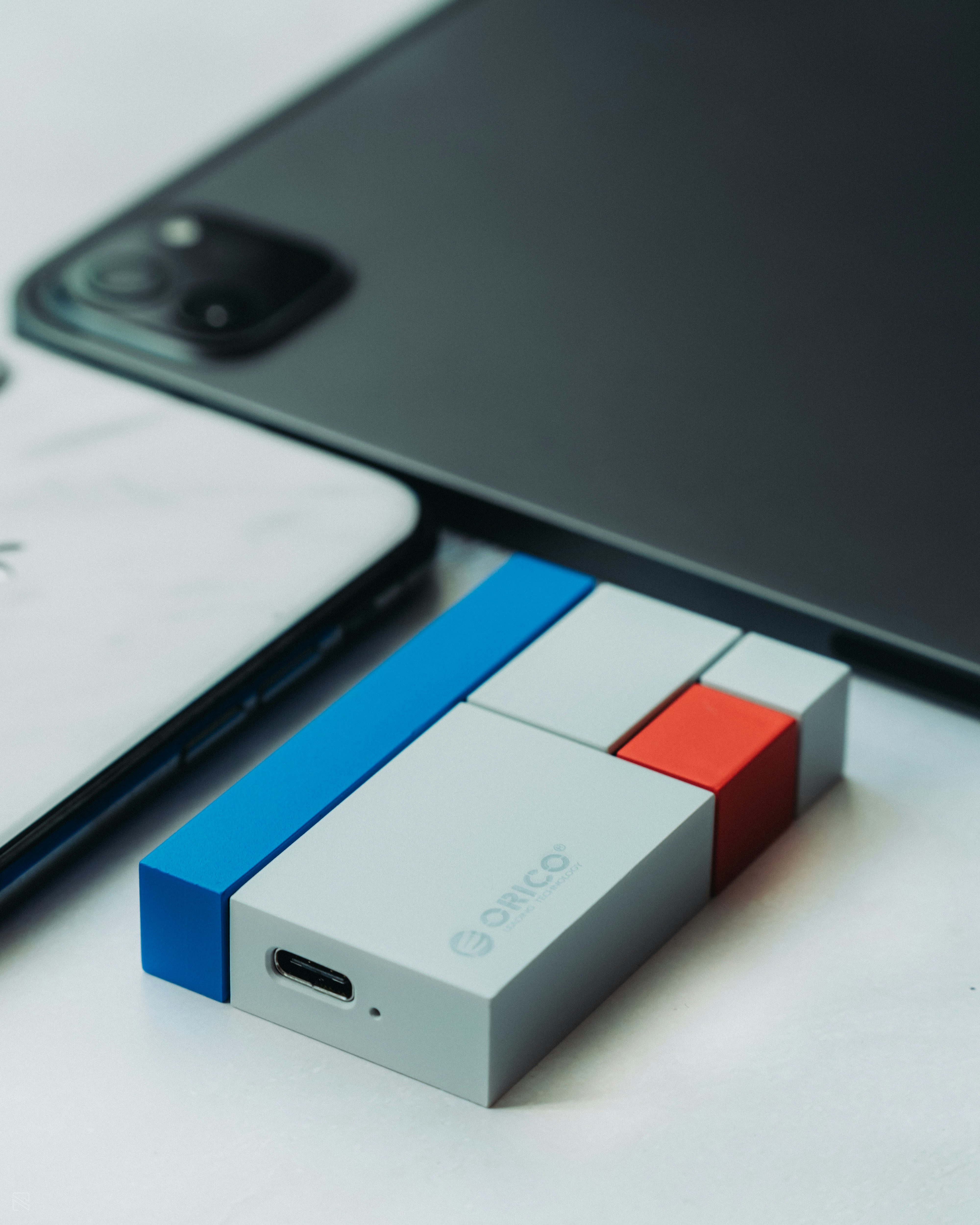
Introduction to USB Standards
The Universal Serial Bus (USB) standard is a crucial technology in enabling communication and power supply between electronic devices. Since its introduction in 1996, USB has significantly influenced how devices connect and share data, simplifying the user experience and enhancing compatibility across a wide array of devices.
The genesis of USB arose from the necessity for a unified interface to standardize connections among computers and peripherals. The original USB 1.0 supported data transfer rates of 1.5 Mbps for low-speed devices and 12 Mbps for full-speed devices. As technology progressed, several versions of USB standards emerged, each enhancing speed and functional capabilities.
USB 2.0 was released in 2000, raising data transfer rates to 480 Mbps, which provided improved performance for external devices, such as printers and storage media. The introduction of USB 3.0 in 2008 marked another significant leap by increasing data transfer rates up to 5 Gbps and introducing features such as better power management and increased power output for connected devices.
Further evolution brought us USB 3.1 and 3.2, which have doubled and quadrupled transfer speeds, respectively. USB4, announced in 2019, encompasses features from Thunderbolt 3, offering data transfer speeds of up to 40 Gbps, making it a powerful solution for high-bandwidth applications like 4K video and external graphics cards.
The importance of USB standards cannot be overstated. They not only streamline connectivity but also foster an ecosystem where devices from different manufacturers work seamlessly together. As USB technology continues to evolve, backward compatibility remains a core principle, ensuring that newer versions can still communicate with older devices, thus maintaining functionality across generations of technology.
What is Backward Compatibility?
Backward compatibility is a crucial concept in technology, particularly within the realm of Universal Serial Bus (USB) standards. It refers to the ability of newer devices or systems to work seamlessly with older hardware or software without requiring any modifications. This feature is especially significant in the fast-evolving tech landscape, where new versions of devices and software are developed at a rapid pace. In the context of USB standards, backward compatibility ensures that a USB 3.0 device, for example, can interface with a USB 2.0 port, allowing users to leverage their older peripherals without the need for upgrades.
The importance of backward compatibility for both users and manufacturers cannot be overstated. For users, this feature provides a sense of reassurance in their tech investments. Individuals often have a collection of devices, ranging from printers to external hard drives, that may not be updated regularly. The ability to connect these older devices to new systems enhances the longevity of existing technology, ensuring that users do not need to replace perfectly functional equipment. Moreover, it simplifies the user experience, as individuals can utilize newer devices without worry about the compatibility of their older ones.
From a manufacturer’s perspective, implementing backward compatibility can significantly influence product design and market reception. It allows manufacturers to retain a loyal customer base by recognizing the importance of legacy systems in their users’ workflows. Additionally, backward compatibility can enhance brand reputation, as producers that prioritize this feature demonstrate their commitment to user satisfaction and practicality. Ultimately, by allowing new technologies to coexist with their predecessors, backward compatibility plays a vital role in fostering a smoother transition across technological advancements.
Importance of Backward Compatibility in USB Standards
Backward compatibility is a vital aspect of Universal Serial Bus (USB) standards that significantly influences the consumer electronics market. It ensures that newer devices can operate seamlessly with older technology, creating a user-friendly environment that minimizes frustration and inconvenience. For both consumers and businesses, this feature acts as a bridge, allowing for a smooth transition between different generations of USB interfaces.
From a consumer perspective, the presence of backward compatibility in USB standards profoundly impacts purchasing decisions. Shoppers are more inclined to choose new devices if they can still utilize their existing peripherals, such as keyboards, mice, and external hard drives. This compatibility mitigates the need for additional investments in accessories, making product upgrades more economical in the long run. Moreover, it fosters trust in brands and manufacturers, as it conveys a commitment to customer satisfaction.
For businesses, backward compatibility enhances device longevity and reduces operational costs. Companies often invest heavily in specific technology setups; thus, if a new USB standard is introduced, compatibility ensures that existing devices remain functional without the need for immediate replacement. This adaptability also simplifies maintenance and integration of new technology into current systems, promoting efficiency in operational workflows. Furthermore, it assists businesses in planning future strategies, as they can predict and understand the impact of technological advancements on their existing infrastructure.
Ultimately, the critical role of backward compatibility in USB standards cannot be overstated. By allowing users to connect older devices with newer technology, it significantly enhances user convenience and satisfaction. This emphasis on a smooth transition not only benefits consumers but also supports businesses in optimizing their resources and maintaining productivity amidst evolving technological landscapes.
Examples of Backward Compatibility in USB Versions
The USB (Universal Serial Bus) standard has undergone several transformations since its introduction, with each version delivering improvements in speed and functionality. However, one of the hallmark features of the USB design is its backward compatibility, allowing newer versions to connect seamlessly with older devices.
USB 1.0, introduced in 1996, set the foundation for subsequent versions, being capable of supporting speeds up to 1.5 Mbps. Devices built to this standard, such as keyboards and mice, can still operate effectively when plugged into USB 2.0 ports, which offers enhanced speeds of up to 480 Mbps. This means users can utilize legacy devices without requiring additional adapters, providing significant versatility in device management.
Moving forward to USB 2.0, released in 2000, it retained backward compatibility with USB 1.0 peripherals. A common example includes flash drives, which are prevalent today and can function in both USB 1.0 and USB 2.0 environments. Users can still utilize their older USB 1.0 devices with USB 2.0 ports, although at the original lower data transfer speeds.
USB 3.0, introduced in 2008, enhanced performance significantly, supporting speeds of up to 5 Gbps. Importantly, it also maintained compatibility with previous versions, including USB 2.0 and USB 1.0. A well-known example here is the external hard drive, which often includes a USB 3.0 interface yet can seamlessly connect to older systems equipped with USB 2.0 ports. This ensures consumers can benefit from enhanced technology without discarding their older hardware.
Lastly, USB 3.1, launched in 2013, continues this tradition of backward compatibility, specifically maintaining support for all earlier USB versions. Devices such as modern printers and external storage units equipped with USB 3.1 connectors not only offer greater speed enhancements but also ensure ease of use with older USB devices, thereby reinforcing the fundamental principle of the USB standard: effective interoperability between generations.
Technical Mechanisms Enabling Backward Compatibility
The concept of backward compatibility within USB standards is primarily governed by the architectural design and the protocols defined by the USB Implementers Forum (USB-IF). This pioneering approach allows newer USB versions to seamlessly support older devices, facilitating a transition that is both user-friendly and technologically efficient.
One of the core mechanisms that enable backward compatibility is the use of a common signaling standard across different USB versions. For instance, USB 2.0 and USB 3.0 employ the same physical connector design; therefore, a USB 3.0 port can recognize and interact with a USB 2.0 device. This architectural decision ensures that the bulky logistics of redesigning connectors or interfaces are avoided, thus streamlining compatibility.
Additionally, the USB protocols are designed to negotiate the fastest data rate that both the host and connected device can support. This negotiation process is facilitated by the way USB handles device enumeration and configuration. When a device is connected, it identifies itself to the host, which in turn evaluates its capabilities. If the older device is attached, the system will default to the appropriate settings that correspond to its specifications.
Moreover, power supply management plays a significant role in maintaining backward compatibility. Newer USB versions not only support higher power outputs but also ensure that they can operate at the lower power requirements of earlier devices. This careful planning allows users to connect devices with diverse energy needs without the risk of incompatibility or function loss.
In conclusion, the combination of common connectors, protocol negotiation, and power management underlies the technical mechanisms that enable backward compatibility in USB standards. Such thorough design considerations empower users to easily utilize their existing devices alongside the latest technology, fostering an ecosystem that values both innovation and accessibility.
Challenges of Maintaining Backward Compatibility
Maintaining backward compatibility in USB standards presents several challenges that involve intricate trade-offs between performance, technological innovation, and overall design efficiency. One of the primary difficulties lies in the need to ensure that newer USB devices can still communicate effectively with older devices. This requirement mandates that contemporary USB designs accommodate the specifications and protocols of their predecessors, often complicating the development process.
A significant challenge is the limitation imposed on performance. Each new generation of USB standards, such as USB 3.0 or USB4, offers improvements in speed and bandwidth. However, maintaining compatibility with earlier versions can necessitate design compromises that may inhibit these enhancements. For instance, integrating dual or multi-layer components to support both old and new specifications can lead to increased latency and reduced throughput, which may not meet the expectations of users anticipating the latest performance advancements.
Furthermore, incorporating new technology into existing frameworks can raise compatibility issues at the hardware and software levels. Ingenious innovations, such as enhanced power delivery or advanced data protocols, cannot always be seamlessly integrated without significant adjustments to existing designs. This scenario often leads to complex engineering solutions that can drive up costs and extend development timelines.
With each iteration of USB standards, manufacturers must strike a balance between introducing cutting-edge features and retaining support for legacy devices. As new functionalities emerge, engineers must navigate these compatibility issues judiciously, considering how design choices will impact the user experience across a diverse range of devices. Ultimately, the challenge of maintaining backward compatibility is not just a technical hurdle; it is a fundamental factor that shapes the evolution of USB technology and its market acceptance.
Implications of Backward Compatibility on Device Design
Backward compatibility plays a crucial role in the design of USB devices, as it ensures that newer versions of USB can support older devices. This compatibility influences various design decisions made by manufacturers aiming to balance innovation with usability. Engineers and product developers must consider how to integrate legacy support without compromising the performance or features expected from modern technology.
One of the first considerations is the electrical specifications of new USB standards. Each iteration brings enhancements in data transfer speeds and power delivery capabilities. However, to maintain backward compatibility, manufacturers must design circuitry that accommodates the lower voltage levels and slower data rates of older devices. This necessity often leads to the inclusion of additional components, which might impact the device’s size and cost.
Moreover, manufacturers need to ensure that connectors and ports can accept older cables and accessories. The physical size, shape, and pin configuration of USB interfaces must be meticulously engineered to allow for seamless integration with obsolete connectors. With standards such as USB-C evolving rapidly, ensuring backward compatibility with micro USB or USB-A can complicate the overall design and manufacturing process.
The software aspect also plays a significant role in ensuring that devices can function across different USB protocols. Manufacturers frequently face challenges in firmware development, as they must implement both current and legacy driver support, which can incur additional time and resources in development phases.
While backward compatibility aids in maintaining a loyal customer base by allowing users to utilize existing devices, it can constrain innovation. Striking a balance between incorporating the latest features while still supporting older technology requires strategic planning and a deep understanding of user needs and market trends.
Future of USB and Backward Compatibility
The landscape of USB technology continues to evolve rapidly, particularly with the ongoing adoption of USB-C, which has become the new standard across various devices. Moving forward, it is essential to consider how backward compatibility will be addressed as newer USB specifications emerge. USB-C’s universal connector design simplifies compatibility across devices, allowing for the utilization of the same port for data transfer, video output, and charging. This seamless integration enhances user experience but raises questions about how older USB standards will integrate with this new ecosystem.
One significant trend is the push towards higher data transfer rates and increased power delivery capabilities. As devices demand faster speeds and more power—as seen with high-resolution displays and power-hungry peripherals—the newer USB standards, including USB4 and subsequent iterations, will likely focus on improving performance. However, maintaining backward compatibility with previous USB versions is critical to ensure that consumers can continue using their existing devices without needing countless adapters or entirely new equipment.
Moreover, emerging technologies such as Thunderbolt and various forms of wireless data transfer may influence the future of USB. The integration of these technologies could lead to more unified solutions that eliminate the need for multiple ports or cables, relying instead on a holistic approach to connectivity. Users can expect that while newer connections become mainstream, manufacturers will place a strong emphasis on ensuring legacy support for a prolonged duration to ease the transition for existing users.
Ultimately, the future of USB technology appears promising, with a balanced approach toward embracing new advancements while respecting existing standards. As improvements to speed, efficiency, and power continue, backward compatibility will remain a focal point, ensuring that users retain access to their devices and peripheral gadgets developed under older USB specifications.
Conclusion
In conclusion, the concept of backward compatibility in USB standards emerges as a critical element in the evolving realm of technology. This feature ensures that newer USB versions maintain compatibility with older devices, facilitating seamless integration and enhancing user experience. As we have explored, the ability for contemporary devices to connect with legacy systems minimizes technological obsolescence and enables users to extend the life of their gadgets.
Furthermore, backward compatibility plays a significant role in influencing manufacturers’ design choices. By prioritizing this feature, companies can foster consumer confidence, leading to increased sales and customer loyalty. As devices become increasingly sophisticated, ensuring compatibility across different USB generations allows manufacturers to distinguish their products in a competitive market. A device that can operate with various USB cables and connectors eliminates the frustration typically associated with technological upgrades.
The ongoing relevance of backward compatibility extends beyond mere convenience; it signifies a commitment to inclusivity in technological progress. As various industries adapt to rapid advancements, this principle helps bridge the gap between innovation and accessibility. In a world where technology rapidly evolves, maintaining connections between old and new systems is essential. Therefore, as USB standards continue to advance, the expectation remains for backward compatibility to be a focal point, promoting a seamless transition for users and ensuring technological resilience in an ever-changing landscape.