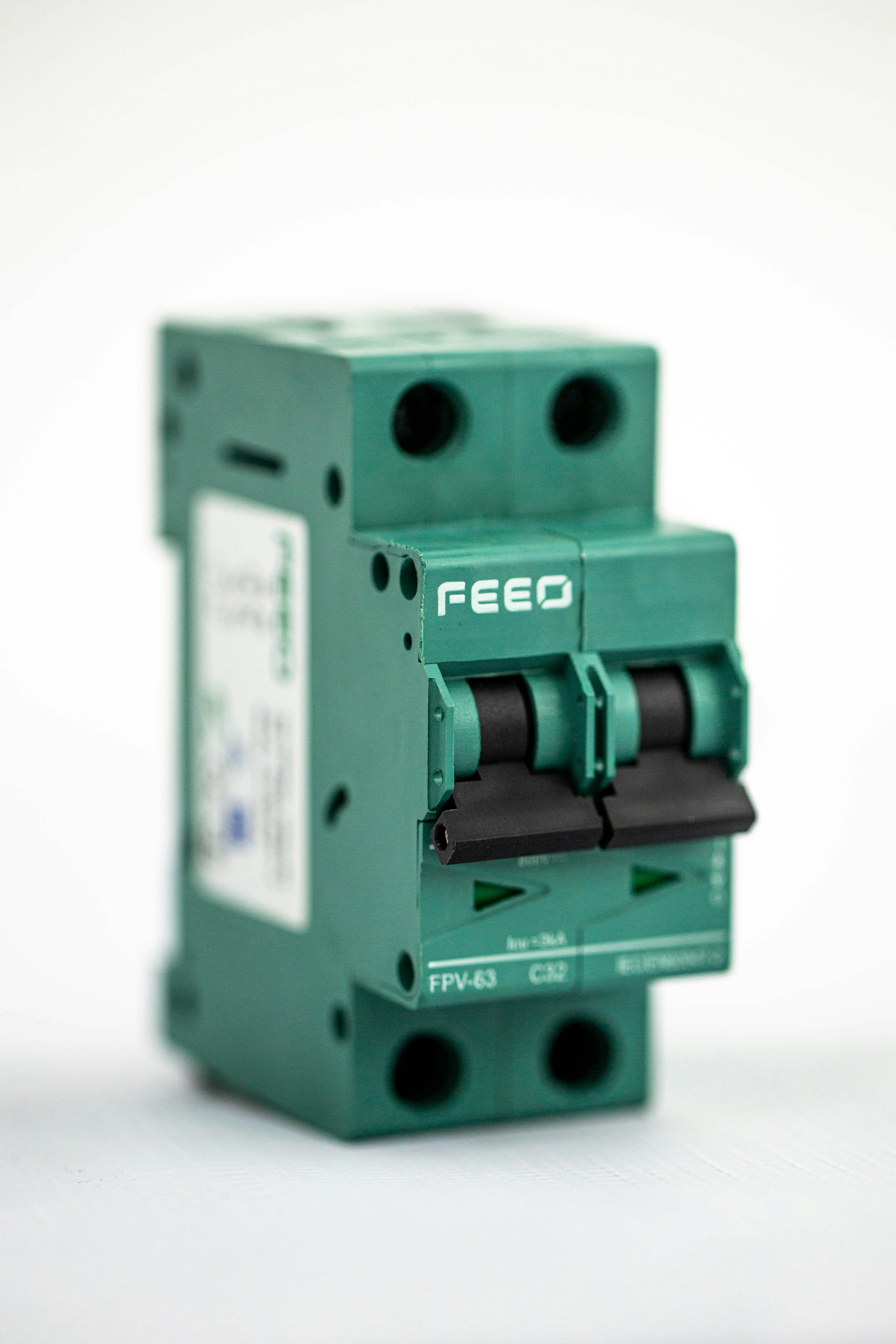
Introduction to Circuit Breakers
Circuit breakers are crucial devices in electrical systems, designed to protect circuits from overloads and faults. Their primary function is to interrupt the flow of electricity when a fault condition occurs, thus preventing potential damage to devices and ensuring user safety. By automatically shutting down electrical flow, circuit breakers act as a safeguard against hazards, such as electrical fires or equipment failure, which can arise from excessive current or short circuits.
The operation of a circuit breaker is relatively straightforward but highly effective. When the current flowing through a circuit exceeds its rated level, the circuit breaker senses the surge and swiftly opens the circuit, stopping the distribution of electricity. This action not only protects the electrical devices connected to the circuit but also minimizes risks to users and the surrounding environment.
There are various types of circuit breakers, including miniature circuit breakers (MCBs), residual current circuit breakers (RCCBs), and air circuit breakers (ACBs), each serving specific applications based on their design and functionality. MCBs are primarily used in residential and commercial contexts to safeguard circuits from overloads. RCCBs, on the other hand, monitor the current and are crucial for preventing electric shocks by detecting earth faults and disconnecting the faulty circuit rapidly.
The contribution of circuit breakers to overall electrical safety cannot be overstated. They enable efficient management of electrical power, ensuring that systems operate within their specified parameters. By integrating advanced technology, modern circuit breakers not only enhance protective measures but also enable monitoring of electrical systems, allowing for timely maintenance and troubleshooting.
Different Types of Circuit Breakers
Circuit breakers are essential components in electrical systems, serving as protective devices that interrupt the flow of electricity to prevent overloads and short circuits. The various types of circuit breakers can be categorized into three main groups: manual, automatic, and smart breakers, each with distinct functionalities and applications.
Manual circuit breakers, as the name suggests, require human intervention to operate. These breakers are typically used in residential settings, where users can manually reset the breaker in case of a trip. Their simple design makes them cost-effective, but they may not provide the same level of protection as automated systems. Manual breakers are best suited for applications where the electrical load is predictable and manageable.
In contrast, automatic circuit breakers operate without human input. These devices employ mechanisms that detect electrical faults and automatically trip to prevent potential damage. Automatic circuit breakers are commonly found in both residential and industrial applications, providing an crucial layer of safety in environments with fluctuating electrical loads. They are designed to handle a variety of scenarios, including overloads and short circuits, ensuring that devices remain protected without requiring immediate human attention.
Smart circuit breakers represent the latest advancement in circuit protection technology. These devices are equipped with digital capabilities that allow for more sophisticated monitoring and control of electrical systems. Smart breakers can track energy usage, detect anomalies, and even integrate with mobile applications for notifications and remote management. Their adaptability makes them ideal for modern homes and industrial facilities that prioritize energy efficiency and smart technology. By enhancing functionality and safety, smart circuit breakers are quickly gaining traction in various applications.
In summary, understanding the different types of circuit breakers—manual, automatic, and smart—offers valuable insights into their design, functionality, and suitability for various electrical systems. Each type serves a distinct purpose, ensuring safety and efficiency across residential and industrial applications.
Understanding the Functionality of Circuit Breakers
Circuit breakers are essential devices used in electrical systems to prevent damage caused by overloads and short circuits. At a fundamental level, they operate using several critical components: the sensing mechanism, the tripping mechanism, and the reset mechanism. The sensing mechanism plays a pivotal role in the operation of the circuit breaker. It continuously monitors the current flowing through the circuit. Should this current exceed predefined limits, indicative of an overload or fault, the sensing mechanism activates the tripping mechanism.
The trip settings, adjustable in many modern circuit breakers, determine the threshold at which the device will interrupt the power supply. These settings are vital as they must align with the electrical load requirements of the system while also offering protection. By fine-tuning the trip settings, users can achieve a balance between necessary operational continuity and reliable protection against electrical faults.
The tripping mechanism, upon activation by the sensing mechanism, interrupts the flow of electricity. This can occur through an electromagnetic force or a thermal reaction depending on the design of the circuit breaker. For instance, in an electromagnetic circuit breaker, excessive current generates a magnetic field that actuates a lever, mechanically separating the contacts and opening the circuit. In contrast, a thermal circuit breaker relies on the heat generated by current flow to trigger a bimetallic strip that bends and trips the circuit.
After a trip, the circuit breaker can typically be reset manually or automatically, depending on its design. This reset capability enables quick restoration of the power supply once the fault has been addressed. Hence, understanding how circuit breakers function is indispensable for ensuring a safe electrical environment in residential, commercial, and industrial applications.
Importance of Circuit Breakers in Electrical Safety
Circuit breakers play a pivotal role in the safety and efficiency of electrical systems. Their primary function is to interrupt the flow of electricity in case of a fault, thus preventing potential hazards. One of the most significant dangers in electrical systems is the risk of electrical fires. When excessive current flows through a circuit, it can lead to overheating and, subsequently, ignition of surrounding materials. Circuit breakers mitigate this risk by tripping the circuit when they detect an overcurrent situation, effectively cutting off the electricity supply and minimizing the chances of a fire outbreak.
In addition to fire prevention, circuit breakers safeguard electrical equipment from damage caused by power surges and overloads. Modern electrical devices are often sensitive to fluctuations in current. A sudden spike can lead to costly equipment failures or permanent damage. By automatically disconnecting the circuit during irregular conditions, circuit breakers protect valuable appliances and infrastructure from malfunctions that could arise from electrical anomalies.
Moreover, the protection of individuals from electrical shock is another critical function of circuit breakers. They are designed to detect ground faults, which occur when electricity flows through an unintended path, typically posing a hazard to human life. Ground fault circuit interrupters (GFCIs), a specialized type of circuit breaker, are particularly crucial in wet or high-risk areas such as bathrooms and kitchens, where the likelihood of shocks is elevated. By providing a rapid response to hazardous conditions, circuit breakers significantly reduce the risk of injury or fatal incidents associated with electrical shock.
In conclusion, the importance of circuit breakers in electrical safety cannot be overstated. They serve as essential protective devices that prevent electrical fires, safeguard equipment against damage, and protect individuals from electric shocks. Their reliable operation helps ensure that both residential and commercial electrical systems function safely and efficiently.
Installation and Maintenance of Circuit Breakers
Proper installation and maintenance of circuit breakers are critical to ensuring their efficacy and longevity. The first step in the installation process involves selecting the right type of circuit breaker for the specific application, considering elements such as voltage, current rating, and the system design. Following the manufacturer’s guidelines during installation is paramount to achieving optimal performance and safety standards. In general, an experienced electrician should handle the installation to mitigate any risks that may arise from improper connections. Each circuit breaker also requires a secure mounting on a stable panel to avoid vibrations, which can lead to mechanical failure.
Once installed, maintaining circuit breakers is essential to prevent electrical failures and hazards. Regular maintenance checks should be conducted to verify that the breakers are functioning correctly. This includes inspecting connections for corrosion or damage, testing and resetting the breakers, and confirming that they trip as expected during a fault condition. It is advisable to keep a detailed maintenance log that chronicles checks, issues identified, and corrective actions taken.
Troubleshooting is a necessary part of maintenance. If a circuit breaker repeatedly trips, it may indicate an overload, a short circuit, or an underlying fault in the wiring. Safety should always be the priority; therefore, before conducting any troubleshooting, the power supply should be turned off. Identifying the cause of the issue often requires a systematic approach, involving checking devices downstream on the circuit. If the issue persists after basic troubleshooting, consulting a qualified professional is recommended for a thorough examination of the electrical system. Following these best practices will ensure circuit breakers operate effectively, maintain safety standards, and extend their service life.
Common Issues with Circuit Breakers
Circuit breakers are essential safety devices that protect electrical circuits from overloads and short circuits. However, they can encounter various issues that may hinder their performance and effectiveness. Understanding these common problems is crucial for both safety and maintenance purposes.
One frequently encountered issue is nuisance tripping. This occurs when a circuit breaker trips without an apparent cause. Such incidents can be frustrating, especially if they’re disruptive. Nuisance tripping can result from sensitive equipment, overloaded circuits, or even environmental factors such as humidity. To mitigate this issue, it is advisable to inspect the connected devices for any faults, redistribute the load across different breakers, or consider upgrading to a breaker designed to handle specific applications more efficiently.
Another common problem is a failure to trip. A circuit breaker that does not trip during an overload or short circuit poses a significant safety hazard, as it may lead to electrical fires or equipment damage. Typically, this failure can occur due to mechanical wear, dirt or corrosion affecting the components, or a fault in the breaker itself. Regular maintenance and testing can help ensure breakers function as intended. Additionally, replacing outdated or damaged breakers can prevent this issue from arising.
Physical damage to circuit breakers is also a notable concern. Breakers may experience physical wear, cracking, or heat damage from extended use or environmental exposure. Thorough inspection for visual signs of damage, as well as ensuring adequate ventilation, can prolong the life’s integrity of circuit breakers. It’s wise to replace any breaker that exhibits signs of physical damage promptly. By understanding these common issues and their respective causes, users can take appropriate preventative measures and ensure the reliable operation of their circuit breakers.
Innovations and Trends in Circuit Breaker Technology
In recent years, there has been a significant evolution in circuit breaker technology that aligns with advancements in automation, energy efficiency, and sustainability. One prominent innovation is the development of smart circuit breakers. These devices are designed to integrate seamlessly with home automation systems, allowing users to monitor and control their electrical systems remotely. Smart breakers offer features such as real-time energy consumption tracking, automated alerts for electrical issues, and enhanced safety measures, making them a valuable addition to modern homes and buildings.
Another noteworthy trend is the push for greater energy efficiency in circuit breaker design. Manufacturers are now focusing on eco-friendly materials and manufacturing processes. The integration of advanced technologies such as predictive analytics and machine learning enables circuit breakers to adapt to changing electrical loads and identify potential failures before they occur. This proactive approach not only enhances the safety and reliability of electrical systems but also contributes to significant energy savings in both residential and commercial applications.
Sustainability is a critical consideration in the ongoing development of circuit breakers. Many new models are designed to minimize environmental impact through features like recyclable materials and lower carbon footprints. Energy-efficient circuit breakers not only meet regulatory requirements but also appeal to consumers increasingly concerned about their environmental footprint. Additionally, smart grid technology has given rise to innovative circuit breaker solutions that support the integration of renewable energy sources, empowering users to maximize their use of solar or wind-generated electricity.
As these trends continue to shape the landscape of circuit breaker technology, the future looks promising. With ongoing research and development aimed at enhancing functionality and sustainability, we can expect to see even more revolutionary advancements in this essential component of our electrical infrastructure.
Case Studies: Circuit Breakers in Action
Circuit breakers play a crucial role in protecting electrical systems from overloads and short circuits, preventing costly damages and enhancing safety across various applications. In this section, we will explore several case studies that exemplify the effectiveness of these devices in real-world situations.
One pertinent example is the deployment of circuit breakers in the residential sector during a major storm in 2020, which caused widespread power fluctuations. Homeowners reported multiple instances where circuit breakers tripped, effectively cutting off power before any electrical damage could occur. These quick responses illustrate their essential function in safeguarding both appliances and occupants from potential hazards associated with electrical surges.
Another significant case study occurred in a manufacturing facility that experienced frequent motor failures due to overcurrent conditions. By integrating intelligent circuit breakers equipped with monitoring capabilities, the facility was able to adjust the settings according to real-time load conditions. As a result, they observed a substantial reduction in equipment damage and downtime, ultimately leading to improved productivity and reduced maintenance costs.
Moreover, within the renewable energy sector, circuit breakers are integral to managing the connection between wind farms and the power grid. In one instance, a wind farm installed advanced circuit breakers that quickly disconnected the turbines during abrupt voltage spikes. This precaution not only preserved the integrity of the installation but also prevented broader issues within the grid, showcasing the importance of circuit breakers in renewable applications.
In summary, the analysis of these case studies reveals the critical role that circuit breakers play across different environments. Their ability to prevent electrical problems through swift and reliable operation offers invaluable lessons on the importance of implementing appropriate circuit protection strategies in various scenarios.
Conclusion and Future Outlook for Circuit Breakers
In summarizing the significance of circuit breakers, it is clear that these devices are crucial in safeguarding electrical systems from overloads and short circuits. Circuit breakers not only prevent potential damage to electrical appliances and infrastructure but also ensure the safety of users by mitigating the risk of electrical fires and shocks. Their role in modern electrical systems cannot be overstated, as they provide a first line of defense in maintaining operational reliability and efficiency.
Looking towards the future, advancements in circuit breaker technology are anticipated to enhance both safety and performance. Ongoing research is focusing on smart circuit breakers that integrate with smart grid technologies, allowing for remote monitoring and management. These innovative devices aim to optimize energy consumption and provide real-time data for predictive maintenance, thereby reducing downtime and costs.
Moreover, the continued development of materials used in circuit breaker construction may lead to increased durability and a decrease in operational failures. Improvements in arc detection technologies and response times are expected as well, further ensuring effective interruption of electrical flows during fault conditions.
Additionally, there is a growing emphasis on the sustainability of circuit breakers, with manufacturers exploring eco-friendly materials and methods of disposal to minimize environmental impact. The convergence of energy-efficient designs and advanced functionalities places circuit breakers at the forefront of electrical engineering innovation.
Overall, as the demand for more reliable and efficient electrical systems increases, the vital role of circuit breakers will only continue to expand, paving the way for new standards in electrical safety and performance.