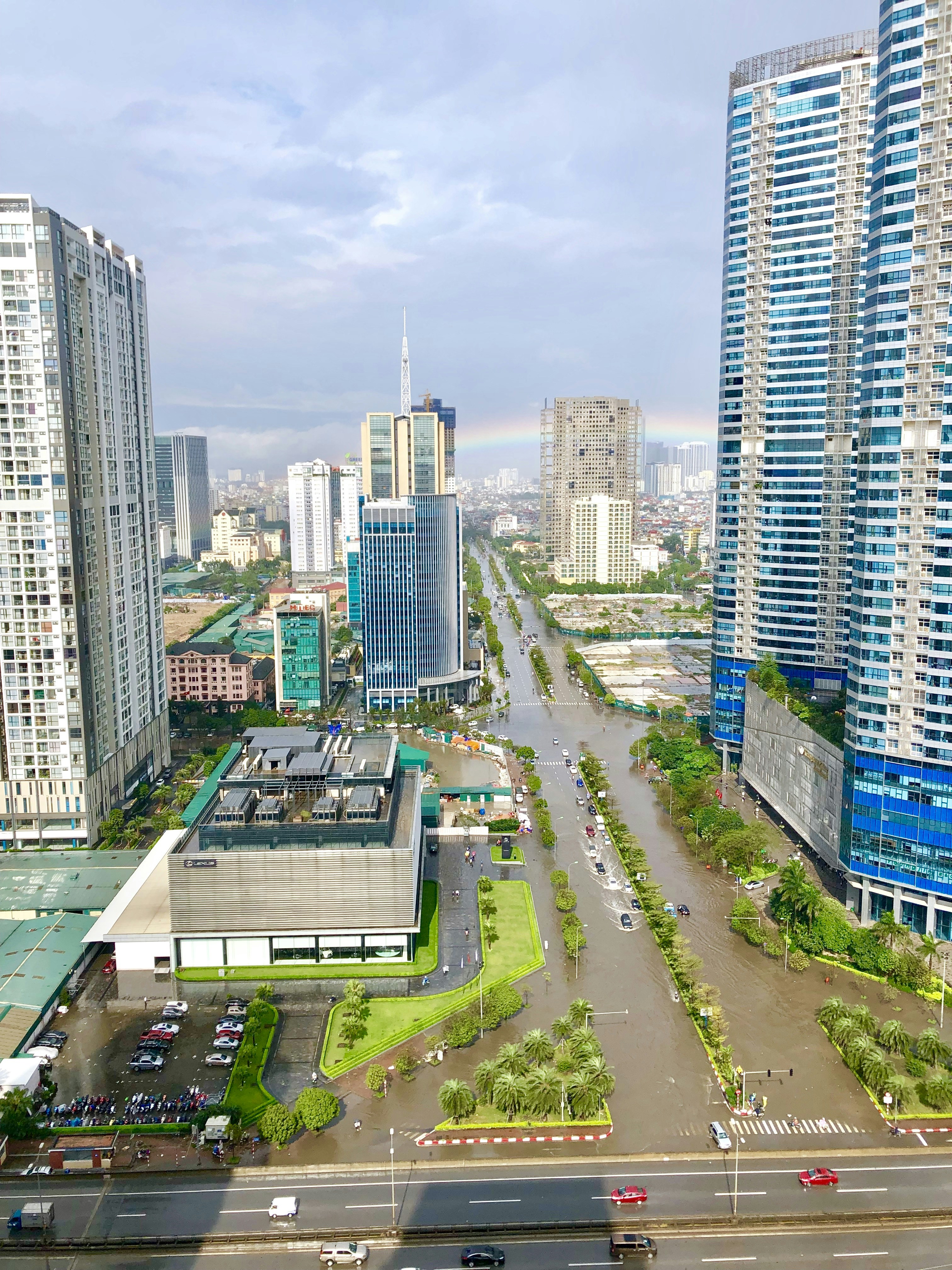
Introduction to the Mumbai Floods
Mumbai, India’s financial hub and a sprawling metropolis, has long been susceptible to the adverse effects of heavy monsoon rains. The Mumbai floods, a recurring natural disaster, have become a significant concern for city planners and residents alike. Historically, these floods have resulted from a combination of heavy rainfall, inadequate drainage systems, and rapid urbanization, which exacerbates the risk of flooding. Significant flooding events, such as those in July 2005 and August 2017, have led to widespread disruption, loss of lives, and extensive property damage, highlighting the urgent need to assess the broader implications of such disasters on the city’s culture and lifestyle.
The July 2005 floods were particularly notable, with over 900 millimeters of rain recorded in just 24 hours, leading to the death of nearly 1,000 people and the disruption of essential services. The aftermath of these events revealed critical challenges within the city’s infrastructure and the inadequacies of stormwater management. Flooding has now become an annual occurrence, as changing climate patterns contribute to increased rainfall intensity, making the city’s vulnerability to such disasters more pronounced.
As history has shown, these floods have had more than just physical repercussions; they have transformed the very fabric of Mumbai’s culture. The reoccurrence of flooding events forces formerly vibrant communities into a state of disruption, altering social dynamics and livelihoods. The resultant modifications in daily routines and cultural practices, due to the need for adaptability in the face of adversity, illustrate the profound cultural implications stemming from these natural disasters. Thus, the examination of Mumbai floods is not merely an inquiry into environmental phenomena but also a study of the resulting cultural adaptations that emerge in the wake of such tragedies.
Cultural Narratives Surrounding Floods
The floods in Mumbai have served as a catalyst for a range of cultural narratives that reflect the city’s deep connection with water and its inhabitants’ resilience in the face of adversity. Local storytelling has transformed, with tales not only detailing the devastating effects of flooding but also emphasizing community strength and unity. These narratives often highlight the shared experiences of the people, portraying a collective memory that resonates through generations.
Folklore has also evolved in response to the flooding, with new characters and legends emerging that symbolize the struggle against nature’s overwhelming forces. Communities engage in storytelling through various forms, including oral traditions, literature, and even digital platforms, fostering an exchange of perspectives on the floods’ impacts. These narratives, consequently, underline the vulnerability of urban life while simultaneously celebrating the spirit of resilience within the community.
Artistic expressions have further illustrated these cultural responses, with numerous artists drawing inspiration from the floods. Murals, performances, and installations depict the emotional landscape of the city while bringing attention to climate change’s broader implications. This artistic feedback loop, wherein the floods inspire creativity, allows for deeper discussions about sustainability, environmental justice, and urban adaptation. Artists are crucial in manifesting the voice of a community that refuses to be silenced, often creating pieces that foster awareness and provoke thought about the ongoing climate crisis.
Through these cultural narratives—rooted in personal experiences and artistic interpretations—Mumbai’s inhabitants signal their ability to adapt and thrive in challenging circumstances. The floods have not only reshaped the physical environment of the city but have also influenced the way its residents perceive their collective identity and future amidst the climate change landscape. These evolving stories serve as powerful reminders of human resilience and the ongoing dialogues around environmental issues.
Climate Change and Urban Vulnerability
The effects of climate change are becoming increasingly evident in urban landscapes worldwide, with cities like Mumbai exemplifying this growing vulnerability. As a bustling metropolis with a significant population density, Mumbai faces unique challenges exacerbated by rising sea levels and increased rainfall. One critical aspect of climate change impacting urban development is the phenomenon of sea-level rise, which threatens coastal cities. Mumbai, located along the Arabian Sea, is particularly susceptible to flooding, a situation worsened by climate change. The combination of rising sea levels and extreme weather events can lead to severe and frequent flooding, overwhelming existing drainage systems and infrastructure designed to manage typical rainfall.
Moreover, Mumbai has experienced notable changes in weather patterns due to climate change. The monsoon season, once predictable, has evolved, leading to unpredictable and intense rainfall events. This shift in precipitation patterns increases the likelihood of urban flooding, causing significant disruption to daily life, economic activities, and public health. Inadequate infrastructure and unplanned urbanization further amplify the city’s vulnerability, as informal settlements often spring up in high-risk flood zones.
The urban vulnerability of Mumbai is not solely a matter of physical infrastructure; it also encompasses socioeconomic factors. Many residents live in impoverished conditions, which limits their ability to adapt to climate impacts. Low-income communities often lack access to adequate resources and support systems, making them disproportionately affected by climate-induced disasters. As climate change continues to evolve, the interplay between urban vulnerability and climate impact highlights the urgent need for a comprehensive approach to urban planning and flood management. Ensuring that cities like Mumbai are equipped to handle these challenges is essential for protecting livelihoods and enhancing resilience against future climate impacts.
Economic Impacts of Flooding on Local Communities
The economic repercussions of the flooding in Mumbai significantly affect local communities, showcasing the devastating interplay between climate change and urban socio-economics. Firstly, the inundation leads to extensive damage to businesses, particularly those that are small and medium-sized enterprises (SMEs) that form the backbone of the local economy. These establishments often lack the financial cushion to endure prolonged interruptions, resulting in permanent closures or long-term restrictions on operational capacity.
Secondly, the loss of livelihood for individuals and families is marked, as many residents depend on these local businesses for employment. The immediate aftermath sees workers effectively losing their incomes, which exacerbates poverty levels within already vulnerable communities. Informal workers, who constitute a significant portion of Mumbai’s labor force, are particularly hard-hit because they typically lack formal contracts or safety nets to buffer against such disasters. This dearth of financial resources makes recovery challenging, leading many into a state of ongoing economic insecurity.
Beyond the localized effects, the broader economic implications for the city are noteworthy. Widespread flooding disrupts supply chains, affecting not only consumer goods but also vital services required for day-to-day living. This disruption can deter investment, with potential entrepreneurs and existing businesses weighing the risks of operating in an environment increasingly characterized by natural calamities. Furthermore, as the city grapples with recovering from these floods, public resources are diverted towards emergency responses and rehabilitation efforts, reducing funds available for critical infrastructure improvements that could mitigate future flooding.
In conclusion, the economic impacts of flooding in Mumbai are vast and multifaceted, underscoring the urgent need for effective climate resilience strategies. These strategies not only involve immediate relief measures but also long-term planning to protect local communities and sustain economic development in an era increasingly threatened by climate change.
Government Response and Preparedness
The response of government and local authorities to the flooding incidents in Mumbai has been a crucial aspect of disaster management. The frequent monsoons, exacerbated by climate change, have led to serious flooding issues, prompting a need for robust disaster preparedness strategies. In recent years, the local government has taken various measures to mitigate the adverse effects of flooding. Key initiatives include the construction of improved drainage systems and the establishment of early warning systems to alert residents to impending floods.
Additionally, the government has instituted regular training programs for emergency personnel and volunteers, aiming to enhance community resilience. These training sessions focus on effective evacuation procedures, first aid, and resource allocation during emergencies, which are vital for minimizing human and material loss. Moreover, local authorities have collaborated with various NGOs and community organizations to foster grassroots awareness about climate change impacts and disaster preparedness.
Despite these initiatives, challenges remain in the implementation of policies effectively. Bureaucratic delays, limited resources, and population density often hinder timely response and recovery efforts. There is also a need for constant evaluation of existing strategies, ensuring that they adapt to the evolving nature of flooding risks. Recent assessments indicate that while steps have been taken to strengthen flood response mechanisms, the scale of future climate events may require more comprehensive policies and investments in sustainable infrastructure.
In conclusion, the government’s response to the flooding crises in Mumbai reflects a commitment to improving disaster preparedness. By implementing both immediate and long-term strategies, authorities aim to protect vulnerable communities and reduce the cultural impacts of climate change, thereby fostering resilience in the face of such inevitable challenges.
Community Resilience and Adaptive Strategies
The community resilience demonstrated by the residents of Mumbai in the face of recurrent flooding highlights a significant aspect of social adaptation. Over the years, the city has grappled with severe flooding, particularly exacerbated by climate change. In response, various grassroots initiatives have emerged, reflecting not only the strength of the community but also their inherent capacity to adapt to changing environmental conditions.
Local organizations have played a pivotal role in mobilizing resources and fostering community-driven responses. For instance, groups such as the Mumbai-based NGO, Prasiddhi, have initiated comprehensive workshops aimed at educating residents about flood preparedness and response strategies. These efforts contribute to building a culture of resilience where community members collaboratively share knowledge and experiences regarding effective coping mechanisms.
Additionally, the use of traditional knowledge has been revitalized, with community members employing age-old techniques for water management and crop protection. Techniques such as rainwater harvesting and the construction of temporary barriers reflect the innovative spirit within the community, showcasing their ability to blend modern methods with traditional practices.
Furthermore, local governmental bodies often collaborate with these organizations to ensure that assistance is delivered efficiently during emergencies. This partnership enhances resource allocation and reinforces trust between residents and authorities. Through these collaborative approaches, Mumbai’s communities not only manage the immediate impacts of flooding but also work towards sustainable long-term adaptations.
Ultimately, the collective actions taken by citizens and local organizations in response to flooding underscore the importance of community resilience and adaptive strategies. These embedded practices not only mitigate the impacts of climate change but also promote a stronger, united front against future adversities. As cities worldwide face similar challenges, Mumbai stands as a case study in the potential of community-driven adaptation and resilience.
The Role of Media in Shaping Cultural Perceptions
The representation of environmental phenomena, particularly those associated with climate change, plays a significant role in shaping public perceptions and responses. In the context of Mumbai, a megacity frequently affected by monsoon floods, both traditional and social media have been pivotal in constructing narratives that inform cultural understanding of these events. Through news reports, documentaries, and social media posts, the media frame the flooding incidents and, consequently, influence public discourse.
Traditional media, including newspapers and television broadcasts, tend to focus on the immediate impacts of flooding—loss of life, damage to infrastructure, and the disruption of daily activities. This type of coverage often includes dramatic imagery that captures the severity of the situation, which can evoke strong emotional responses from audiences. By highlighting personal stories, the media humanizes the abstract data associated with floods, allowing viewers and readers to connect with the plight of victims. This emotional engagement can lead to a greater understanding of the cultural and social dimensions of climate change and its effects on communities.
In contrast, social media introduces a new dynamic, where individuals are both consumers and producers of content. Platforms like Twitter, Instagram, and Facebook enable real-time sharing of experiences and observations during floods, amplifying the voices of those affected. This participatory aspect allows for a diversity of narratives, encompassing not just the tragedy of flooding but also community resilience and innovative coping strategies. The immediacy of social media can alter the public’s perception quickly, influencing how communities respond and adapt to climate challenges.
However, these media representations also carry implications for cultural identity and collective memory. The narratives constructed through various media channels can shape public attitudes towards governmental accountability, urban planning, and environmental policy. Consequently, as climate change continues to impact cities like Mumbai, understanding the role of media in cultural perceptions becomes essential for fostering an informed public discourse that can drive meaningful change.
Lessons from Mumbai for Global Urban Centers
Mumbai, characterized by its dense population and unique cultural landscape, has experienced severe flooding events that have highlighted the intersection of climate change and urban living. These floods are not solely environmental disasters; they serve as a lens through which we can examine broader themes of resilience and adaptation that are relevant for urban centers across the globe. As cities like Miami, New Orleans, and Jakarta confront similar risks influenced by climate change, there is significant value in drawing lessons from Mumbai’s experience.
One notable aspect of Mumbai’s response to flooding is its grassroots initiatives. Local communities often mobilize swiftly to address immediate needs during crises, showcasing the importance of cultural cohesion in disaster preparedness. For instance, community-led efforts in Mumbai to raise awareness about rainwater harvesting and sustainable practices have demonstrated how cultural values can foster resilience. Urban centers worldwide can benefit from promoting local cultural narratives that encourage environmental stewardship and community engagement. Such applications of local knowledge could enhance global climate action strategies.
Additionally, Mumbai’s infrastructure challenges present a cautionary tale for other cities. The city’s rapid urbanization has led to inadequate drainage systems, contributing significantly to flood risks. This highlights the need for integrated urban planning that prioritizes sustainability. Cities globally must invest in resilient infrastructure that accounts for the unique geographical and cultural context of their populations. Moreover, leveraging technology for early warning systems can be a unifying factor in combating climate-related disasters.
In essence, by examining the cultural responses to flooding in Mumbai, urban centers facing similar threats can cultivate a more informed and collaborative approach to climate action. Learning from these localized experiences can offer global cities critical insights into how to adapt and thrive in a changing climate.
Conclusion: The Intersection of Culture and Climate in Urban Futures
The intricate relationship between climate change and cultural frameworks plays a pivotal role in shaping urban environments, particularly in cities like Mumbai that are increasingly vulnerable to flooding. The case of the Mumbai floods illustrates how cultural narratives can influence public perception and response to climate-related disasters. These narratives not only reflect the immediate challenges posed by climate change but also encapsulate the values and resilience of local communities.
As urban areas continue to grapple with the socio-economic and environmental impacts of climate change, it is imperative to recognize the importance of integrating cultural considerations into climate resilience strategies. Cultural initiatives can foster community engagement, promote adaptive practices, and preserve local identities in the face of ecological challenges. By embracing these initiatives, cities can create a more robust framework for addressing not only natural disasters but also the cultural dislocations that often accompany such events.
Furthermore, the interplay between culture and climate emphasizes the need for interdisciplinary approaches in tackling the multifaceted nature of urban sustainability. Collaboration among urban planners, cultural organizations, and community leaders can lead to innovative solutions that are both environmentally and culturally attuned. This holistic perspective acknowledges that the challenges posed by climate change are not merely technical or scientific; they are deeply rooted in the cultural dynamics of urban life.
In conclusion, by advancing the dialogue around culture and climate, cities like Mumbai can lead the way in fostering resilience and sustainability. It is essential to support and prioritize cultural initiatives that empower communities to navigate the ongoing realities of climate change, ensuring a future where both culture and environment can thrive. The path towards sustainable urban futures is intricately linked to the strength and richness of cultural narratives that define our cities.