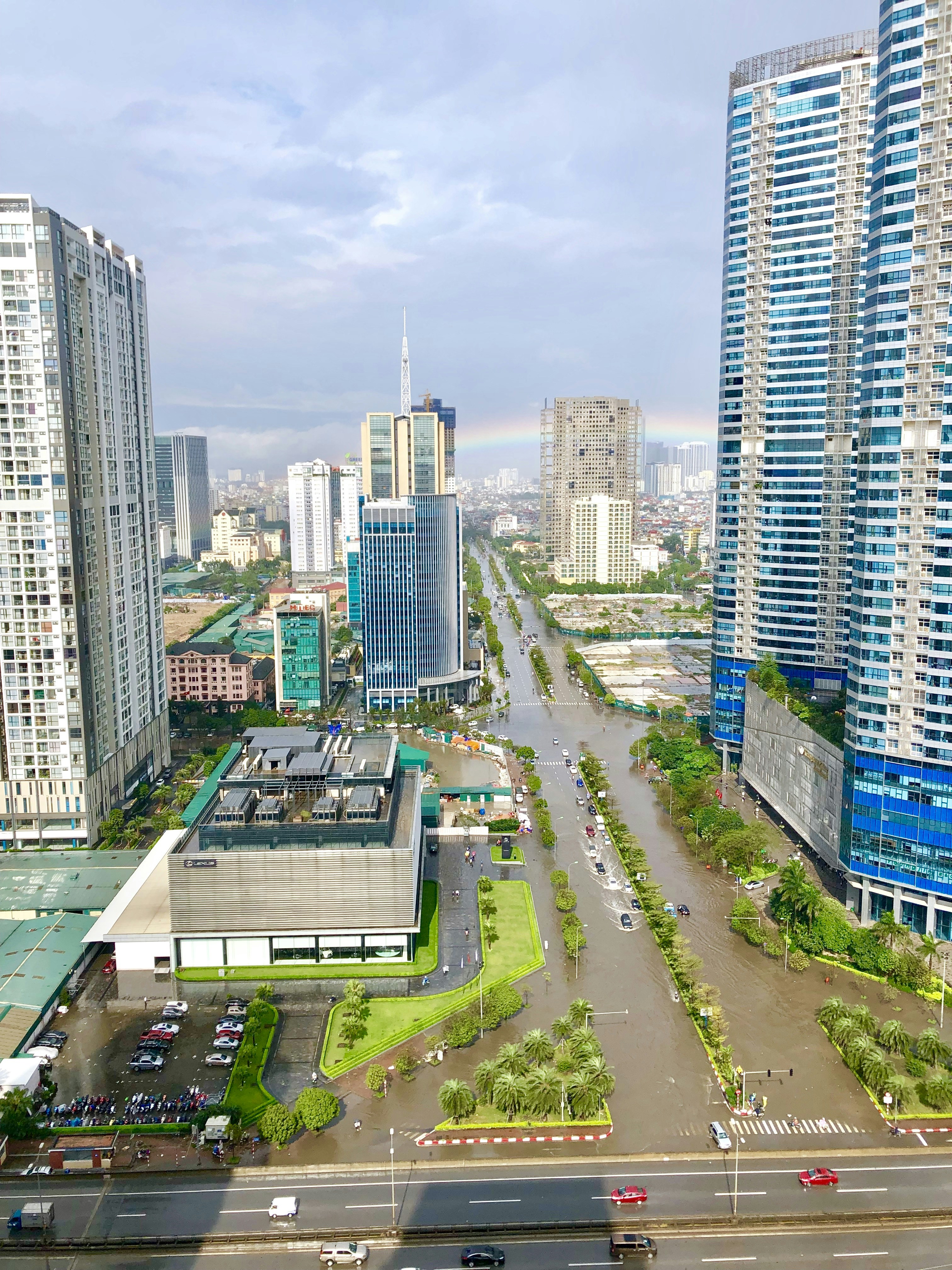
Introduction to Mumbai’s Vulnerability
Mumbai, the financial capital of India, is characterized by its vibrant culture, diverse population, and significant economic activities. The city’s geographical features play a crucial role in its vulnerability, especially regarding flooding incidents. Located on the western coastline, Mumbai is bordered by the Arabian Sea, making it susceptible to rising sea levels and extreme weather conditions exacerbated by climate change. Moreover, the city is crisscrossed by numerous rivers and drainage systems, which often become overwhelmed during intense monsoon rains, leading to severe flooding.
Furthermore, the rapid urbanization of Mumbai has contributed to its flooding vulnerability. Over the decades, the city has grown exponentially, leading to the extensive loss of wetlands and mangroves that once acted as natural barriers to flooding. The high population density, coupled with inadequate infrastructure, results in a less resilient urban fabric that struggles to cope with the challenges posed by heavy rainfall and rising sea levels. This situation is further complicated by the informal settlements many residents reside in, which lack proper drainage and sanitation facilities, making them particularly susceptible to flooding and its accompanying health risks.
Understanding Mumbai’s cultural landscape is equally essential when discussing its vulnerability to environmental crises. The city’s rich cultural heritage is interwoven with the lives of its residents, many of whom are deeply rooted in their communities. When flooding occurs, it disrupts not only the physical environment but also the social fabric of these communities. The impact on cultural practices, local economies, and community interactions highlights the significance of addressing these vulnerabilities through a comprehensive lens that considers both environmental and cultural aspects. This interdisciplinary approach is vital for developing effective strategies aimed at mitigating the adverse effects of flooding in Mumbai, particularly as the realities of climate change become increasingly evident.
Historical Context of Flooding in Mumbai
The city of Mumbai has a long and complex history of flooding, markedly influenced by its geographic location and the rapid urbanization it has undergone. Major floods have repeatedly shaped the city’s development, dictating the evolution of its infrastructure and public policy. For instance, the catastrophic floods in 2005, which resulted in over 1,000 millimeters of rainfall in just 24 hours, serve as a stark reminder of the vulnerabilities inherent in urban planning amidst climate shifts.
Prior to this event, significant flooding incidents had been recorded, such as the floods of 1961 and 1974, which led to widespread disruption and loss of life. These occurrences prompted the local government to implement various flood management strategies. However, as the city expanded, with an increase in population density and informal settlements, these adaptations were often inadequate. Ironically, while attempts were made to improve drainage and infrastructure, rapid development sometimes exacerbated the flooding issues by disrupting natural water flow.
The cultural narratives surrounding flooding events in Mumbai reveal a broader societal response to environmental crises. Floods have not only highlighted infrastructural inadequacies but also raised awareness regarding climate impact and resilience among local communities. Documentaries, literature, and public discussions often emerge from these crises, reflecting the experiences and emotions of those affected. Such narratives contribute to the evolving identity of Mumbai, embedding the memory of floods in the cultural fabric of the city.
In summary, the historical context of flooding in Mumbai elucidates the intricate relationship between environmental challenges and urban development. By examining notable flooding incidents, one can understand how they have prompted both infrastructural and cultural responses, revealing the city’s ongoing struggle with climate-related issues.
The Role of Climate Change in Flooding Events
Climate change has emerged as a significant factor contributing to the increasing frequency and severity of flooding events in urban areas like Mumbai. One of the primary impacts of climate change is the rise in global temperatures, which subsequently leads to the melting of glaciers and polar ice caps. As a result, rising sea levels pose a substantial threat to coastal cities. For Mumbai, which lies along the Arabian Sea, even modest increases in sea level can exacerbate flooding, particularly during high tide periods and the monsoon season.
Additionally, climate change is linked to an increase in the intensity and unpredictability of weather patterns, notably rainfall. The Indian subcontinent has experienced a marked increase in monsoonal rainfall, resulting in severe rain events that overwhelm drainage systems. Ironically, urban development in Mumbai, characterized by extensive concrete infrastructure, further complicates this situation. As natural land surfaces are replaced with impermeable materials, the city’s ability to absorb rainfall diminishes, leading to more significant runoff and flooding.
Moreover, the effect of climate change is not uniform across different regions. Areas with existing infrastructure challenges are particularly vulnerable. In Mumbai, rapid urbanization has led to encroachments on wetlands and floodplains, which serve as natural buffers against flooding. The loss of these crucial ecosystems diminishes the city’s resilience, making it imperative to consider sustainable urban planning and re-integration of these spaces into the urban landscape. Ultimately, the interplay between climate change, rising sea levels, excessive rainfall, and urbanization illustrates a complex web of factors contributing to the increasing flood risks faced by Mumbai.
Cultural Responses to Flooding
The city of Mumbai, steeped in rich cultural heritage, has witnessed significant impacts due to recurrent flooding, exacerbated by climate change. This phenomenon has not only challenged the infrastructure of the city but has also prompted unique cultural responses among its residents. Community solidarity emerges prominently during flood events, where neighborhoods come together to support one another. This collective effort exemplifies resilience and highlights the importance of social bonds in times of crisis.
In the aftermath of flooding, local communities often engage in traditional practices aimed at restoring balance and peace. These may include rituals for appeasing the rain gods or conducting prayer meetings in temples, mosques, and churches. Such ceremonies serve not only as spiritual solace but also as cultural anchors that help the community cope with the emotional toll of natural disasters. Through these shared experiences, individuals reaffirm their identities and cultural connections.
In conclusion, the cultural responses to flooding in Mumbai illustrate a profound interplay between climate impacts and community practices. Through solidarity, traditional rituals, and adaptability in cultural celebrations, the residents of Mumbai demonstrate resilience in the face of adversity. These responses not only highlight the unique cultural fabric of the city but also serve as a testament to the enduring spirit of its inhabitants when confronted with the challenges posed by climate change.
Artistic and Literary Reflections of the Floods
The devastating floods in Mumbai have not only resulted in significant physical destruction but have also profoundly influenced the cultural landscape of the city. Artists and writers have taken to various forms of expression to capture the essence of this calamity, reflecting on its immediate and long-term impacts through their creative endeavors. In the aftermath of the floods, numerous visual artists have created poignant pieces that depict the actual events, using their mediums to communicate the chaos and despair experienced by the residents. For instance, installations featuring submerged street scenes embody the stark reality of the floods, acting as both a reminder and a critique of urban development that disregards environmental considerations.
In the literary sphere, novelists and poets from Mumbai have delved into the emotional and psychological aftermath of the floods. One notable work is a collection of poems that explore themes of loss, resilience, and community solidarity. Such literary efforts not only document individual experiences but also serve as a collective memory, highlighting the shared trauma and the strength found among the residents during crisis. The imagery found in these works often mirrors the turbulent waters that changed lives, creating a powerful emotional resonance with readers.
Furthermore, several playwrights have utilized the flood as a backdrop for exploring social issues such as poverty and the inadequacies of urban infrastructure. By stage-managing narratives around the floods, they invite audiences to engage with the critical discussions surrounding climate change and its prevalent effects on marginalized communities. These artistic expressions have become vital in shaping the cultural psyche of Mumbai, encapsulating both a sense of mourning and a spirit of hope. Ultimately, the reflections of the floods through art and literature are not only testimonies of a natural disaster but also calls to action for a more sustainable and inclusive urban future.
Government Response and Community Resilience
The Mumbai floods have drawn attention to the intersection of government policies and community resilience, particularly in the face of climate change. As the frequency and intensity of flooding events have increased, authorities in Mumbai have had to reassess their emergency response measures. Government agencies have been tasked with orchestrating and executing a robust emergency management plan that not only addresses immediate needs but also considers long-term resilience strategies. Effective response requires a multifaceted approach, incorporating infrastructure improvement, urban planning reforms, and community engagement initiatives.
Emergency response measures have been pivotal in minimizing casualties and damage. These include the establishment of rapid response teams equipped with essential resources, timely communication protocols to alert residents, and the implementation of evacuation plans. In recent years, the state government has focused on enhancing disaster preparedness through training programs for local officials and volunteers, ensuring a coordinated response during crises. The involvement of community organizations has also been instrumental, fostering a culture of resilience that empowers residents to actively participate in disaster preparedness activities.
Long-term solutions to flooding in Mumbai necessitate a cultural shift towards sustainable practices. Policies promoting the restoration of mangroves and wetlands, which naturally regulate water flow, have cultural implications as they revitalize local ecosystems and traditions tied to these environments. Furthermore, educating communities about climate change adaptation strategies fosters a sense of ownership over local resources. Collaborative efforts between government and community groups are essential in creating comprehensive action plans that address both the immediate threats posed by flooding and the underlying systemic issues exacerbated by climate change.
In fostering community resilience, the role of education cannot be overstated. Local initiatives focusing on workshops and awareness campaigns can help residents comprehend the impacts of climate change and flooding, motivating them to take proactive measures within their neighborhoods. By investing in such strategies, the government can cultivate a culture that not only thrives during emergencies but also proactively addresses the challenges that lie ahead, thereby reinforcing the community’s capacity to endure and adapt.
Documenting Personal Stories: A Cultural Archive
The catastrophic floods that have periodically struck Mumbai serve as more than mere natural disasters; they are significant cultural events that shape the fabric of the city’s history and identity. Documenting personal stories from those adversely affected by these floods is vital for creating a comprehensive cultural archive. Individual experiences offer invaluable insights into the broader implications of flooding on community resilience, social dynamics, and the deeply rooted cultural practices prevalent in Mumbai.
Several initiatives have emerged to collect and preserve these narratives, ensuring that the voices of those impacted by flooding are not lost over time. For instance, community-driven projects that engage citizens in storytelling foster a collaborative process whereby personal experiences can be shared and recorded. These collections play a dual role: they validate the lived experiences of flood survivors and contribute to a collective historical narrative that frames the impact of climate change on urban life.
In preserving these stories, cultural archivists not only document the suffering and challenges posed by flooding but also highlight resilience and adaptive practices. Through oral histories, written testimonies, and visual documentation, the rich tapestry of Mumbai’s cultural landscape is illustrated, showcasing the delicate balance within which its inhabitants navigate their daily lives amidst the threat of climate-induced disasters. Efforts to build this cultural archive underscore the importance of remembering and learning from the past, illustrating how communities bond in adversity and innovate in response to emerging challenges.
Moreover, a cultural archive enriched with personal narratives serves as an educational resource for future generations, helping to raise awareness about the realities of climate change and its impacts. In recognizing the significance of these personal stories, we can better comprehend the ongoing struggle against climate threats and strive towards more effective solutions that honor both the memories and resilience of the impacted communities.
The challenges posed by climate change and the increasing frequency of flooding in urban environments necessitate a proactive approach to urban planning in Mumbai. As one of the most densely populated cities in the world, Mumbai must devise strategies that ensure both modern development and the preservation of its rich cultural heritage. Urban planners are faced with the critical task of integrating sustainable, flood-resistant infrastructure while safeguarding the historical and cultural sites that define the city’s identity.
In addressing the future implications of urban planning within the context of climate change, city officials need to consider innovative architectural designs and infrastructure improvements. Elevated roadways, permeable pavements, and green roofs are essential in mitigating flooding impacts while simultaneously supporting environmental sustainability. These tools can help maintain the vibrancy and functionality of modern urban spaces while providing a buffer against the adverse effects of heavy rainfall and rising sea levels.
Moreover, engaging local communities in urban planning discussions is crucial to achieving a balanced approach. Residents possess invaluable insights regarding the cultural significance of specific sites and neighborhoods. Their involvement ensures that modernization efforts respect and reflect the cultural fabric of the city. Collaborative initiatives can facilitate a harmonious coexistence of new developments and traditional landscapes, ensuring that Mumbai’s historical narrative continues to thrive.
Ultimately, the future of urban planning in Mumbai lies in forging resilient, culturally sensitive approaches. By prioritizing both the challenges of climate change and the need to preserve cultural heritage, urban planners can create a city that not only withstands the tests of time but also celebrates its historical charm in the face of modernization. The emphasis on sustainable practices must resonate through every layer of urban development, ensuring that Mumbai remains a vibrant, culturally-rich metropolis.
Conclusion: A Cultural Perspective on Climate Resilience
In summation, the devastating floods that have repeatedly impacted Mumbai serve as a critical reminder of the intersection between climate change and cultural identity. As explored throughout this blog post, understanding the cultural lineage and community narratives is crucial for addressing the ongoing challenges posed by climate-related disasters. The residents of Mumbai, enriched by diverse traditions and communal bonds, are integral to crafting adaptive strategies that enhance climate resilience.
Integrating a cultural perspective into climate resilience efforts not only fosters inclusivity but also empowers local populations. The familiar customs, folklore, and practices of Mumbai’s diverse communities can provide unique insights into sustainable living and disaster preparedness. Utilizing these cultural elements can aid in formulating more effective response strategies that resonate with community values, thereby ensuring greater engagement and cooperation among residents during times of crisis.
Furthermore, as stakeholders—from government bodies to NGOs—seek solutions to mitigate the effects of flooding, it is essential to involve community voices actively. Their lived experiences and knowledge offer invaluable contributions to the development of tailored interventions that honor cultural dynamics while addressing the pressing realities of climate change. Collaborative initiatives that prioritize local participation will enhance the reliability of climate resilience measures and support the emotional and psychological recovery of affected communities.
Ultimately, the journey towards a sustainable and resilient Mumbai lies in recognizing and amplifying the cultural narratives that shape the city. By fostering a unified effort that synergizes traditional wisdom with modern techniques, we can build a future where communities are not only prepared for potential floods but also thrive amid the challenges posed by climate change.