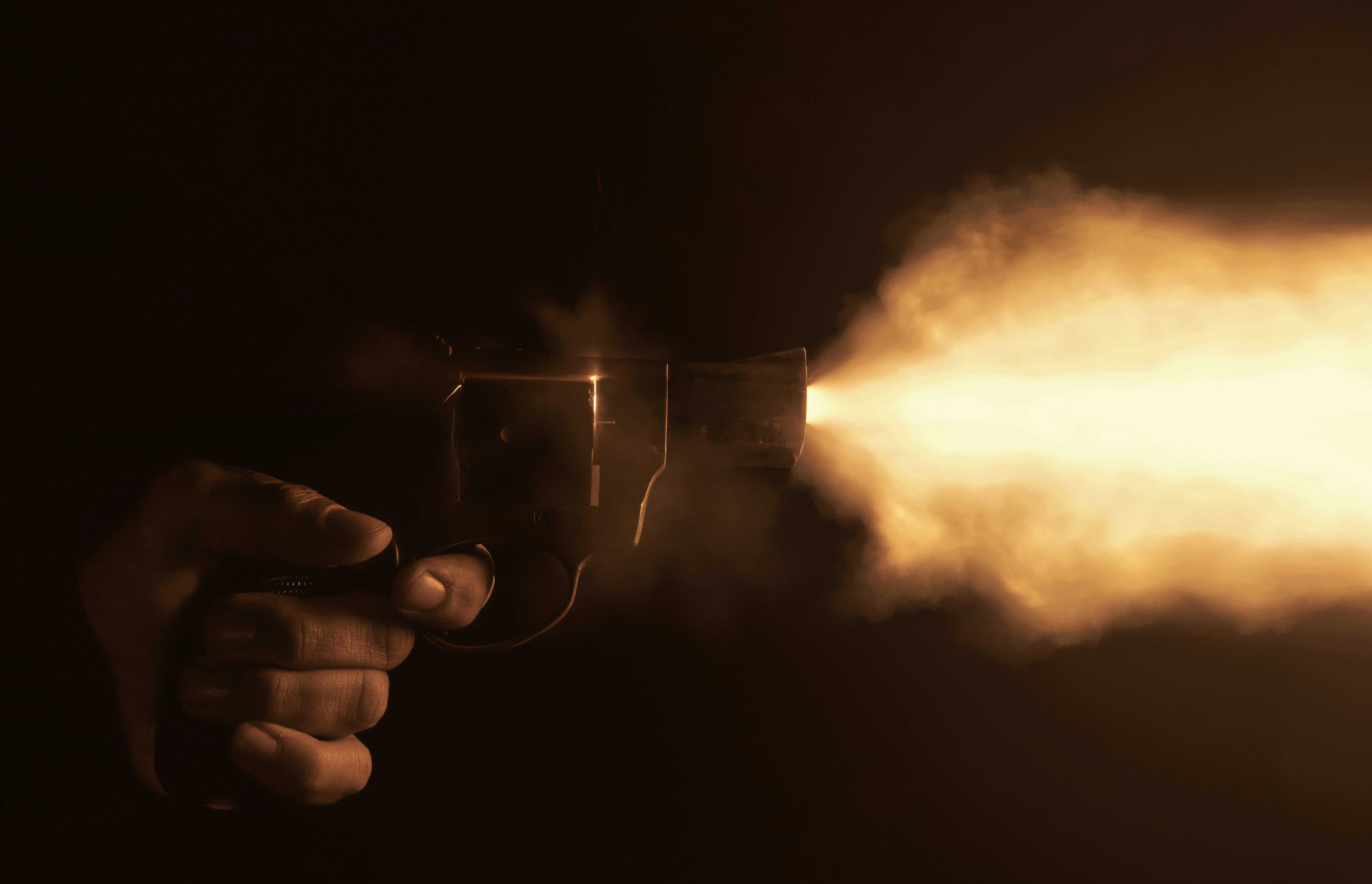
Introduction to Warning Shots
Warning shots are defined as non-lethal gunfire intended to signal a threat or deter aggression without intending to inflict harm. The primary context in which warning shots are typically employed is during confrontational situations, where the individual firing the shot seeks to communicate their seriousness and intention to protect themselves or others. Often, they serve as a means of establishing authority, indicating that escalation to lethal force can occur if necessary.
The intention behind firing a warning shot is multifaceted; it is meant to prompt a swift de-escalation of the situation while also sending a clear message to the potential aggressor. This act can lead to a psychological impact on both the shooter and the target. For the shooter, discharging a firearm, even as a warning, can provoke a significant emotional response, including anxiety and regret. Conversely, the target may experience feelings of intimidation and fear, potentially influencing their subsequent actions.
Warning shots are often associated with various legal implications. In many jurisdictions, the indiscriminate use of warning shots can lead to criminal charges, particularly if such actions are deemed reckless or result in unintended consequences. Thus, understanding the context and legal ramifications surrounding the use of warning shots is crucial for individuals who may find themselves in situations where this is considered an option.
It is essential to analyze warning shots within broader discussions of self-defense and personal safety. As society continues to grapple with evolving perceptions of firearm usage, particularly in defensive contexts, the importance of accurately comprehending the risks and realities associated with warning shots cannot be overstated. Engaging thoughtfully with this concept allows for a deeper understanding of complex human interactions during high-stress scenarios.
Historical Context and Examples
The practice of firing warning shots has a long and varied history, both in military actions and civilian encounters. In military contexts, one of the earliest noted instances occurred during World War II, when naval forces would fire warning shots as a means to deter enemy vessels from entering restricted zones. This tactical maneuver served not only as a signal of intent but also as a method to avoid unnecessary escalation into full-scale conflict.
Another significant example can be found during the Korean War. On various occasions, forces from the United States and North Korea exchanged warning shots along the border. These incidents were intended to signal deterrence without leading to immediate armed confrontation. Each occurrence underscored the fragile balance of power in a highly contentious environment and illustrated that warning shots can serve to de-escalate tensions, albeit temporarily.
In civilian contexts, warning shots have also emerged in notable incidents, particularly involving law enforcement. One such case is from the early 1990s in the United States, where police officers discharged warning shots into the air during a domestic dispute, which unexpectedly culminated in unnecessary injuries. These civilian instances often draw public scrutiny, especially when they provoke safety concerns or legal repercussions.
Media coverage of warning shot occurrences, both in military and civilian contexts, tends to highlight their consequential nature. Often, the focus is not just on the act itself, but also on the broader implications of using warning shots as a deterrent strategy. A key takeaway is that, while warning shots can be a useful strategy in some scenarios, they also carry significant risks that can lead to unintended consequences, emphasizing the importance of assessing each situation carefully.
Legal Considerations Surrounding Warning Shots
The act of firing a warning shot involves complex legal considerations that can vary significantly across jurisdictions. In many regions, self-defense laws dictate that individuals are only permitted to use lethal force when faced with an imminent threat to their safety. Consequently, the practice of firing a warning shot can lead to intricate legal ramifications, requiring a comprehensive understanding of the legal framework governing self-defense.
Central to this discussion is the principle of proportionality, which underscores that any defensive action must be proportionate to the threat faced. Firing a warning shot may be construed as an escalation of force, which could result in legal consequences if authorities determine that the situation did not warrant such a response. For instance, in some jurisdictions, discharging a firearm, even as a warning, is not permitted under self-defense statutes, while others may have a more permissive approach.
Several notable legal cases have shaped the discourse surrounding warning shots. In the case of State v. Lentz, a man faced significant legal challenges after firing a shot into the air during a confrontation. The court determined that his actions constituted reckless endangerment, underscoring the potential for severe legal repercussions related to the discharge of a firearm in a non-lethal context. Similarly, in United States v. McGowan, the ruling highlighted the necessity for a clear and immediate threat to justify any use of force.
Individuals contemplating the use of warning shots should carefully evaluate their local laws and seek legal counsel to ensure that their actions are aligned with permissible self-defense practices. Understanding the legal landscape surrounding warning shots is essential for anyone considering this form of self-defense.
Psychological Effects of Warning Shots
The use of warning shots can have profound psychological implications for all parties involved, including the shooter, the intended target, and any bystanders present at the scene. For the shooter, the act of firing a warning shot may initially serve as a method of deterrence, intended to communicate a threat without causing direct harm. However, the aftermath can lead to significant emotional and mental strains. Shooters may experience guilt, anxiety, or post-traumatic stress as they grapple with the decision to escalate a confrontation, even if the intention was non-lethal. The knowledge that one has discharged a firearm can be haunting, heightening self-doubt and fear of future engagements.
Additionally, the psychological impact on the intended target is equally critical. A warning shot may instill a sense of fear and intimidation, compelling the target to rethink their actions. However, this reaction can vary widely; some individuals might respond with compliance, while others may react with aggression or panic. The unpredictability inherent in human behavior means that a warning shot could inadvertently escalate a conflict, as the target may feel cornered or threatened by the implication of the shooter’s readiness to use force.
Bystanders also bear the burden of psychological effects stemming from the act of firing a warning shot. Witnessing such an event can lead to fear, anxiety, or trauma, particularly for individuals who might be unaccustomed to firearms or violence. The presence of firearms and the uncertainty of confrontation can result in lasting emotional scars that interfere with their sense of safety and security in the environment. Overall, while warning shots are intended as a non-lethal tactic, the associated psychological effects can vary dramatically, contributing to the complex realities of conflict situations.
Potential Risks and Consequences of Warning Shots
Firing a warning shot, often considered as a means to deter potential threats or to signal a need for compliance, comes with a multitude of risks and consequences that are frequently overlooked. One significant risk associated with warning shots is the potential for unintended injury. Even when fired into the air or at a non-target area, there exists the possibility that a stray bullet can cause harm to innocent bystanders, leading to serious injuries or fatalities. The unpredictable nature of bullets once they are discharged raises crucial safety concerns that must be taken into account.
Moreover, property damage can occur inadvertently as a result of firing a warning shot. Missed targets or ricocheting bullets can lead to damage to cars, buildings, or other property that may not be directly involved in the ongoing scenario. Such damage may generate financial liabilities for the shooter, further complicating the situation and leading to potential civil lawsuits.
In terms of legal repercussions, the act of firing a warning shot can complicate one’s legal standing. Many jurisdictions have strict laws regarding the use of firearms, including guidelines on self-defense and the justification for the use of lethal force. A warning shot might be interpreted as an escalation rather than an opportunity for de-escalation, potentially leading to charges ranging from reckless endangerment to unlawful use of a firearm. The legal intricacies involved in such scenarios necessitate careful consideration of whether firing a warning shot is truly warranted, as they can transform an already tense situation into one fraught with legal challenges.
Consequently, while the intent behind a warning shot may be to deter aggression, individuals need to assess the likelihood of escalation in any given situation. The ramifications—both immediate and long-term—cannot be underestimated; caution is warranted before taking such an action.
Alternatives to Warning Shots
In various conflict scenarios, the use of warning shots can escalate tensions rather than diffuse them. Therefore, exploring alternatives is crucial for ensuring safety while effectively managing potential threats. Non-lethal deterrents serve as a prominent option when faced with aggressive behavior. Tools such as pepper spray, tasers, or rubber bullets can incapacitate an assailant without causing permanent harm. These alternatives allow for a measure of control in dangerous situations without resorting to gunfire.
Another significant strategy involves communication techniques that prioritize dialogue over confrontation. Establishing a rapport with the opposing party can significantly reduce the need for warning shots. Effective communication can involve clearly articulating boundaries and expectations. Additionally, active listening plays a vital role, as it fosters respect and understanding. Engaging in dialogue can result in a peaceful resolution to disputes, often averting further escalation altogether.
Furthermore, employing de-escalation tactics can be a practical way to handle high-stress environments. Techniques such as maintaining a calm demeanor, using non-threatening body language, and verbal reassurances can significantly lower tensions. Training in conflict resolution and crisis intervention equips individuals with the skills to address volatile situations without resorting to aggressive measures. By promoting understanding and mutual respect, de-escalation strategies can often resolve conflicts before they reach a critical juncture.
Incorporating these alternatives effectively can not only safeguard individuals but also contribute to a broader culture of non-violent conflict resolution. By valuing communication, understanding, and appropriate responses to aggressive behavior, society can significantly reduce the necessity for warning shots and foster a safer environment for all parties involved.
Case Studies of Warning Shot Scenarios
Warning shots, employed in various contexts, serve as a critical tool for conveying deterrent messages without resorting to lethal force. Each incident highlights the complex dynamics surrounding their use, reflecting on both immediate impacts and broader implications.
In a notable case from the United States, a homeowner discharged a warning shot into the air during an attempted burglary. The act was intended to scare off the intruders, and, conversely, it did lead to a prompt retreat. However, the aftermath revealed significant legal ramifications, as the local authorities viewed the act as reckless discharge of a firearm. This case underscores the necessity of understanding local laws governing firearms, emphasizing that while intent was largely defensive, consequences can vary drastically depending on jurisdiction.
Another case that gained media attention involved law enforcement personnel responding to a public disturbance. Officers fired warning shots into the ground to disperse an unruly crowd. While this action successfully de-escalated the immediate threat, it also triggered discussions about police tactics and the potential for escalating violence—highlighting the delicate balance that must be maintained when employing warning shots.
Moreover, in a conflict resolution scenario, private security used warning shots as a deterrent against an aggressive group approaching a protected property. The warning shots were successful in preventing physical confrontation, illustrating that under specific circumstances, such measures can serve as an effective means of maintaining peace and security. However, this incident also raised questions about the long-term implications of normalizing warning shots and the potential risk of such actions leading to unintended consequences, including injury or fatalities.
These case studies serve to illuminate the complexities surrounding warning shots, revealing that their effectiveness can be highly situational. A nuanced understanding of the context, execution, and legalities is crucial when considering the deployment of this tactic.
Training and Protocols for Warning Shots
Incorporating warning shots into security protocols requires a strategic approach characterized by comprehensive training and strict adherence to established guidelines. Training should encompass various aspects including firearms safety, operational procedures, and legal considerations surrounding the use of warning shots. Individuals and organizations must be well-versed in when and how to properly implement warning shots as a deterrent to potential threats.
First and foremost, training programs should emphasize the significant importance of situational awareness. Individuals should be trained to assess threats accurately, allowing them to differentiate between situations where the use of a warning shot may be warranted and those where it may escalate tension or result in unintended consequences. Scenario-based training can be particularly effective in enabling participants to practice their responses to a range of situations that may arise.
Furthermore, understanding the legal framework surrounding warning shots is critical for any organization considering their use. This includes familiarity with local laws, regulations, and organizational policies governing the discharge of firearms in a non-lethal capacity. Legal training should highlight the implications of using warning shots, including potential liabilities and the consequences of misuse. This understanding not only promotes compliance but also fortifies the ethical responsibilities associated with the deployment of firearms.
Organizations should also develop clear protocols regarding the decision-making process involved in using warning shots. Such protocols might involve multiple tiers of communication and oversight to ensure that such actions are justified and appropriate. Regular evaluations and updates to training programs and protocols are essential to accommodate any changes in legislation or best practices. Through diligent training and robust protocols, organizations can help mitigate risks associated with warning shots while ensuring they are prepared for a variety of security scenarios.
Conclusion and Future Implications
Understanding the complexities surrounding warning shots is crucial for both law enforcement and individuals in self-defense situations. The primary intent behind a warning shot is to dissuade potential threats without causing harm. However, it is vital to acknowledge the various legal and ethical considerations that accompany this practice. Law enforcement agencies often find themselves navigating a narrow path when determining the appropriateness of warning shots, especially in high-stakes scenarios where split-second decisions must be made.
Moreover, as societal attitudes towards firearms and self-defense evolve, so too do the discussions surrounding the use of warning shots. Increased scrutiny on law enforcement practices, alongside broader movements advocating for stricter gun control and responsible usage, may influence future legislation regarding warning shots. This creates a dynamic environment where regulatory changes could redefine how warning shots are perceived and utilized in confrontational situations.
Further research and dialogue will be essential to understand the balance between safety and the preservation of rights relating to self-defense. Community training programs and public discussions can aid in shaping perceptions around warning shots, ensuring that individuals are better educated about their use and consequences. Additionally, more comprehensive guidelines for law enforcement can lead to a clearer understanding of when warning shots should be deployed, which, in turn, could help mitigate risks for both officers and civilians. As the landscape of self-defense continues to change, ongoing analysis and education will play pivotal roles in shaping effective and responsible practices regarding warning shots.