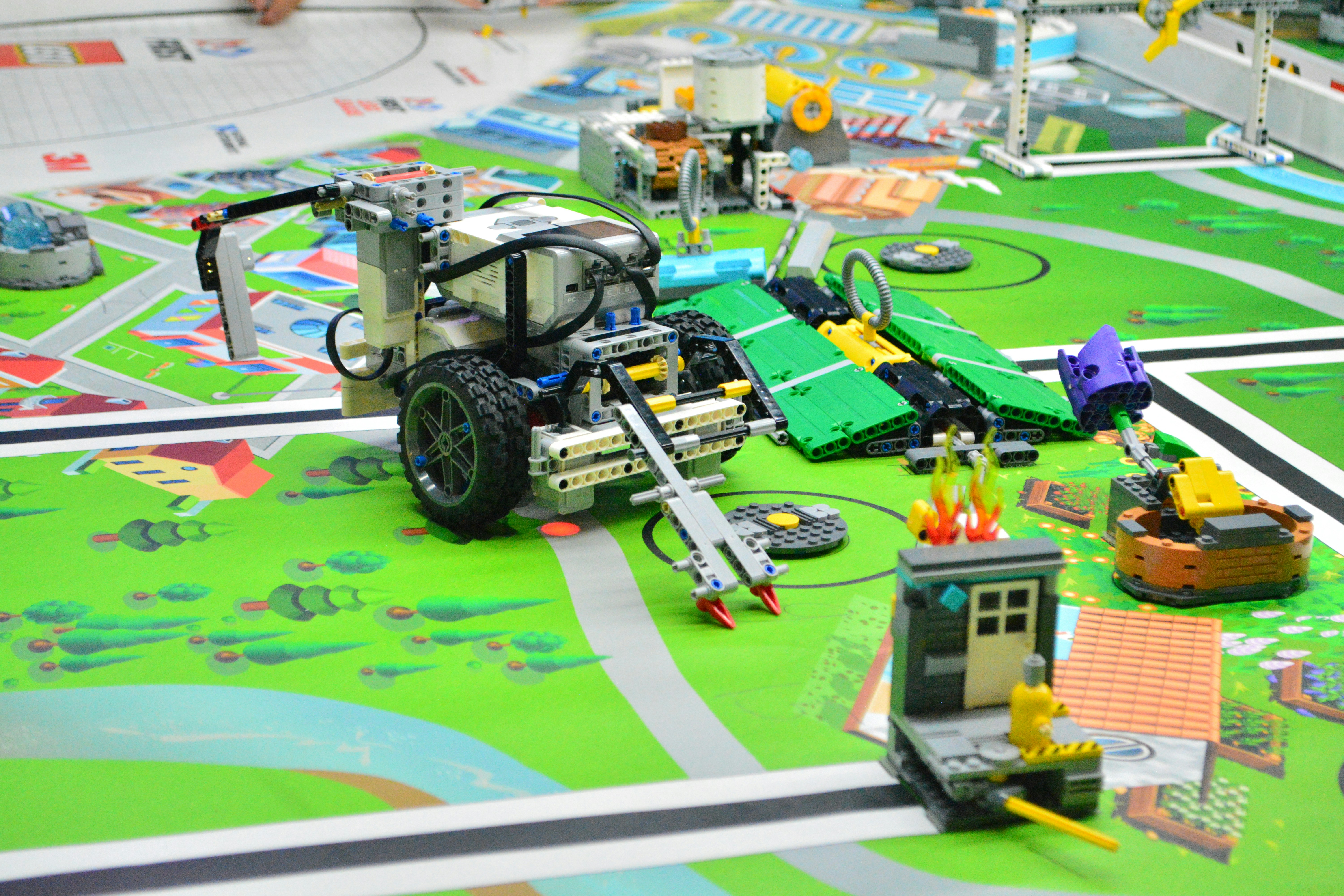
Introduction to the Sim-to-Real Gap
The sim-to-real gap in robotics refers to the discrepancies and challenges encountered when transitioning robotic systems from virtual simulations to real-world environments. This gap is significant because it directly impacts the effectiveness and reliability of robotic applications in diverse fields such as manufacturing, healthcare, and service industries. While simulation environments offer controlled settings for developing and testing algorithms, they often fail to capture the complexities and unpredictability present in real-world scenarios.
One of the primary challenges in bridging the sim-to-real gap lies in the difference between simulated physics and actual physical interactions. Simulations often simplify numerous variables, such as friction, object deformation, and environmental variations, making it difficult for robots trained in these artificial settings to perform satisfactorily in real environments. As a result, researchers and developers must develop sophisticated techniques to enhance the transfer of learning from simulations to real-world applications.
Moreover, the lack of comprehensive data from actual environments hampers the validation of robotic models trained solely in simulation. This discrepancy can lead to significant performance drops when robots are exposed to unfiltered real-world complexities. Therefore, roboticists are increasingly focusing on methods that facilitate generalization, allowing a robotic model trained in a simulation to adapt smoothly when faced with unfamiliar conditions outside the controlled environment.
Recognizing the importance of addressing the sim-to-real gap is crucial for advancing robotics and artificial intelligence. As the gap shrinks, it will enable robots to operate more effectively and reliably, fostering widespread adoption across various sectors. Collaborative efforts among researchers to refine simulation techniques and integrate real-world data will be vital for overcoming these challenges and enhancing the efficacy of robotic systems.
Historical Context and Development of the Sim-to-Real Gap
The sim-to-real gap refers to the challenges encountered when transferring knowledge and skills acquired in simulated environments to real-world robotics applications. The evolution of this gap can be traced back to the early days of robotics in the 20th century, where the primary focus was on creating simple, mechanical systems that could perform basic tasks. As computing power advanced in the late 20th century, robotic simulations became increasingly sophisticated, enabling researchers to experiment with complex algorithms and learn how robots could interact with their environments.
Throughout the 1990s and early 2000s, significant milestones were achieved in both simulation techniques and real-world robotics. The introduction of physics engines allowed for more realistic simulations, making it possible to model the dynamics of robotic systems accurately. Simultaneously, advancements in sensory technologies, such as LiDAR and computer vision, propelled the capabilities of real-world robots, allowing them to navigate and adapt to unpredictable environments.
However, the disparity between simulated successes and actual performance continued to grow. Early simulations often oversimplified numerous physical parameters, leading to a disconnect that persisted through the 2010s. Research demonstrated that robots trained in simulations frequently struggled to replicate their learned behaviors when deployed in real-world settings. As a result, the robotics community recognized the need to address the sim-to-real gap effectively.
By the mid-2020s, advancements in machine learning and the integration of deep reinforcement learning strategies began to narrow this gap. Researchers started focusing on techniques such as domain randomization and adversarial training, which aimed to expose robots to a variety of simulated environments. This focus contributed to bridging the gap, albeit with ongoing challenges. As the robotics field moves forward into 2026, understanding the historical context of sim-to-real development remains crucial in addressing current limitations and enhancing the effectiveness of robotic systems in real-world applications.
Technological Innovations Driving Robotics in 2026
The landscape of robotics has witnessed significant changes due to rapid advancements in technology, particularly as we progress through 2026. One of the foremost innovations influencing the sector is the enhancement of machine learning algorithms. These algorithms facilitate more sophisticated decision-making processes, enabling robots to better understand and adapt to dynamic environments. Deep learning, a prominent branch of machine learning, has shown remarkable success in enhancing robots’ ability to learn from vast datasets, thus narrowing the sim-to-real gap.
Furthermore, advancements in computer vision technologies have become pivotal. These innovations empower robots to interpret visual data with unprecedented accuracy. The development of advanced neural networks allows robots to recognize objects and navigate complex environments effectively. As robots increasingly rely on visual data, improvements in computer vision are essential for operational efficiency in real-world scenarios.
Sensor technology is another critical component that has evolved significantly. The introduction of high-fidelity sensors provides robots with richer sensory data, allowing them to perceive their surroundings more accurately. Enhanced sensors that measure distance, temperature, and motion enable a more nuanced understanding of varied environments and tasks, automating interactions that were previously challenging in simulated settings.
Moreover, these developments are often intertwined with robust data collection and analysis frameworks, which play an essential role in refining machine learning models. The continuous feedback loop established between simulated environments and real-world operations allows the identification and rectification of discrepancies efficiently.
In conclusion, as we navigate through 2026, the confluence of machine learning, computer vision, and sensor technologies represents a significant stride towards bridging the sim-to-real gap in robotics, fundamentally altering the capabilities of machines in the real world.
Benchmarking Robotics: Current Standards in 2026
As of 2026, the field of robotics continues to evolve rapidly, necessitating the establishment of robust benchmarking standards that effectively evaluate robotic performance across various settings. In this context, benchmarking facilitates a comparative analysis, providing insights into the capabilities of different robotic systems by measuring their performance in both simulated environments and real-world applications.
The current standards are primarily developed by leading organizations and research institutions, which employ a range of methodologies to assess key performance metrics. These metrics frequently include parameters such as accuracy, efficiency, adaptability, and safety, tailored to specific tasks such as navigation, manipulation, and human-robot interaction. Innovative approaches, such as simulation-based evaluations, serve to create controlled environments where robots can be tested under diverse scenarios without the risks associated with real-world trials.
While simulation metrics provide valuable insights, they often fail to capture the complexities and unpredictabilities inherent in real-world situations. This disparity between the simulated performance and actual operational capability of robots is recognized as the Sim-to-Real gap. Consequently, benchmarking standards in 2026 are increasingly focused on hybrid assessments that incorporate both simulated and empirical data. These hybrid benchmarks aim to bridge the evaluation process, thereby offering a more comprehensive view of a robot’s performance.
Furthermore, researchers are enhancing these standards by leveraging advanced machine learning techniques, enabling robots to learn from both simulated experiences and their real-world interactions. However, limitations still exist; for example, discrepancies in environmental factors, sensor quality, and task intricacies can cause significant variances in performance outcomes. As such, ongoing research is crucial to refine these benchmarks, ensuring they remain relevant and capable of addressing the challenges presented by current and future robotic systems.
The Role of Simulation in Robotics Development
Simulation has become an integral part of robotics development, offering researchers and engineers a controlled environment to test and refine robotic systems before deploying them in real-world scenarios. Simulation environments allow for the rapid prototyping of algorithms, enabling developers to iterate on designs in a risk-free setting. One significant advantage of using simulation is the ability to create complex, variable environments that might be difficult, dangerous, or costly to replicate in the physical world. This capability allows for exhaustive testing of robotic systems under various conditions, from hazardous locations to extreme weather scenarios.
Moreover, simulation platforms can produce a vast amount of data quickly, which is essential for training machine learning models. These data-driven approaches can enhance the robot’s perception and decision-making capabilities, ultimately leading to more robust systems. Furthermore, simulation assists in identifying potential issues early in the design process, reducing the time and cost associated with physical prototypes.
However, there are also drawbacks associated with relying on simulations in robotics development. One major concern is the fidelity of the simulation environment. While simulators can accurately reflect many aspects of reality, they may not cover the full spectrum of unpredictable factors that a robot may encounter in real life. This discrepancy creates what is known as the “Sim-to-Real” gap. For instance, friction, unexpected obstacles, and the intricacies of human interaction can vary significantly in real-world implementations, leading to performance disparities. Such challenges necessitate further testing and validation in actual environments, sometimes nullifying the advantages gained through extensive simulation.
In summary, while simulation plays a crucial role in advancing robotics development and reducing risks, it is vital to acknowledge its limitations and the importance of bridging the gap between simulated and real-world performance.
Case Studies: Successes and Failures in Closing the Gap
The sim-to-real gap represents a significant challenge in the field of robotics, where systems trained in simulated environments often struggle to perform as well in real-world situations. Several notable case studies illustrate the diverse approaches taken by researchers and engineers to tackle this issue, revealing both successes and setbacks along the journey to enhance robotic performance.
One prominent success story is the work conducted by the team at OpenAI, which focused on developing reinforcement learning algorithms that demonstrated remarkable adaptability in unknown environments. Through extensive simulation training and subsequent real-world testing, their robot achieved impressive results in diverse tasks, including manipulation and navigation in dynamic settings. This initiative underscores the importance of cultivar adaptability protocols within simulations, allowing robots to better predict and react to variations found in real environments.
Conversely, a case study from a university robotics lab illustrates a less successful attempt. The project involved a robotic arm trained exclusively within a virtual environment to perform intricate assembly tasks. However, upon transitioning to a physical prototype, the robot encountered significant difficulties related to unmodeled physical constraints, such as friction and compliance of real materials. This failure emphasized the significance of incorporating realistic physical parameters and operational nuances in simulations, which can substantially influence the outcome in practical applications.
Other strategies, such as domain randomization, where varied environments are simulated to foster robust learning, have shown promise. Applications in autonomous vehicles and drone navigation have leveraged these methods to better manage the discrepancies between simulated and real-world experiences. Successful implementations reveal that by exposing robots to a wide range of scenarios during training, developers can significantly improve performance upon deployment.
Overall, these cases demonstrate that while closing the sim-to-real gap presents formidable challenges, strategic approaches combining advanced simulation techniques and physical testing hold the key to successful robotic applications in real-world contexts.
Future Directions: Bridging the Sim-to-Real Gap
As the field of robotics continues to advance, a pressing challenge remains: bridging the sim-to-real gap that currently hinders the performance of robotic systems in real-world environments. To effectively address this issue, several strategies and best practices can be adopted by researchers and developers in the coming years. One promising approach is the integration of more realistic simulations that closely mimic the complexities of the real world. This could involve enhanced physics engines and detailed environmental modeling to create simulations that account for dynamic conditions, unexpected obstacles, and varying terrains.
Moreover, utilizing advanced real-world testing methodologies can also significantly contribute to closing the sim-to-real gap. Establishing robust testing environments that replicate real-world scenarios will help to gather more accurate performance data and improve the training processes of robotic algorithms. This can include using specialized test facilities or field trials that are designed to reflect actual operational conditions.
Another strategy worth considering is the implementation of transfer learning techniques. By leveraging knowledge gained from simulations, robots can be trained to adapt to real-world situations more quickly. This would require the development of algorithms that can effectively transfer the strategies learned during simulation to real-world applications, thereby expediting the training process and enhancing overall performance.
Furthermore, fostering collaborations between academia and industry can lead to a more rapid exchange of knowledge and resources, promoting innovative solutions to the challenges posed by the sim-to-real gap. By pooling expertise from different sectors, researchers can develop more comprehensive frameworks that combine theoretical insights with practical applications.
In conclusion, addressing the sim-to-real gap necessitates a multifaceted approach involving advanced simulations, rigorous testing, transfer learning, and collaborative efforts. By embracing these strategies, the robotics community can make significant strides toward developing systems that perform consistently well in both simulated and real-world environments.
Ethical Considerations in Robotics Development
The development of robotic systems increasingly incorporates simulations, leading to a notable sim-to-real gap. This gap signifies disparities in performance and behavior when transitioning from controlled environments to real-world applications. The ethical implications of this gap are significant, raising various questions concerning safety, reliability, and accountability in deploying robotic technologies.
Safety must be prioritized as robotic systems become more integrated into daily life. The unpredictability of real-world scenarios can expose flaws in systems that have been thoroughly tested in simulations. For instance, autonomous vehicles rely on simulated environments for initial testing; however, they face distinct challenges on actual roadways that simulations may not capture adequately. This raises concerns regarding potential hazards to human life and public safety, as malfunctioning robots could lead to accidents or failures in service delivery.
Moreover, the reliability of robotic systems hinges on their performance in real-world conditions. The reliance on simulations to train these systems may result in a lack of robustness when confronted with unforeseen variables. Consequently, developers and stakeholders must consider the implications of deploying robotic systems that have not been thoroughly validated in dynamic environments, assessing the potential risks they carry.
Accountability emerges as another critical concern. If a robotic system, influenced primarily by simulation data, fails to perform its duties or causes harm, determining responsibility becomes complex. Developers, manufacturers, and users might all share liability, leading to a need for clear frameworks establishing accountability in robotics. Ethical discourse in this field must strive to ensure that equitable practices are in place to safeguard public interests as robotics evolve.
Conclusion and Summary of Key Points
In the realm of robotics, the sim-to-real gap represents a significant challenge that impacts the practical application of robotic technologies. Throughout this discussion, we have examined the implications of this gap, emphasizing its roots in the discrepancies between simulations and real-world environments. This understanding is crucial for addressing the limitations that current robotic systems face.
One of the primary takeaways is the necessity for improved simulation environments that accurately gauge real-world factors such as variable lighting, terrain diversity, and unexpected obstacles. By refining simulation techniques, researchers can provide better foundational training for robotic systems, which could lead to enhanced adaptability when transitioning from controlled settings to dynamic real-life scenarios.
Moreover, collaboration between simulation developers and industry practitioners is vital for bridging the sim-to-real gap. Engaging with real-world applications ensures that simulation tools evolve to meet actual operational challenges, which is essential for advancing robotic technologies. The iterative process of testing and feedback will foster improvements in both robotic design and simulation accuracy.
It is also important to consider that advancements in technologies such as artificial intelligence and machine learning can contribute significantly to this domain. By integrating these technologies, robots can learn and adapt from their experiences in real-time, enabling them to better navigate unforeseen variables that simulations may not cover comprehensively.
Ultimately, addressing the sim-to-real gap is imperative for the future of robotic innovation. As we move towards 2026 and beyond, a comprehensive understanding of this gap will be integral in ensuring that robotic technologies can perform reliably and effectively in real-world applications, paving the way for broader adoption across various sectors.