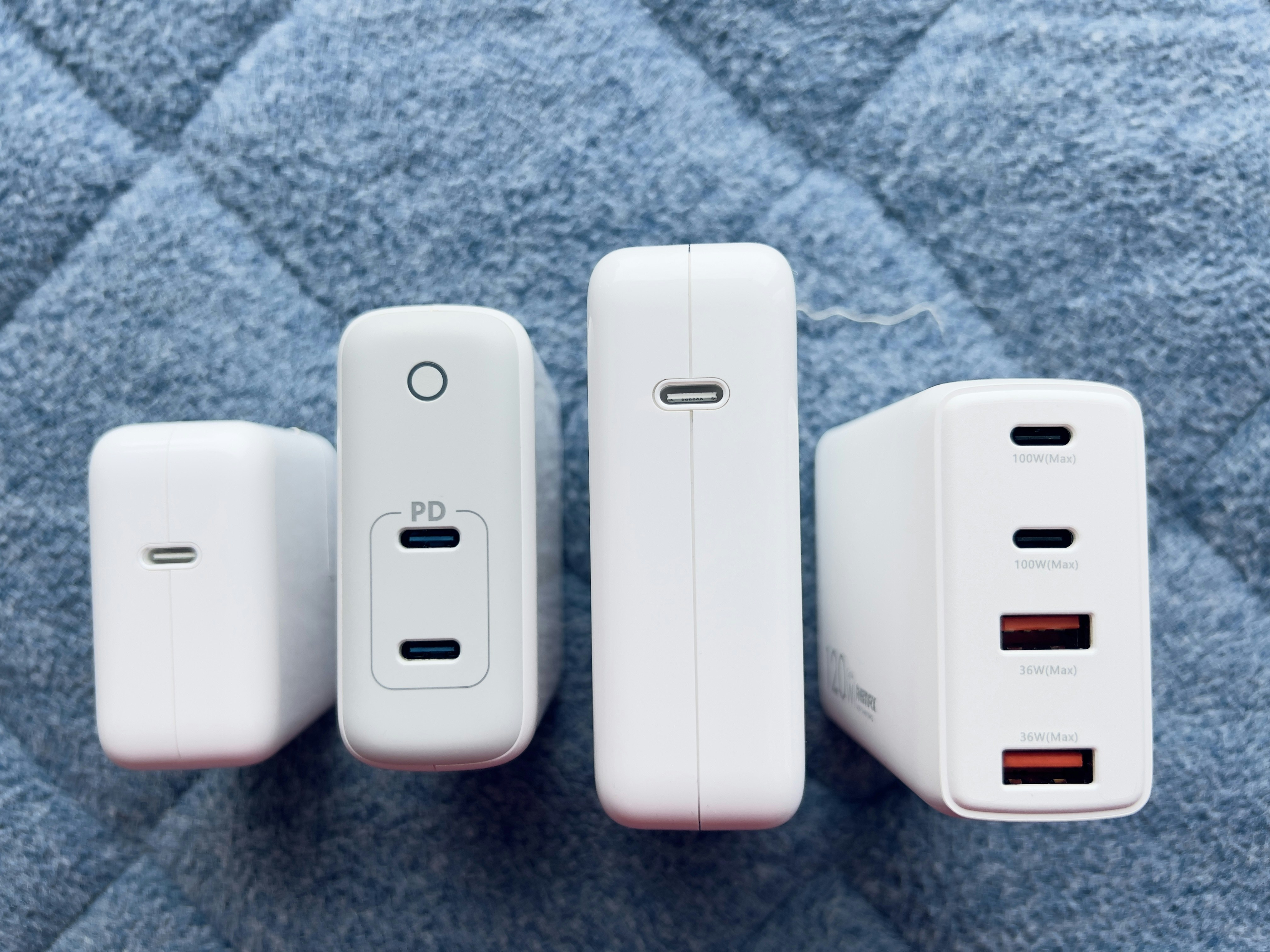
Introduction to USB Power Delivery
USB Power Delivery (USB-PD) is an advanced charging specification designed to optimize power transfer across a variety of devices. As electronic gadgets continue to evolve, the need for a more efficient, versatile, and faster charging solution has become paramount. USB-PD addresses these requirements by enabling devices to negotiate power requirements dynamically, allowing the delivery of higher levels of power, up to 100 watts, through a single cable. This technology fundamentally changes how users interact with their devices, offering a seamless, single-cable experience for power and data transfer.
The significance of USB Power Delivery in the realm of charging technology cannot be overstated. Historically, charging was often limited to specific voltages and current outputs, creating compatibility issues among various devices. With the introduction of USB-PD, manufacturers can now design chargers that automatically adapt to the needs of the connected device, whether it be a smartphone, tablet, laptop, or peripheral. This capability not only enhances charging speed but also promotes safety by reducing the risk of overcurrent and overheating.
Unlike conventional USB charging protocols, which have strict limitations, USB-PD allows for flexible power direction. For instance, a laptop can serve as a power source for a smartphone, creating an ecosystem where devices can share energy seamlessly. Furthermore, as the technology continues to evolve, its influence can already be seen in the development of new cables and adapters that support faster charging standards.
In essence, USB Power Delivery is a pivotal advancement that revolutionizes the way users charge their devices, significantly improving efficiency and user experience in the process. As USB-PD becomes widely adopted, it is likely to become the standard for powering a diverse range of electronics well into the future.
The Importance of USB Power Delivery
In today’s technology-driven world, the importance of USB Power Delivery (USB-PD) cannot be overstated. As a specification that enables higher power levels for charging, USB-PD enhances the efficiency of power distribution across a range of devices. One of the primary advantages of USB-PD is its ability to deliver power more intelligently. Traditional charging methods often involve fixed charging voltages and currents, which can lead to inefficiencies and longer charging times. In contrast, USB-PD dynamically negotiates power requirements between devices, facilitating quicker and more effective charging.
Furthermore, the compatibility of USB-PD is a significant factor in its rising prominence. Unlike previous USB standards, which were limited in terms of power delivery and compatibility, USB-PD facilitates charging across various devices—ranging from smartphones to laptops and even high-powered peripherals. This universality reduces the need for multiple chargers, streamlining the user experience and minimizing electronic waste.
Moreover, USB Power Delivery’s versatility extends to different voltage levels and current capabilities. It can deliver up to 100 watts of power, allowing a single port to meet the needs of diverse devices. For example, a single USB-C port on a laptop can charge the device itself while simultaneously powering connected peripherals, such as keyboards and monitors. This multi-functionality highlights how USB-PD significantly enhances user convenience and promotes a more organized approach to charging across various consumer electronics.
Thus, in evaluating the importance of USB Power Delivery, it is clear that it addresses key challenges in contemporary charging practices. The enhanced efficiency, compatibility, and versatility of USB-PD exemplify its role as a transformative technology in the landscape of electronics charging. As more devices adopt USB-PD, its significance will continue to grow, shaping the future of how we power our gadgets.
How USB Power Delivery Works
USB Power Delivery (USB-PD) is a standardized protocol that enables devices to negotiate power levels over a USB connection. This sophisticated system allows for intelligent communication between devices, ensuring that they do not only exchange data but also synchronize their power requirements in real-time. The USB-PD protocol is built upon the Universal Serial Bus (USB) standard and defines how devices can determine the appropriate voltage and current needed to charge effectively.
When a USB-PD compatible device is connected, it initiates a handshake process, where both the power source and the power sink (the device being charged) exchange capability information. This negotiation determines how much power can be delivered, which can range from 5 watts up to 100 watts, depending on the devices involved. The clever aspect of USB-PD is its ability to dynamically adjust power delivery based on the needs of the device, which contributes to faster charging times and improved energy efficiency.
Furthermore, USB-PD supports multiple voltage levels including 5V, 9V, 15V, and even 20V, allowing for flexibility in power delivery. This capability permits devices such as laptops, smartphones, and tablets to operate with a unified charging solution, reducing the number of cables and adapters needed. As part of this negotiation, devices can also communicate their maximum power consumption, ensuring safety and preventing overload. By allowing devices to request specific amounts of power, USB-PD enhances overall charging performance and reliability, making it an essential technology for modern electronics.
Key Features of USB Power Delivery
USB Power Delivery (USB-PD) introduces several notable features that enhance both charging capabilities and device interoperability. One of the most significant advancements is the ability to support higher power levels. Unlike traditional USB standards, which typically provide up to 2.5 watts of power, USB-PD is capable of delivering up to 100 watts. This makes it possible for a variety of devices, from smartphones to laptops, to be charged efficiently and quickly. The increased power levels also open the door for more robust devices to be powered directly through USB connections, reducing the need for multiple power adapters.
Another key feature of USB Power Delivery is its bi-directional power flow. This means that not only can power be delivered to devices, but it can also be sent back to a source. For example, a power bank can charge a laptop, while simultaneously receiving power from the same laptop for its own charging needs. This flexible power management allows for more streamlined operations and reduces the clutter of multiple chargers in an electronic ecosystem.
Additionally, USB-PD supports the simultaneous charging of multiple devices, thereby enhancing its usability in environments where various gadgets need to be powered. This feature is particularly beneficial in scenarios like travel or office setups where users rely on multiple devices. Lastly, USB Power Delivery significantly improves data transfer speeds, supporting up to 10 Gbps. This enhancement not only ensures quicker data transfers but also aligns with the growing demand for high-speed data communication in modern electronic devices.
USB Power Delivery and Device Compatibility
USB Power Delivery (USB-PD) is a versatile and revolutionary charging standard designed to improve the efficiency and convenience of power delivery across a wide array of devices. Its architecture enables communication between the power source and the device, adjusting voltage and current levels as necessary to optimize charging. One of the most remarkable aspects of USB-PD is its broad compatibility, which encompasses smartphones, laptops, tablets, and various accessories, ensuring that users can enjoy faster charging without needing a multitude of different chargers.
Smartphones have significantly benefited from USB-PD, allowing for rapid charging that can replenish battery levels within a short period. Major smartphone manufacturers have adopted this technology, enabling users to charge their devices not only with dedicated chargers but also through laptops or power banks equipped with USB-PD support. Additionally, laptops, which often require higher power levels, can use USB-PD to charge and operate efficiently, providing a single cable solution for both power and data transfer.
In terms of backward compatibility, USB-PD does integrate well with older USB standards, such as USB 2.0 and USB 3.0. Devices that do not support the USB-PD protocol can still connect and charge using the same USB-C port, albeit at lower power levels. This means that users do not have to completely overhaul their charging infrastructure when transitioning to a USB-PD environment. Instead, they can continue using their existing cables and adapters, while also enjoying the option of upgraded capabilities when they invest in new hardware.
As technology continues to evolve, the compatibility of USB-PD enhances user experience, making the charging process more straightforward and efficient across various devices. This emerging standard not only streamlines the charging ecosystem but also offers the flexibility that modern users expect from their charging solutions.
Real-world Applications of USB Power Delivery
USB Power Delivery (USB-PD) technology has transformed the landscape of charging in consumer electronics, enabling faster and more efficient power delivery across a wide array of devices. Its applications are evident in numerous modern gadgets, enhancing user experience through convenience and versatility.
One notable example of USB-PD in action is in laptops. Many manufacturers have begun integrating USB Power Delivery ports to allow for rapid charging through a single USB-C cable. This capability not only reduces the clutter of numerous chargers but also enables users to charge their devices while simultaneously transferring data. Such integration is particularly beneficial for professionals who require mobility and efficiency in their work environments.
Smartphones have also adopted USB Power Delivery technology, allowing them to charge at accelerated rates compared to traditional charging methods. Leading smartphone brands incorporate USB-PD, enabling full battery charges in under an hour for many models. This application satisfies the growing consumer demand for quick charging, especially in today’s fast-paced lifestyle.
Tablets and other portable devices, such as gaming consoles and smart home gadgets, further illustrate the versatility of USB-PD. Devices like the Apple iPad Pro and various Android tablets support USB Power Delivery, which allows users to charge their devices while using intensive applications. Additionally, USB-PD is increasingly found in accessories like power banks, providing users with the ability to charge multiple devices efficiently on-the-go.
In summary, the real-world applications of USB Power Delivery technology showcase its immense potential to revolutionize how we charge our electronic devices. From laptops to smartphones and even power banks, the benefits of USB-PD enhance the overall user experience by offering faster charging, reduced cable clutter, and greater versatility in charging options.
Challenges and Limitations of USB Power Delivery
While USB Power Delivery (USB-PD) technology is a significant advancement in charging solutions, it is not without its challenges and limitations. One of the primary issues is compatibility. Although USB-PD aims to standardize charging devices, the reality is that not all devices support this protocol fully. As a result, users might encounter situations where a USB-PD charger does not deliver the expected power levels, or worse, is unable to charge certain devices altogether. This can lead to confusion and frustration, particularly for consumers who expect universal compatibility among different devices and accessories.
Another challenge is the common misconceptions surrounding power usage. Many users believe that all USB cables can handle the maximum power delivery capabilities of USB-PD. However, this is not the case; only certified cables designed for high power delivery can safely transmit the increased wattage without risk of overheating or damage. This lack of awareness can result in users inadvertently using inadequate cables with high-power devices, leading to suboptimal charging experiences or even device failure.
Furthermore, the requirement for specific cables and chargers can be a hindrance to the widespread adoption of USB-PD. Users may need to invest in new equipment, which can be a barrier to entry for those who are not keen on replacing existing chargers or cables that they own. Additionally, not all manufacturers include USB-PD support in their devices, either due to cost constraints or design choices, which means that even within the USB ecosystem, there can be variability in support for this advanced charging technology.
In conclusion, while USB Power Delivery brings substantial benefits to charging technology, its challenges such as compatibility issues, misconceptions about power usage, and the need for specific cables and chargers must be addressed to enhance the user experience.
The Future of USB Power Delivery
As technology continues to evolve, USB Power Delivery (USB-PD) is poised to play a significant role in the future of charging solutions across various devices. This innovation not only optimizes charging times but also improves efficiency, making it essential for the next generation of electronic gadgets.
One of the most anticipated advancements in USB-PD technology is its potential integration with wireless charging systems. Currently, USB-PD predominantly facilitates wired charging, but future developments could allow for seamless power transfer through wireless connections that maintain the same levels of efficiency and speed. This transition promises to reduce the clutter of cables while accommodating the increasing trend towards minimalist designs in consumer electronics.
Moreover, as devices grow in capability and demand for higher power increases, USB Power Delivery is likely to adapt to provide higher wattages. This could mean that more power-hungry devices, such as laptops and gaming devices, will rely on USB-PD for faster and more reliable charging. By establishing new standards that support higher currents and voltages, USB-PD might ultimately replace traditional power adapters that have been the norm for decades.
Another significant trend includes the push towards energy efficiency and sustainability. USB-PD technology can facilitate energy-smart interactions among devices. For example, smart charging could allow devices to communicate their power needs and adjust their consumption accordingly. This not only conserves energy but also extends battery life, resonating with the increasing focus on sustainable technology practices.
In summary, the future of USB Power Delivery is promising, with emerging trends suggesting enhancements in wireless charging, power capacities, and energy efficiency. As these developments unfold, USB-PD is expected to remain at the forefront of charging technology, shaping how we interact with our electronic devices in the years to come.
Conclusion
In conclusion, USB Power Delivery (USB-PD) has emerged as a revolutionary development in charging technology that offers numerous advantages in performance and usability. The ability to provide power to a wide array of devices, from smartphones to laptops, using a single standard connector is a significant leap forward. With its advanced features, such as bidirectional power flow and higher wattage capabilities, USB-PD has greatly enhanced the efficiency of energy transfer, making it a preferred choice for modern devices.
The convenience of USB Power Delivery cannot be overstated. Users can enjoy faster charging times while utilizing the same cable across multiple devices, thus reducing the clutter of various chargers and cables. Furthermore, as the world moves towards a more interconnected ecosystem of gadgets, USB-PD plays a crucial role in simplifying the charging experience, providing users with the flexibility to power their devices seamlessly.
Additionally, the adaptability of USB-PD technology means it is well-positioned to accommodate future advancements in electronic devices. As technology continues to evolve, the infrastructure built around USB Power Delivery will likely grow, paving the way for even more innovative applications. In various contexts, from mobile phones to wearable technologies and larger electronics, USB-PD is set to redefining what users can expect from their charging systems.
Overall, the significance of USB Power Delivery in enhancing charging methods is evident. Its focus on efficiency, convenience, and compatibility underscores why it is often seen as the standard for future charging technologies. As consumers and manufacturers alike prioritize speed and simplicity, USB-PD stands at the forefront of this transformative wave, heralding an era of smarter and more efficient energy solutions.