Introduction to USB Speeds
The Universal Serial Bus (USB) is an essential standard for connecting various devices and peripherals, playing a crucial role in the landscape of modern technology. Originally developed in the mid-1990s, USB aimed to simplify the process of connecting devices while providing a standardized method for data transfer. Over the years, USB technology has evolved significantly, giving rise to various speed classifications that enhance compatibility and performance.
Among these classifications, Low Speed, Full Speed, High Speed, and Super Speed represent different levels of data transfer rates, each designed to serve specific types of devices and applications. Low Speed, with a maximum transfer rate of 1.5 Mbps, is primarily used for simple devices like mice and keyboards. Full Speed operates at a rate of 12 Mbps, supporting greater functionality suited for devices such as printers and scanners.
The emergence of High Speed USB (often referred to as USB 2.0) marked a substantial leap in performance, offering data transfer rates of 480 Mbps. This advancement made it possible to connect a broader range of high-performance devices, including external hard drives and high-definition webcams, enhancing user experience significantly. Furthermore, manufacturers and consumers began to rely more on High Speed USB standards in their technology choices.
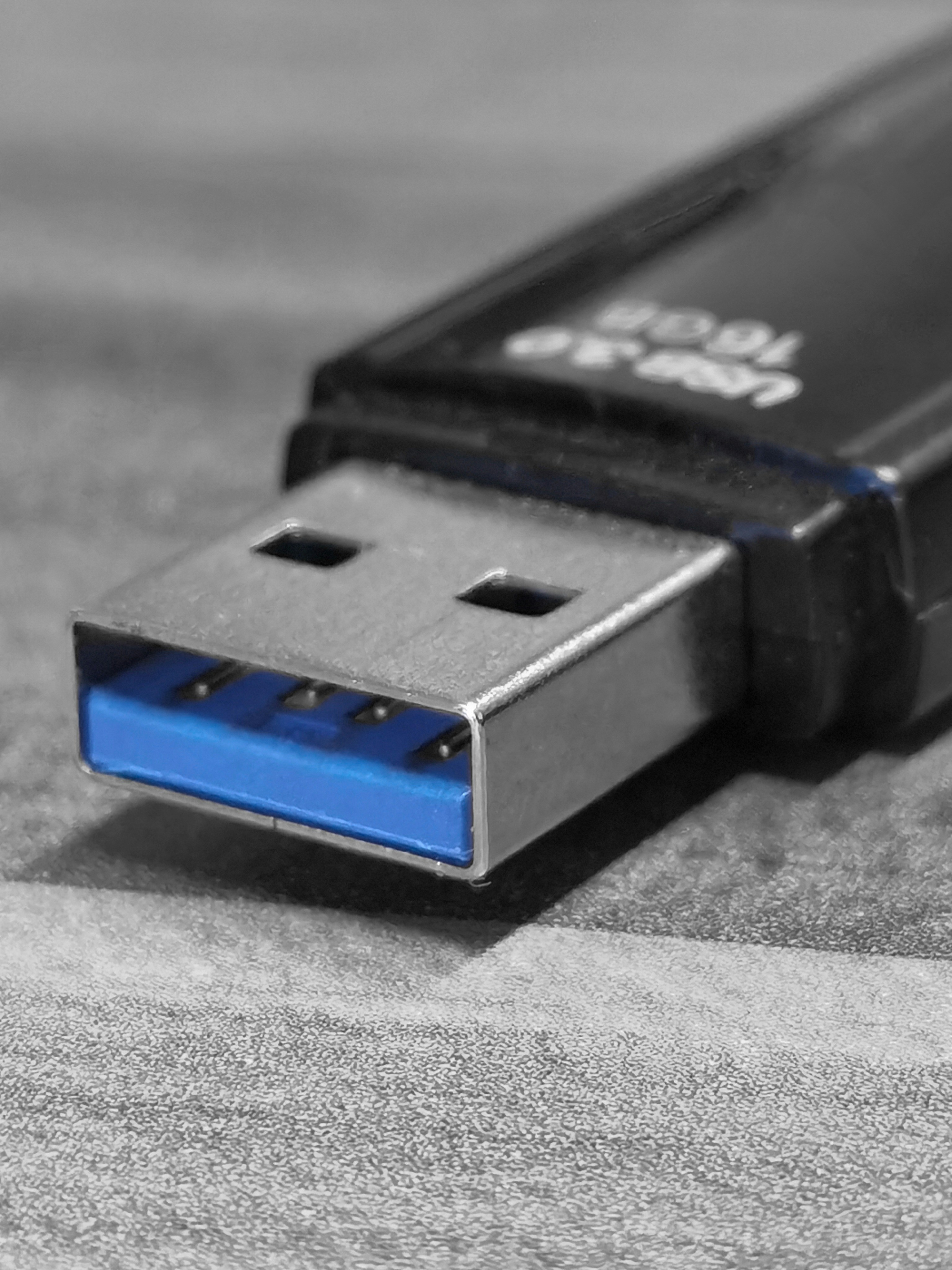
As technology further progressed, USB continued to innovate, culminating in the introduction of Super Speed USB (USB 3.0), which supports transfer rates up to 5 Gbps. Each of these classifications not only improves data transfer efficiency but also ensures device compatibility across various platforms. Understanding these distinctions in USB speeds allows consumers to make informed decisions about their technology, ensuring they select products that meet their specific performance requirements.
What is Full Speed USB?
Full Speed USB refers to the USB 1.1 standard, which is one of the initial specifications established for Universal Serial Bus connections. This protocol supports a maximum data transfer rate of 12 megabits per second (Mbps). Full Speed USB paved the way for many peripherals, enabling efficient communication between devices such as keyboards, mice, printers, and external storage drives. Despite being one of the earliest versions of USB technology, Full Speed USB remains relevant in specific applications today.
The Full Speed USB protocol was designed to accommodate a multitude of devices, particularly those that do not require high bandwidth. Typical examples include various input devices, like keyboards and mouse peripherals, where the speed of data transfer does not need to exceed the limits set by this standard. Additionally, some low-bandwidth applications such as digital cameras and some types of scanners can still effectively utilize Full Speed USB, allowing for adequate performance without necessitating the enhancements seen in newer USB standards.
One of the primary benefits of Full Speed USB is its widespread compatibility. Many legacy devices, which may not support the higher speeds of USB 2.0 or beyond, can communicate seamlessly using Full Speed protocols. Furthermore, Full Speed USB offers lower power consumption than its higher-speed counterparts, making it ideal for portable devices that rely on battery efficiency.
While newer USB standards continue to dominate in the high-speed domain, understanding Full Speed USB proves essential for grasping the evolution of USB technology. In specific situations where high transfer speeds are not critical, Full Speed USB remains a viable and effective choice, allowing for a reliable performance for compatible devices.
What is High Speed USB?
High Speed USB, officially recognized as USB 2.0, is a significant advancement in Universal Serial Bus technology, introduced to enhance data transfer rates and overall performance. The defining characteristic of High Speed USB is its maximum data transfer rate of 480 Mbps, which represents a remarkable improvement over its predecessor, Full Speed USB (USB 1.1), which offers a cap of just 12 Mbps. This leap in speed allows for faster data retrieval and transfer, which is essential for modern electronic applications.
One of the most notable advantages of High Speed USB is its ability to handle larger amounts of data in a shorter period. This capability has made it particularly beneficial for devices that require significant data flow, such as external hard drives, digital cameras, and multimedia devices. In numerous work environments, the increased data rate translates into improved productivity, allowing users to transfer files swiftly, minimizing downtime associated with data transfers.
Moreover, High Speed USB maintains compatibility with earlier USB standards, ensuring that users can connect both High Speed and Full Speed devices to virtually any USB port. This backward compatibility encourages widespread adoption, leading to High Speed USB’s presence across a broad spectrum of devices, including smartphones, printers, and gaming consoles. This versatility ensures that users can benefit from increased speeds while retaining access to their existing USB peripherals.
Furthermore, the popularity of High Speed USB is underscored by its continued relevance in newer technologies and devices. As digital content continues to grow in size and complexity, the demand for efficient data transfer methods has never been more critical. Consequently, High Speed USB is integral to addressing these needs, further solidifying its position as a preferred choice for both industry professionals and everyday consumers alike.
Technical Comparison of Full Speed and High Speed USB
Universal Serial Bus (USB) technology has evolved over time, leading to variations in performance and capabilities. Two significant classifications of USB are Full Speed and High Speed, each serving distinct purposes within the ecosystem of digital communication. Understanding the technical differences between these two standards is essential for developers and consumers alike.
Full Speed USB operates at a maximum data rate of 12 Mbps (megabits per second). This data rate has been suitable for basic peripherals such as keyboards, mice, and low-bandwidth devices. Despite its limitations, Full Speed USB is notable for its backward compatibility with USB 1.1 specifications, ensuring that older devices remain functional in more modern USB environments.
On the other hand, High Speed USB dramatically increases data transfer capabilities, boasting a maximum rate of 480 Mbps. This improvement enables the seamless operation of higher bandwidth devices like video cameras, external hard drives, and printers, making it more suitable for applications that require quick data exchanges. The enhancement in data rate also correlates with an increase in power consumption; High Speed USB devices can draw more power, thereby providing better performance under load.
When considering backward compatibility, High Speed USB retains compatibility with Full Speed devices, allowing users to connect both types without complications. However, within the context of power consumption, it should be noted that High Speed devices may have increased energy demands compared to their Full Speed counterparts. This difference plays a crucial role in settings such as mobile devices or battery-powered gadgets, where power efficiency is paramount.
In summary, while Full Speed and High Speed USB fulfill similar functions in connecting devices, they cater to differing performance needs and technical specifications, rendering it vital to choose the correct type based on device requirements and use cases.
Physical Differences in USB Connectors
The Universal Serial Bus (USB) standard has undergone various iterations, resulting in different categories such as ‘Full Speed’ and ‘High Speed.’ Primarily, one of the most notable areas of differentiation is in the physical connectors and cables that serve these device classes. While both Full Speed and High Speed USB devices generally utilize the same USB Type-A and Type-B connectors, there are subtle distinctions that can impact performance and compatibility.
Full Speed USB operates at a maximum data transfer rate of 12 Mbps. Traditionally, connectors for Full Speed devices consist of a four-pin layout where two pins are assigned for power, and the remaining two are designated for data transfer. These connectors can be found in common peripherals such as keyboards, mice, and older printers. In contrast, High Speed USB, capable of delivering speeds of up to 480 Mbps, typically employs an upgraded four-pin structure with improvements in signal integrity. High Speed devices may also feature additional pins to facilitate enhanced power delivery and faster data transfer.
In terms of physical dimensions, the connectors for both standards are fundamentally similar, allowing for backward compatibility. However, High Speed USB connectors are often more robust, reflecting the need for enhanced performance levels. For example, the USB 2.0 standard and its high-speed variant employ the same type of plugs and sockets; however, modifications in cable quality and internal wiring structure are often necessary to achieve the elevated speeds associated with High Speed USB. This means that while a Full Speed USB device can technically connect to a High Speed port, doing so may limit the device’s performance to its designated specifications.
Thus, while the outward design of Full Speed and High Speed USB connectors remains largely consistent, it’s essential to recognize the underlying technological advancements that distinguish them, which ultimately affect their performance and use in various applications.
Real-World Applications of Full Speed and High Speed USB
Universal Serial Bus (USB) technology has transformed the way we connect devices in our daily lives. Understanding the differences between ‘Full Speed’ and ‘High Speed’ USB allows consumers to make informed choices regarding their devices. Full Speed USB operates at a data transfer rate of up to 12 Mbps, making it suitable for basic peripherals such as keyboards and mice, which do not require high bandwidth. For instance, standard USB keyboards and optical mice utilize Full Speed USB to transmit keystrokes and movement data without the need for rapid data exchange, allowing for smooth performance with minimal latency.
High Speed USB, on the other hand, provides data transfer rates of up to 480 Mbps. This enhanced speed is particularly beneficial for devices that handle larger amounts of data, such as external hard drives, flash drives, and high-quality video cameras. Many modern flash drives utilize High Speed USB technology, enabling faster file transfers, which is advantageous for both personal and professional use. For example, when transferring large video files or extensive photo libraries, the speed brought by High Speed USB can significantly reduce waiting times.
In addition, many audio and video peripherals, such as webcams and capture cards, also leverage High Speed USB standards. These devices often transmit high-definition audio and video data, necessitating the superior performance offered by High Speed USB connections. As technology advances, the need for efficient and rapid data transfer continues to grow, leading to a wider adoption of High Speed USB in consumer electronics.
Common Misconceptions About USB Speeds
Understanding the distinctions between Full Speed and High Speed USB is essential, yet many common misconceptions persist regarding these two standards. One frequent misunderstanding lies in the identification of the two. Full Speed USB, operating at a maximum data transfer rate of 12 Mbps, is often mistaken for older USB specifications. In contrast, High Speed USB, which allows up to 480 Mbps, is defined under USB 2.0. The confusion arises mainly because both types may be referred to simply as USB, leading users to overlook important speed differences.
Another misconception involves performance expectations. Many users assume that all USB connections function uniformly, regardless of which standard is in use. This notion may lead to frustration when users experience slow transfer rates despite using a modern device. It is critical to recognize that the actual performance of a USB connection is contingent upon both the device and the cable being utilized, as well as the specific USB standards supported by both ends of the connection.
Interoperability is another area rife with misconceptions. Users may believe that mixing different USB speeds will not impact performance significantly. However, when devices using Full Speed and High Speed USB are connected, the communication will default to the slower Full Speed standard, thereby inhibiting optimal performance. Furthermore, users might independently assume that newer devices are always compatible with older USB standards. While many devices do support backward compatibility through various USB versions, it is essential to verify compatibility to achieve desired functionality.
These misconceptions highlight the importance of being well-informed about USB standards. By understanding Full Speed and High Speed USB, users can better manage their expectations and ensure they maximize the utility of their devices.
Future of USB Speeds
The evolution of USB technology has significantly impacted data transfer speeds and connectivity standards. Following the High Speed USB 2.0 standard, the introduction of USB 3.0 marked a substantial leap forward, offering speeds up to 5 Gbps, which is ten times faster than its predecessor. This enhanced performance was primarily due to improved data encoding techniques and an architecture designed for more efficient data transfer.
USB 3.1 further advanced the technology, delivering speeds of up to 10 Gbps while also introducing the reversible USB Type-C connector, which has become increasingly popular due to its user-friendly design. Notably, USB 3.1 also supports higher power delivery, enabling faster charging for devices, which is an important feature in today’s mobile-centric world.
Looking ahead, the next generation, known as USB 4.0, aims to unify the USB data and power delivery aspects. By incorporating Thunderbolt 3 capabilities, USB 4.0 is expected to reach speeds of up to 40 Gbps. This evolution suggests a future where complex device interactions can be managed via a single port, enhancing compatibility across varying devices.
Moreover, advancements in USB technology may lead to the integration of wireless data transfer capabilities, paving the way for even greater convenience and speed. Such developments would illustrate a fundamental shift from traditional wired connections to wireless methodologies, enhancing user experience significantly.
As new standards are established, it is crucial to anticipate how they will meet the evolving demands for speed, efficiency, and compatibility in both consumer electronics and enterprise technology. Overall, the future of USB speeds looks promising, with continuous innovation likely to redefine connectivity standards in the coming years.
Conclusion and Final Thoughts
Understanding the differences between Full Speed and High Speed USB is crucial for both average consumers and technology enthusiasts alike. Full Speed USB, operating at a maximum data rate of 12 Mbps, has been a cornerstone in the USB evolution, particularly for devices that do not require rapid data transfers. Its reliability and universal compatibility still serve many peripherals effectively.
Conversely, High Speed USB elevates performance, offering a maximum data transfer rate of 480 Mbps. This significant increase in speed is particularly advantageous for applications where large file transfers or high-bandwidth devices are involved, such as external hard drives and video capture devices. The choice between these two standards can greatly influence the efficiency and functionality of your technology setup.
For consumers, recognizing these distinctions enables informed choices regarding device compatibility and performance requirements. Whether upgrading to newer devices or troubleshooting existing setups, understanding whether a peripheral operates at Full Speed or High Speed can optimize overall user experience. Additionally, technology enthusiasts benefit from this knowledge, as it empowers them to select appropriate components that meet their specific needs in terms of speed and compatibility.
In conclusion, by grasping the essential differences between Full Speed and High Speed USB, individuals can better navigate the complex landscape of connectivity standards. This informed approach not only enhances device functionality but also future-proofs technology investments, ensuring that users can make selections that align with their usage requirements.