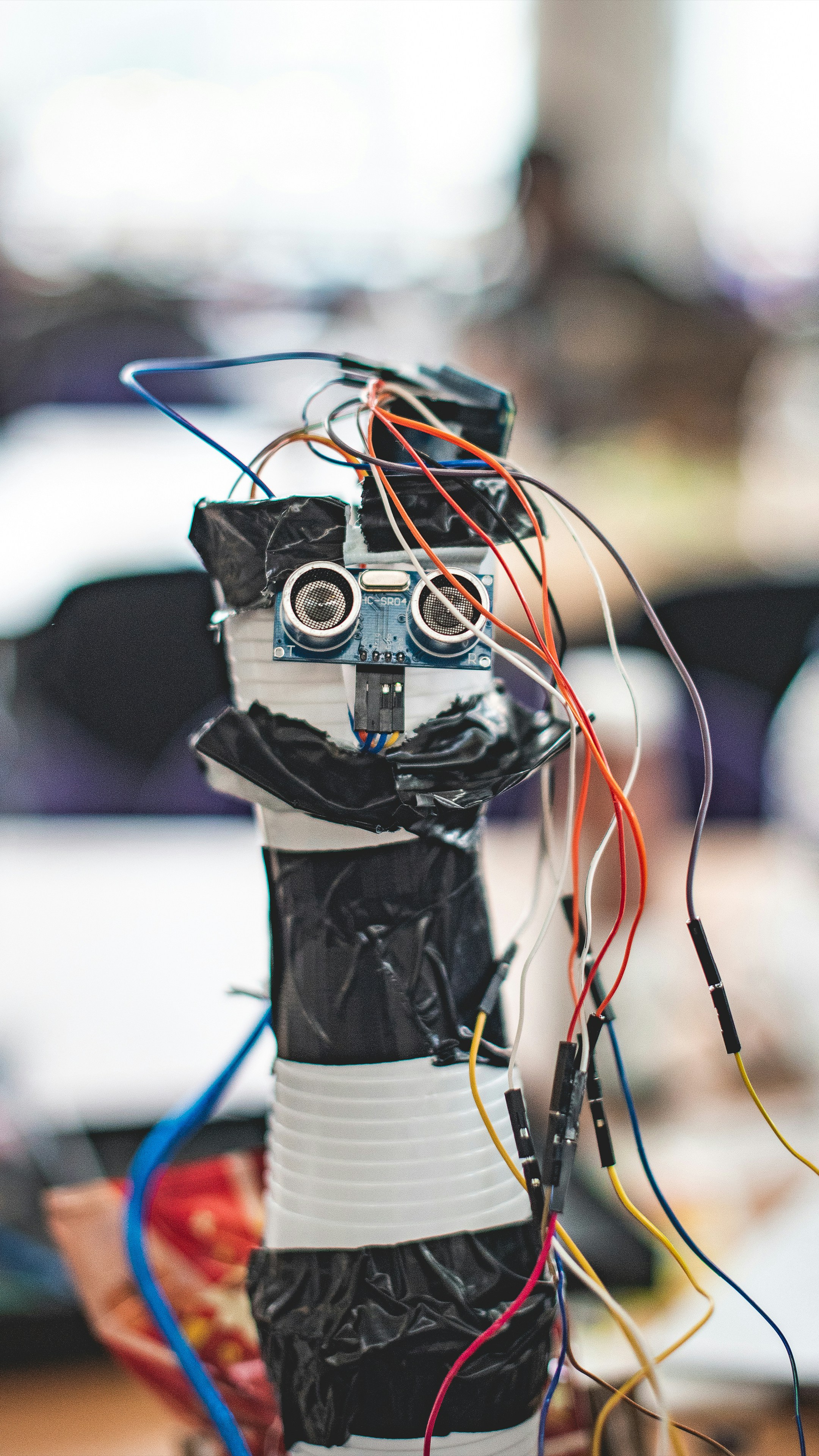
Introduction to Robotic Control and Generalization
Robotic control primarily involves the methods and algorithms that dictate how robots operate and respond to their environment. It encompasses a wide range of applications, from industrial automation to assisting in personal tasks, and requires a harmonious combination of hardware, software, and control theory. A fundamental aspect of effective robotic control is the ability of the robot to adapt to varying environments and scenarios seamlessly. This adaptability is referred to as generalization.
Generalization in robotic control is crucial for ensuring that a robot can perform tasks beyond the specific conditions it was trained under. This means that robots must possess the capability to apply learned behaviors and skills across diverse situations. For instance, a robot trained to maneuver in a structured warehouse should also be able to navigate a chaotic outdoor environment. Achieving this degree of flexibility poses significant challenges, primarily due to the unpredictability and variability that can occur in real-world settings.
Several factors contribute to the complexity of generalization in robotic control. Variability in sensor inputs, alterations in physical environments, and the inherent uncertainty of dynamic conditions all present obstacles that must be addressed by researchers and engineers. Additionally, the algorithms employed must be robust enough to enable the robot to learn from limited data, making it essential for advancements in machine learning and artificial intelligence to be integrated into robotic systems.
As research progresses in this field, new methodologies, such as those being developed for systems like RT-2 and RT-X, are set to enhance the generalization capabilities of robots. These methods could significantly improve the way robots adapt to new challenges, ensuring more reliable and versatile robotic solutions in a myriad of applications.
An Overview of RT-2
The RT-2 model represents a significant leap forward in the field of robotic control systems, building upon the foundation laid by its predecessors. Designed with advanced architecture, RT-2 integrates multiple technological advancements that enhance its overall performance and adaptability in various environments. One of the core features of RT-2 is its modular architecture, which allows for seamless integration with a wide range of sensors and actuators, providing a robust platform for robotic applications.
At the heart of the RT-2 system is a sophisticated neural network that enables it to process vast amounts of data efficiently. This neural network uses a combination of deep learning algorithms and reinforcement learning techniques to interpret sensory information and make real-time decisions. Unlike earlier robotic models that relied on predefined rules, RT-2 utilizes adaptive learning mechanisms, which enable it to improve its responses as it gathers more experience from its interactions with the environment.
One of the distinguishing factors of RT-2 in comparison to its predecessors lies in its generalization capabilities. The model’s design incorporates features that allow it to handle unfamiliar tasks or scenarios effectively. This versatility marks a stark contrast to previous systems that often struggled with new environments or variations of known tasks. Moreover, RT-2 is engineered to work across different robotic platforms, ensuring that it can be deployed in diverse settings—from industrial automation to personal assistance.
The advancements embedded within the RT-2 model not only contribute to its efficiency and accuracy but also facilitate enhanced collaboration among multiple robots. This is achieved through a shared learning approach, enabling an ecosystem where multiple units can exchange insights and improve collectively. Overall, RT-2 epitomizes a transformative step in robotic technology, paving the way for more intelligent and responsive robotic systems in the future.
An Overview of RT-X
The RT-X model represents a significant advancement in robotic control, advancing the capabilities established by its predecessor, RT-2. One of the core improvements found in RT-X is its enhanced architecture designed to better manage the complexities of real-world environments. This innovative framework incorporates advanced algorithms that allow for more efficient data processing and decision-making, resulting in improved overall performance.
Building on the strengths of RT-2, RT-X emphasizes greater adaptability in dynamic conditions. The model utilizes a novel approach that integrates machine learning techniques tailored to recognize and respond to various situations with remarkable precision. This leads to an increased ability to generalize learned behaviors, enabling robots to perform tasks in previously unfamiliar environments.
Another key feature of RT-X lies in its robust sensory integration capabilities. By employing a diverse array of sensors, RT-X captures a broader spectrum of environmental inputs, which helps to refine its understanding and interaction with surroundings. Coupled with enhanced processing power, this allows the model to execute complex maneuvers and decisions in real time.
Moreover, RT-X benefits from an intuitive user interface that streamlines the programming and operation tasks for developers. This accessibility encourages experimentation and exploration of its extensive functionalities, thereby fostering innovation in robotic applications. By minimizing the learning curve, even those with limited robotics experience can harness the full potential of the RT-X system.
Overall, RT-X exemplifies a leap forward in the field of robotic control, setting new standards for performance and adaptability. Through its innovative methodologies and enhanced features, this model is positioned to revolutionize the intersection of robotics and artificial intelligence, making it a critical asset for future developments in the industry.
The Technological Foundations of RT-2 and RT-X
At the core of RT-2 and RT-X lies a sophisticated framework built on advanced machine learning techniques, particularly deep learning, which enables these robotic systems to achieve superior generalization capabilities. These systems utilize artificial neural networks (ANNs) to process complex data inputs and generate actionable outputs. By mimicking the neural structure of the human brain, ANNs enable RT-2 and RT-X to identify patterns within vast datasets, thereby enhancing their decision-making processes.
Essential to the functionality of RT-2 and RT-X is their ability to integrate sensor data from various sources, such as cameras, LiDAR, and IMUs (Inertial Measurement Units). This sensor fusion provides a comprehensive view of the environment, allowing for more informed actions based on real-time assessments. As robots navigate through diverse environments, the ability to synthesize and interpret input from multiple sensors becomes crucial for effective operation and adaptability.
Furthermore, reinforcement learning plays a pivotal role in enhancing the learning processes of RT-2 and RT-X. By applying algorithms that reward desirable behaviors and penalize adverse actions, these robotic systems iteratively improve their performance through trial and error. This iterative process is instrumental in enabling robots to adapt to unforeseen challenges that they may encounter during operation.
The combination of these technologies not only boosts the performance of RT-2 and RT-X but also facilitates their deployment across various domains, from industrial automation to personal assistance. The continuous advancements in these foundational technologies promise to further empower robotic systems in their quest for effective generalization, ensuring they can perform a multitude of tasks with high efficiency and reliability.
Real-World Applications of RT-2 and RT-X
The advent of RT-2 and RT-X models has significantly transformed various industries by advancing robotic control systems. These models, designed to enhance generalization capabilities, have found practical applications across diverse sectors, including manufacturing, logistics, and healthcare.
In manufacturing, RT-2 and RT-X have improved automation processes. They enable robots to efficiently perform complex assembly tasks with precision, reducing the likelihood of errors and increasing overall production rates. Furthermore, these models facilitate adaptive learning, allowing robots to adjust to changes in product designs or operational environments seamlessly, which enhances production flexibility.
In logistics, the deployment of RT-2 and RT-X has streamlined supply chain operations. Robotics equipped with these advanced control systems excel in navigating dynamic environments, optimizing routes for delivery and minimizing travel time. The adaptability of these models not only contributes to higher efficiency in material handling but also ensures timely order fulfillment, which is critical in today’s fast-paced market.
The healthcare sector has also seen the influence of RT-2 and RT-X, particularly in surgical robotics and rehabilitation devices. Surgeons can utilize robots guided by these models to execute procedures with high precision, significantly improving patient outcomes. Additionally, rehabilitation robotics powered by RT-2 and RT-X offer personalized therapy plans that adapt to individual progress, enhancing the effectiveness of treatment regimens.
Overall, the implementation of RT-2 and RT-X in various industries demonstrates their potential to revolutionize robotic capabilities through enhanced efficiency, accuracy, and adaptability, making them invaluable tools in the modern technological landscape. Their real-world applications signify a remarkable advancement in how robots interact with and learn from their environments.
Comparative Analysis of RT-2 and RT-X
The RT-2 and RT-X models represent two significant advancements in robotic control systems. Both models are designed to enhance generalization capabilities in robotics, but they each possess unique features that cater to different applications. Analyzing their performance metrics reveals key differences in efficiency, learning rates, and adaptability.
Starting with RT-2, this model is primarily focused on a wide array of robotic applications, making it highly versatile. RT-2 utilizes advanced machine learning techniques to process real-time data more effectively. One of its notable advantages is the ability to learn from fewer examples, thanks to its robust training dataset, which enhances its capability to generalize across diverse environments. However, a potential drawback of RT-2 lies in its reliance on substantial computational resources, which may limit its deployment in resource-constrained scenarios.
Conversely, RT-X showcases a more specialized approach, optimized for high-precision tasks. This model integrates sophisticated control algorithms that enable precise manipulation of robotic functions. The advantages of RT-X include its significant performance in predetermined environments, where high accuracy is paramount. However, RT-X’s specificity also means that its generalization capabilities are somewhat limited when adapting to novel scenarios. As a result, it excels in applications that don’t require extensive adaptability.
In summary, choosing between RT-2 and RT-X depends largely on the specific requirements of the robotic task. For scenarios that demand versatility and quicker learning from limited data, RT-2 is more suitable. In contrast, for applications where precision and reliability are critical, RT-X stands out as the preferred choice. Understanding these differences allows practitioners to leverage the strengths of each model effectively, ensuring optimal performance in robotic control applications.
Challenges and Limitations of RT-2 and RT-X
The implementation of advanced robotic control systems such as RT-2 and RT-X presents numerous challenges and limitations that must be addressed to fully leverage their capabilities. One notable obstacle is the issue of data limitations. Effective generalization in robotic control depends heavily on the quality and quantity of data used for training. Insufficient or biased data can lead to inadequate model performance, hampering the robot’s ability to operate effectively in real-world scenarios. As the diversity of data increases, the complexity of the learning models also escalates, creating a tension between needing extensive data and the practicalities of data collection.
Another significant challenge pertains to environmental variability. Robots operated in dynamic environments need to adapt to a variety of conditions ranging from stationary to rapidly changing scenarios. This creates a demand for highly adaptable algorithms; however, these algorithms may struggle to generalize effectively across varied settings. It is critical to engineer solutions that enhance the robustness of RT-2 and RT-X in diverse operational contexts. Failing to adapt can result in decreased performance and reliability, potentially inhibiting the broader adoption of these technologies in industries where consistent and reliable outcomes are expected.
Computational constraints also play a crucial role in the practical application of RT-2 and RT-X. The algorithms require substantial computational resources for training and real-time execution, which may not be feasible in all robotic systems. The high demands on processing power can limit the deployment of these technologies in less sophisticated platforms, especially in cost-sensitive applications. Addressing these limitations requires innovative approaches to model optimization and algorithm efficiency, ensuring that the benefits of RT-2 and RT-X can be harnessed across a wider range of robotic applications.
Future Directions in Robotic Generalization
The landscape of robotic generalization is poised for remarkable innovations driven by advancements in artificial intelligence (AI), machine learning, and robotics technology. The integration of robust AI algorithms with sophisticated machine learning techniques is paving the way for the next generation of robotic systems, enabling them to adapt and generalize their capabilities to unfamiliar environments and tasks. As the demand for more autonomous and intelligent robots increases, researchers and developers are exploring various emerging trends that are set to influence this field.
One significant trend is the use of transfer learning, where robots can leverage knowledge gained from previous experiences to perform new tasks with minimal data. This approach reduces the time and resources required for training systems, allowing for rapid adaptation in dynamic environments. Additionally, the advancement of reinforcement learning techniques is enabling robots to optimize their performance through trial and error, learning the best strategies for navigating varied contexts.
Furthermore, advancements in sensory technology and perception capabilities are enhancing robots’ ability to understand and interact with their surroundings effectively. By utilizing multisensory inputs, including vision, touch, and auditory data, robots can achieve a deeper understanding of their environment, facilitating improved decision-making and adaptability.
Another area of innovation lies in collaborative robotics, or cobots, that work alongside humans. These robots are designed to learn from human partners and adapt their processes based on real-time interaction. This synergistic relationship not only empowers robots to generalize better but also enables them to operate safely and effectively in shared spaces.
The implications of these developments in robotic generalization extend beyond mere efficiency. As we continue to integrate AI and machine learning into robotic systems, the ethical considerations and societal impacts of such technologies must be addressed. The future of robotic generalization holds the promise of revolutionizing industries, enhancing human capabilities, and reshaping the way we interact with machines. Thus, ongoing research and thoughtful discourse on these advancements will be crucial as we advance towards a more capable robotic future.
Conclusion
In this blog post, we have explored the groundbreaking advancements brought forth by RT-2 and RT-X in the field of robotic control. These models represent a significant leap in the capabilities of robots to generalize across various tasks, ultimately enhancing their utility in real-world applications.
Both RT-2 and RT-X are designed to tackle the challenges of adaptability and performance, showcasing their ability to learn from diverse datasets and apply their knowledge to new situations with remarkable efficiency. The integration of these models into robotic systems stands to accelerate the evolution of robotics, allowing for more complex interactions and a higher degree of autonomy.
As we look ahead, the potential for further developments in robotic control remains boundless. The innovations represented by RT-2 and RT-X serve as foundational pillars for future research and applications. Not only do they establish a new benchmark for performance, but they also inspire new methodologies for teaching robots to learn and adapt in dynamic environments.
In conclusion, the significance of RT-2 and RT-X in revolutionizing generalization and enhancing robotic control cannot be understated. Their impact will undoubtedly shape the trajectory of robotics for years to come, paving the way for advancements that may alter how we interact with machines in our daily lives. As technology continues to evolve, staying vigilant to these changes will be essential for both research and practical implementation in the robotics sphere.