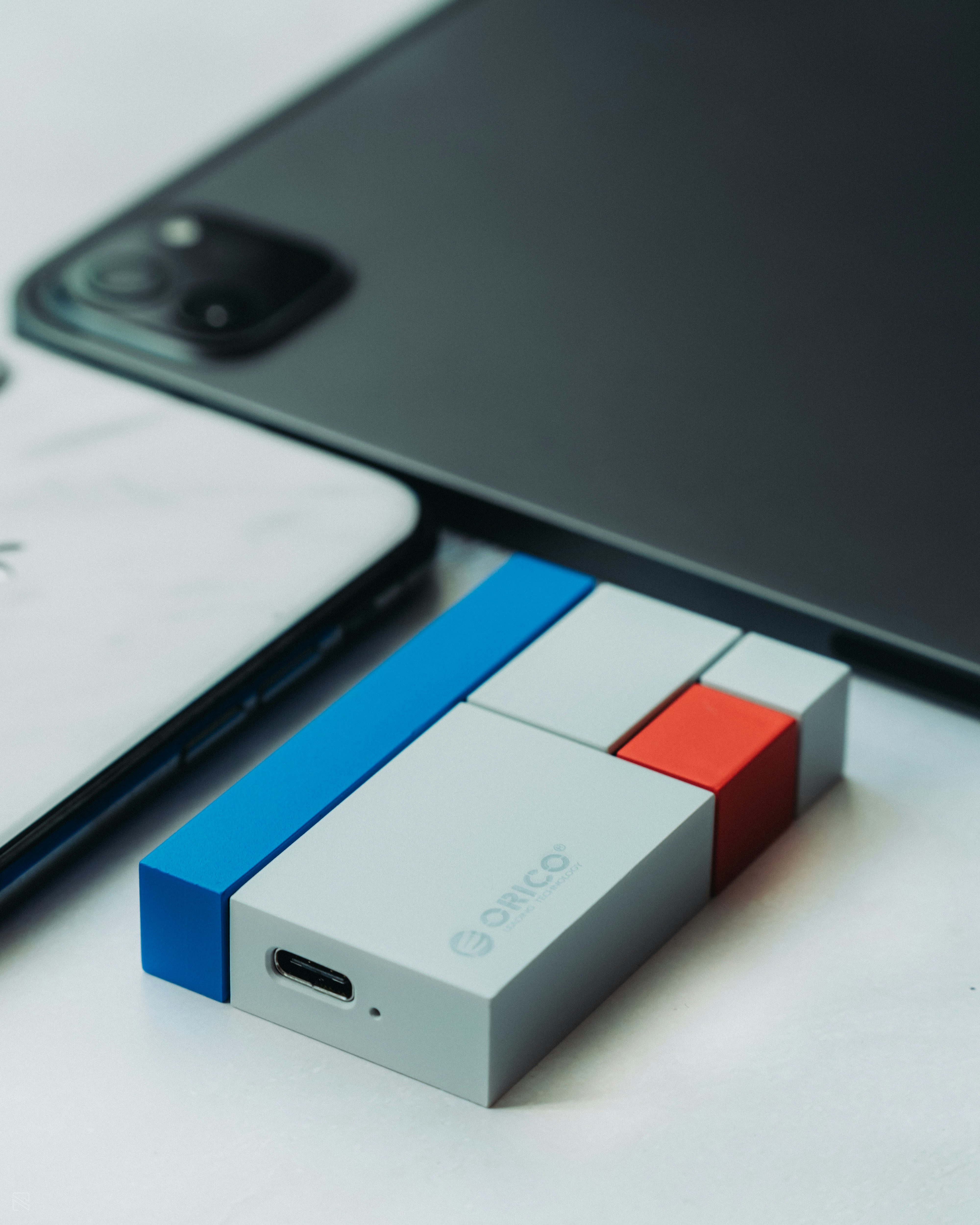
Introduction to USB4
USB4, an advanced connectivity standard, signifies a pivotal evolution in the Universal Serial Bus (USB) technology line. This standard, developed by the USB Implementers Forum (USB-IF), is the culmination of years of advancements that began with the introduction of the original USB technology in the mid-1990s. With its increase in data transfer speeds and enhanced functionality, USB4 represents a critical step forward in addressing the modern demands for rapid and versatile data exchange.
Historically, the USB standard has undergone significant transformations. From the early days of USB 1.0, which offered a maximum data transfer rate of 12 Mbps, to USB 3.0 and USB 3.2, which propelled transfer speeds up to 20 Gbps, the evolution of USB technology has been driven by the need for increased efficiency and performance. USB4 builds on this foundation, boasting capabilities that can reach data transfer rates up to 40 Gbps, effectively doubling the maximum speed of its predecessor, USB 3.2.
The adoption of USB4 in modern electronic devices is indicative of the requirement for higher bandwidth to support various applications, including high-resolution video streaming, gaming, and large file transfers. These demands are mainly driven by the proliferation of high-performance devices such as laptops, desktops, and smartphones, which necessitate quick and reliable data handling. USB4’s versatility, allowing for multiple data and display protocols to run concurrently, is a significant factor in its increasing acceptance among manufacturers and consumers alike. Furthermore, its backward compatibility with previous USB standards ensures a seamless transition for users upgrading their systems.
In light of the aforementioned advancements and the growing need for adaptable and efficient connectivity solutions, the introduction of USB4 marks a substantial milestone in the ongoing journey of USB technology. This new standard not only enhances the user experience but also sets the stage for future innovations within the digital realm.
The Evolution of USB Technology
The Universal Serial Bus (USB) standard has undergone substantial evolution since its inception in the mid-1990s, significantly transforming how devices communicate. The journey began with USB 1.0, released in 1996, which introduced a maximum transfer rate of 1.5 Mbps for low-speed devices and 12 Mbps for full-speed devices. This standard established a simple connection method suited for peripherals like keyboards and mice, addressing the complexities associated with older serial and parallel ports.
In 2000, USB 2.0 was introduced, enhancing performance capabilities with a new maximum transfer rate of 480 Mbps. This upgrade enabled faster data transfer between devices and supported greater power requirements, ultimately paving the way for a more diverse range of devices to utilize USB technology. USB 2.0 quickly became the standard for external hard drives, printers, and digital cameras, among others.
The advent of USB 3.0 in 2008 marked another significant leap forward, introducing a theoretical transfer rate of up to 5 Gbps. This upgrade offered backward compatibility with previous versions while improving power efficiency and data retrieval processes. Devices such as high-definition webcams and external storage solutions greatly benefited from this enhanced speed, which allowed for the rapid exchange of large files without bottlenecks.
Continuing the trend of innovation, USB 3.1 was launched in 2013, further increasing transfer rates to 10 Gbps and introducing the USB Type-C connector, which allows for reversible plugging. This advancement marked a key turning point, as the USB Type-C connector became widely adopted across various devices, including smartphones, laptops, and tablets.
Finally, the introduction of USB 3.2 in 2017 expanded the technology’s capabilities even further, allowing for multi-lane operation that can achieve speeds up to 20 Gbps. These advancements form the foundation of USB4, which leverages the principles and technologies established by its predecessors to optimize transfer rates and connectivity solutions in an increasingly digital world.
Key Features of USB4
USB4 introduces several standout features that enhance the user experience and improve connectivity. One of the most notable advancements is the data transfer speed, which supports up to 40 Gbps. This dramatically increases the potential bandwidth compared to its predecessor, USB 3.2, which has a maximum of 20 Gbps. Such high transfer rates enable faster data movement, which is particularly beneficial for activities that involve large file transfers, such as video editing and backups.
Another significant feature of USB4 is its enhanced power delivery capabilities. USB4 can deliver up to 100 watts of power, which is suitable for charging a wide variety of devices, including laptops and peripherals. This feature allows for a versatile charging solution, as users can connect multiple devices without needing separate power adapters, streamlining the overall setup.
USB4 also boasts robust support for multiple data protocols. This means it can simultaneously manage various data types such as video, audio, and data storage through a single connection. This capability is particularly important for professionals who need to connect multiple devices at once, thereby reducing clutter and minimizing the number of ports needed on devices.
Additionally, USB4 is designed to seamlessly integrate with Thunderbolt 3 technology. This compatibility ensures that users can benefit from the advanced features of Thunderbolt, including daisy-chaining multiple devices and utilizing high-resolution displays. Another advantage of USB4 is its backward compatibility; it can connect with older USB standards, such as USB 3.2, USB 2.0, and even USB-C devices. This comprehensive compatibility ensures that existing technologies and peripherals can continue to function, providing a smooth transition to the new standard.
Underlying Architecture of USB4
The architecture of USB4 is built on several core components that collectively enhance its performance and functionality. Central to this architecture is the USB-C connector, which offers a versatile and reversible design, supporting not only the USB4 protocol but also legacy USB standards. This dual compatibility serves to streamline connections for a wide range of devices, from laptops to peripherals, fostering an ecosystem where hardware longevity is prioritized.
At the heart of USB4 is its high-speed data transfer protocol that significantly boosts the throughput capabilities compared to its predecessors. USB4 can achieve data rates of up to 40 Gbps, leveraging container-based data protocol methods to effectively manage data streams. This system of management ensures optimized transmission by allowing multiple protocol layers to work concurrently within the same channel, which not only improves efficiency but also minimizes latency.
An important aspect of USB4’s architecture is its utilization of advanced encoding techniques such as Pulse Amplitude Modulation 4 (PAM-4). This technique plays a crucial role in maintaining signal integrity, particularly at high data rates. PAM-4 enables USB4 to transmit two bits of information per symbol, effectively doubling the amount of data transmitted over the same physical medium compared to its traditional non-return-to-zero (NRZ) counterparts. Consequently, the adoption of PAM-4 results in enhanced performance, reduced electromagnetic interference, and improved capacity for long-distance data transmission.
Furthermore, the protocol’s flexibility allows for dynamic resource allocation, ensuring that devices connected via USB4 can negotiate the best possible configurations depending on their respective capabilities. This adaptive method extends the usability of USB4 across a wide variety of applications, thereby cementing its position as a significant advancement in connectivity technology.
Protocol Tunneling in USB4
Protocol tunneling is a pivotal feature in the USB4 standard, facilitating the seamless transmission of multiple data types through a single cable. This innovative architecture allows the USB4 interface to handle both data and video streams concurrently, significantly enhancing user experience and efficiency. By utilizing protocol tunneling, USB4 is able to create a unified data pathway that accommodates various protocols such as PCI Express and DisplayPort, among others.
The implementation of protocol tunneling enables USB4 to dynamically manage and allocate bandwidth to different types of data. This means that users can engage in activities such as streaming high-resolution video while simultaneously transferring files, without experiencing a bottleneck in performance. The ability to carry multiple protocols at once reduces the need for numerous cables, leading to a more organized workspace.
As more devices evolve to accommodate USB4 technology, the versatility of protocol tunneling becomes increasingly apparent. For instance, gaming monitors and external gaming drives can communicate through the same USB4 connection, allowing gamers to enjoy reduced latency and improved load times. Furthermore, users of high-end laptops can benefit from dock solutions that connect to displays, storage devices, and other peripherals through a single port.
This streamlined method of data transmission also offers improved power efficiency. USB4 is designed to support power delivery requirements that align with each device’s needs, contributing to a reduction in energy consumption when compared to its predecessors. Overall, protocol tunneling in USB4 presents a significant advantage by not only optimizing performance but also simplifying connections, ultimately empowering users with a more integrated and efficient technology experience.
Power Delivery and Charging Capabilities
The introduction of USB4 has significantly enhanced the power delivery system compared to its predecessors. Notably, USB4 supports a maximum output of up to 100 watts (W), allowing for efficient charging and powering of a wide variety of devices. This advancement indicates a marked increase in the capability of the standard, positioning it as a powerful tool for both consumers and manufacturers.
One of the standout features of USB4 power delivery is its versatility. This single connection can not only transmit data at remarkable speeds but also serve as a robust power source for devices ranging from laptops to peripheral gadgets. For example, devices such as modern laptops can benefit from USB4 by utilizing it as their primary charging solution while simultaneously connecting to external displays or data devices. This dual functionality reduces clutter and simplifies the user experience.
In practical terms, the implications of USB4 power delivery are far-reaching. With the capability to charge laptops, smartphones, and tablets at high wattages, users are freed from the need for multiple chargers and cables. Furthermore, the configuration allows users to power various devices such as monitors and docking stations via the same cable, providing an integrated approach for device connectivity and energy supply. This is particularly beneficial in both personal and professional environments where efficiency and organization are paramount.
Ultimately, USB4 has redefined the physical architecture of connectivity by incorporating a compelling power delivery system that serves to advance modern technology’s functionality and convenience. The ability to deliver significant power through a unified connection reflects the evolution of standards in the tech industry, enhancing user satisfaction and streamlining the operation of connected devices.
Comparative Analysis: USB4 vs. Previous Standards
With the introduction of USB4, it is essential to evaluate how this new standard stands against its predecessors, namely USB 3.2 and USB 3.1, particularly in terms of speed, usability, and overall technological advancements. USB 3.1, which was released in 2013, offered a maximum data transfer speed of 10 Gbps, while USB 3.2 enhanced this to 20 Gbps by utilizing multi-lane technology. However, USB4 takes this a significant step further, introducing speeds of up to 40 Gbps through a more sophisticated, dual-lane operation that enhances the throughput available for devices.
Usability is another area where USB4 shines compared to previous standards. The integration of Thunderbolt 3 capabilities allows USB4 to support a broader range of peripheral devices, including high-resolution displays and multiple devices connected through a single port. This is a substantial upgrade from USB 3.2, which, while versatile, did not offer the same level of compatibility and performance regarding alternate modes and power delivery.
The technological improvements inherent in USB4 allow it to handle complex data transfers more efficiently. For instance, in practical scenarios such as data transfer to external SSDs or connecting multiple peripherals like displays and docking stations, USB4’s architecture significantly reduces latency and improves performance. Furthermore, USB4’s dynamic resource allocation intelligently shares bandwidth between connected devices, ensuring optimal use of available transfer rates. In contrast, while USB 3.2 could manage multiple devices, it often faced bandwidth limitations due to its simpler structure.
In light of these comparisons, it is evident that USB4 presents substantial enhancements over USB 3.2 and USB 3.1 in terms of speed, usability, and technological advancements. The shift to USB4 marks a pivotal moment for not only improving existing applications but also for enabling innovative uses in modern computing environments.
The Future of USB Technology
The introduction of USB4 signifies a transformative shift in connectivity technologies, which sets the stage for a plethora of future advancements in USB technology. As the demand for higher data transfer speeds and improved power delivery continues to escalate, USB4 is poised to evolve in ways that align with emerging technological trends.
One significant area of development is the integration of USB technology with innovations like 5G and the Internet of Things (IoT). With the rise of 5G networks, the speed and efficiency of data transmission will potentially enhance the capabilities of USB4. This synergy could result in faster data exchange between devices, with USB4 serving as a backbone for 5G-enabled devices. As IoT devices proliferate, having an efficient and standardized connectivity option like USB4 will streamline communication across platforms, from smart home gadgets to industrial IoT applications.
Moreover, the evolution of USB technology will reflect changes in consumer and enterprise electronics. As devices become more compact and energy-efficient, USB4’s high power delivery capabilities could foster the development of multifunctional devices. For example, laptops, tablets, and smartphones may rely on USB4 for charging, data transfer, and video output, reducing the need for multiple ports and cables. In addition, future iterations of USB technology may incorporate robust security measures to address the growing concerns about data privacy and device integrity in an interconnected world.
As we look ahead, USB technology is likely to play a critical role in shaping the future of connectivity. While the current wave of advancements focuses on speed and versatility, potential developments will also focus on user experience and sustainability, making USB technology more adaptive to the evolving landscape of digital needs.
Conclusion and Takeaways
As we explore the intricate world of USB4, it becomes evident that understanding its architecture and underlying technology is essential for navigating the landscape of modern connectivity. USB4 represents a significant leap forward in data transfer capabilities, providing users with an unprecedented combination of speed and versatility. Its compatibility with Thunderbolt 3 and adaptability to various devices make it a formidable technology that meets the demands of contemporary electronic ecosystems.
One of the cornerstone features of USB4 is its ability to conduct multiple types of data traffic simultaneously. This functionality enables users to connect a range of devices—from monitors and storage solutions to peripherals—without compromising performance. The architecture behind USB4 not only optimizes data transfer rates but also enhances power delivery, thereby improving the overall user experience. This advancement signifies a meaningful upgrade from previous USB standards.
Moreover, the standardization of USB4 across various manufacturers promotes a more cohesive approach to device compatibility. By ensuring that diverse products can effectively communicate, USB4 reduces the fragmentation of user experiences prevalent in prior technologies. Users contemplating an upgrade should consider devices that incorporate USB4 technology to take full advantage of these benefits.
In conclusion, as technology continues to evolve, familiarizing oneself with USB4’s aspects equips users and developers alike with the knowledge required to make informed decisions regarding device upgrades. The continual growth and adoption of this innovative standard signify a promising future for connected devices and an improved digital ecosystem for everyone involved.