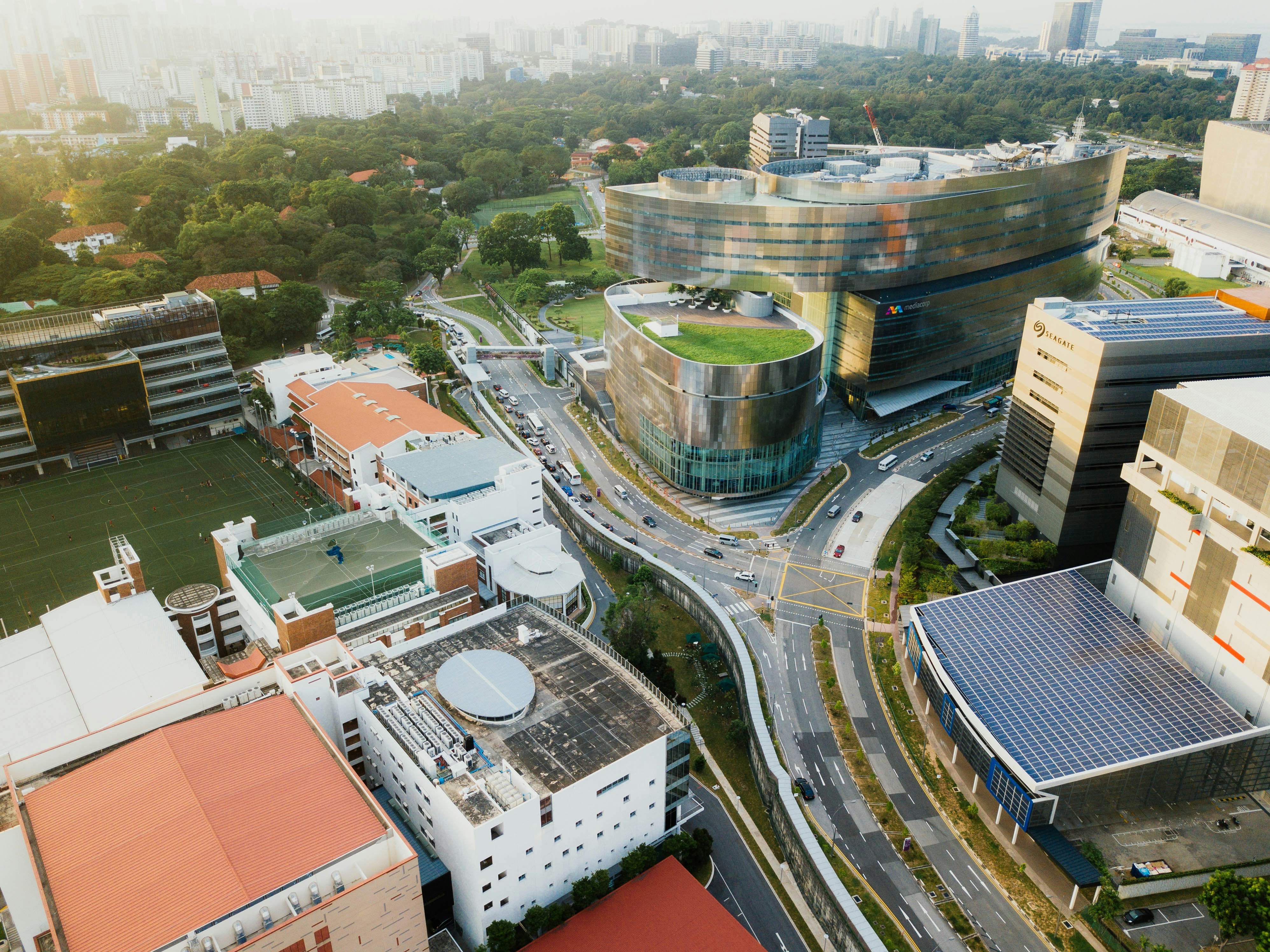
Introduction to Utopian Mumbai 2035
The year 2035 envisions a revolutionary transformation for Mumbai, one of the world’s most densely populated cities, where artificial intelligence (AI) will play a crucial role in addressing key urban challenges. As of now, Mumbai grapples with severe traffic congestion, persistent water scarcity, and significant healthcare accessibility issues. These challenges have resulted in a strain on resources and infrastructure, adversely affecting the quality of life for its residents.
Traffic congestion in Mumbai has long been a daily burden, leading to lost productivity and increased pollution levels. With millions of vehicles on the roads, the current situation only seems to worsen. The implementation of AI-driven traffic management systems has the potential to optimize traffic flow, reduce travel times, and minimize road incidents. By employing real-time data analytics, AI can predict traffic patterns and provide efficient routing options, making commutes less arduous and time-consuming.
Moreover, water scarcity remains a pressing concern, where inadequate supply often leads to severe shortages. AI technologies can aid in developing smart water management systems to monitor usage, optimize distribution, and detect leaks, ultimately ensuring a more sustainable water supply. By harnessing the power of data, Mumbai can work towards conserving this vital resource and enhancing access for all residents.
In the healthcare sector, accessibility is a paramount issue, particularly in a city with a vast and diverse population. AI can facilitate improvements in healthcare delivery through telemedicine and AI-assisted diagnostics, thus bridging existing gaps in services. In this Utopian vision, residents will enjoy equitable healthcare access, ensuring timely intervention and better health outcomes.
The Current Traffic Dilemma in Mumbai
Mumbai, India’s bustling financial capital, grapples with an enduring traffic dilemma characterized by excessive congestion. As one of the most densely populated cities in the world, Mumbai’s population has surged significantly, contributing to chronic traffic congestion. With over 20 million residents, the demand for efficient transportation systems has outstripped the city’s current infrastructure capabilities, resulting in lengthy commute times often exceeding two hours for many commuters.
One of the primary causes of this traffic chaos is the inadequacy of the existing road infrastructure. Mumbai’s road network, optimized for much smaller traffic volumes, suffers from frequent bottlenecks and substandard road conditions. The urban planning policies, historically, have failed to keep pace with rapid urbanization, leading to a lack of designated lanes for public transportation. Consequently, private vehicles dominate, exacerbating the traffic issues. Furthermore, the city’s poor public transport system, while extensive, is often overloaded, compelling residents to rely on individual transportation methods.
Compounding the situation is the safety aspect; Mumbai ranks high in road accident statistics, with thousands of fatalities and injuries reported annually. The combination of reckless driving, inadequate signage, and insufficient traffic enforcement creates an environment ripe for accidents. Moreover, the environmental implications of incessant traffic are concerning, with air pollution levels soaring due to emissions from vehicles stuck in traffic. This pollution not only affects the health of Mumbai’s residents but also contributes to broader environmental degradation.
Understanding these traffic troubles is crucial for exploring the potential benefits of infrastructure enhancements and technological interventions, particularly through artificial intelligence. The need for a comprehensive strategy that encompasses improvements in public transport, better traffic management, and smart urban planning is evident. A shift toward these solutions could pave the way for significant alleviation of Mumbai’s tumultuous traffic challenges.
Artificial Intelligence to the Rescue: Smart Traffic Management
As urban centers like Mumbai continue to grapple with persistent traffic congestion, the implementation of Artificial Intelligence (AI) technologies offers promising solutions for smart traffic management. By leveraging machine learning algorithms and data analytics, city planners can optimize traffic flow, resulting in reduced travel times and improved road safety.
A vital component of AI-driven traffic management is real-time traffic monitoring. This involves the collection and analysis of vast amounts of data from various sources, such as GPS devices, surveillance cameras, and traffic sensors. By processing this data, AI can provide insights into traffic patterns and congestion hotspots, enabling authorities to make informed decisions that enhance traffic efficiency. For instance, through predictive analytics, AI can forecast traffic fluctuations, helping to proactively manage traffic during peak hours.
Dynamic signal timing is another innovative application of AI. Traditional traffic signals operate on fixed cycles, which often lead to inefficient traffic management. However, with AI, traffic lights can adapt to real-time traffic conditions. By adjusting timings based on current vehicle flow, AI systems can ease bottlenecks and reduce idle time at intersections. This adaptability not only decreases congestion but also diminishes vehicle emissions, contributing to environmental sustainability.
Furthermore, the advent of autonomous vehicles incorporates AI technologies that hold potential in mitigating traffic issues. These self-driving cars can communicate with each other and the surrounding infrastructure in a vehicle-to-everything (V2X) environment, allowing for coordinated movement and enhanced safety on the roads. By minimizing human errors, which are responsible for a significant number of accidents, autonomous vehicles significantly contribute to safer driving conditions.
In conclusion, the integration of AI into Mumbai’s traffic management infrastructure exemplifies a futuristic approach to resolving urban challenges. Through smart solutions like real-time traffic monitoring and autonomous vehicle technology, the potential for a more efficient, safer transportation system is within reach.
Addressing Water Scarcity: The State of Mumbai’s Resources
Mumbai, a bustling metropolis and the financial heart of India, grapples with significant water scarcity, which poses a considerable challenge to its population. The city’s rapid urbanization and an ever-growing population have led to an overwhelming demand for water resources, often exceeding the supply. With an estimated population exceeding 20 million, the strain on Mumbai’s water infrastructure is evident, revealing a critical need for effective management strategies.
Pollution significantly exacerbates the water scarcity issue. Many water bodies within the city are heavily contaminated, resulting in a decline in the quality of available water. The discharge of industrial effluents and untreated sewage into rivers and lakes directly impacts the volume and quality of usable water. Consequently, this pollution not only depletes the available freshwater resources but also necessitates expensive treatment processes, diverting funds from other essential services.
The impact of climate change further intensifies the water scarcity challenge in Mumbai. Irregular monsoon patterns, coupled with rising temperatures and severe weather events, have caused fluctuations in rainfall levels. These climatic alterations increase the unpredictability of water supplies, making it difficult for authorities to adequately plan for and manage water distribution. The existing infrastructure fails to account for these changing dynamics, leading to frequent shortages and drought conditions, especially in the dry months.
As a solution, integrating advanced technologies such as Artificial Intelligence (AI) is critical for addressing water scarcity in Mumbai. AI-driven water management systems can optimize water distribution and usage through precise forecasting methods and real-time monitoring. These systems can analyze vast datasets regarding consumption patterns, climate scenarios, and resource availability, allowing for strategic planning and sustainable water usage. The implementation of AI can ultimately play a pivotal role in enhancing water security in Mumbai, ensuring that this vibrant city can sustain its growth while effectively managing its precious water resources.
Innovative AI Solutions for Water Management
Water scarcity is a pressing issue affecting millions globally, and innovative solutions are essential to address this challenge effectively. Artificial intelligence (AI) offers transformative capabilities in water management, particularly through predictive analytics, real-time monitoring, and automated systems, ensuring a sustainable water supply for urban residents.
Predictive analytics is a pivotal application of AI that can enhance demand forecasting. By analyzing historical usage patterns, environmental data, and demographic trends, AI algorithms can effectively predict future water demand. This enables municipalities to make informed decisions about water resource allocation, leading to better management of available water supplies and minimizing shortages during peak demand periods.
Another key innovation is the deployment of smart meters that utilize AI for real-time monitoring of water consumption. These advanced metering systems provide continuous data on usage patterns, facilitating prompt identification of anomalies or irregularities that may indicate wasteful practices. Additionally, the implementation of smart meters empowers consumers to monitor their own water usage, promoting responsible consumption and conservation efforts.
Automated leak detection systems powered by AI have the potential to revolutionize how cities manage their water supply. By employing machine learning algorithms to analyze data from sensors across the water distribution network, these systems can identify leaks almost instantaneously. This rapid detection not only reduces water loss but also significantly cuts down on repair costs and minimizes disruptions to service. As cities like Mumbai face increasing demand for water resources, these AI-driven technologies can play a vital role in enhancing efficiency and sustainability.
Through the application of AI in predictive analytics, smart metering, and automated leak detection, urban areas can tackle water scarcity effectively. These innovations not only contribute to immediate solutions but also pave the way for sustainable water management practices that benefit both present and future generations.
Healthcare Gaps: Current Challenges in Mumbai’s System
Mumbai’s healthcare system faces significant challenges that hinder effective service delivery. One of the primary issues is accessibility; many residents, particularly in slum areas, find it difficult to access basic healthcare services. The geographical spread of healthcare facilities is uneven, resulting in overcrowding in urban centers while rural outskirts remain underserved. Public health services are under constant strain, with a high patient-to-doctor ratio that impacts the quality of care provided.
Affordability is another critical factor contributing to the healthcare gap in Mumbai. While the government has implemented various schemes to offer subsidized healthcare, the costs can still be prohibitive for many low-income families. Private healthcare providers, though readily available, often set prices beyond the means of these populations, leaving them with limited options. Consequently, many residents delay seeking medical help until conditions worsen, exacerbating health issues that could have been easily managed with timely intervention.
The quality of care within Mumbai’s healthcare system is also a concern. Facilities in public sectors frequently lack essential resources, including medical supplies, well-trained staff, and advanced medical technology. This disparity means that the quality of treatment varies significantly between affluent and impoverished neighborhoods. Vulnerable populations, including women and children, often bear the brunt of this inequity, leading to poorer health outcomes.
In light of these challenges, innovative solutions are urgently needed to bridge the healthcare gaps in Mumbai. Transformative approaches, particularly those leveraging modern technology and inclusive policies, could significantly improve access, affordability, and quality of care. Addressing these systemic issues will be pivotal in ensuring equitable health outcomes for all residents of Mumbai.
AI-Driven Healthcare Innovations
The rise of artificial intelligence (AI) is poised to transform healthcare in Mumbai by 2035 through a myriad of innovative applications. One of the most impactful developments is the widespread implementation of telemedicine services. With AI facilitating virtual consultations, residents of Mumbai will gain access to healthcare professionals from the comfort of their homes, significantly reducing the strain on physical healthcare facilities.
Additionally, AI diagnostics tools are being developed to improve the accuracy and speed of medical evaluations. By leveraging machine learning algorithms, hospitals in Mumbai will be able to analyze medical data more effectively, leading to timely diagnoses and more informed treatment plans. This capability is particularly crucial in a densely populated city like Mumbai, where early detection of diseases can mean the difference between life and death.
Personalized medicine is yet another groundbreaking aspect of the AI healthcare revolution. Through advanced data analytics, healthcare providers will gather comprehensive patient histories and genetic information to tailor treatments to individual needs. This approach not only increases the likelihood of successful outcomes but also reduces the overall healthcare costs associated with ineffective treatments.
Furthermore, AI will play a pivotal role in predicting health outbreaks in Mumbai. By analyzing vast datasets from various sources, AI systems will identify trends and patterns that may indicate a forthcoming health crisis, allowing authorities to take proactive measures to contain the situation. The optimization of hospital operations through AI will enhance efficiency, enabling better management of resources and improved patient care.
As we look towards 2035, the integration of AI in healthcare promises to be a game-changer for Mumbai, ensuring that the healthcare system is more responsive, efficient, and equitable for all its residents.
The Utopian Vision: A Fully Integrated AI Ecosystem
The year 2035 presents a promising vision for Mumbai, characterized by a fully integrated AI ecosystem that seamlessly connects the city’s traffic, water, and healthcare systems. This transformative approach could drastically improve the daily lives of residents, creating a harmonious environment that addresses some of the most pressing challenges facing urban life.
Traffic congestion, a perennial issue in Mumbai, can be effectively managed through advanced AI algorithms that analyze real-time data from various sources, including traffic cameras, sensors, and GPS technologies. By optimizing traffic flow and minimizing bottlenecks, AI can significantly reduce travel times. The implementation of smart traffic lights and adaptive routing systems will further enhance commuting efficiency, ultimately transforming the way people experience daily travel across the city.
In the realm of water management, AI can offer innovative solutions to combat water scarcity by monitoring usage patterns and predicting demand fluctuations. Through smart sensors and predictive analytics, the distribution of clean water can be optimized, ensuring that resources are allocated efficiently and minimizing waste. This not only promises to provide residents with consistent access to essential water supplies but also helps to sustain the city’s natural water resources.
Moreover, the integration of AI in healthcare services holds the potential to revolutionize medical care in Mumbai. With the ability to analyze vast amounts of health-related data, AI systems can identify trends, predict outbreaks, and tailor personalized treatment plans for patients. Access to healthcare is enhanced as remote diagnostics and telemedicine become standard practices, allowing residents to receive prompt medical attention without the barriers of location or distance.
Through the harmonious interplay of these sectors—traffic, water, and healthcare—residents of Mumbai can enjoy a higher quality of life. This utopian vision of 2035 not only addresses critical urban issues but also fosters a sense of community, driving the city towards sustainable growth and prosperity.
Conclusion: The Path Forward to Utopia
As we envision the role of artificial intelligence in transforming Mumbai by 2035, it is crucial to acknowledge its potential in addressing three of the city’s most pressing challenges: traffic congestion, water scarcity, and healthcare gaps. The application of AI and its advanced data analytics capabilities can revolutionize urban management and service delivery, making it a vital pillar in the pursuit of a more livable city.
To realize this ambitious vision, effective partnerships between governmental bodies, technology companies, and local communities are essential. Collaboration ensures that the deployment of AI technologies is in sync with the actual needs and aspirations of the citizens. By fostering an environment of mutual trust and cooperation, stakeholders can create a comprehensive strategy that leverages AI’s capabilities to enhance urban infrastructure and public services.
Moreover, embracing innovation requires a commitment to continuous learning and adaptation. As AI technologies evolve, the policies and frameworks governing their use must also be refined to keep pace with advancements. A forward-thinking approach will not only enhance operational efficiencies but also prioritize ethical considerations, ensuring inclusivity and fairness in the implementation of AI solutions. Addressing the unique challenges faced by diverse community groups will be crucial to ensuring that no resident is left behind in the quest for improvement.
In conclusion, the journey toward a utopian vision of Mumbai, empowered by artificial intelligence, is undoubtedly challenging. However, with sincere dedication from all stakeholders and a shared commitment to innovation and collaboration, a transformative future can be achieved. By focusing on strategic partnerships and the ethical deployment of technology, we can pave the way for a thriving metropolis that excels in traffic management, resource conservation, and healthcare delivery, ultimately enhancing the quality of life for all its inhabitants.