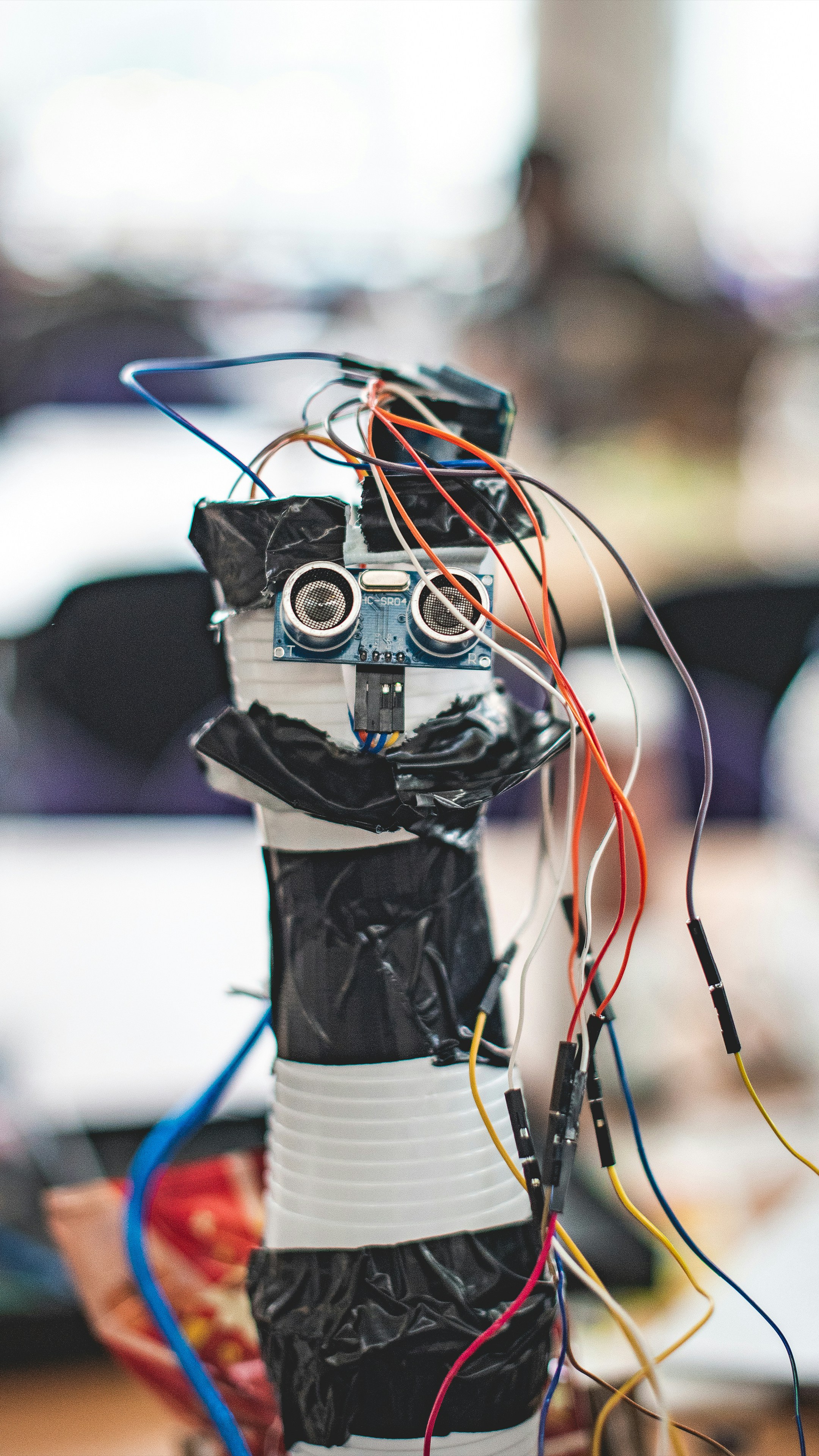
Introduction to Household Robots
The concept of household robots has evolved significantly since their inception, driven by advancements in technology and an increasing interest in consumer robotics. These machines are designed to assist with various domestic tasks, ranging from vacuuming and cleaning to cooking and even providing companionship. Early iterations of household robots were often viewed as novelties or luxury items, but over the years, they have transformed into essential tools that many households are beginning to embrace.
The growing interest in consumer robotics can be attributed to several factors, including the aging population, busy lifestyles, and the continuous improvement in robot intelligence and autonomy. This has opened up new possibilities for robots to not only alleviate mundane chores but also enhance the quality of life for users by allowing more time for leisure and family engagement. In recent years, we’ve witnessed remarkable progress in areas such as artificial intelligence, machine learning, and sensor technology, which have all contributed to the sophistication of household robots.
Moreover, consumer acceptance of these technologies is on the rise as individuals become more accustomed to automation in their daily lives. High-profile products, such as robotic vacuum cleaners and lawn mowers, have demonstrated the practical benefits of such innovations, creating a sense of trust and optimism towards the future of larger and more capable household robots. Nevertheless, despite the promise that these robots hold for modern households, impediments remain that hinder their full functionality and integration by the year 2026. Understanding these challenges is crucial for stakeholders aiming to enhance the domestic robot experience and ensure that they can meet consumer expectations.
Current State of Household Robots
As of 2023, household robots have made significant strides in functionality and usability, yet they remain limited in several key areas. The primary category of household robots includes vacuuming robots, lawn-mowing robots, and kitchen assistants. Each of these robotic devices is designed for ease of use, but they still encounter various constraints in performance and capability.
For instance, robotic vacuum cleaners such as the Roomba and Roborock models have become popular due to their ability to autonomously navigate and clean floors. These devices are equipped with advanced sensors and mapping technology, allowing them to adapt to various home layouts. However, they still struggle with complex obstacles like stairs and highly cluttered spaces, which can halt their operation. Additionally, their cleaning effectiveness can be hampered by their inability to transition between different surfaces, such as moving from tiles to carpets without losing suction power.
Lawn-mowing robots, like those from Husqvarna and Bosch, provide homeowners with automated lawn maintenance. These machines are capable of navigating gardens and yards, but their performance is heavily reliant on geographic conditions and the complexity of the landscapes they are meant to manage. They can struggle with uneven terrain and may require human intervention if the grass becomes too tall or if they encounter significant obstacles.
Kitchen robots, exemplified by multifunctional processors, can assist in meal preparation through chopping, mixing, and cooking. Nevertheless, they often lack the finesse necessary for intricate tasks such as precise knife skills or the ability to adjust cooking times based on sensory feedback. Overall, while the current generation of household robots demonstrates useful features, their limitations necessitate continued enhancement before they can be deemed genuinely indispensable in everyday life.
Technological Limitations
The landscape of household robotics has made significant advancements over the years; however, considerable technological limitations continue to pose challenges that hinder their overall effectiveness. One prominent issue is the capability of artificial intelligence (AI). Many household robots utilize AI for functions such as navigation, interaction, and decision-making. While current AI systems can perform well in controlled environments, they often struggle to adapt in dynamic, real-world settings where variables can change abruptly. This inflexibility limits a robot’s ability to handle unforeseen circumstances, leading to uncertainties in completion of tasks.
Additionally, the scope and depth of machine learning (ML) algorithms are constrained by the data they are trained on. A considerable portion of household tasks requires understanding nuanced human behaviors. For instance, a robot might struggle with interpreting commands or recognizing different objects based on context. Current machine learning techniques often fall short of replicating the intricate cognitive functions that humans use effortlessly, thereby contributing to a gap in efficiency.
Sensory perception also represents a critical bottleneck. Many household robots rely on sensors to interpret their surroundings and equip them with the knowledge necessary to execute tasks. However, current sensors can have limitations in accuracy and range. For example, obstacles might be missed, or a robot may misinterpret environmental input, leading to mistakes or accidents. This deficiency becomes especially pronounced in complex environments like kitchens or living rooms, where serial interactions are essential.
Furthermore, the disparity between consumer expectations and technological capabilities is pronounced. Consumers often envision fully autonomous robots that can perform a myriad of functions flawlessly. In contrast, current technologies still struggle with basic tasks due to the aforementioned limitations. This misalignment can result in disappointment and skepticism regarding the value of household robots in everyday life.
Cost and Accessibility Issues
The proliferation of household robots in 2026 is significantly influenced by economic factors that encompass production costs and consumer affordability. As technology advances, the manufacturing expenses associated with developing sophisticated robots remain notably high. Despite strides in automation and engineering efficiencies, the initial investment required for cutting-edge household robotic solutions is still substantial. This poses a barrier for widespread adoption, particularly among average consumers who may find it challenging to allocate funds for what can be perceived as luxury items rather than necessities.
Furthermore, the cost of ownership extends beyond the purchase price. Maintenance, software updates, and potential repairs contribute additional financial burdens, which can deter potential buyers. These aspects must be carefully considered, especially by households operating on fixed or limited incomes. While some might argue that the long-term savings associated with efficiency and time-saving qualities of household robots could justify the upfront investment, the reality for many families is that the immediate financial outlay remains a critical obstacle.
Moreover, economic disparities further complicate the accessibility of household robots. In regions with higher income inequality, the divide between those who can afford innovative technologies and those who cannot becomes glaringly apparent. This disparity not only limits the market for household robots but also skews the research and development focus towards affluent customers, potentially resulting in a technological landscape that caters more to wealthier households. Should the industry fail to address these cost and accessibility issues, the dream of a fully automated home may remain elusive for 2026, leaving many consumers without the benefits that household robots could provide.
Safety and Security Concerns
The integration of household robots within domestic environments raises significant safety and security concerns that must be addressed before these technologies can achieve widespread acceptance. One primary issue involves data privacy; household robots often collect extensive amounts of personal information during their operation. This information is not only sensitive but can include intricate details about daily routines, preferences, and personal interactions. As a result, there is a pressing need for stringent data protection measures to prevent unauthorized access and ensure that consumer data is handled responsibly.
In addition to privacy concerns, the safety of consumers is paramount when considering household robots. The potential for accidents, such as a robot malfunction leading to physical harm, cannot be overlooked. For example, robots that clean floors or assist with mobility must operate efficiently and reliably to prevent injuries, particularly in households with young children or elderly individuals. Real-life incidents involving robotic systems can lead to skepticism about their efficacy and reliability, ultimately affecting consumer trust.
Moreover, the operation of robots in sensitive environments, such as homes where health concerns exist, presents unique challenges. For instance, if a robot interacts with household members requiring medical assistance, it must be incredibly reliable and accurate in its functions. Any miscommunication or error could have serious repercussions on the health and safety of individuals relying on these systems. Therefore, manufacturers and developers must prioritize the robustness of robotic systems, ensuring they can operate safely within the various nuances of a household environment.
Addressing safety and security concerns is critical in fostering consumer acceptance of household robots. The ability for these robots to operate without compromising personal safety or data integrity will ultimately determine their success in the domestic sphere. Only by systematically tackling these issues can the promise of autonomous domestic helpers be fully realized.
User Interface and Experience Challenges
The usability of household robots plays a significant role in determining their adoption and effectiveness. As the technology behind these devices evolves, the complexity of their user interfaces often increases, leading to potential barriers for users. Many current household robots come equipped with multifunctional capabilities, which can create a convoluted user experience that is difficult to navigate, especially for those who are not tech-savvy. A user interface that is not intuitive can result in frustration, thereby decreasing the likelihood of individuals utilizing the robot’s full range of features.
A user-friendly design is imperative in helping to bridge the gap between technology and the average consumer. The design should prioritize simplicity and accessibility, allowing users to easily understand how to interact with the robot. Instructions should be clear and available in various formats, including visual aids and verbal prompts, to accommodate different learning styles. When users feel overwhelmed by a complicated interface, they are less likely to engage with the robot, thereby diminishing its intended utility.
Furthermore, the integration of machine learning and artificial intelligence in household robots poses additional user experience challenges. While these technologies can enhance functionality, they also require a level of user familiarity and acceptance. Failure to provide adequate onboarding experiences or ongoing support can detract from user confidence in operating these systems effectively. As a result, addressing user interface and experience challenges is critical for manufacturers aiming to increase the usefulness and adoption of household robots in 2026 and beyond. Prioritizing user-centric design will serve to demystify the technology and facilitate a more seamless integration into everyday life.
Integration with Smart Home Ecosystems
As the landscape of smart home technologies continues to evolve, the integration of household robots within these ecosystems remains a pivotal challenge. The efficiency of household robots in performing tasks is significantly tied to their ability to communicate and collaborate with other devices in a smart home setup, such as smart thermostats, lighting systems, and security cameras. This interoperability is vital for creating a seamless user experience, enabling robots to enhance their functionality and improve the overall effectiveness of household automation.
However, achieving this level of integration is fraught with hurdles. One of the primary challenges involves the lack of standardized communication protocols among various devices. Many smart home gadgets operate on proprietary systems, making it difficult for household robots to connect and interact with them fully. For instance, a robot vacuum may struggle to sync with a security system or smart hub if they do not share compatible communication standards. This disjointedness leads to frustration for users who expect a unified and cohesive smart home experience, where devices work together to optimize home management.
The advancement of smart home ecosystems also poses a significant hurdle, as rapid technological developments often outpace existing devices, leading to compatibility issues. Hence, manufacturers of household robots must prioritize the incorporation of adaptable technologies that can accommodate future innovations. A proactive approach to designing robots, with flexibility in mind, can ensure better interaction with emerging devices. Ultimately, to maximize the utility of household robots, it is essential that efforts are made toward establishing standard protocols, fostering collaboration among device manufacturers, and driving toward a truly interoperable smart home environment.
Regulatory and Ethical Considerations
The field of household robotics is not only influenced by technological advancements but is also significantly shaped by a complex framework of regulations and ethical considerations. As these devices become increasingly integrated into daily life, issues surrounding their safety, privacy, and overall impact on society garner essential attention from policymakers and users alike.
Currently, legislation regarding household robots varies across jurisdictions. Many countries have implemented specific regulations to ensure that these devices operate within safe parameters. For instance, robots that handle sensitive data, especially those equipped with artificial intelligence capabilities, are subjected to stringent data protection laws. These regulations aim to prevent data breaches and misuse, ensuring that users’ privacy is safeguarded. However, such legal frameworks can inadvertently stifle innovation by imposing strict compliance requirements that may deter smaller companies from entering the market.
Ethically, the deployment of household robots raises questions about their role in human life. For example, concerns regarding job displacement due to automation have prompted discussions about the balance between technological progress and economic stability. There is also the matter of accountability; if a household robot malfunctions and causes harm, determining who is liable can be complex. These ethical dilemmas necessitate a balanced approach in developing regulations that promote innovation while ensuring public safety and welfare.
Moreover, as household robots operate in intimate settings, the concern for human interaction and the potential for emotional attachment creates a need to set ethical guidelines. The lack of universally accepted standards could hinder widespread acceptance of robotics in homes. Hence, fostering collaboration among technology developers, regulatory bodies, and ethicists is crucial to creating a conducive environment where household robotics can thrive without compromising societal values.
Conclusion and Future Outlook
As we reflect on the current landscape of household robotics, it is clear that there are several significant bottlenecks that hinder their practicality and utility in everyday settings. Key challenges include limitations in artificial intelligence, sensor technology, physical design, and cost efficiency. These factors collectively impact the ability of household robots to perform complex tasks that meet the diverse needs of consumers.
Despite these challenges, the future of household robotics appears promising, especially as emerging technologies continue to evolve. Innovations in machine learning and computer vision are expected to enhance the cognitive abilities of robots, allowing for improved decision-making and task execution. Moreover, advancements in sensors and actuators could lead to more dexterous robots capable of navigating complex environments, thus overcoming physical and technological hurdles.
Furthermore, the accessibility of advanced manufacturing techniques, such as 3D printing and modular design, may reduce production costs and empower consumers to customize household robots according to their unique requirements. These developments indicate that by 2026, we could witness a paradigm shift in the functionality of household robots, making them more beneficial to the average consumer.
In conclusion, while several bottlenecks currently challenge the utility of household robots, the integration of novel technologies and innovative approaches holds the potential to address these shortcomings. As a society, we must continue to invest in research and development within this field to fully realize the promise of household robotics, fostering a future where these devices can seamlessly enhance our daily lives.