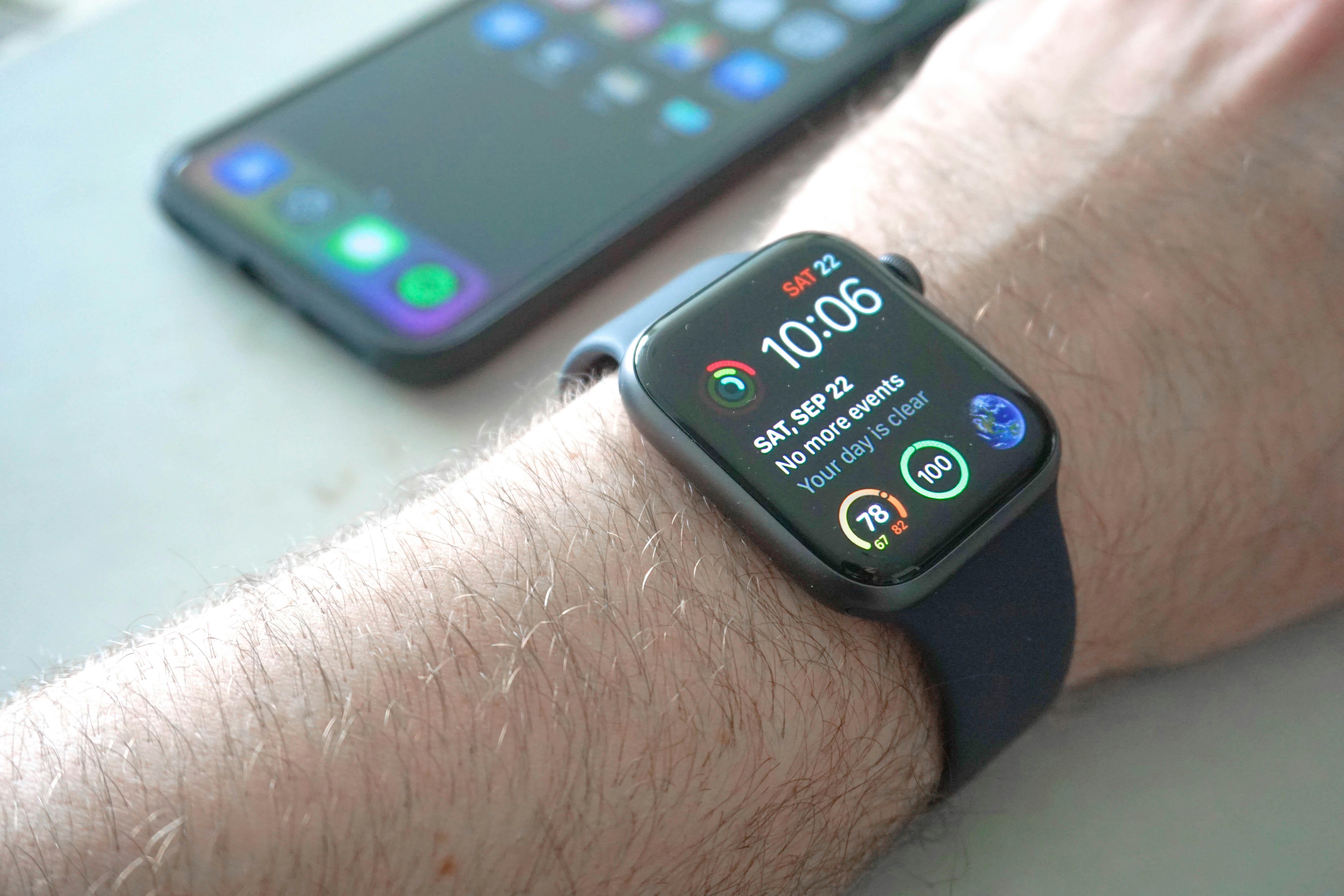
Introduction to AI Wearables
Artificial Intelligence (AI) wearables represent a significant evolution in the realm of wearable technology, integrating sophisticated algorithms with everyday devices. Traditional wearables like fitness trackers and smartwatches primarily focused on collecting data, such as steps taken, heart rates, or sleep patterns, and presented this information to users. However, AI wearables take this concept further by utilizing machine learning to analyze data in real-time, providing personalized insights and recommendations to users.
The distinguishing feature of AI wearables lies in their ability to learn from user behavior and adapt accordingly. For example, an AI-enabled fitness tracker not only maps the user’s physical activities but also predicts future patterns and suggests optimal workout routines tailored to their specific goals and preferences. This adaptability enhances the overall user experience, promoting a more proactive approach to health and well-being.
In personal life, AI wearables are becoming integral tools for managing health and wellness. They can remind users to stay hydrated, suggest stress-relief techniques based on detected physiological signals, and even monitor chronic conditions. In professional settings, these technologies are revolutionizing workplace health by tracking employee wellness and productivity, leading to more effective interventions and enhanced workplace environments.
The evolution of wearable technology has paved the way for these advancements. Initially, wearables were rudimentary, focusing on tracking basic metrics. However, as technology and AI evolved, these devices became more sophisticated, leading to the development of AI wearables that fundamentally change how users interact with technology. The year 2026 is positioned to be a pivotal point in this evolution, where AI wearables will become more mainstream, enhancing both personal and professional facets of life.
Technological Advancements Enabling AI Wearables
The integration of advanced technologies into AI wearables is transforming the landscape of personal electronics. Foremost among these advancements are improvements in artificial intelligence algorithms, which have become significantly more sophisticated. These AI algorithms are now capable of self-learning and adapting to user behavior, ultimately enhancing the functionality of wearables. With the ability to process data in real-time, users can receive personalized insights that facilitate a more tailored experience.
Machine learning techniques have significantly contributed to the effectiveness of AI wearables. These methods enable devices to analyze vast amounts of data and make informed decisions without requiring human intervention. Modern wearables employ these machine learning algorithms to track health metrics such as heart rate, sleep patterns, and activity levels, allowing users to monitor their well-being more effectively. This intelligent processing capability not only enhances user engagement but also fosters healthier lifestyles.
Simultaneously, advancements in sensor technology have played a crucial role in the evolution of AI wearables. Modern sensors are now more accurate and versatile, providing detailed physiological data. Innovations such as flexible and wearable biosensors enable continuous health monitoring, giving users deeper insights into their physical conditions. The combination of these sensors with AI technologies leads to more precise tracking and predictive analytics, thus improving user outcomes.
Battery life improvements are another significant factor driving the mainstream adoption of AI wearables. As manufacturers develop energy-efficient components and optimize software performance, devices can now offer extended usage times without compromising functionality. Efficient data processing capabilities are also at the forefront, allowing wearables to minimize energy consumption while performing complex analyses. Together, these technological advancements pave the way for a future where AI wearables become ubiquitous, seamlessly integrating into daily life.
Market Trends and Consumer Adoption
The growing prevalence of artificial intelligence (AI) in wearable technology marks a significant shift in consumer behavior and expectations. As of 2023, the global market for AI wearables is projected to exceed $60 billion, reflecting a compound annual growth rate (CAGR) of approximately 25% through 2026. This accelerated growth is attributed to various factors, including technological advancements, increased healthcare awareness, and a heightened focus on fitness.
Consumer interest in AI wearables has shown a dramatic increase. According to a survey by XYZ Analytics, over 65% of consumers expressed interest in purchasing a wearable device that incorporates AI functionality within the next year. This interest is not solely rooted in personal health metrics; rather, consumers are increasingly seeking products that offer predictive analytics, personalized recommendations, and seamless integration with other smart devices.
Moreover, the adoption of AI-enabled devices is being driven by their enhanced capabilities. Features such as real-time health monitoring, sleep tracking, and personalized fitness coaching are appealing to users who prioritize health and wellness. The convenience and usefulness of these wearables foster a stronger connection between technology and daily life, making AI devices an essential part of consumer routines. Furthermore, advancements in AI algorithms are enabling wearables to not just collect data, but also to analyze it more efficiently, providing actionable insights that enhance user experience.
The increasing collaborations between technology firms and healthcare providers further signify the expanding influence of AI wearables. Partnerships aimed at integrating wearables into healthcare systems for chronic disease management are helping to validate the technology in a clinical context, boosting consumer confidence. As these trends continue, it is evident that the demand for AI wearables will not only persist, but also gain momentum, establishing 2026 as a pivotal year in the realm of AI wearable technology.
Health and Fitness Applications
As we approach 2026, the landscape of health and fitness is undergoing a significant transformation, led by the advancement of AI wearable technology. These sophisticated devices are not only enhancing user experience but also revolutionizing the way individuals manage their health. One of the most notable features of AI wearables is their ability to provide personalized health recommendations tailored to individual needs. By analyzing data collected from various sensors, these devices can suggest optimized workout regimens, dietary changes, and even mindfulness practices that align with a user’s specific health goals.
Real-time monitoring of vital signs is another critical function of AI wearables. These devices continuously track metrics such as heart rate, blood oxygen levels, and sleep patterns, allowing users to gain immediate insights into their physiological state. This constant surveillance is particularly beneficial for those managing chronic conditions or engaging in intensive training regimens, as it enables them to make informed decisions about their well-being. Furthermore, the integration of AI wearables with healthcare systems enhances their utility by translating data into actionable insights for healthcare professionals. This connectivity facilitates timely interventions and better patient care, grounding decision-making in real-world data.
Moreover, AI wearables utilize predictive analytics to foresee potential health issues. By identifying patterns and anomalies in a user’s vitals, these devices can alert users and their healthcare providers to signs of concern, thus prompting early interventions and potentially preventing serious health outcomes. Overall, the influence of AI wearables in the realm of health and fitness is not merely a trend; it signifies a paradigm shift towards a more proactive approach to personal health management. As technology continues to evolve, the integration of AI in wearable devices will undoubtedly lead to improved health outcomes and more personalized fitness experiences.
AI Wearables in Professional Settings
In recent years, AI wearables have begun to transform various professional sectors, notably in manufacturing, logistics, and healthcare. These devices utilize artificial intelligence to enhance productivity, improve safety, and ensure more accurate data collection. One notable example is in the manufacturing industry, where AI-enabled smart glasses have significantly upgraded the way assembly lines operate. By providing real-time data and guidance to workers, these devices not only facilitate quicker assembly processes but also reduce the risk of human error, thus ensuring higher quality outputs.
In logistics, the integration of AI wearables plays a crucial role in inventory management and workforce optimization. For instance, smart wristbands equipped with sensor technology can monitor the movement of goods and alert workers about potential mishaps, such as misplaced items or faulty equipment. Companies that have implemented these wearables report substantial reductions in time wasted on searching for goods, leading to improved operational efficiency and cost savings.
In the healthcare sector, AI wearables stand out due to their ability to monitor patient vitals continuously. Devices such as advanced fitness trackers and smartwatches can track heart rates, blood pressure, and oxygen levels in real-time. A prominent case study in this area involves hospitals utilizing AI wearables to monitor post-operative patients remotely. This has proven beneficial in alerting healthcare providers to potential complications before they escalate, thereby enhancing patient safety and ensuring timely intervention.
Overall, the adoption of AI wearables in these professional settings illustrates a shift toward a more data-driven approach, optimizing both human performance and operational procedures. As these technologies continue to evolve, they promise to further elevate safety, efficiency, and data reliability across diverse industries.
Privacy and Ethical Considerations
As the market for AI wearables expands, addressing privacy and ethical considerations becomes increasingly critical. Wearables such as smartwatches and fitness trackers collect vast amounts of personal data, ranging from health metrics to location information. This data, while beneficial for users seeking personalized experiences, raises significant privacy concerns. The potential for misuse of such sensitive information can lead to unauthorized access, identity theft, and other detrimental outcomes.
Given that AI wearables are integrated into daily life, user data security should be a primary focus for both manufacturers and consumers. Organizations must implement robust encryption methods and adhere to data protection regulations to safeguard the information collected through these devices. Furthermore, it is essential for users to understand the privacy policies associated with their wearable devices. Consumers should carefully assess how their data is being collected, stored, and shared before adopting any AI wearable technology.
Moreover, ethical implications surrounding the use of AI wearables extend beyond mere data protection. There is a growing concern regarding informed consent, as users may not fully grasp how their data might be used. The collection and analysis of personal information by AI wearables can enable profiling and targeted advertising, which may infringe upon individual privacy rights. In light of these issues, fostering a heightened awareness among users regarding their privacy rights becomes essential. It is crucial for consumers to engage actively in discussions about data ethics and advocate for transparent practices in the tech industry.
In conclusion, as AI wearables become more prevalent, addressing privacy concerns and ethical implications will be paramount for ensuring user trust and security. By promoting responsible data practices, both manufacturers and users can contribute to a safer environment for wearable technology adoption.
Future Innovations on the Horizon
The landscape of AI wearables is poised for substantial transformation as we look ahead to 2026. With rapid advancements in artificial intelligence, we anticipate a surge in capabilities that will redefine how these devices interact with users and their environments. AI wearables are expected to become more intuitive, leveraging sophisticated algorithms to anticipate user needs and preferences. This would not only enhance functionality but also improve the overall user experience by allowing for seamless integration into daily activities.
Emerging applications for AI wearables will likely encompass health monitoring, personal assistance, and enhanced communication. For instance, smartwatches may evolve to provide real-time health diagnostics and predictive analytics, helping users proactively manage their well-being. Furthermore, advancements in natural language processing could empower wearables to function as personal assistants that engage in more human-like conversations, thereby increasing their usability in various contexts.
Moreover, the potential integration of AI wearables with other cutting-edge technologies such as augmented reality (AR) and the Internet of Things (IoT) presents exciting possibilities. Imagine a scenario where your AI wearable not only tracks fitness metrics but also overlays vital information via AR when you engage in a workout or during daily tasks. This would create a more immersive experience that enhances productivity and promotes well-being.
Additionally, as IoT continues to expand, we can expect AI wearables to facilitate smarter environments—connecting to home appliances, vehicles, and other devices. Such interconnectedness will allow for streamlined management of personal spaces and resources, in turn leading to improved efficiency and convenience in everyday life. Overall, the future of AI wearables is bright, as innovative advancements promise to elevate their roles significantly across various sectors.
Challenges Facing the AI Wearable Market
The rise of AI wearables presents both significant opportunities and formidable challenges within the tech industry. One of the foremost challenges is the technological limitations that currently exist. Many AI wearables require advanced processing capabilities and efficiency to execute complex algorithms, which often demand more power than traditional wearables can provide. Additionally, miniaturizing these technologies without compromising performance or user experience remains a complex engineering task.
High development costs further complicate the landscape. Investing in research and development for AI wearables necessitates substantial financial resources, which can deter smaller companies from entering the market. Established tech giants enjoy economies of scale, enabling them to absorb these costs more effectively. This disparity could lead to a concentration of market power among a few large players, limiting diversity and innovation in the industry.
Consumer skepticism also poses a significant barrier. Many potential users express concerns regarding data privacy and the reliability of the information provided by AI wearables. Trust must be built between consumers and manufacturers, emphasizing the need for transparent data handling policies and robust security measures to mitigate these concerns. Additionally, there is a facet of consumer education that must be addressed; potential users need to understand the benefits of these advanced devices to encourage adoption.
Competition among tech companies is another challenge that could either stymie or propel growth in the AI wearable market. Combatants in this space must strive not only to innovate but also to create unique selling propositions that differentiate their offerings from others. Possible solutions to these challenges include collaborative partnerships between firms for resource-sharing and advancements in energy-efficient technologies. By addressing these factors proactively, the AI wearable market can enhance its potential and appeal to a broader consumer base.
Conclusion: The Path Forward for AI Wearables
As we look towards 2026, it is clear that the landscape of wearable technology is set for a significant transformation driven by the advancements in artificial intelligence. The integration of AI into wearables is expected to enhance user experience, providing real-time data analysis and personalized feedback that can revolutionize health monitoring and daily productivity management. This evolution not only signifies a leap in technological capabilities but also addresses various societal challenges, such as health and wellness, through proactive insights and seamless user engagement.
The key points discussed throughout this article underscore the potential for AI to redefine how wearables function, evolve, and contribute to our daily lives. From improved fitness tracking and health diagnostics to smart textiles that adapt to individual needs, the anticipated innovations promise a future where wearables are not merely accessories but crucial partners in our day-to-day routines. The projections for 2026 highlight a pivotal year where AI wearables could become indispensable tools in both personal and professional environments, driving efficiency and enhancing overall quality of life.
As these technologies develop, it is essential for consumers to stay informed about the latest advancements in wearable tech. Understanding the capabilities and impacts of AI-infused wearables will empower individuals to harness their full potential, ensuring that they adapt to these innovations rather than be left behind. Collectively, embracing this technological shift could lead to more informed choices concerning health, wellness, and productivity. Hence, the journey towards 2026 is not only about technological advancements but also about a collective awakening to the possibilities that AI and wearables can present in our evolving world.