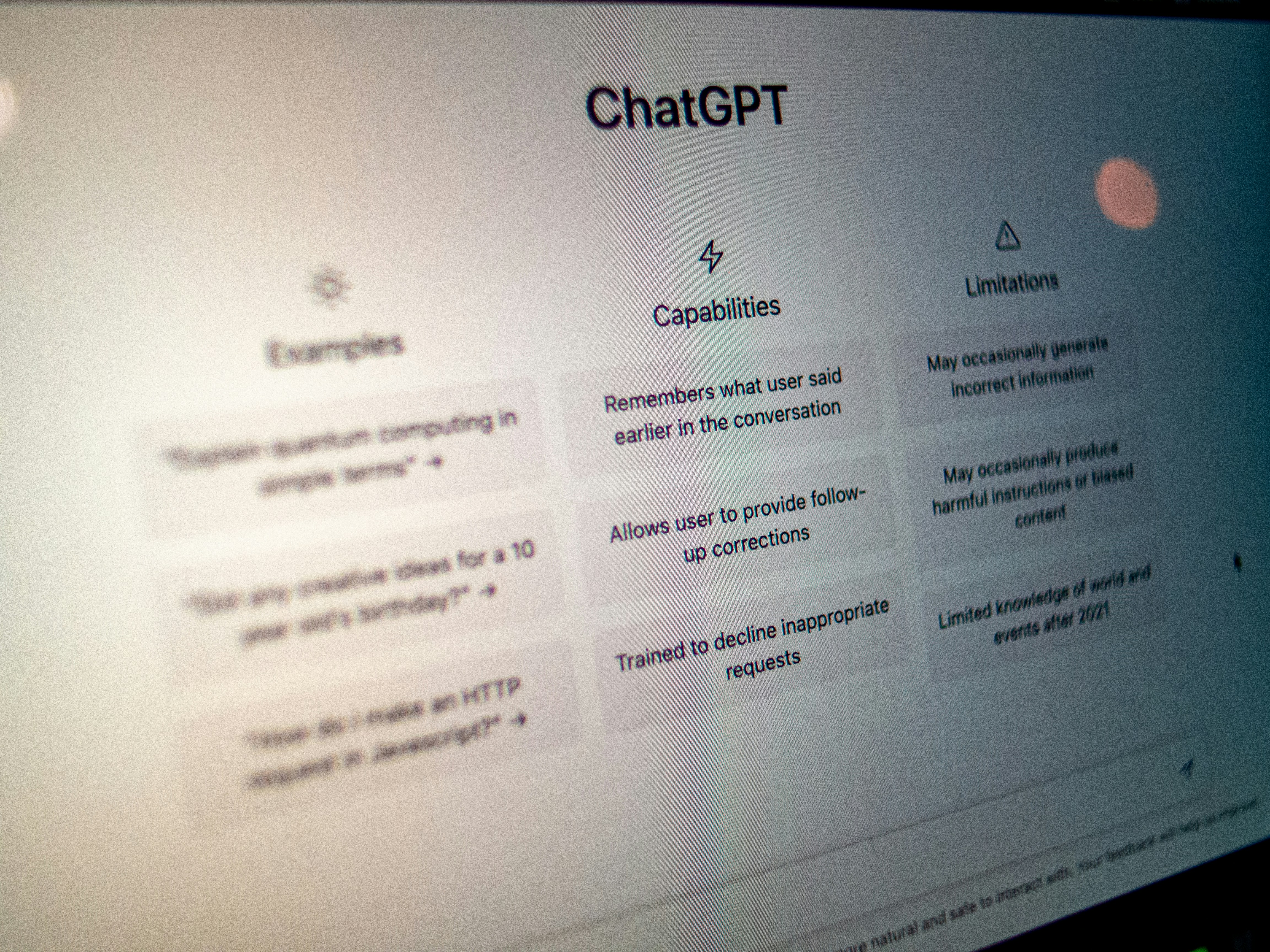
Introduction to ChatGPT
ChatGPT is an advanced language model developed by OpenAI that leverages machine learning to understand and generate human-like text. Its primary purpose is to assist users in a myriad of tasks, ranging from answering queries to generating coherent and contextually relevant content. By interpreting natural language, ChatGPT enables interactive and informative experiences, allowing users to engage with the model as they would with a human counterpart.
The capabilities of ChatGPT are extensive, making it a versatile tool across various domains. Users can rely on it for obtaining information on diverse topics, receiving guidance on complex subjects, or simply enjoying conversation. The model has been trained on a mixture of licensed data, created data, and publicly available texts, which helps it respond effectively to a wide array of inquiries.
One of the significant strengths of ChatGPT lies in its ability to generate content that is not only relevant but also engaging. It can assist writers in drafting articles, creating poetry, or even brainstorming ideas. This functionality is particularly beneficial for professionals in creative industries who seek inspiration or new perspectives. Furthermore, ChatGPT can be programmed to follow specific instructions, allowing for tailored responses that align with user preferences.
Despite its remarkable capabilities, it is crucial for users to understand the nuances of using ChatGPT. Misconceptions surrounding its functionalities can hinder effective utilization. The model is not merely a search engine; it functions as a conversational agent aimed at enhancing productivity and assisting with information retrieval in an intuitive manner. Recognizing its strengths and limitations is essential for maximizing the benefits of this innovative technology.
Understanding Natural Language Processing (NLP)
Natural Language Processing (NLP) is a critical component of artificial intelligence that allows machines to interpret, understand, and generate human language. ChatGPT, a popular AI language model developed by OpenAI, uses sophisticated NLP techniques to provide contextually relevant responses. At its core, NLP leverages algorithms and statistical methods to analyze and process language data, enabling the model to recognize patterns and derive meaning from text.
ChatGPT utilizes a transformer architecture that focuses on understanding the relationships between words in a sentence. This architecture helps the model discern not just individual words, but also the context in which they are used. By incorporating context, ChatGPT can generate human-like responses that reflect an understanding of nuances, tone, and intent behind the input it receives. This is particularly vital in conversations where meanings can shift dramatically based on surrounding words.
Moreover, the performance of ChatGPT heavily relies on the input it is given. Clear and well-structured prompts can enhance the model’s ability to produce accurate and relevant answers. Providing context and additional information can guide the model to generate more meaningful interactions. For example, using specific terms or asking detailed questions can significantly improve the relevancy of responses and reduce misunderstandings.
Understanding the basics of NLP not only enhances user experience but also illuminates the common misconceptions surrounding AI language models like ChatGPT. Users may expect the model to fetch factual data or perform specific tasks with perfect accuracy, overlooking the influence of context and nuance in language processing. Recognizing that ChatGPT operates based on patterns and probabilities rather than strict logic is crucial in utilizing it effectively.
Common Misuses of ChatGPT
As the capabilities of AI-powered language models such as ChatGPT grow increasingly sophisticated, so too do the ways in which they are misapplied. One notable misuse involves relying on ChatGPT for definitive answers to complex questions. Users may expect precise solutions to intricate problems or nuanced topics while overlooking the inherent limitations of AI. Unlike subject matter experts, ChatGPT lacks the ability to understand context or offer informed opinions, which can lead to misunderstandings, misinterpretations, and misinformation.
Another prevalent misuse stems from the use of vague or unclear prompts. Providing insufficient context or direction limits ChatGPT’s ability to generate relevant and accurate responses. When users fail to articulate their inquiries well, the output may diverge from their expectations. To maximize the effectiveness of ChatGPT, prompts should be specific, well-defined, and informative. This precision helps the model tailor its responses more accurately, avoiding misunderstandings that might arise from ambiguous queries.
A further example of misuse is the neglect of fact-checking results obtained from ChatGPT. While the model can generate remarkably coherent responses, it does not guarantee factual accuracy. Users might take its output at face value, thereby propagating inaccuracies without verification. This reliance on unverified information can contribute to the spread of misinformation, especially in areas such as health, finance, or current events where accurate information is crucial. Therefore, verifying the facts presented by ChatGPT is essential to ensure they align with credible sources.
Recognizing these common misuses of ChatGPT is vital in order to harness its full potential responsibly. Through careful prompt design, critical evaluation of outputs, and an understanding of the inherent limitations of AI, users can significantly improve their interactions with this powerful tool.
Setting Up Effective Prompts
One of the critical aspects of obtaining valuable outputs from ChatGPT lies in the art of crafting effective prompts. The prompt acts as a conduit through which users communicate their needs and expectations to the model. Careful consideration in designing prompts can significantly influence the relevance and quality of the responses generated. A well-structured prompt often entails clarity and specificity, allowing the AI to discern the request accurately.
For instance, consider the difference between a vague prompt like “Tell me about dogs” versus a more specific prompt such as “What are the primary differences between Labrador Retrievers and Golden Retrievers in terms of temperament and grooming needs?” The latter example directs ChatGPT to focus on particular breeds and relevant attributes, likely resulting in a more informative and useful response.
Moreover, prompts that include context tend to yield better results. Instead of simply asking, “Explain machine learning,” a more effective approach may be to structure the request as follows: “Explain the basic concepts of machine learning in a way that a 10-year-old can understand.” This added context not only indicates the intended audience but also tailors the complexity of the response. In addition to context, using bullet points or asking specific questions within the prompt can further refine the outputs received.
It is essential to strike a balance between providing enough detail to guide the AI and maintaining a level of openness that allows for creativity in the response generation. Users are encouraged to experiment with different formats and lengths of prompts to discover what works best for their specific needs. Overall, the precision of prompts directly correlates with the effectiveness of ChatGPT’s replies, underlining the importance of thoughtful communication in this innovative interaction.
Understanding the Limitations of ChatGPT
ChatGPT, while a powerful language model, possesses inherent limitations that users must understand to utilize it effectively. One significant limitation is its inability to access real-time data. Unlike search engines that can pull current information from the web, ChatGPT produces responses based on a fixed dataset, capped at October 2021. Thus, any developments, news, or changes occurring after this timestamp are not reflected in its outputs. This can lead to outdated or inaccurate information, especially in fast-evolving fields such as technology, science, and world events.
Another critical aspect to consider is the potential for biases in ChatGPT’s responses. The model has been trained on diverse datasets, which may contain various perspectives and biases. Consequently, this can lead to skewed interpretations or reinforce existing stereotypes, further contributing to misinformation. Users must approach the responses with a critical mindset, cross-referencing information with reliable sources to ensure its accuracy. Failure to do so can perpetuate false narratives or erroneous conclusions.
Moreover, ChatGPT lacks an understanding of complex concepts beyond its pre-existing knowledge. It generates language based on patterns rather than actual comprehension, which can result in superficial answers that miss the nuances of certain subjects. For instance, while it may craft a coherent explanation of a scientific principle, it cannot engage in a deeper analysis or provide insights that require true comprehension of the underlying complexities and contexts. This limitation can significantly hinder users seeking in-depth understanding or detailed knowledge.
In essence, recognizing these limitations is crucial in maximizing the utility of ChatGPT. Users should employ ChatGPT as a tool for generating ideas or drafting text while maintaining a degree of skepticism and validating the information independently, thereby mitigating the risks of misinformation.
The Role of User Feedback
User feedback plays a pivotal role in the development and refinement of artificial intelligence tools such as ChatGPT. As with any technology, understanding its limitations and capabilities is essential for users who wish to maximize its potential. By providing constructive feedback, users can highlight areas where the tool excels and, equally important, where it falls short. This process not only aids developers in systematically improving the system but also enhances the overall user experience.
Engagement through user feedback allows for a more iterative development process. When users identify issues or suggest enhancements, it contributes to a continuous learning loop for ChatGPT. For instance, if users consistently report the generation of inaccurate or biased responses in specific contexts, this information is invaluable to developers who aim to rectify those shortcomings. The collective insights from users effectively inform updates, making the tool smarter and more reliable.
Furthermore, understanding the flaws of ChatGPT is critical for effective interaction. Users must approach the AI with an awareness that, despite its advanced capabilities, it is not infallible. Recognizing its limitations can prevent miscommunications and unrealistic expectations, fostering a more fruitful interaction. Additionally, users are encouraged to be proactive in submitting feedback through designated channels or platforms. Doing so not only helps developers but also empowers users to be part of the solution, shaping the future of AI interaction.
Ultimately, the relationship between user feedback and AI improvement is symbiotic. As users articulate their experiences, suggesting corrections or enhancements, they actively participate in evolving ChatGPT. In this manner, user feedback is not merely a peripheral activity; it is a fundamental component in refining the tool and ensuring its success.
Best Practices for Using ChatGPT
When utilizing ChatGPT, effective engagement is key to obtaining the best results. To achieve this, it is essential to adopt a set of best practices that enhance the interactive dialogue between users and the AI. Start by clearly articulating your queries or prompts. Precise language facilitates better understanding by the model, allowing it to provide more accurate and relevant responses.
Additionally, users should leverage the conversational capabilities of ChatGPT. Engaging in an iterative dialogue aids in refining responses. If the initial output does not meet your expectations, consider asking follow-up questions or providing more context. For instance, rephrasing or expanding upon your original question can guide ChatGPT toward the specific information you seek.
Maintaining clarity in communication is another pivotal aspect. Avoid vague expressions or overly complex language, which may hinder the model’s ability to comprehend the intent behind your request. Direct inquiries yield clearer answers, so it is advisable to focus on one topic at a time rather than combining multiple questions into a single prompt.
Moreover, while ChatGPT provides valuable insights, users must remember that it operates based on patterns found in the data it was trained on. Therefore, it is prudent to integrate additional resources for validation. Cross-referencing the information retrieved from ChatGPT with credible sources can enhance the reliability of the insights gained.
In summary, by adopting these best practices—articulating requests clearly, engaging in interactive dialogue, ensuring clarity, and validating information—users can maximize the benefits derived from their interactions with ChatGPT. Following these strategies will contribute to a more productive and effective experience while utilizing AI technology.
Real-Life Scenarios of Misuse
As users increasingly explore the capabilities of ChatGPT, several real-life scenarios have emerged that illustrate the potential misuses and misunderstandings associated with this AI tool. These anecdotes underscore the importance of using ChatGPT thoughtfully and judiciously in various contexts.
One notable case involved a student who utilized ChatGPT to generate responses for an academic assignment. Expecting the AI to provide accurate and well-structured information for their research paper, the student copied text verbatim from the responses. Unfortunately, the generated content included factual inaccuracies and misrepresented sources. By failing to cross-verify the information or incorporate critical thinking, the student received a failing grade, highlighting the risks of over-reliance on AI without proper validation.
Another example comes from a professional context where a marketing team employed ChatGPT to draft an important email campaign. The team requested the AI to create a message that appealed to a specific target demographic. However, the AI generated content that was overly generic and failed to capture the brand’s voice. When teams do not fine-tune the prompts or provide sufficient context, the outputs can lead to messages that do not resonate with audiences, ultimately hindering business objectives.
A particularly concerning scenario occurred in a customer support setting, where a company utilized ChatGPT to respond to client inquiries. In certain instances, the AI misunderstood customer requests, leading to inappropriate responses that further frustrated users. This case exemplifies that while ChatGPT can assist in automating responses, it lacks the emotional intelligence required to handle sensitive or nuanced customer interactions. Such mishaps could be mitigated by human oversight and careful prompt engineering.
These examples demonstrate that while ChatGPT offers remarkable potential, users must approach it with a critical eye. By understanding its limitations and integrating thoughtful practices, individuals can leverage this technology more effectively, ensuring that it serves as a valuable asset rather than a source of miscommunication.
Conclusion: Maximizing the Benefits
In conclusion, to fully leverage the potential of ChatGPT, it is essential for users to approach the tool with a balanced and informed mindset. The misconceptions surrounding its capabilities often lead to underutilization or misapplication of this advanced technology. Understanding its strengths and limitations is critical in maximizing the benefits ChatGPT offers in various contexts.
Firstly, acknowledging that ChatGPT is not infallible is vital. Users should be aware that while the tool can generate remarkably coherent and contextually relevant text, it does not possess true comprehension or awareness. This distinction is key in ensuring that the information provided is critically evaluated and verified. Secondly, harnessing the collaborative aspect of ChatGPT can enhance user experience. By using it as a brainstorming partner or content editor, rather than solely as a final output generator, individuals can tap into its creative potential more effectively.
Furthermore, users are encouraged to experiment with different prompts and queries to discover the most effective ways to interact with ChatGPT. This iterative process allows for the refinement of output quality, making the interactions more tailored and productive. By actively engaging with the tool and being open to learning from its responses, users will cultivate a more productive and rewarding utilization of this innovative technology.
Ultimately, rethinking our approach to using ChatGPT can lead to a more gratifying and efficient experience. By recognizing its role as a tool for enhancement rather than a replacement for critical thinking and creativity, users can maximize the benefits of this remarkable resource in multiple applications, from content creation to ideation and beyond.