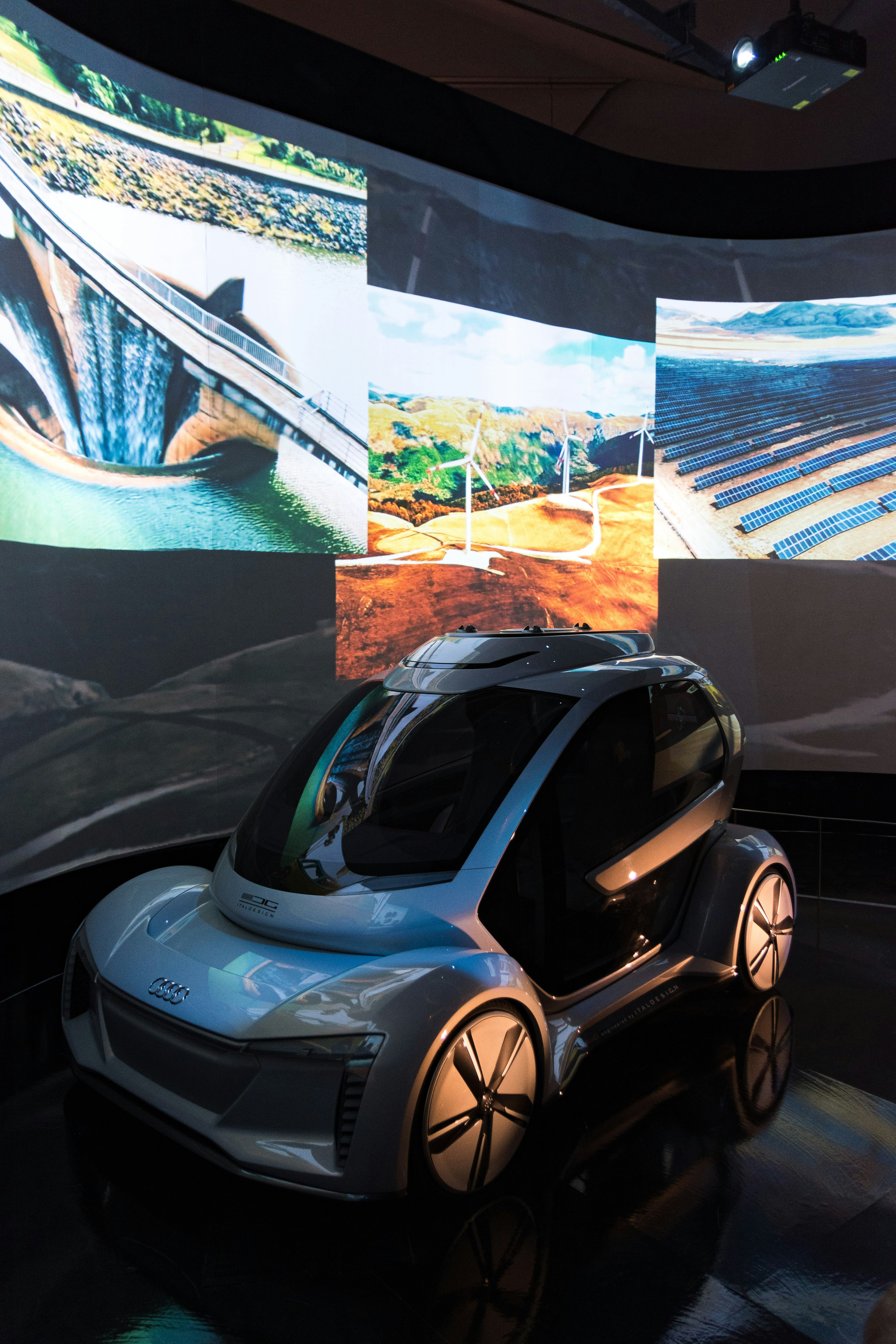
The Future of Driving
In the rapidly evolving technological landscape, the notion of driving in the year 2150 poses intriguing questions about the role of biological humans in transportation. Over the past few decades, advancements in automation and artificial intelligence (AI) have transformed how people perceive and engage with vehicles. The trajectory towards automated driving has introduced a paradigm shift, significantly reshaping our traditional expectations of personal mobility.
As we look ahead, it is clear that the integration of AI into vehicles is set to revolutionize the driving experience. Automation technologies, such as vehicle-to-everything (V2X) communication and advanced driver-assistance systems (ADAS), are laying the groundwork for a future dominated by self-driving cars. These systems promise not only to enhance safety by minimizing human error but also to optimize traffic flow and reduce congestion on public roads.
The shift towards automation raises critical issues concerning the role of human drivers. Will biological humans remain in control of vehicles as they have for over a century, or will we witness a complete transition to automated systems? The societal implications are substantial, from legal responsibilities and insurance dynamics to employment opportunities in driving professions. Furthermore, this evolution could challenge the very essence of driving as a skill and personal freedom.
As we embark on this exploration of future driving practices, it is essential to consider various factors, including technological advancements, regulatory frameworks, and public acceptance. Each of these elements will play a pivotal role in determining whether biological humans will still be permitted to drive vehicles on public roads in 2150. The interplay between technology and society will ultimately dictate the future of driving and mobility.
The Evolution of Vehicle Technology
As we progress towards the year 2150, the evolution of vehicle technology has significantly transformed the landscape of transportation. Over the decades, advancements have shifted our reliance from traditional manual driving to highly sophisticated systems that prioritize efficiency and safety. The integration of autonomous driving technology has emerged as a pivotal aspect of this transition. Vehicles equipped with artificial intelligence are now capable of interpreting vast amounts of data gathered through sensors and cameras, allowing them to respond to dynamic road conditions with unparalleled precision.
Furthermore, the implementation of smart roads has played a critical role in enhancing traffic management and safety. These roads are integrated with sensors and communication devices that relay real-time information to both vehicles and transport management systems. This connectivity enables adaptive traffic signals, leading to reduced congestion and shorter travel times. As a result, both drivers and autonomous systems can make informed decisions based on the current traffic situation, significantly reducing the likelihood of accidents.
In addition to smart infrastructure, vehicle-to-vehicle (V2V) communication has emerged as a vital feature that enables vehicles to exchange information seamlessly. This technology allows cars to communicate their speed, direction, and potential hazards to one another, enhancing situational awareness on the road. The ability to anticipate and react to other vehicles creates a safer driving environment, even as the proportion of autonomous vehicles continues to rise.
Overall, the integration of these groundbreaking technologies is reshaping the concept of driving. With autonomous vehicles equipped with advanced safety features and smart roads that facilitate better traffic flow, the future of transportation looks promising. The constant evolution of vehicle technology raises essential questions about the role of biological humans in driving. As efficiency and safety become paramount, the necessity of human drivers may diminish in scenarios with fully realized vehicle autonomy.
The evolution of technology is poised to significantly impact the future of transportation, particularly in regard to the role of biological humans in operating vehicles on public roads. By 2150, it is likely that government regulations and policies will be established to address various challenges associated with human-operated vehicles. These regulations will likely center around safety, liability, and environmental concerns, ensuring that the operation of vehicles contributes to overarching societal goals.
One major area of focus will be safety. As autonomous vehicles (AVs) become more prevalent, regulations may limit or redefine the circumstances under which biological humans can drive. Given the advanced capabilities of AVs to minimize accidents, laws may be implemented to prioritize these vehicles on public roads, thus affecting human drivers’ access. Consequently, maintaining the safety of all road users will drive regulatory decisions, and human-operated vehicles may face stricter safety certifications.
Liability concerns will also shape regulations related to biological drivers. As technology evolves, determining fault in the event of an accident could become increasingly complex, particularly when AVs are involved. Laws may evolve to delineate the responsibilities of drivers and vehicle manufacturers, leading to amendments in insurance requirements and coverage. Biological drivers could face increased liability in scenarios where human error contributes to accidents, necessitating clear guidelines for accountability.
Environmental considerations will likely reflect the growing urgency to combat climate change. Regulations could incentivize the adoption of eco-friendly driving practices or mandate the use of low-emission vehicles by biological humans. Furthermore, with public transportation systems becoming more integrated with advanced technologies, regulations could facilitate a transition to a more sustainable transport ecosystem, which may affect the regulations surrounding human-operated vehicles.
Public Sentiment Towards Autonomous Vehicles
The advent of autonomous vehicles has sparked a dynamic conversation among the public regarding the future of transportation. While many readers are intrigued by the advances in technology, a significant portion of society harbors skepticism and anxiety about relinquishing control over vehicular operation. This sentiment can be attributed to various factors, including trust, fear, and overall acceptability of autonomous systems compared to traditional, human-driven vehicles.
One of the predominant concerns is trust. Individuals often question the reliability and safety of self-driving technology. Despite advancements in artificial intelligence and machine learning algorithms, many people find it difficult to believe that a non-human entity can navigate the complexities of real-world driving. The fear of malfunctions or unforeseen circumstances, such as accidents caused by system errors or a lack of real-time decision-making capabilities, further exacerbates these concerns. Trust, therefore, emerges as a crucial barrier to the widespread acceptance of autonomous vehicles.
Furthermore, the emotional attachment to driving is another factor influencing public sentiment. For many, the driving experience transcends mere transportation; it is part of personal freedom and identity. The prospect of being replaced by a machine may evoke feelings of anxiety and loss of agency among those who cherish the thrill and independence of manual driving. This emotional aspect complicates the transition towards accepting autonomous vehicles.
Lastly, social acceptance plays a vital role in shaping public attitudes. There appears to be a generational divide, with younger populations exhibiting greater acceptance of technology and its capabilities, while older individuals often remain skeptical about moving towards a fully automated driving environment. As perceptions evolve, policy development, public education initiatives, and ongoing dialogue about safety and technology will be essential in determining whether biological humans will continue to be seen as fit to drive in the year 2150.
The Role of AI in Driving Decisions
As we advance toward 2150, the integration of artificial intelligence (AI) into vehicular technology is expected to transform driving decisions significantly. AI systems are anticipated to manage a myriad of driving challenges, offering dynamic, real-time adjustments that enhance safety and efficiency. These systems analyze data from various sensors, making instantaneous decisions based on complex algorithms that consider numerous factors, including traffic patterns, weather conditions, and potential hazards.
The reliance on AI in driving decisions raises an important question: does this dependence diminish the necessity for human intervention and driving capabilities? As AI becomes increasingly sophisticated, the expectation is that vehicles will be capable of autonomously navigating diverse environments with limited input required from human drivers. This shift toward automation could potentially lead to a resurgence of questions surrounding public safety, liability, and the role of human drivers on public roads.
Moreover, it is essential to consider how the evolving relationship between AI and human drivers could affect skill retention among the general population. With the rising availability of fully autonomous vehicles, the opportunity for individuals to learn and practice driving may decline, ultimately impacting their proficiency and confidence behind the wheel. In contrast, proponents of AI-driven vehicles argue that automation will alleviate human error, which is responsible for a significant proportion of traffic accidents, leading to safer roads overall.
In conclusion, as we explore the potential future landscape of driving in 2150, the role of AI in driving decisions appears poised to increase, possibly reducing the need for human drivers. However, as society navigates these advancements, balancing the benefits of AI automation with the necessity of human oversight will be vital to ensure the safety and accessibility of public roads.
The ethical considerations surrounding driving laws for biological humans in 2150 are complex and warrant an in-depth exploration. As advancements in technology continue to evolve, the feasibility of autonomous vehicles raises important questions about human autonomy and the moral implications of allowing humans to operate vehicles. At the heart of this discussion is the distinction between human error and the reliability of machine-driven decisions.
Human operators inherently come with a significant degree of unpredictability and susceptibility to error, whether due to fatigue, distraction, or impaired judgment. These elements contribute to a considerable portion of road accidents, leading to the argument that the presence of biological humans behind the wheel poses an inherent risk to public safety. However, it is essential to consider autonomy. Many argue that humans have the right to make choices, including the decision to drive, even in the face of potential error. This perspective underscores the importance of personal freedom and individual responsibility, suggesting that prohibiting human drivers could infringe upon a fundamental aspect of human rights.
Moreover, the moral responsibility associated with driving decisions complicates the discourse further. While autonomous systems can analyze vast amounts of data to make decisions, their lack of human judgment raises questions about accountability. In scenarios where a decision must be made that could harm individuals, the question arises: who is held responsible? Is it the manufacturer of the autonomous technology, the owner of the vehicle, or society at large? This challenge highlights the distinction between human drivers, who can be held personally accountable for their actions, and machines, which can only follow programmed directives.
As we ponder the future regulations of driving, the balance between promoting safety through technological innovation and upholding individual autonomy remains a pivotal issue that must be navigated carefully.
Alternative Modes of Transportation
The exploration of alternative modes of transportation is growing increasingly vital as society anticipates significant changes in mobility by the year 2150. As technologies continue to evolve, the reliance on biological human drivers may diminish due to various innovative solutions. One prominent alternative is the enhancement of public transportation systems, which are being redesigned to become more efficient, sustainable, and user-friendly. Governments around the world are investing in smart transit networks, incorporating real-time data analytics to optimize schedules and routes, thereby reducing congestion and ensuring that commuters can rely on timely and seamless transit options.
Alongside public transportation, the development of communal autonomous vehicles (CAVs) is becoming a revolutionary concept that could reshape how people think about travel. These vehicles are designed to operate without human intervention, using advanced algorithms and sensor technologies to navigate urban environments safely. As CAVs become more integrated into daily life, they could provide an affordable and convenient alternative for individuals who may otherwise rely on personal vehicles. The collective use of these vehicular systems promotes shared mobility and can significantly decrease the overall number of cars on the road, leading to lower emissions and reduced traffic congestion.
Another exciting innovation on the horizon is the advent of personal drones for transportation. These flying devices promise to alleviate ground traffic complications significantly. Equipped with cutting-edge technology, personal drones can transport individuals directly to their destinations, circumventing traditional bottlenecks and making travel quicker and more efficient. Research and development in this area are focused on improving safety measures, increasing battery life, and reducing noise pollution, which could pave the way for widespread adoption by the population.
In summary, the future of transportation is poised to expand beyond traditional driving, driven by innovations in public transportation, communal autonomous vehicles, and personal drones. These alternatives could not only make traveling easier but also contribute to a more sustainable, connected, and efficient urban landscape, potentially reducing the need for human drivers altogether.
Case Studies: Cities That Have Banned Human Driving
As cities around the world grapple with traffic congestion and safety concerns, several have enacted bans on human driving to promote a more efficient and secure transportation system. One notable example is the city of Amsterdam, Netherlands, which has significantly reduced the number of human-operated vehicles in its urban area. By promoting an extensive network of cycling lanes and implementing strict regulations on motor vehicles, the city encourages sustainable transport modes. This transformation has not only decreased traffic-related injuries but has also enhanced the quality of urban life.
Another significant case is the city of Los Santos in San Andreas, a large-scale fictional setting where the government has introduced autonomous vehicle-only zones. The experiment focuses on the integration of driverless technology, allowing only self-driving cars to operate in designated areas. Early outcomes indicate a reduction in accidents and smoother traffic flow, highlighting the potential benefits of removing human drivers from the equation. Furthermore, this initiative has stimulated local economies through increased tourism and investment in new technologies.
In terms of social implications, cities such as Helsinki, Finland, have seen changes in public perception regarding personal vehicle ownership. The city successfully implemented policies that discourage private driving in favor of a robust public transportation network combined with shared autonomous vehicles. The results have been promising, with significant decreases in environmental footprints and improved public transport satisfaction ratings. Additionally, these approaches highlight the benefits of collaborative urban planning, where the focus shifts from individual car ownership to shared mobility.
Logistically, the transition to bans on human driving necessitates comprehensive infrastructure modifications. Cities must invest in intelligent transportation systems and ensure that roads can accommodate both autonomous vehicles and cyclists effectively. As these cities continue to evolve and attempt to balance human and technological interactions within urban settings, their experiences provide valuable insights for shaping future policies regarding human driving and transportation systems.
Conclusion: The Future of Driving as We Know It
As we reflect on the advancements in transportation technology, it is clear that the future of driving is poised for monumental changes. The intersection of AI, automation, and transportation systems indicates a trajectory toward a more technologically driven environment. Already, we see early implementations of autonomous vehicles capable of navigating urban landscapes, suggesting that by 2150, these vehicles could dominate public roads.
Key points regarding the evolution of driving reveal a move towards reducing human error, enhancing safety, and optimizing traffic flow. With autonomous vehicles, the emphasis on reducing traffic accidents—often caused by human oversight—could significantly change the landscape of public transportation. Moreover, as technology continues to advance, we may witness increased integration of smart infrastructure—such as traffic signals communicating with cars—to create a seamless driving experience.
However, amid these advancements lies the question of whether biological humans will still occupy the driver’s seat in 2150. It appears likely that while fully autonomous vehicles could reduce the need for human drivers, there could remain niches where biological humans will be valued, perhaps in areas requiring complex decision-making, empathy, and nuanced judgment that cannot be adequately supplanted by machines.
In essence, the future might allow for a coexistence of biological drivers and automated vehicles. As regulations evolve to accommodate this hybrid landscape, the emphasis on transportation ethics and public safety will become foundational elements in determining the feasibility of having human operators on the roads of 2150. Overall, the paradigm of driving as we know it may transform significantly, but it is plausible that a place remains for biological humans amidst technological advancement.