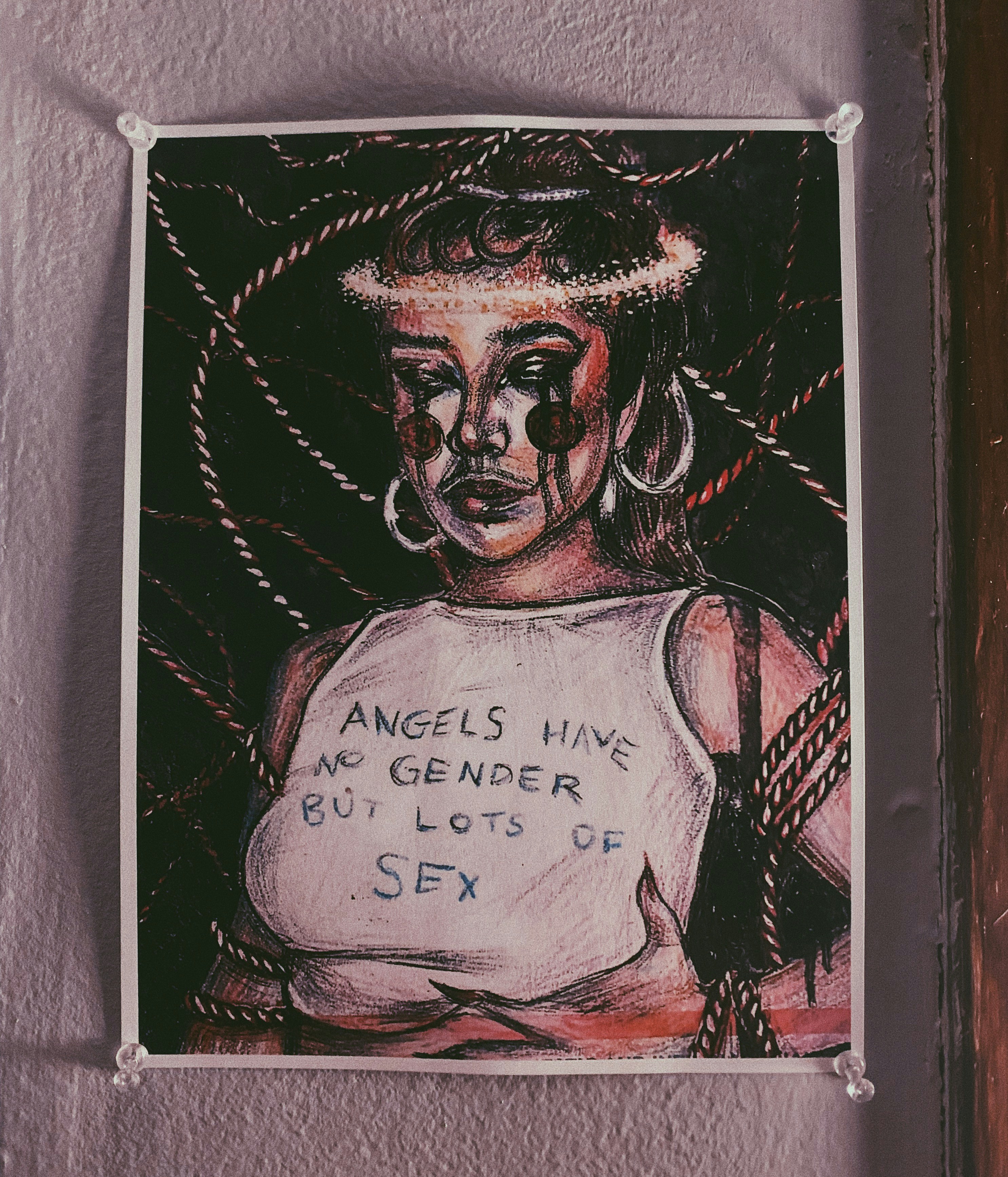
Introduction: Defining Post-Humanism and Gender
Post-humanism signifies a philosophical and cultural shift, moving away from traditional human-centric thinking toward a perspective that recognizes the implications of technology, biology, and societal changes on the human condition. In this evolving landscape, the concept of being post-human involves transcending the limitations of current human understanding, and it challenges established norms, including those surrounding gender. As post-humanism becomes increasingly relevant, it raises pivotal questions concerning the persistence of gender identity in a future where the definitions of humanity may radically transform.
To appreciate the intersection of post-humanism and gender, it is essential to examine the two by contrasting common perceptions of gender as a binary construct against the theoretical paradigms put forth by post-humanist thought. Traditionally, gender has been understood through biological determinism, which associates specific physical traits with male or female classifications. However, contemporary discussions reveal that gender is largely a social construct, shaped by cultural contexts, societal roles, and individual identities. This complexity suggests that gender is not merely a function of biology but also an expression of personal and societal narratives.
As society progresses toward a post-human era characterized by advancements in biotechnology, artificial intelligence, and a questioning of self-identity, the delineation of gender may undergo significant transformation. Post-humanist approaches allow for an exploration of fluidity in gender identity—advocating for a reevaluation of how gender is perceived and experienced. This invites an expansive view of gender, encompassing a spectrum rather than a binary framework, which may lead to new understandings and experiences that defy traditional classifications.
The Evolution of Gender Concepts Through History
Gender as a social construct has undergone significant transformations throughout history, shaped by various cultural, philosophical, and political influences. In ancient civilizations, gender roles were often strictly defined, with clear distinctions between the roles and responsibilities of men and women. For instance, in many agrarian societies, men typically engaged in physical labor while women were responsible for managing the household and child-rearing. This division reflected not only biological differences but also the economic necessities of the time.
As societies evolved, so too did the complexities surrounding gender identity. The advent of philosophical thought during the Greco-Roman period prompted more nuanced discussions about the nature of gender. Influential thinkers began to question the binary classification of male and female, suggesting that gender could be understood along a spectrum. During the Middle Ages, gender concepts were largely influenced by religious doctrines, which often reinforced traditional roles but also introduced the idea of gender as a divine order.
The Enlightenment era marked a significant turning point in the understanding of gender. Intellectual movements fostered ideas of individualism and personal agency, contributing to the early feminist movements of the 19th and 20th centuries. Activists advocated for the rights of women and challenged the status quo of gender roles, encouraging a view of gender that included more diverse identities. Cultural shifts introduced the recognition of non-binary and queer identities, further complicating the historical binary view.
In contemporary society, gender is understood not merely in terms of biological sex but also as a fluid and evolving concept influenced by social contexts. The rise of LGBTQ+ rights movements has propelled discussions around gender identity into the forefront of social justice, emphasizing that gender should be seen as a personal and sociocultural expression rather than a rigid classification. As we move forward, the understanding of gender will likely continue to evolve, reflecting an increasingly inclusive perspective that recognizes the complexity and diversity of human identities.
The Impact of Technology on Human Identity
In contemporary society, the rapid advancement of technology profoundly influences the concept of human identity, particularly in relation to gender. As we usher in an era dominated by artificial intelligence, genetic engineering, and digital representation, the boundaries that define human identity—including gender identities—are becoming increasingly fluid.
Genetic engineering has made significant strides, allowing for alterations that can fundamentally change an individual’s biological makeup. This capability raises critical questions regarding the traditional definitions of male and female. As individuals may choose to modify their genetic traits or select from a range of characteristics, the implications for gender identity are profound. The ability to alter one’s genetic patterns means that gender, traditionally viewed as a binary construct, could transition into a spectrum, where individuals may redefine their identities beyond conventional norms.
Alongside genetic modifications, the rise of artificial intelligence raises questions about the nature of consciousness and identity. Advanced AI systems have begun to mimic human behaviors and interactions convincingly. This resemblance generates a paradox where digital personas, or avatars, might also possess characteristics commonly associated with gender. In virtual environments, individuals can enact fluid gender expressions, leading to the possibility that human identity could increasingly transcend biological limitations. As avatars can be programmed with varying gender traits, the definitions of identity and gender encountered in real life may be replicated and experimented with in digital spaces, contributing to a more inclusive understanding of identity.
The interplay of these technologies suggests that the concept of gender is less about biological determinism and more about personal and social choice. As we contemplate the future of humanity, the transformation driven by technological innovations may lead to a world where gender identities can be redefined, prompting society to reconsider what it means to be human in a post-human context.
Post-Human Bodies: Biology Versus Augmentation
The concept of post-humanism encourages a reevaluation of what it means to be human, particularly in the context of biological distinctions such as gender. As advancements in technology enable unprecedented biological alterations and enhancements, the traditional definitions of gender may undergo significant transformations. Post-human bodies could potentially transcend the limitations of current biological frameworks, inviting a more complex understanding of identity.
One of the most significant aspects of post-humanism is the potential for augmentation—this involves not only physical enhancements but also cognitive enhancements that could redefine human experiences and perceptions of self. In this realm, the physical body could evolve to include cybernetic components, genetic modifications, or even completely synthetic bodies that may or may not retain any semblance of biological sex. With such innovations, the binary notions of gender grounded in biological sex become increasingly challenged.
Moreover, as post-human beings integrate advanced technologies, concepts of identity may shift from rigid categorizations to more fluid and adaptable frameworks. Rather than being strictly defined by anatomical characteristics, individuals may express their identities in ways that reflect a spectrum of experiences and self-conceptions. This fluidity could result in a societal landscape where gender roles are no longer dictated by biological determinants but are instead shaped by individual choice and identity expression.
In light of these developments, the question arises: do we maintain the traditional concepts of male and female, or do we adopt a more inclusive understanding of gender? As we move towards an era of possible post-human existence, we may find that our notions of identity, including gender distinctions, will evolve alongside our biological capabilities. Thus, post-humanism may not merely challenge our current understanding of biology and gender but could also enrich our appreciation of identity’s diverse expressions.
Gender Identity and Expression in a Post-Human World
In a post-human context, the constructs surrounding gender identity and expression are poised for significant transformation. As humanity increasingly integrates advanced technologies and embraces biological enhancements, the traditional binary understanding of gender—male and female—may evolve into a more nuanced and expansive spectrum of identities. This potential shift invites a critical examination of how we define and express gender in an era where human attributes can be modified or transcended.
The advent of technologies such as genetic engineering, artificial intelligence, and virtual reality may allow individuals to experience and manifest gender in ways that were previously unimaginable. Individuals might select or synthesize attributes related to their identity, resulting in personalized expressions that challenge conventional categorizations. For example, the ability to alter one’s physical form or consciousness could lead to fluidity in gender expression, fostering identities that fluctuate based on individual choice rather than societal expectations.
Furthermore, the notion of gender may become increasingly interdisciplinary, intersecting with concepts of self-care, identity politics, and social roles. The diversity of identities—beyond male and female—could reflect a broader societal acceptance of various gender expressions, including non-binary, genderqueer, or even entirely new identities that align with the values and experiences of post-humanity.
This exploration raises pivotal questions about the implications of a post-human existence on interpersonal relationships and social structures. How will societal institutions, such as family, government, and workplaces, adapt to accommodate this evolving notion of gender? Understanding gender identity and expression in a post-human world will require an openness to redefine existing norms, allowing for an inclusive society where every identity is acknowledged and valued.
The Role of Artificial Intelligence and Digital Life Forms
As technology progresses, the rise of Artificial Intelligence (AI) and digital life forms prompts critical questions about gender identity in the digital realm. Traditionally, gender has been a strictly biological concept categorized within the human experience. However, with the advent of AI designed to simulate aspects of human behavior, the lines defining gender identity are increasingly blurred. AI entities, unlike their biological counterparts, do not inherently possess physical characteristics that could dictate gender. Nevertheless, as entities crafted to interact with humans, they may display characteristics that align with gender roles or identities.
The implications of AI and digital life forms possessing gender or gender-like classifications could significantly shape societal perceptions of gender. For instance, chatbots and virtual assistants are often assigned female or male voices and personas, reflecting traditional gender stereotypes. This assignment raises questions about the influence of these attributes on human behavior and societal norms. If a digital entity is designed to align with specific gender norms, does it then acquire a form of gender identity?
Moreover, as digital beings evolve through machine learning, they might develop preferences and personalities that can resemble human attributes, including gender identities. This possibility opens up debates regarding the rights of digital entities. Should they be afforded gender recognition, and if so, how would society categorize them? These inquiries challenge existing frameworks of gender identity, encouraging a reassessment of what it means to have a gender in a world increasingly populated by digital life forms.
Ultimately, the intersection of AI, digital life forms, and gender identity presents a complex landscape for contemplation. The way we perceive gender may fundamentally transform as these entities become more integrated into our lives, influencing human perspectives on gender and identity at large.
Ethical Considerations and Social Implications
The advent of post-humanism prompts significant ethical considerations regarding gender identity and expression. As technology continues to evolve, so too does the understanding and acceptance of gender as a fluid construct. In a future that potentially transcends human limitations, societies might face profound dilemmas about the recognition and equality of various gender identities, particularly in relation to post-humans.
One primary ethical concern revolves around the potential marginalization of certain gender identities. As post-humans may possess enhanced cognitive and physical abilities, there exists a risk that traditional human constructs, including gender, could be undervalued or disregarded altogether. This political and social dynamic poses critical questions regarding rights and representation. How will societies ensure that all gender identities, including those of post-humans, are recognized and respected? As deliberations unfold about the future of gender, it is essential to prioritize inclusivity.
Another dimension to consider is the potential for inequality arising from differing abilities and identities. The intersection of technological enhancement and diverse gender expressions may inadvertently create hierarchies that prioritize certain identities over others, thus challenging notions of equality. As discussions about post-human existence lead to new forms of social stratification, it becomes imperative to evaluate the implications on gender equity within these frameworks. Resources, services, and representation must be systematically assessed to ensure no group is left at a disadvantage.
Ultimately, navigating the ethical waters of gender in a post-human future requires a robust dialogue encompassing diverse perspectives. This discourse must thoughtfully consider the profound questions of identity, rights, and recognition within evolving societal constructs, factoring in both human and post-human experiences.
Cultural Perspectives: Global Views on Gender and Humanity
The exploration of gender in a post-human context necessitates an examination of diverse cultural perspectives, as beliefs about gender are deeply ingrained in societal norms and values. Various cultures throughout history have understood gender not merely as a binary concept but as a spectrum influenced by social, spiritual, and biological factors. For instance, many indigenous cultures, such as the Two-Spirit identity recognized by several Native American tribes, challenge conventional Western notions of gender by encompassing a blend of masculine and feminine traits, illustrating that gender is often viewed through a multifaceted lens.
As technology advances and humanity progresses towards a post-human future, the understanding and adaptability of gender may be further influenced by these developments. In societies where gender roles are strictly defined, the advent of genetically engineered beings or artificial intelligences could provoke significant ideological discussions. In such scenarios, how genders are constructed, perceived, and expressed might experience radical transformations. Certain cultures may embrace these changes and view them as an opportunity for greater fluidity, while others may resist or cling to traditional views.
The rapid pace of technological advancement raises significant questions about identity and existence. Cultures that prioritize technological integration may redefine gender roles more readily, seeing the potential for a broader classification of identities. Additionally, the rise of global interconnectedness means that cultural exchanges will play a pivotal role in reshaping concepts of gender. These exchanges may lead to hybrid cultural expressions that incorporate and reconcile different views of gender within a post-human society.
Ultimately, as we contemplate what it means to be human (or post-human), recognizing the cultural diversity in perceptions of gender will be crucial. These varied perspectives will not only shape societal norms but may also influence legal frameworks and policy-making in a world where the definitions of humanity undergo profound transformations.
Conclusion: The Future of Gender in a Post-Human Society
As we contemplate the evolution of gender in a potential post-human society, it becomes evident that the concept of gender may undergo significant transformation. The integration of advanced technologies, including genetic engineering and artificial intelligence, challenges traditional understandings of gender. The possibility of a genderless society emerges as a radical yet increasingly plausible scenario, where biological distinctions no longer dictate identity or societal roles.
Fluid identities could become the norm, allowing individuals to express themselves beyond binary classifications. This shift may foster an environment where self-identification takes precedence, promoting a more inclusive society that embraces a spectrum of gender identities. Such a transformation would not only enhance personal freedom but also encourage acceptance of diverse experiences and perspectives.
Conversely, the adoption of a more fluid concept of gender may invoke criticism and skepticism. Concerns regarding the erosion of biological identity and the implications for social structures are legitimate. Skeptics may argue that a move towards a genderless paradigm could dilute the significance of gender in historical and cultural contexts. Nevertheless, the expansion of gender definitions may lead to a richer tapestry of human experience, ultimately enhancing both individual and collective identity.
In summary, the future of gender in a post-human society presents a landscape filled with both opportunities and challenges. The balance between embracing diversity and preserving meaningful identities will shape how society navigates this complex terrain. As we advance into an era defined by rapid technological evolution, it is critical to remain open to various interpretations of gender, recognizing that the journey towards understanding and acceptance is ongoing.