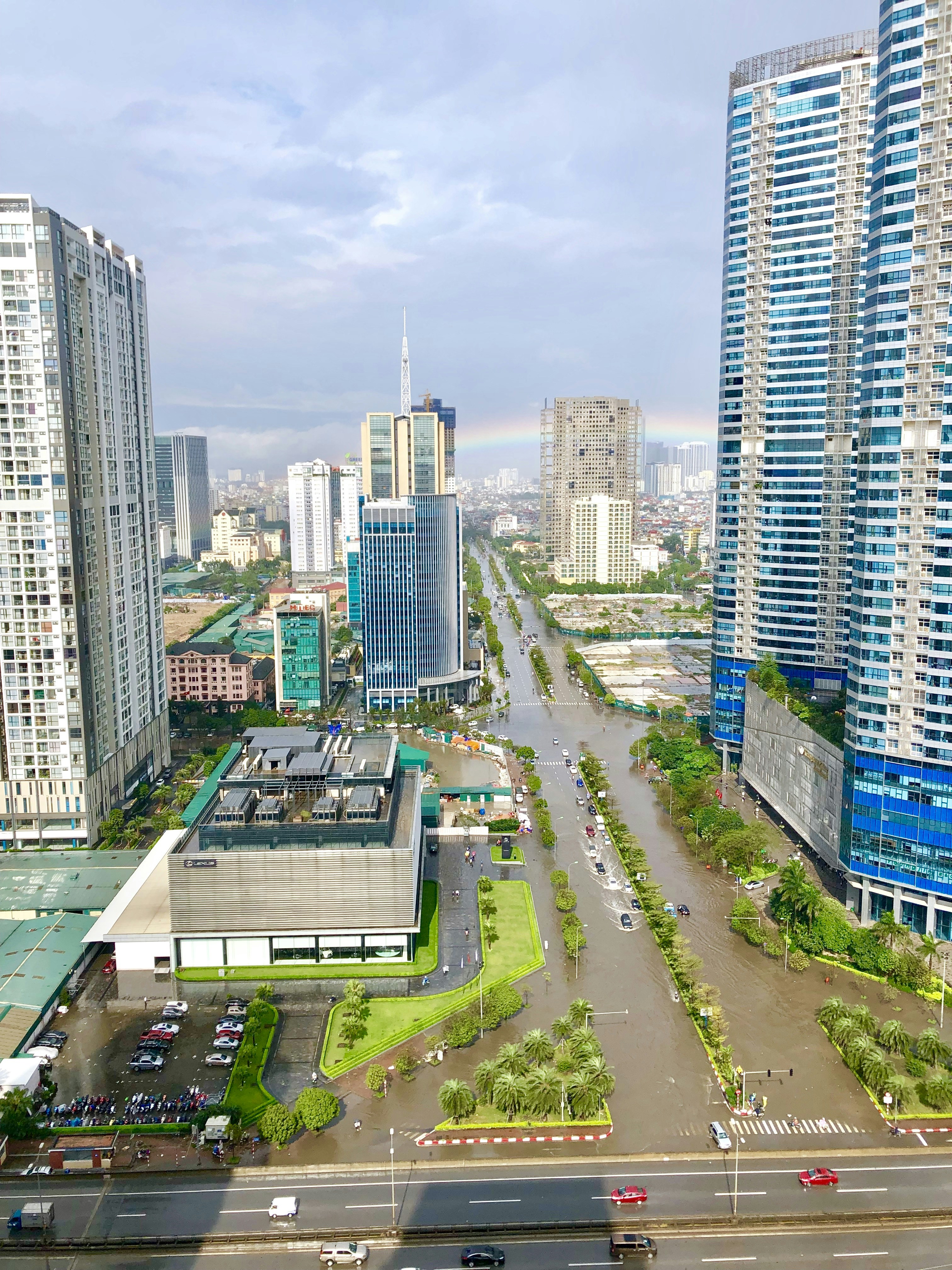
Introduction to Mumbai’s Flooding Challenges
Mumbai, one of the largest cities in India, is significantly vulnerable to flooding, particularly during the monsoon season. The city’s geographical location, situated on the western coast of India and characterized by its coastal topography, makes it prone to the impacts of heavy rainfall and rising sea levels. The recurring flooding challenges in Mumbai are not merely a result of seasonal rains but are exacerbated by various climatic factors, including changing weather patterns and urbanization.
Climate change has increasingly played a critical role in altering rainfall patterns, leading to extreme weather events that challenge urban infrastructure and livelihoods. Over the years, various monsoon seasons have brought unprecedented rainfall, overwhelming the drainage system and leading to severe flooding in several districts. Buildings, roads, and public services often become incapacitated, causing disruptions to daily life. The inability of the urban ecosystem to absorb and manage such rainfall further intensifies the flooding situation.
Moreover, rapid urbanization in Mumbai has resulted in the significant removal of natural land cover, contributing to increased runoff during heavy rains. The construction of concrete structures has replaced many green spaces, diminishing the city’s natural ability to manage rainfall sustainably. This scenario leads to more prolonged and severe flooding, translating into economic and societal challenges that affect a large portion of the population.
In examining Mumbai’s flooding challenges, it becomes evident that a multifaceted approach is needed to understand these dynamics. Climate change mitigation strategies, urban planning reforms, and community-level resilience programs are essential to address the intricate nexus between urban life and flooding in Mumbai. Recognizing and addressing these flooding challenges is vital for the city’s future, especially as global climate change continues to pose threats to urban areas worldwide.
Cultural Context: Mumbai’s Resilience and Adaptation
Mumbai, a city characterized by its dense population and rich cultural tapestry, demonstrates remarkable resilience in the face of myriad challenges, including severe flooding exacerbated by climate change. The city’s response to such disasters can be understood through the lens of its cultural identity, which plays a crucial role in shaping community resilience and adaptation strategies.
The people of Mumbai have developed a variety of local practices that embody their adaptability. Community networks, often rooted in shared cultural and spiritual beliefs, foster a collective identity that empowers residents during times of crisis. When floods strike, these networks facilitate rapid information sharing and resource distribution, as neighbors rally together to support one another. This communal spirit is deeply embedded in the city’s ethos, reinforcing the notion that resilience is not merely an individual pursuit but a collective responsibility.
Moreover, stories of survival and hope are integral to Mumbai’s cultural narrative. Folklore and oral histories capture the experiences of those who have endured previous floods and disasters, effectively passing down lessons learned through generations. These narratives reinforce resilience in the face of adversity, serving as a source of inspiration and guidance for communities confronting the ever-increasing threat of climate change.
Religious and cultural ceremonies also play a significant role in coping with floods. By incorporating rituals that center on gratitude, restoration, and community support, residents reconnect with their cultural roots while fostering a sense of solidarity. These practices exemplify how cultural identity shapes the way people recover from disasters. As Mumbai continues to face environmental challenges, the intersection of cultural identity and community resilience will be critical in informing effective adaptation strategies, ultimately ensuring that the city not only survives but thrives amidst adversity.
The Role of Urban Planning: Lessons from the Past
Urban planning in Mumbai has historically been reactive, often addressing immediate concerns rather than incorporating long-term climatic strategies. Flooding events in the city, particularly during the monsoon season, have highlighted significant deficiencies in infrastructure and emergency response systems. These experiences have led planners to re-evaluate existing strategies and to draw vital lessons from historical flood management practices.
In the early 20th century, Mumbai’s urban growth was characterized by inadequate drainage systems and unchecked construction, which exacerbated flood risks. Major flooding incidents, such as those in 2005 and 2017, demonstrated the city’s vulnerability and prompted a shift towards more sustainable urban development. The 2005 floods were particularly pivotal; they resulted in extensive damage and loss of life, serving as a stark warning of the impending impacts of climate change exacerbating the city’s existing challenges.
In contemporary urban planning efforts, there is a noticeable shift towards adaptive management practices. Current strategies include the incorporation of green infrastructure, such as creating permeable surfaces and expanding green spaces, which helps absorb rainwater and reduce runoff. Additionally, advancements in technology, including data-driven flood modeling and real-time monitoring systems, have improved response preparedness and mitigation efforts.
Collaboration between governmental bodies, non-profit organizations, and local communities has become essential in fostering resilient urban planning. Engaging with citizens to understand their experiences and insights further enriches the development of robust flood management strategies. By learning from past mistakes and integrating innovative approaches, Mumbai is working towards a more secure and sustainable urban future, ultimately aimed at minimizing the risks associated with climate change and urban flooding.
Impact on Communities: Social and Economic Aspects
The devastating flooding in Mumbai, exacerbated by climate change, has significant social and economic repercussions on various communities within the city. Many neighborhoods, particularly those in low-lying areas, have been severely affected, leading to a large-scale displacement of residents. For these populations, displacement often results in the loss of homes, which strips them of not just shelter but also their sense of community and belonging. Rebuilding lives after such disasters can take years, with obstacles such as economic instability and inadequate access to resources further compounding the challenges.
In terms of livelihoods, countless individuals have seen their incomes disrupted. Many earn their living through informal sectors, such as street vending and local markets, which become unviable during and after severe flooding. As businesses suffer, families may struggle to afford basic necessities, leading to heightened food insecurity. Furthermore, the flooding can halt educational progress for children, compelling families to prioritize immediate survival over long-term educational goals.
The flooding also reveals stark inequities within the urban landscape of Mumbai. Communities that are marginalized often bear the brunt of environmental disasters due to factors such as inadequate infrastructure, lack of access to essential services, and limited government support. These vulnerabilities not only affect their immediate response to flooding but also hinder their ability to recover post-disaster, thereby entrenching cycles of poverty and disenfranchisement. As climate change continues to influence weather patterns and intensity, understanding these social and economic impacts is critical for fostering resilience in Mumbai’s most affected communities.
Indigenous Knowledge Systems: A Resource for Climate Adaptation
Amidst the ongoing challenges posed by climate change, indigenous knowledge systems play a crucial role in fostering climate resilience, particularly in metropolitan areas like Mumbai. These systems comprise traditional practices, beliefs, and experiences passed down through generations, providing a repository of insights that can be instrumental in addressing environmental challenges such as flooding, drought, and extreme weather. The ecological wisdom embedded in these practices is derived from a deep understanding of the local environment and its cycles, offering innovative solutions to adapt to climate variability.
In Mumbai, many communities have historically utilized indigenous methods such as crop rotation, rainwater harvesting, and the cultivation of native plant species. Such practices enhance the sustainability of livelihoods, ensuring that local populations are better equipped to withstand climatic shocks. Furthermore, these systems enable communities to engage in ecological stewardship, thereby helping to preserve biodiversity and restore degraded ecosystems. For instance, the integration of traditional knowledge in watershed management not only addresses flood risks but also contributes to improved water quality and recharges groundwater systems.
Moreover, the resilience cultivated through indigenous knowledge is often complemented by a strong sense of community. Collaborative efforts among residents to share knowledge about weather patterns and environmental changes can lead to enhanced preparedness and adaptive capacity. By recognizing and valuing the contributions of indigenous practices, urban planners and policymakers can foster more inclusive responses to climate change. This holistic approach emphasizes the importance of engaging local communities in decision-making processes, which ultimately leads to more effective and culturally relevant strategies for climate adaptation.
Government Response and Policy Frameworks
The government response to flooding in Mumbai has evolved significantly, particularly in light of increasing climate change impacts. Various policies have been implemented to tackle the challenges posed by severe weather patterns and to enhance the city’s resilience. Key among these strategies is the comprehensive flood management plan that aims to reduce the risks associated with heavy rainfall and rising sea levels.
In recent years, the state government has introduced initiatives focused on improving drainage systems, constructing flood barriers, and restoring natural waterways. The integration of these physical infrastructures aims to mitigate the effects of urban flooding significantly. For example, projects have been initiated to desilt existing drains and expand their capacity, which are critical in managing stormwater runoff. Additionally, the Mumbai Coastal Road Project includes considerations for enhancing coastal defenses against flooding.
Another essential component of the government response is the promotion of public awareness campaigns aimed at educating residents on flood preparedness and response strategies. These initiatives are critical in ensuring that the community is aware of the risks associated with flooding, particularly as climate variability increases the frequency of extreme weather events. Engaging the public in discussions about flood response enhances community resilience and promotes collective action. Furthermore, local governments are encouraged to incorporate community feedback into their policy frameworks, which helps in tailoring responses to the unique needs of various neighborhoods.
Despite these efforts, challenges remain in the execution and coordination among different levels of government. Ensuring that these policies translate into effective action on the ground is crucial for their success in combating the worsening flood situation in Mumbai, which is increasingly affected by the realities of climate change.
The Role of NGOs and Grassroots Movements
In the face of escalating climate change-related challenges, non-governmental organizations (NGOs) and grassroots movements play an indispensable role in enhancing community resilience, particularly in urban areas prone to flooding, such as Mumbai. These entities operate at the local level, effectively mobilizing resources, knowledge, and community involvement that are essential for disaster risk reduction and preparedness. Their grassroots efforts allow them to address unique local needs by fostering collaboration among community members, government agencies, and other stakeholders.
One notable initiative is “Aapla Ghar”, which focuses on creating flood-resistant housing in vulnerable communities. By employing local materials and traditional architectural techniques, this project not only mitigates flood risks but also strengthens local economies and fosters pride in cultural heritage. Similarly, organizations like “Goonj” provide the necessary social infrastructure, mobilizing volunteers to distribute relief materials and educational resources during flood crises, thereby reinforcing communal ties and enhancing social support networks.
Grassroots movements also serve as a platform for awareness and advocacy regarding climate change. Initiatives such as community workshops aim to educate residents about sustainable practices and disaster preparedness, while advocating for policy changes that prioritize environmental resilience. These movements have been instrumental in facilitating participatory governance, enabling communities to voice their concerns and influence decision-making processes related to urban planning and flood management.
The integration of scientific knowledge with local knowledge is crucial in empowering vulnerable populations. Collaborations between NGOs, academic institutions, and local communities have led to the development of early warning systems and flood modeling tools, increasing public awareness and preparedness. Such collaborative efforts not only enhance immediate responses to flooding but also build long-term resilience against future climate impacts, illustrating the vital role of NGOs and grassroots movements in navigating the challenges posed by climate change.
Future Perspectives: Climate Resilience and Sustainability in Mumbai
The impacts of climate change pose significant challenges for major urban centers worldwide, and Mumbai is no exception. As the city’s population continues to grow, urban resilience becomes a critical focus to safeguard its inhabitants and infrastructure against future climatic events, including flooding. To address these challenges, the implementation of sustainable urban development strategies is essential. Such strategies should encompass a comprehensive approach involving infrastructure enhancement, community engagement, and environmental stewardship.
One of the key strategies for enhancing climate resilience in Mumbai involves integrating green infrastructure into urban planning. This includes expanding parks, green roofs, and urban forests, which can help absorb excess rainfall, reduce heat islands, and improve air quality. Furthermore, the adoption of sustainable drainage systems can mitigate flooding risks by managing stormwater effectively and reducing runoff.
In addition to green infrastructure, innovative technologies play a pivotal role in supporting adaptive capacities within the city. Leveraging smart technology, such as real-time weather monitoring systems and advanced flood prediction models, can empower authorities to respond more effectively during extreme weather events. Data-driven decision-making tools can enable city planners to identify vulnerable areas and prioritize interventions that minimize risk.
Moreover, community engagement and awareness are vital for fostering climate resilience. By educating residents on sustainable practices, such as proper waste management and water conservation, communities can take proactive steps toward enhancing their adaptive capacity. Grassroots initiatives often lead to innovative solutions tailored to local contexts, effectively addressing climate challenges at the neighborhood level.
Ultimately, the path toward a climate-resilient Mumbai will require a multifaceted approach, intertwining sustainable technological innovation and community collaboration. Through these concerted efforts, the city can not only navigate the challenges posed by climate change but also seize the opportunities for a more sustainable future.
Conclusion: Building a Sustainable Future Amidst Challenges
In an era characterized by climate change, cities like Mumbai face significant environmental challenges, particularly concerning flooding. The discussion throughout this blog post has underscored the necessity of adopting a holistic and culturally sensitive approach to flood management. The Mumbai floods serve as a compelling reminder of the repercussions of climate change and the urgent need for effective strategies to mitigate their impact.
A key insight from our exploration is that effective flood management in Mumbai must consider the unique local context, including cultural attitudes and societal norms. This understanding fosters a deeper engagement with communities, enabling them to participate actively in developing solutions that are not only sustainable but also relevant to their specific circumstances. This cultural responsiveness can enhance both the implementation and acceptance of flood management strategies.
Moreover, collaborative action is crucial. By bringing together government agencies, NGOs, and local communities, diverse perspectives and expertise can combine to create a more resilient framework against the inevitability of flooding exacerbated by climate change. These partnerships can facilitate sharing of resources, knowledge, and skills, which are vital in navigating the complexities of urban environmental management.
Ultimately, fostering sustainability in Mumbai requires a commitment to continuous learning and adaptation. Policymakers must prioritize long-term ecological health over short-term gains, ensuring that the strategies developed are maintainable and beneficial to future generations. Only through this integrated and community-focused approach can we hope to build a sustainable future that not only addresses the immediate challenges posed by flooding but also aligns with broader goals of climate resilience and environmental stewardship.