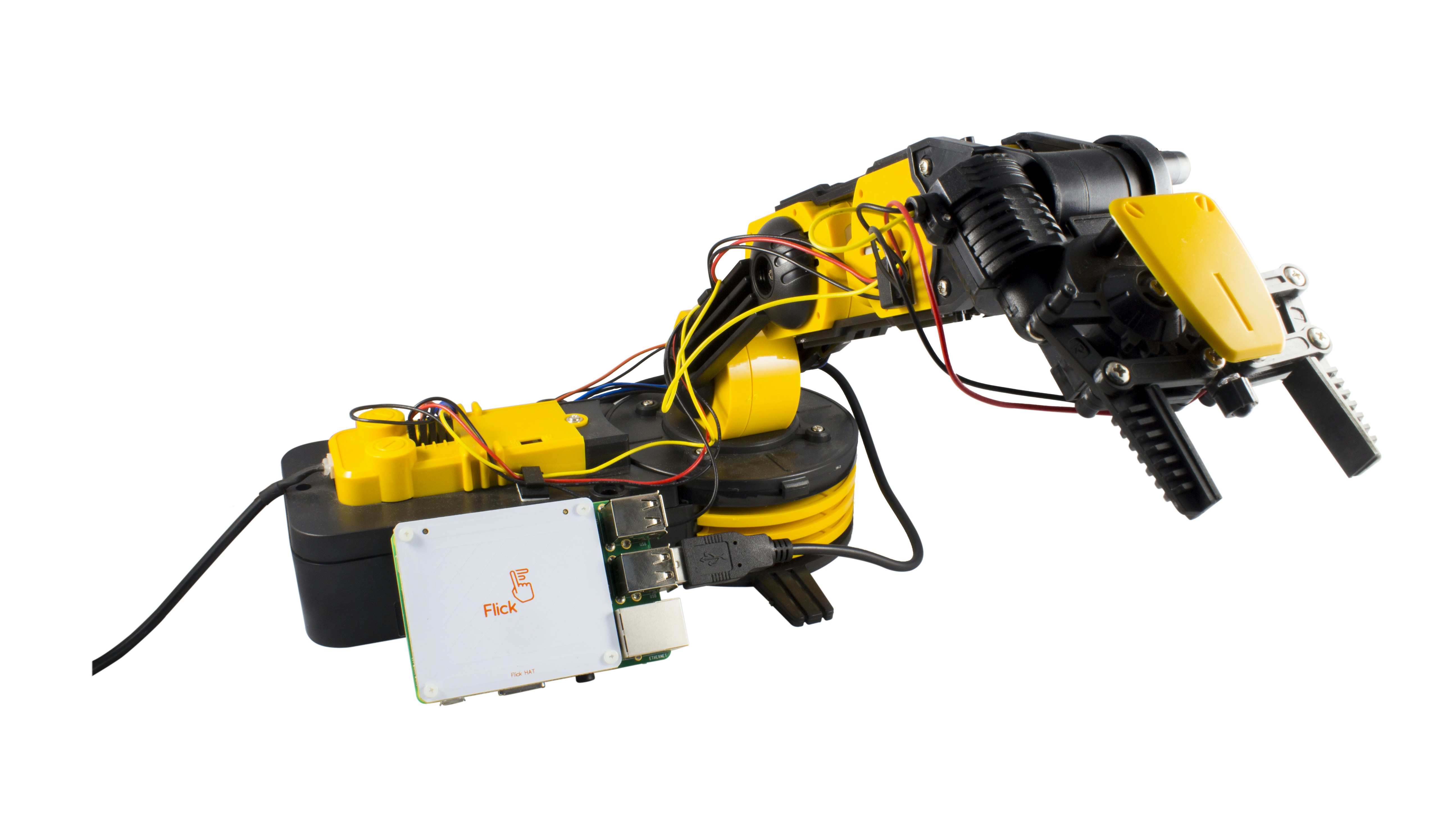
Introduction to Proprioception
Proprioception is a critical sense that enables organisms to perceive the position and movement of their own bodies. It is an intrinsic ability that informs individuals about the orientation of their body parts without needing to rely on visual cues. This sense arises from a complex interplay of sensory receptors located in muscles, tendons, and joints, collectively known as proprioceptors. These receptors transmit information to the central nervous system, allowing for precise control and coordination of motion.
In humans, proprioception plays a fundamental role in daily activities such as walking, reaching, and balancing. The integration of proprioceptive feedback with visual and vestibular information facilitates the refinement of motor skills. This contributes significantly to athletic performance and overall physical agility. Without proprioception, coordinating movements would become incredibly challenging, leading to a diminished ability to perform tasks that require fine motor skills.
The concept of proprioception extends beyond biological organisms and finds vital applications in robotics. In robotic arms, the incorporation of proprioceptive sensors mimics the human ability to sense internal state and movements. By utilizing encoders and force sensors, robots can obtain real-time feedback regarding their joint positions and the forces they exert. This capability is pivotal for executing precise movements and adapting to dynamic environments. Such proprioceptive advantages empower robotic systems to carry out complex tasks ranging from assembly line work to intricate surgical procedures.
Understanding proprioception, both in humans and robots, reveals the profound significance of this sense in enhancing coordination and control. As robotics progresses, drawing parallels with biological proprioception not only fosters innovation but also offers insights into the development of more sophisticated robotic systems that can operate with heightened dexterity and responsiveness.
The Role of Proprioception in Robotics
Proprioception, often referred to as the “sixth sense,” is crucial for the effective operation of robotic arms. It enables these machines to understand their position, motion, and orientation in space without external reference points. This internal sensing mechanism mimics the biological proprioception found in humans and animals, which allows for smooth and coordinated movement. In robotics, proprioception plays a significant role in enhancing the performance of robotic arms, making them more capable of executing complex tasks.
One of the primary applications of proprioception in robotic arms is in feedback mechanisms. Proprioceptive sensors, such as accelerometers and gyroscopes, provide continuous data on the robotic arm’s joint angles and movement. This information is essential as it allows the robotic system to adjust its actions in real-time, responding to external forces and maintaining stability. The use of proprioceptive feedback enhances the arm’s ability to perform delicate tasks with precision, such as assembling components or handling fragile materials.
Moreover, proprioception contributes significantly to the overall accuracy of robotic tasks. By accurately sensing its own position and movement, a robotic arm can minimize errors during operation. This is particularly important in fields such as surgery or manufacturing, where precise movements are critical. The integration of advanced proprioceptive capabilities has led to the development of robotic arms that can learn from experience, adapting their movements based on prior performance. This learning process further enhances the efficacy of robotic arms, allowing them to operate autonomously while achieving high levels of accuracy and reliability.
Components of Proprioception in Robotic Systems
Proprioception in robotic arms refers to the ability of these machines to sense their position and movement within space. This sensory capability is crucial for performing precise tasks, and it is made possible by several key components. Among the most significant are sensors, feedback loops, and algorithms designed to interpret sensory data effectively.
Sensors play a pivotal role in the proprioceptive abilities of robotic systems. Gyroscopes and accelerometers are commonly used in robotic arms to measure orientation and acceleration. Gyroscopes help in assessing the rotational movement, while accelerometers provide information about linear acceleration. Together, these sensors allow robotic arms to maintain balance and navigate accurately in their operational environment, ensuring that they can execute complex movements without misalignment.
Another integral component is the feedback loop, a critical aspect of control systems in robotics. Feedback loops enable robotic arms to receive real-time data regarding their position and state, facilitating continuous adjustments during motion. This dynamic exchange of information between the sensors and the arm’s control system allows for enhanced maneuverability and responsiveness, which is vital for tasks that require a high degree of precision.
Moreover, sophisticated algorithms are employed to process the collected sensory data. These algorithms analyze information from the sensors and feedback loops to establish a coherent understanding of the arm’s posture and trajectory. By utilizing advanced computational methods, such as machine learning and artificial intelligence, robotic arms can improve their proprioceptive capabilities over time, adapting to new tasks and environments. This synergistic integration of sensors, feedback mechanisms, and processing algorithms creates a robust framework for proprioception in robotic systems, allowing them to operate with a degree of autonomy and precision that mimics human movements.
Types of Sensors Used for Proprioception
Robotic arms utilize a variety of sensors to achieve proprioceptive capability, enabling them to detect their own position, movement, and orientation within space. The selection of appropriate sensors is crucial for enabling accurate feedback and ensuring the effective performance of robotic tasks. This section explores the main types of sensors that contribute to proprioception in robotic arms.
One prominent type of sensor is the angular position sensor, which determines the angle of rotation of joints in the robotic arm. Common examples include rotary potentiometers and encoders, both of which provide real-time data about joint angles. This information is vital for allowing the robotic arm to maintain precise control over its movements.
Another essential category of sensors is the inertial measurement unit (IMU). IMUs typically consist of accelerometers and gyroscopes that measure linear acceleration and angular velocity, respectively. By processing this information, the robotic arm can ascertain its current orientation and changes in motion, essential for maintaining balance and stability during operation.
Force and torque sensors also play a significant role in proprioception. These sensors enable the robotic arm to measure the forces acting upon it, providing valuable data that helps in adjusting its grip and ensuring safe interactions with objects and environments. This feedback allows for adaptability, especially in tasks requiring delicate manipulation.
Lastly, magnetic encoders can also be implemented, offering additional angles of measurement by utilizing magnetic fields to detect positional changes accurately. Such sensors contribute further to the overall proprioceptive capabilities of the robotic arm, enhancing its ability to function autonomously in complex tasks.
How Proprioception Enhances Robotic Functionality
Proprioception, the body’s ability to perceive its own position and movement in space, is essential in creating advanced robotic arms that mimic human capabilities. This sensory feedback is crucial for enhancing balance and coordination, which allows robotic arms to operate effectively in dynamic environments. By incorporating proprioceptive sensors, robotic systems can improve their response times and accuracy when performing tasks, ultimately leading to more natural movements.
One significant advantage of proprioception in robotics is its impact on balance control. With enhanced proprioceptive feedback, robotic arms can adjust their posture to maintain equilibrium during operations, especially when encountering external forces. This capability reduces the risk of slips or falls, thereby ensuring that the arm can perform its tasks with stability and reliability, even in unpredictable situations.
Furthermore, proprioception fosters adaptability, enabling robotic arms to seamlessly adjust to varying tasks. Rather than being limited to pre-programmed movements, these arms can sense changes in their environment and modify their actions accordingly. For instance, if a robotic arm is tasked with picking up an object of different shapes or weights, proprioceptive sensors help it determine the necessary grip strength and angle for successful manipulation. This adaptability leads to improved performance across diverse applications, from industrial manufacturing to personal assistance.
Overall, integrating proprioception into robotic arms significantly enhances their functionality. With improved balance, coordination, and task adaptability, these robots become more efficient and capable of complex operations. The progress in proprioceptive technology not only extends the range of tasks that robotic arms can perform but also enhances their overall effectiveness in real-world scenarios.
Challenges in Implementing Proprioception in Robotics
The integration of proprioception into robotic arms presents several technical and practical challenges that must be addressed for the successful development of advanced robotic systems. One of the primary challenges lies in sensor limitations. Traditional sensors often fall short in accurately capturing proprioceptive feedback, which is crucial for enabling robots to understand their own position and movement within space. Innovations in sensor technology, including the utilization of flexible and miniature sensors, are ongoing to overcome these limitations; however, widespread adaptation remains a challenge.
Computational complexities pose another significant hurdle in implementing effective proprioceptive capabilities in robotics. The data acquired from proprioceptive sensors must be processed in real-time to allow for responsive adjustments during robotic operation. This requires sophisticated algorithms and computational power, which can be resource-intensive. The need for real-time processing adds a layer of difficulty, particularly in terms of power consumption and the overall system’s responsiveness.
External disturbances also play a crucial role in the challenges faced by robotics in achieving proprioception. Factors such as unpredictable environmental conditions, payload variations, and interaction with external forces can significantly affect the reliability of proprioceptive feedback. As robots increasingly operate in dynamic environments, ensuring their ability to maintain proprioceptive awareness amidst such disturbances becomes essential. The robotics field is actively exploring techniques for enhancing robustness against these disturbances, yet this remains an ongoing area of research.
Furthermore, the integration of proprioception with existing control systems can complicate design and implementation processes. Developers must ensure seamless communication between proprioceptive inputs and the robotic control mechanisms, which can be technically challenging. As robotic systems strive for greater autonomy and precision, addressing these proprioceptive challenges is crucial for the advancement of robotics as a reliable and effective tool across various applications.
Current Innovations and Developments
In recent years, the field of robotic arms has witnessed significant advancements, particularly in enhancing proprioception, a critical capability that allows robots to understand their body position and movement in space. One of the most notable innovations is the integration of artificial intelligence (AI) and machine learning algorithms that enable robotic systems to learn from their environment and improve their dexterity and precision over time. These technologies allow robotic arms to adapt to varying task conditions, enhancing their proprioceptive abilities through experience-based learning.
Additionally, new sensor technologies have emerged, facilitating enhanced feedback mechanisms that contribute to better proprioception in robotic arms. For example, advanced tactile sensors and force sensors have been developed to mimic the sensory feedback mechanisms found in human limbs. These sensors provide real-time data about the arm’s interactions with its surroundings, which is crucial for tasks requiring a delicate touch or specific positioning.
Research is also focusing on the development of bio-inspired systems that attempt to replicate the human neuromuscular framework for improved proprioceptive feedback. Biomechanical modeling combined with soft robotics is paving the way for more flexible and adaptive robotic arms, capable of sensing their spatial awareness similarly to human limbs. This approach not only enhances proprioceptive feedback but also improves the overall functionality and application range of robotic systems.
Furthermore, the convergence of robotics with Internet of Things (IoT) technology is enhancing communication among multiple robotic arms, resulting in collective proprioceptive capabilities. By sharing sensory data, these robotic systems can achieve more coordinated movements and complete complex tasks more efficiently.
As research continues and these innovations evolve, the prospect of integrating advanced proprioception in robotic arms becomes more viable, paving the way for sophisticated applications in various fields, including manufacturing, healthcare, and service industries.
Case Studies of Proprioceptive Robotic Arms
Robotic arms with proprioceptive capabilities have advanced significantly in recent years, providing solutions to a range of industry challenges. One notable case study is the use of proprioceptive robotic arms in automotive manufacturing. The ability to sense joint positions and forces allows these robots to adapt their movements, improving precision during assembly processes. For instance, a leading automotive manufacturer integrated a proprioceptive robotic arm into their production line, resulting in a 30% increase in assembly speed and a 25% reduction in errors, demonstrating the efficiency gained through proprioception.
Another substantial application can be observed in the field of medicine, particularly in surgical robotics. Proprioceptive robotic arms are utilized for minimally invasive procedures, where the ability to accurately sense the position and orientation of instruments is critical. A prominent case involves a proprioceptive robotic surgical assistant that enhanced the surgeon’s capabilities during delicate operations. This system provided real-time feedback on tool positioning, allowing surgeons to perform intricate procedures with greater safety and efficacy, ultimately leading to shorter recovery times for patients.
Moreover, the implementation of proprioceptive robotic arms in agriculture has transformed farming practices. For example, a farm utilized these robots for precision planting and harvesting. By incorporating proprioceptive feedback, the robotic arms could adjust their actions based on soil conditions and crop maturity, resulting in a noticeable increase in crop yield and a reduction in waste. The adaptability afforded by proprioception has thus proven invaluable in optimizing agricultural efficiency.
These case studies exemplify the profound impact of proprioceptive technology in robotic arms, showcasing how the integration of sensory feedback can lead to enhanced performance in diverse sectors such as manufacturing, medicine, and agriculture. As research and development in this field continue, the potential for further advancements remains promising, paving the way for more innovative applications in the future.
Future Implications of Proprioception in Robotics
The future of proprioception in robotic arms promises significant advancements that could revolutionize various fields. As research continues to identify more sophisticated sensors and algorithms, the integration of proprioceptive feedback will likely enhance the precision and dexterity of robotic systems. Such improvements may enable robotic arms to perform complex tasks with greater efficiency and reliability, thereby expanding their application in everyday settings.
One potential direction for the evolution of proprioception in robotics is within the healthcare sector. Imagine robotic arms equipped with advanced proprioceptive capabilities being used in surgical procedures. These robots could provide tactile feedback and seamless interaction with tissues, allowing for higher accuracy in minimally invasive surgeries. Furthermore, this technology could advance rehabilitation robotics, where devices replicate natural movement patterns to assist patients recovering from injuries, ultimately improving patient outcomes.
Additionally, the manufacturing industry stands to benefit from enhanced proprioception in robotic applications. As manufacturing processes become increasingly automated, robots with proprioceptive feedback can adapt to unpredictable variables, such as material inconsistencies or sudden changes in task parameters. This adaptability will lead to more resilient production lines, minimize downtime, and increase overall productivity.
The implications of proprioception extend into the realm of artificial intelligence as well. Collaborations between AI and robotics may yield systems capable of learning from their proprioceptive experiences, fine-tuning their movements with every operation. This self-improvement process may lead to the emergence of fully autonomous robots that can function effectively in dynamic environments, such as construction sites, agricultural settings, or hazardous areas where human intervention is limited.
In conclusion, as proprioceptive technology matures, its integration into robotic arms could dramatically reshape industries, enhance automation capabilities, and improve human-robot interaction. The future of robotics, powered by proprioceptive feedback, appears to be one marked by increased precision, adaptability, and functionality, providing vast opportunities for innovation and development.