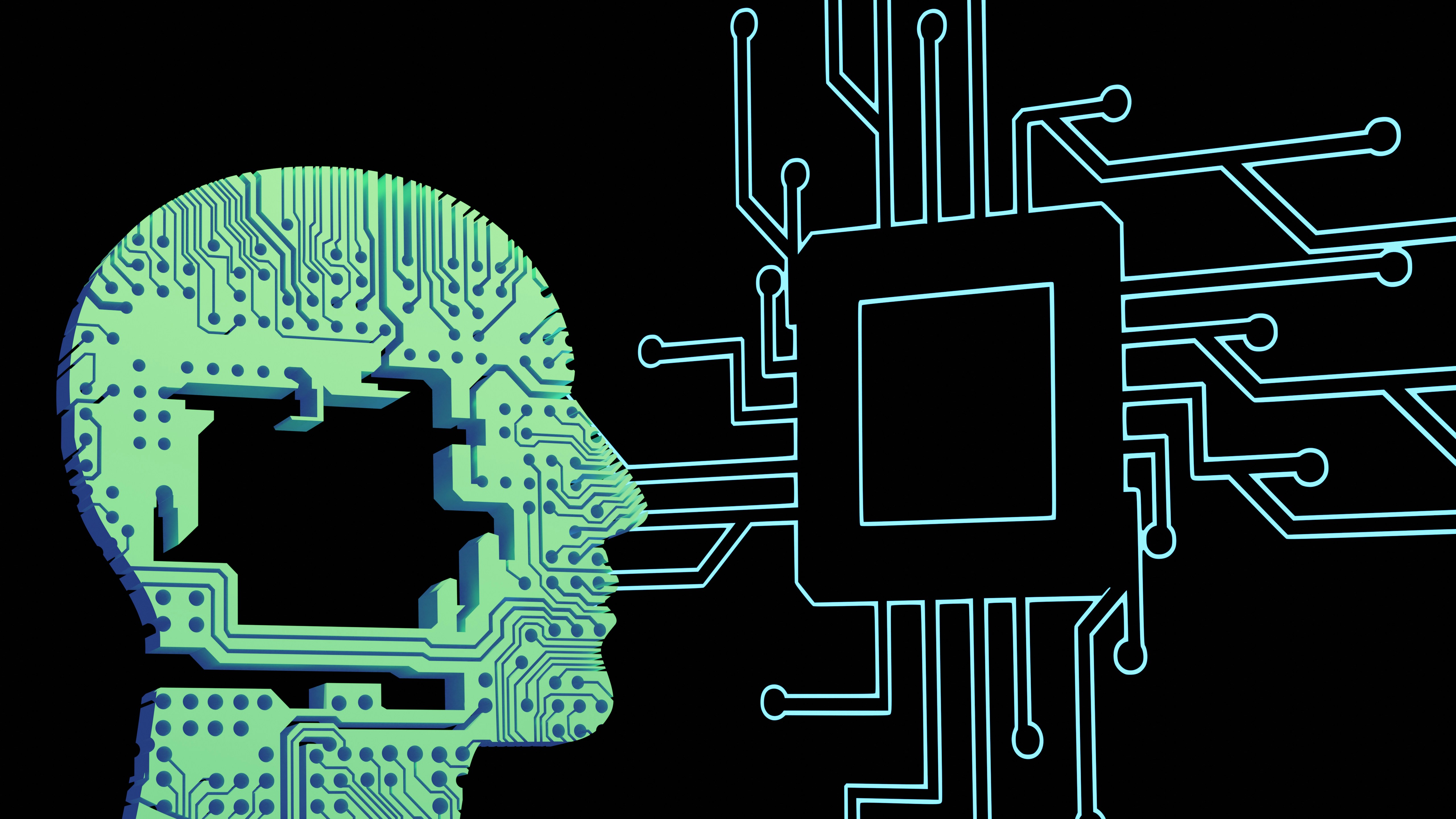
Introduction to Wetware Computing
Wetware computing represents a revolutionary approach that integrates biological systems with computational processes. This innovative field derives its name from the concept of “wetware,” which refers to the biological aspects of life, particularly human cognitive processes, in contrast to hardware (physical components) and software (programming). At its core, wetware computing explores how biological entities can be utilized to perform computations traditionally carried out by conventional computers.
The fundamental principle of wetware computing lies in its capability to leverage living systems, such as neurons or genetic material, as processing units. This approach allows for a blend of biological and computational elements, potentially enhancing computational efficiency and adaptability. By utilizing the inherent qualities of biological organisms, wetware computing aims to create systems that can evolve and learn in response to their environments, much like biological organisms.
One of the pivotal aspects of wetware computing is its reliance on the natural computational abilities found within living organisms. For instance, neural networks and other biological constructs can inspire novel algorithms that mimic or replicate these processes in artificial systems. Moreover, wetware computing posits that various biochemical interactions can serve as a foundational basis for computing, thereby fostering a deeper integration between biological science and computer technology.
This emerging interdisciplinary field holds substantial promise for diverse applications, including biological research, bioengineering, and artificial intelligence. By harnessing the unique properties of biological systems, researchers hope to develop more efficient algorithms, more robust data storage solutions, and innovative methods for problem-solving. As we continue to investigate the synergies between biology and computation, wetware computing stands at the forefront of transforming how we think about and implement computing technologies.
The Roots of Wetware Computing
Wetware computing, an intriguing fusion of biology and computer science, has origins that are deeply entrenched in the evolution of both fields. The concept arose during a time when scientists began to recognize the potential of drawing parallels between biological systems and computational processes. The term “wetware” itself alludes to the biological components—namely, wet biological matter—that participate in computational functions, contrasting sharply with traditional silicon-based hardware.
One of the earliest influences on wetware computing can be traced back to advancements in neuroscience. Research in brain functions revealed that neural networks could perform computations in ways that traditional computers cannot. This recognition of the brain’s inherent ability to learn and adapt sparked interest among computer scientists, leading to the development of artificial neural networks. These networks were inspired by the interconnected neurons in biological organisms and aimed to replicate their cognitive functions.
Furthermore, the burgeoning field of biological research contributed significantly to this interdisciplinary approach. Techniques such as genetic programming and DNA computation highlighted the capabilities of biological processes in information storage and retrieval. These findings prompted a new perspective on computation, where biological systems could, in many respects, outperform conventional machines in processing abilities.
As such, the convergence of computer science, neuroscience, and biological research laid the groundwork for a transformative paradigm in computing. Early efforts to merge biological elements with computational frameworks led to enhanced understanding and innovative applications, ranging from brain-computer interfaces to synthetic biology. The exploration of wetware computing reflects a broader trend towards interdisciplinary collaboration, emphasizing how the interplay of different fields can yield groundbreaking advancements.
Key Concepts in Wetware Computing
Wetware computing represents an innovative intersection of biological systems with computational approaches, emphasizing the integration of living organisms into computing frameworks. This field primarily revolves around three pivotal concepts: biological neural networks, synthetic biology, and bioinformatics.
Biological neural networks mimic the natural processes of the brain by utilizing neurons and synapses to process information. These networks create systems capable of learning and adapting, reflecting not just the functional aspects of computing, but also the complex dynamics of biological intelligence. By leveraging biological components, wetware systems can potentially exhibit smarter behavior than traditional silicon-based computing, addressing challenges in areas like pattern recognition and decision-making.
Synthetic biology, another crucial element in wetware computing, facilitates the design and engineering of new biological parts and systems. This discipline allows for the creation of custom organisms or biological circuits that can perform specific tasks, from producing biofuels to synthesizing complex pharmaceuticals. By combining engineering principles with biological insights, synthetic biology empowers wetware systems to overcome limitations faced by conventional computing, enabling flexibility and sustainability in various applications.
Bioinformatics plays a central role in wetware computing through the analysis and interpretation of biological data. It combines tools from computer science with biological and mathematical knowledge to make sense of large datasets, such as genomic information. This synthesis allows researchers to uncover patterns and predict behaviors within biological systems, which is essential for developing more effective wetware systems. Moreover, bioinformatics accelerates the understanding of genetic codes, paving the way for innovative medical and ecological solutions.
Together, these concepts not only enhance the functionality of wetware systems but also highlight their potential to revolutionize technology by creating a robust synergy between biological entities and computational frameworks.
Comparing Wetware and Traditional Computing
Wetware computing, which integrates biological components and processes into computational frameworks, presents distinct methodologies when compared to traditional computing. The fundamental difference lies in how each system processes information. Traditional computing relies on electronic devices that execute binary operations through algorithms. In contrast, wetware utilizes biochemical pathways and cellular structures, allowing it to process information through complex biochemical interactions.
Efficiency is another area where wetware computing demonstrates significant potential. Biological systems, particularly neural networks within the brain, are capable of executing a multitude of tasks simultaneously through parallel processing. Such inherent efficiency can lead to faster data processing for specific applications, especially those involving pattern recognition and decision-making. On the other hand, traditional computing often faces bottlenecks due to its sequential processing nature, which can hinder its ability to handle vast amounts of data swiftly.
Adaptability is a critical factor in the comparison as well. Biological systems have evolved over millions of years to develop extraordinary capabilities to adapt to changing environments and circumstances. For instance, wetware computing systems can undergo changes and learn from experiences, enhancing their performance over time, whereas traditional computing typically requires explicit programming and modifications to adapt to new tasks.
It is noteworthy that biological systems can often outperform conventional algorithms in specific tasks. Biological processes excel in areas that require robustness, flexibility, and resource efficiency, such as in sensory processing or achieving high-level pattern recognition. While traditional computing systems can also achieve these results, they may not do so as seamlessly as their wetware counterparts.
Applications of Wetware Computing
Wetware computing represents a novel intersection of biological systems and computational methodologies, which has resulted in a myriad of innovative applications. The integration of biological components into computing paradigms opens up new avenues, particularly in the fields of medicine, bioengineering, and artificial intelligence.
In the medical field, wetware computing is revolutionizing the way treatments are developed and administered. One notable application is the use of engineered cells to perform computations based on biochemical signals. For instance, scientists have created bacterial cells capable of diagnosing diseases by reacting to specific biomarkers. Such synthetic biological systems have the potential not only to enhance diagnostic accuracy but also to deliver therapeutic agents in a more targeted manner, drastically improving healthcare outcomes.
In bioengineering, wetware computing offers a promising approach to developing biologically integrated systems that can process information and respond to environmental stimuli. An example of this is biohybrid robotics, where living muscle cells are combined with synthetic materials to create robots that can move and react in real-time to their surroundings. The synergy of organic and mechanical components in these systems highlights the potential for wetware computing to create advanced prosthetics and new forms of robotic assistance.
Artificial intelligence also benefits from wetware computing, as researchers explore the development of biological neural networks that can learn and adapt in ways similar to human brains. Recent projects have demonstrated the capability of these networks to solve complex problems, paving the way for AI systems that incorporate biological tendencies for enhanced performance. The fusion of biological processes with computational frameworks showcases a unique method to enhance data processing capabilities as well.
As these examples illustrate, wetware computing is not merely a theoretical concept but is actively shaping and advancing various fields. The confluence of biology and computing will likely lead to continued innovations that transcend traditional technological limits, expanding our understanding and capabilities within healthcare, bioengineering, and artificial intelligence.
Challenges and Ethical Considerations
Wetware computing, an interdisciplinary field that seeks to integrate biological processes with traditional computing paradigms, is not without its challenges and ethical dilemmas. One of the primary technical limitations is the current understanding of biological systems. Although advances in genetics, synthetic biology, and bioinformatics have laid the groundwork, significant gaps remain in our knowledge of how complex biological networks function under various conditions. This makes it difficult to reliably replicate or manipulate biological systems for computational purposes.
Scalability is another pivotal issue. While developing prototypes that utilize living organisms for computation has yielded promising results at a small scale, translating these findings to larger systems presents numerous hurdles. The inherent variability in biological samples can lead to inconsistent performance, complicating the task of ensuring reliable outcomes in wetware computing applications. Additionally, the integration of wetware components with existing digital systems is fraught with challenges that need innovative solutions.
Furthermore, ethical considerations pose a significant barrier to the progress of wetware computing. Manipulating biological entities raises questions regarding consent, the potential for unintended consequences, and the moral status of living organisms employed in research. Concerns about bioterrorism and the creation of harmful biological entities also contribute to the ethical discourse surrounding wetware computing. As we venture further into this uncharted territory, it is imperative that researchers and policymakers work closely to establish guidelines that address these ethical dilemmas. Collaborative efforts are necessary to ensure that wetware technologies are developed responsibly, with a focus on both innovation and the last imperative to safeguard biological integrity.
Future of Wetware Computing
As we delve deeper into the discipline of wetware computing, it becomes increasingly clear that this field stands at the precipice of significant advancements. Wetware computing seeks to integrate biological components, such as neurons and other living tissues, with traditional computing systems. This synthesis not only paves the way for innovative computing technologies but also presents transformative opportunities across various sectors, including healthcare, artificial intelligence, and environmental science.
One of the most promising trajectories for wetware computing is its application in neuroprosthetics and brain-computer interfaces. By harnessing living neurons, researchers envision the creation of devices that can seamlessly interact with the human nervous system. Such developments could revolutionize the treatment of neurological conditions, enabling smooth communication between damaged brain areas and external devices. Given the increasing prevalence of neurological disorders worldwide, this aspect of wetware computing offers compelling potential for improving quality of life.
Moreover, advances in synthetic biology may lead to bio-computers that operate using biological substrates. These systems could outperform traditional electronic computers in terms of energy efficiency and speed, given that they would leverage the inherent capabilities of biological processes. Industries such as agriculture and waste management could particularly benefit from this evolution, utilizing bio-computers for effective resource management and environmental remediation.
Looking forward, ethical considerations will play a crucial role in the evolution of wetware computing. As the line between organic and artificial continues to blur, it is imperative that society engages in meaningful discussions regarding the implications of merging biological systems with technology. Ensuring robust guidelines and ethical frameworks will be essential to safeguard individual rights and promote safe advancements in this groundbreaking field.
In conclusion, the future of wetware computing holds vast potential for enhancing human capabilities while simultaneously necessitating careful consideration of its ethical implications. This intersection of biology and technology is poised to reshape our understanding of computation itself and its applications in daily life.
Interdisciplinary Collaboration in Wetware Computing
Wetware computing is a cutting-edge field that combines biological processes with computational systems, enabling a new paradigm of technology development. In pursuit of creating effective wetware systems, interdisciplinary collaboration is crucial. This collaboration involves not only biologists and computer scientists but also ethicists, each bringing unique perspectives and expertise to the table. By working together, these professionals can bridge the gap between fundamental biological understanding and advanced computational techniques.
Biologists play a fundamental role in wetware computing by providing insight into the molecular and cellular mechanisms that can be leveraged for computation. Their understanding of genetic coding and biochemical pathways informs the creation of biologically-based computational systems, ensuring that innovations are grounded in biological reality. As biological systems are inherently complex, the expertise of biologists is indispensable in devising algorithms that can mimic or interact with these systems effectively.
Computer scientists contribute essential technical knowledge to develop the software that will interface seamlessly with biological components. They create the algorithms and data structures that allow wetware systems to process information, ensuring that the biological elements behave reliably within computing frameworks. The fusion of biology and software engineering empowers the evolution of bio-computational devices, enhancing performance and capabilities beyond current limits.
Ethicists play a pivotal role in this interdisciplinary endeavor, especially when considering the implications of merging biological organisms with computing. As wetware systems develop, ethical questions regarding privacy, consent, and the potential for misuse arise. Ethicists help navigate these complex issues, ensuring that advancements in wetware computing align with societal norms and values. Their mediation fosters a responsible approach to the deployment and application of wetware systems in real-world scenarios.
Thus, interdisciplinary collaboration among biologists, computer scientists, and ethicists is essential in the development of wetware computing, facilitating innovation while maintaining ethical standards. The synergy among these disciplines will undoubtedly pave the way for a new era of technological advancement that harmoniously incorporates biological principles.
Conclusion
In summary, wetware computing represents an innovative approach that merges the principles of biological systems with technological advancements in software development. Throughout this discussion, the concept of wetware computing has been illuminated as a breakthrough in computational paradigms where biological processes are leveraged for data processing and information handling.
With its foundation rooted in the understanding of the complexities of biological organisms, wetware computing has the potential to drive significant advancements in various fields, including artificial intelligence, biotechnology, and complex systems modeling. The increase in computational capabilities that this approach affords is enhanced by the ability to utilize the inherent efficiency and adaptability found within biological systems. By integrating software with the unique attributes of biological life forms, we witness the emergence of new avenues for innovation.
Furthermore, the implications of wetware computing extend beyond mere technological advancement; they encompass ethical considerations regarding the manipulation of biological entities, the sustainability of computing processes, and the potential for new ecological impacts. The significance of exploring these areas cannot be overstated, as they present both opportunities and challenges that require thoughtful engagement by researchers, developers, and policymakers alike.
As we contemplate the intersections of biology and technology, it becomes clear that wetware computing is not just a theoretical novelty. It is a practical and transformative frontier that may redefine our understanding of computation and its capabilities. The ongoing research in this domain will undoubtedly pave the way for innovative solutions that were previously unimaginable, solidifying the relevance of wetware computing in our increasingly complex world.