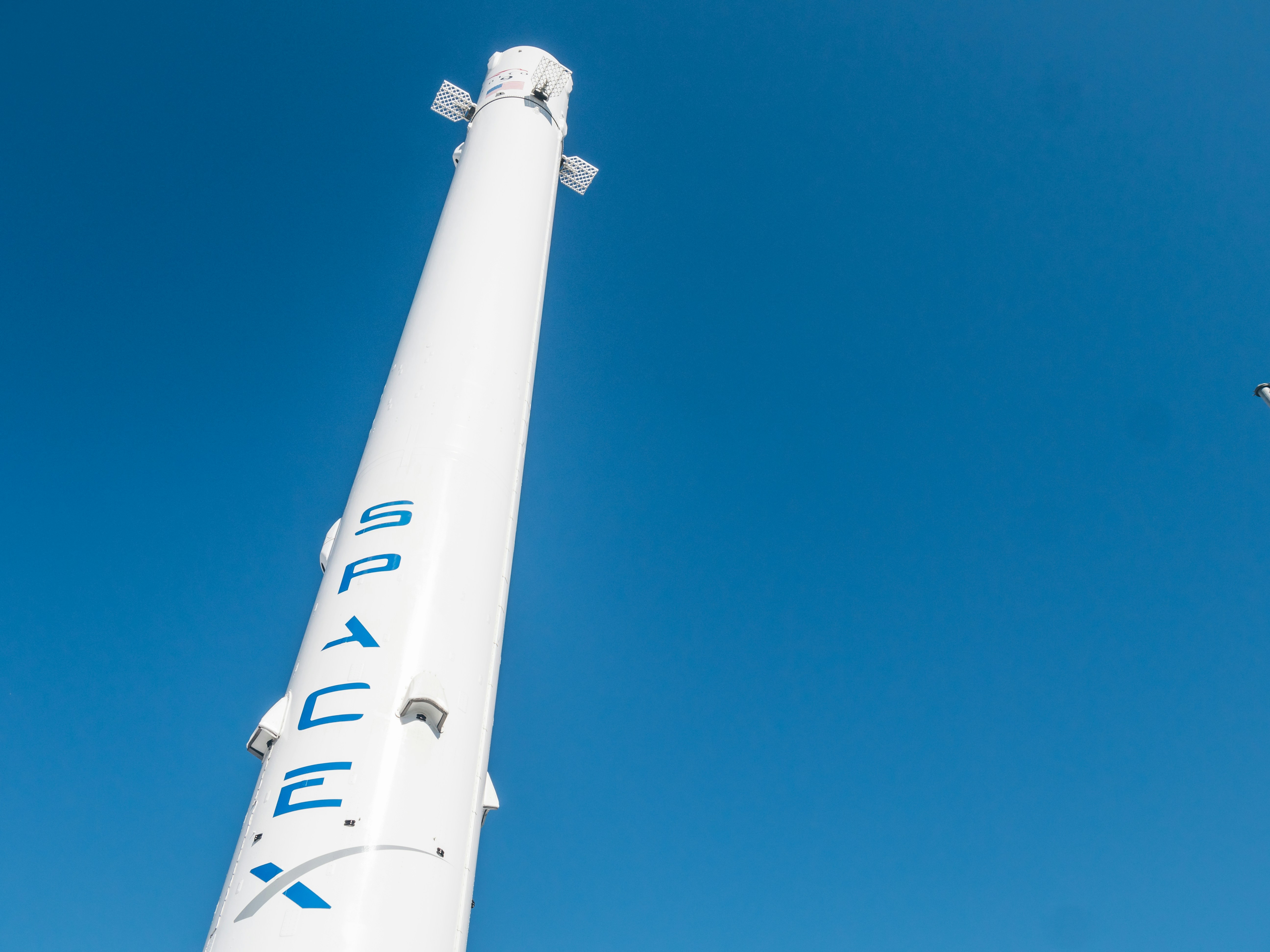
Introduction to Reusable Rockets
The emergence of reusable rockets represents a significant breakthrough in the aerospace industry, revolutionizing the economics of space travel. Unlike traditional expendable rockets that are discarded after a single mission, reusable rockets are designed to be launched, recovered, and launched again multiple times. This innovative approach dramatically reduces the costs associated with accessing space, making it more feasible for both governmental agencies and private companies to conduct missions.
One of the primary advantages of reusable rockets lies in their ability to minimize the cost per launch. The manufacturing and assembly of traditional expendable rockets entail substantial financial investments, much of which is rendered useless after a single flight. In contrast, reusable rockets allow the same hardware to be utilized repeatedly, shifting the cost model significantly. This not only aids in lowering prices but also encourages frequent launches, thereby accelerating advancements in space technology and exploration.
Additionally, the environmental impact of space launches is another area where reusable rockets demonstrate considerable benefits. By reducing the waste generated from single-use rockets, the aerospace industry is taking steps toward more sustainable practices. The process of refurbishing rockets for multiple flights has become a central focus for companies striving to enhance the efficiency of their operations.
As the aerospace industry continues to evolve, the role of reusable rockets is becoming increasingly prominent. Innovations in design and engineering are consistently enhancing their capabilities, paving the way for ambitious missions beyond low Earth orbit. With major players in the industry, such as SpaceX and Blue Origin, pushing the boundaries of what is possible, the future of reusable rocket technology appears bright, solidifying its place as a cornerstone in the quest for more economical and sustainable space travel.
The Basics of Flight Paths in Space Travel
Flight paths, often referred to as trajectories, are crucial for the success of any space mission. Essentially, a flight path is the trajectory that a spacecraft follows during its journey from launch to its intended destination, which may be low Earth orbit, the Moon, Mars, or beyond. Understanding these paths involves considering various physical and mathematical principles that dictate how objects move in space under the influence of gravitational forces.
Factors affecting flight paths include the initial launch velocity, the angle of ascent, gravitational forces from celestial bodies, atmospheric drag, and the mass of the spacecraft. All of these elements must be taken into account when calculating the optimal trajectory to ensure the spacecraft reaches its destination efficiently and safely. For example, a spacecraft launched towards Mars must navigate not only the Earth’s gravity but also the gravitational pull of Mars as it approaches the planet.
Optimizing flight paths is critical for several reasons. First, it enhances fuel efficiency, which is paramount in space travel where every ounce of fuel is valuable. Secondly, optimizing these paths minimizes travel time, making missions quicker and more feasible. Thirdly, it can reduce wear and tear on the spacecraft, thus prolonging its lifespan and ensuring successful completion of its mission objectives.
By utilizing advanced algorithms and artificial intelligence, planners can simulate various flight trajectories to determine the most effective paths. This strategic approach to optimizing flight paths not only supports reusable rocket technology development but also paves the way for more sustainable space exploration. Overall, the foundation of successful missions is laid by a deep understanding of flight paths and their optimization.
The Role of Artificial Intelligence in Aerospace
Artificial Intelligence (AI) is rapidly transforming the aerospace industry, playing a pivotal role in enhancing operational efficiency and safety. Through advanced algorithms and machine learning techniques, AI is enabling aerospace companies to improve their design processes, optimize flight operations, and analyze vast amounts of data generated during flights. These innovations are not only facilitating decision-making but also enriching predictive modeling capabilities across various applications.
One prominent application of AI in aerospace is in predictive maintenance. By analyzing data collected from aircraft systems, AI algorithms can detect anomalies and predict potential failures before they occur. This proactive approach helps in minimizing downtime and reducing maintenance costs, thereby enhancing the overall reliability of aircraft. Airlines and manufacturers are increasingly adopting AI-driven systems to monitor engine health, structural integrity, and other vital components, transforming traditional maintenance practices into smarter, data-driven solutions.
Furthermore, AI is integral to improving flight safety and performance. It helps in optimizing flight paths by analyzing real-time weather data, air traffic conditions, and other relevant factors. By enabling dynamic route adjustments, AI ensures that aircraft operate under optimal conditions, ultimately reducing fuel consumption and emissions. These capabilities streamline operations while also contributing to the sustainability of the aerospace sector.
In the simulation and modeling processes, AI’s ability to process and interpret massive datasets is invaluable. It can evaluate complex aerodynamic scenarios and predict outcomes with high precision, assisting engineers in making informed design choices. Through iterative learning, AI continually refines its models, leading to innovations that propel the aerospace industry forward.
AI Algorithms Used for Flight Path Optimization
In the realm of reusable rocket technology, artificial intelligence (AI) plays a pivotal role in optimizing flight paths. Various algorithms have been developed to enhance the efficiency and safety of space travel. Among these, genetic algorithms, neural networks, and reinforcement learning stand out as particularly effective.</p>
Genetic algorithms draw inspiration from the principles of natural selection. By mimicking biological evolution, these algorithms generate and evolve potential solutions to complex problems over successive generations. In practice, a genetic algorithm can be applied to determine the most efficient flight paths by evaluating fitness criteria, such as fuel consumption and time efficiency. This method allows for exploration of a multitude of possible trajectories, ultimately identifying optimal paths that human planners might overlook.</p>
Neural networks, another key AI technology, are designed to recognize patterns and make predictions based on input data. In the context of flight path optimization, neural networks can analyze historical flight data, atmospheric conditions, and other variables that influence flight dynamics. For instance, by training models on vast datasets, these systems can predict the most favorable conditions for launch and re-entry, thereby assisting engineers in making data-driven decisions that enhance safety and performance.</p>
Reinforcement learning (RL) offers a different approach, where algorithms learn optimal strategies through trial and error. In RL, an agent interacts with its environment, receiving feedback in the form of rewards or penalties based on its actions. This method is particularly useful for real-time adjustments during flight. For example, an RL-based system can dynamically adapt the rocket’s trajectory based on unforeseen weather patterns or equipment performance, ensuring safety and efficiency throughout the flight.
Collectively, these AI algorithms represent significant advancements in optimizing flight paths, illustrating how technology can make reusable rockets a practical reality in space exploration.
Data Sources for AI Optimization in Rocket Flights
In the realm of reusable rocket technology, the optimization of flight paths through Artificial Intelligence (AI) relies heavily on a variety of data sources. These inputs are critical for achieving high levels of efficiency and safety in rocket launches and landings. One of the primary data sources is historical flight performance data. Analyzing past missions allows AI systems to identify patterns and trends that inform flight path optimization processes. By studying previous launches, engineers can pinpoint successful trajectories and adjustments needed for failures, thereby enhancing future missions.
Furthermore, environmental variables significantly influence rocket performance. Factors such as atmospheric pressure, wind speed, temperature, and humidity can alter the dynamics of flight. Real-time environmental data feeds into AI algorithms, enabling them to adapt trajectories dynamically based on current conditions rather than relying solely on predetermined paths. This adaptability is crucial for maintaining optimal flight safety and efficiency.
In addition to historical and environmental data, real-time telemetry data plays a pivotal role in AI-driven optimization. Telemetry captures live data during a flight, including speed, altitude, and engine performance. Integrating this real-time information allows AI to make instantaneous adjustments to the flight path. The combination of diverse data sources ensures that the algorithms can optimize trajectories effectively for both launch and landing phases, increasing the probability of reusable rocket technology’s success.
In summary, the successful implementation of AI in optimizing rocket flight paths hinges on accurate and diverse datasets. Historical flight performance, environmental conditions, and real-time telemetry must all converge to create a robust framework that enhances the operational capabilities of reusable rockets. This comprehensive approach not only improves efficiency but also contributes to the long-term sustainability of space exploration efforts.
The Optimization Process Explained
The optimization of flight paths in reusable rocket technology utilizing artificial intelligence (AI) involves a systematic and multifaceted approach. The process begins with extensive data gathering, which entails collecting meteorological information, historical flight data, and rocket performance metrics. This foundational data is crucial for establishing a basis upon which AI can operate, enabling it to comprehend environmental variables and their effects on flight dynamics.
Following the data collection phase, model training takes place. Here, machine learning algorithms are employed to analyze the gathered data and identify patterns that characterize optimal flight trajectories. During this phase, the AI learns from historical successes and failures, effectively generating a predictive model that can be applied to future launches. This training is essential for enhancing the AI’s ability to make accurate predictions about the most efficient flight paths.
Next, the process involves the simulation of different trajectories. The AI utilizes the trained model to create and test numerous potential flight paths in a virtual environment. This simulation phase allows for the examination of various variables, including thrust levels, fuel efficiency, and environmental conditions. By evaluating these simulated trajectories, the AI can quickly identify the most promising options before a rocket launches.
After simulating multiple scenarios, the evaluation of outcomes occurs. Here, the performance of different flight paths is assessed based on specific criteria such as safety, cost-efficiency, and mission objectives. Each trajectory’s results are scrutinized to determine which options best meet the predefined criteria.
The optimization process is inherently iterative, requiring continual refinement of the strategies in response to new data and insights. As more flights are conducted, the AI becomes increasingly adept at optimizing trajectories, ensuring ongoing improvements in performance and reliability. This cyclical method for refining flight paths underscores the significant role AI plays in advancing reusable rocket technology.
Case Studies: AI in Action with SpaceX
SpaceX has emerged as a pioneer in space exploration and transportation, particularly through its innovative use of artificial intelligence (AI) to optimize flight paths for its reusable rockets. The integration of AI technology into their operations has culminated in notable improvements in mission efficiency and cost-effectiveness. A significant case that illustrates these advancements is the Falcon 9 rocket, which utilizes AI for real-time data processing during its flight. This capability allows for adaptive trajectory adjustments that are crucial for ensuring successful landings back at designated landing sites.
One particular mission, designated CRS-17, showcased the effectiveness of AI in optimizing Falcon 9’s return journey. During this mission, AI algorithms analyzed various parameters such as atmospheric conditions, fuel consumption, and landing speeds, facilitating a precise landing on the autonomous drone ship “Of Course I Still Love You”. The AI’s decision-making process enabled the rocket to minimize fuel usage while adhering to safety protocols, demonstrating a substantial enhancement compared to previous manual adjustments.
Furthermore, SpaceX’s implementation of machine learning algorithms has bolstered predictive maintenance capabilities for its rocket systems. An example of this can be observed in the Falcon Heavy missions, where historical performance data combined with AI-driven insights resulted in anticipating component wear and failure. By identifying potential issues before they manifest, SpaceX has reduced downtime and costs associated with repairs, thereby contributing to a more efficient operational framework.
Through these case studies, the influence of AI on optimizing flight paths becomes increasingly evident. SpaceX not only highlights the potential of AI in enhancing rocket technology but also sets an industry standard by marrying innovation with practical applications that drive mission success. This symbiotic relationship between AI and reusable rocket technology is paving the way for a more sustainable future in space travel.
Challenges and Future Developments
The integration of artificial intelligence (AI) into flight path optimization for reusable rocket technology presents several significant challenges. One primary concern is data security. As AI systems rely heavily on vast amounts of data to improve their decision-making processes, safeguarding this data against breaches is critical. Any unauthorized access could not only jeopardize sensitive operational data but also hinder the development of AI algorithms intended to enhance flight safety and efficiency.
Another challenge revolves around algorithmic bias. AI systems are only as effective as the data they are trained on. If the data feeds into the AI contain inherent biases, it can lead to flawed decision-making within the flight optimization process. Recognizing and mitigating these biases is essential in ensuring that AI technologies provide safe and reliable outcomes, thereby maintaining the integrity of reusable rocket operations.
Regulatory compliance further complicates the implementation of AI-driven solutions in the aerospace sector. As the industry evolves, so too must the regulatory frameworks that govern it. There is a pressing need for guidelines that address the unique challenges posed by AI in flight optimization, including safety standards and operational protocols. This evolving regulatory landscape will require constant adaptation as both technology and policies develop.
Looking towards the future, continued advancements in AI and machine learning algorithms offer promising avenues for improving flight path optimization in reusable rocket technology. Emerging trends indicate a potential move towards more autonomous flight systems that can learn in real-time, potentially reducing human error and operational costs. Collaboration among aerospace industry leaders, policymakers, and AI experts will be crucial in overcoming current challenges and harnessing the full potential of AI for a safer and more efficient future in space travel.
Conclusion: The Future of AI in Rocket Technology
The integration of artificial intelligence (AI) into the realm of reusable rocket technology marks a significant advancement in aerospace engineering. As the sector seeks sustainable alternatives to traditional space missions, AI’s enhanced capabilities in optimizing flight paths have emerged as a game changer. By leveraging large datasets and advanced algorithms, AI systems can analyze myriad variables affecting rocket trajectories. This ability allows the optimization of flight paths with unprecedented precision, resulting in more efficient launches and recoveries.
Moreover, the adoption of AI not only improves the operational efficiency of rockets but also reduces costs associated with space missions. It facilitates real-time decision-making during flight, enabling rockets to adapt swiftly to unforeseen circumstances. Consequently, this can lead to safer missions and an increased frequency of launches. As the technology continues to evolve, we can anticipate more sophisticated AI models that will further enhance these capabilities.
The implications of AI in rocket technology extend beyond improved flight path optimization. It heralds a future where reusable rockets play an essential role in space exploration, lowering barriers to entry for nations and private enterprises alike. Furthermore, enhanced astronaut safety protocols, powered by AI analytics, promise to make human spaceflight more reliable, encouraging greater investment in space exploration initiatives.
In conclusion, as AI transforms flight path optimization for reusable rockets, it heralds a new era for space exploration and aerospace technology. Continuous innovations in artificial intelligence will likely unlock new frontiers, making space more accessible and sustainable. As we look ahead, the synergy between AI and rocket technology offers a promising horizon for future space endeavors, redefining what is possible beyond our planet.