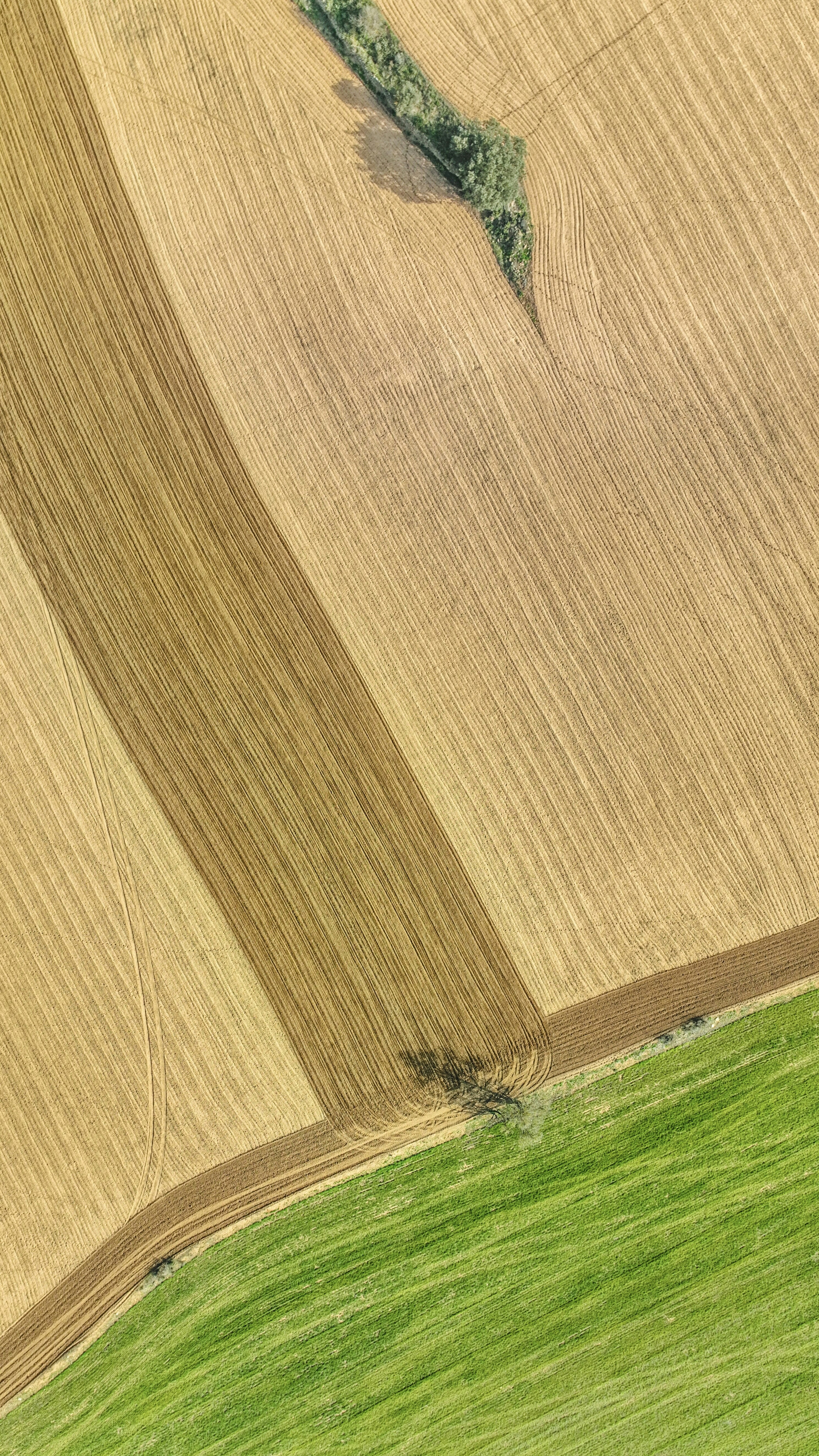
Introduction to AI-Driven Crop Insurance
The agricultural sector serves as the backbone of the global economy, significantly contributing to food security and rural employment. However, farmers often face numerous risks due to environmental factors, pest infestations, and unpredictable weather patterns. To mitigate these risks, traditional crop insurance has long been a staple in the agricultural industry. This form of insurance allows farmers to recover losses incurred during natural disasters or adverse conditions by providing financial compensation. Nevertheless, traditional crop insurance is fraught with challenges, the most notable being slow claim processing and the necessity for manual inspections.
In recent years, the emergence of artificial intelligence (AI) has revolutionized various sectors, and agriculture is no exception. AI-driven crop insurance harnesses the power of advanced technologies and satellite data to streamline the claim process and enhance efficiency. By automating assessments and analyses, AI can significantly reduce the time needed to evaluate claims, allowing farmers to receive prompt financial assistance during critical circumstances. This innovation stands in stark contrast to conventional methods, which often require time-consuming field visits and extensive documentation.
Moreover, traditional crop insurance schemes often leave farmers vulnerable to coverage limitations and extensive paperwork that can complicate the claims process. Many farmers lack a comprehensive understanding of their policy details, resulting in claims being denied or underpaid. AI-driven crop insurance alleviates many of these issues by providing real-time monitoring and data-driven insights. Utilizing satellite data, AI systems can assess damage levels more accurately and expedite the approval process, thereby ensuring that farmers receive the support they need when they need it most.
In summary, as the agricultural industry continues to grapple with the impact of climate change and evolving market dynamics, integrating AI into crop insurance represents a pivotal shift. By addressing the shortcomings of traditional practices, AI-driven solutions not only streamline operations but also enhance the overall stability of the agricultural sector.
The Role of Satellite Data in Agriculture
Satellite data has emerged as an invaluable asset in modern agriculture, offering a comprehensive understanding of crop health, land use, and environmental conditions. By providing real-time imagery and remote sensing capabilities, these technologies empower farmers and agricultural professionals to make informed decisions that optimize productivity and resource management.
One of the primary types of satellite data utilized in agriculture includes high-resolution imagery, which allows for detailed observation of crop health. By analyzing the color and reflection of plant leaves, farmers can assess photosynthetic activity, identify stress signals caused by pests or disease, and ultimately take corrective actions sooner. This capability to monitor changes over time supports precision agriculture practices that aim to enhance yield while minimizing resource inputs.
Moreover, satellite data also encompasses various remote sensing technologies that capture a range of environmental parameters. This includes atmospheric data, soil moisture levels, and temperature variations—all crucial for understanding how external factors affect crop growth. Such data can be instrumental for precision irrigation management, helping farmers allocate water resources more efficiently and sustainably.
Furthermore, the integration of satellite data into agricultural practices facilitates better land use planning. Through detailed analysis of land cover and usage trends, farmers can identify underperforming areas and strategically allocate efforts to enhance yield. This improved decision-making driven by data also contributes to sustainable farming initiatives, aligning with broader environmental goals aimed at minimizing ecological footprints.
In conclusion, the role of satellite data in agriculture is multifaceted, playing a significant part in enhancing crop management practices, guiding land use decisions, and ultimately securing food production amidst an evolving global climate. As technology advances, the impact of this data continues to grow, cementing its place in the future of agricultural practices.
How AI Enhances Crop Insurance Processes
Artificial Intelligence (AI) has significantly transformed the landscape of crop insurance by enabling swift and efficient management of claims through the processing of satellite data. Satellite imagery provides detailed, real-time insights into agricultural health, allowing insurance providers to leverage AI algorithms to better assess risk and expedite claim settlements.
One of the primary ways AI enhances crop insurance processes is through risk assessment. Machine learning models analyze vast amounts of satellite data to identify patterns associated with crop health, weather conditions, and environmental factors. By doing so, these algorithms can predict potential crop failures or damage due to adverse conditions, helping insurers determine appropriate coverage levels and premiums tailored to the specific risks faced by farmers.
Moreover, predictive analytics powered by AI further streamlines the handling of claims. Following a weather event or natural disaster, satellite data can be rapidly analyzed to evaluate the extent of crop damage. This automated processing eliminates the need for manual assessments, which can be time-consuming and subjective. Insurers can quickly validate claims based on the comparative analysis of pre- and post-event images, ensuring a fair and accurate determination of payouts.
Additionally, AI’s ability to continuously learn and adapt enhances the precision of risk models over time. As more satellite data becomes available, algorithms can refine their predictions, improving accuracy in assessing agricultural risks. This not only benefits insurance providers but also empowers farmers, allowing them to make informed decisions about their operations based on dependable data.
Ultimately, the integration of AI and satellite data within the crop insurance framework marks a significant evolution in how insurers approach risk management and claims processing, paving the way for a more efficient and equitable system for all stakeholders involved.
Automating Claim Settlements with Satellite Images
The integration of satellite imagery into the crop insurance sector represents a significant advancement in the automation of claim settlements. Traditionally, assessments of agricultural damage required in-field inspections by adjusters, a process that was not only time-consuming but also subject to human error. With the advent of advanced satellite technology, insurers can now utilize high-resolution images to conduct assessments remotely, improving accuracy and efficiency in the claims process.
AI algorithms play a crucial role in analyzing satellite images to detect and evaluate crop damage. These algorithms are trained using vast datasets that include various crop types, growth stages, and damage patterns. By employing machine learning techniques, the AI can identify discrepancies in vegetation health and assess the extent of damages caused by adverse weather events such as floods, droughts, or storms.
The process begins with the collection of satellite images, which capture detailed renderings of agricultural fields. Once the images are analyzed, the AI system produces insights that indicate the severity of damages. This data is invaluable for insurance providers, as it allows for swift and informed decision-making. Farmers benefit from reduced waiting times for claim approvals, thereby alleviating financial stress during challenging farming seasons.
Furthermore, the ability to confirm losses with the help of satellite data increases transparency and trust between insurers and policyholders. As the use of satellite imagery and AI continues to evolve, the potential for automating claim settlements will further enhance operational efficiencies and elevate service quality in the agricultural insurance sector. Overall, the seamless integration of these technologies is poised to redefine how crop insurance claims are handled, ensuring quicker resolutions and greater satisfaction for farmers.
Benefits of AI-Driven Crop Insurance
The integration of artificial intelligence (AI) and satellite data into crop insurance presents substantial advantages for farmers, insurers, and the agricultural sector as a whole. One of the primary benefits is the significant reduction in costs associated with traditional claim processing. By automating the assessment of crop damage through AI algorithms coupled with satellite imagery, insurance companies can streamline operations, thereby lowering administrative overhead. This reduction in costs can facilitate more competitive premium rates for policyholders, ultimately making crop insurance more accessible.
Moreover, AI-driven systems expedite the claims settlement process. In traditional settings, farmers often face long waiting periods before receiving compensation, leading to frustration and financial instability. With real-time data analytics powered by satellite technology, insurers can swiftly determine the extent of damage and process claims more efficiently. This faster resolution not only promotes positive relationships with policyholders but also enhances the insurer’s operational efficiency.
Accuracy in damage assessment is another significant benefit offered by the synergistic use of AI and satellite data. Traditional methods rely heavily on subjective evaluations, which can lead to discrepancies and potential disputes. In contrast, AI systems utilize advanced models that analyze vast datasets, allowing for objective and precise measurements of crop health and damage severity. This increased accuracy helps in ensuring fair payouts, which in turn bolsters trust between insurers and farmers.
Finally, the overarching improvement in customer satisfaction cannot be overstated. As farmers experience quicker claim resolutions, fair assessments, and lower costs, their overall experience with crop insurance improves significantly. By harnessing satellite data and AI, the agricultural insurance landscape can transform, ensuring that farmers receive timely support and reliable coverage in times of need. This evolution not only benefits individual policyholders but also contributes to a more robust agricultural economy.
Challenges and Limitations of AI in Crop Insurance
The integration of artificial intelligence (AI) into crop insurance systems presents a promising avenue for improving efficiency and accuracy in claims processing. However, several challenges and limitations must be addressed to realize the full potential of AI-driven crop insurance.
One of the most significant hurdles is data accuracy. AI systems rely heavily on the quality and precision of the data they process. In rural areas, where farming activities are diverse and often manually monitored, obtaining accurate satellite data can be difficult. Poor quality data can lead to erroneous claims assessments, diminishing trust in AI solutions among stakeholders.
Additionally, the technological infrastructure required to support AI-driven systems is not universally available. Many farmers operate within regions that lack reliable internet access or the necessary digital tools to collect data efficiently. Thus, efforts must be made to enhance infrastructure and ensure that smallholder and traditional farmers can benefit from advanced technologies.
Education and training represent another crucial barrier in the adoption of AI in crop insurance. Farmers may be unfamiliar with AI concepts and may feel disconnected from technological advancements. Comprehensive training programs are necessary to empower farmers with the skills and knowledge to leverage AI tools effectively. These educational efforts can help navigate the complexities of AI technologies while fostering a culture of innovation within agricultural communities.
Lastly, resistance to change reinforces the limitations of integrating AI into traditional insurance frameworks. Many stakeholders may be hesitant to adopt new methodologies, favoring established practices that are familiar. Overcoming this resistance requires not only tangible demonstrations of AI benefits but also robust stakeholder engagement strategies that highlight the value derived from embracing technology in crop insurance.
Case Studies: Success Stories in AI-Driven Claims
The integration of artificial intelligence (AI) and satellite data into crop insurance has made significant strides in recent years, showcasing a myriad of successful applications through various case studies. These examples exemplify the positive impact technology has had on the agricultural insurance landscape, remarkably improving the efficiency of claims processing and underwriting.
One such success story is from a leading insurance company that implemented AI-driven analytics to assess crop damage caused by adverse weather conditions. By deploying satellite imagery, the company was able to monitor crop health in real-time. This allowed for quicker identification of claims related to drought and flooding incidents. Farmers reported a significant reduction in the response time for their claims, with one case showing payments processed in under a week, compared to the industry-standard timeframe of several weeks.
Another remarkable implementation comes from an agritech startup that partnered with a cooperative of farmers. By utilizing high-resolution satellite data combined with AI algorithms, they developed a predictive model that not only detected crop diseases early but also estimated potential yield losses. When farmers experienced unusual crop displacement, the AI systems quickly assessed the extent of the damage, allowing the cooperative to expedite claims assessments. This proactive approach not only favored the farmers with timely payouts but also minimized financial losses caused by delayed responses.
A third case highlights a collaboration between an agricultural insurance firm and a tech giant specializing in satellite technologies. They combined their expertise to create a comprehensive claims evaluation process. Consequently, the insurance firm reported a notable decrease in fraudulent claims, as satellite data provided objective proof of crop conditions prior to and after reported damage events. This collaboration has resulted in cost savings for the insurer and improved trust among insured farmers.
These success stories demonstrate the transformative effect of AI and satellite data on crop insurance claims processing. As technology continues to evolve, it is anticipated that such innovations will further enhance operational efficiency, benefit farmers through faster claims resolutions, and ultimately lead to more sustainable agricultural practices.
Future Trends in Crop Insurance Technology
The agricultural industry, a crucial component of the global economy, is witnessing significant transformations, particularly in crop insurance through advancements in technology. As climate variability and extreme weather events rise, the necessity for efficient and reliable crop insurance solutions becomes imperative. Among the leading trends in this field are the integration of artificial intelligence (AI) and satellite technology, which promise to redefine how insurance claims are processed and managed.
AI technology is advancing rapidly, enabling insurers to analyze vast amounts of data more effectively than ever. Machine learning algorithms can assess agricultural risk factors by processing satellite imagery, weather patterns, and historical data, resulting in more accurate pricing models and risk assessments. This capability allows for the development of customized insurance products that cater to specific crop types and farming practices, thereby enhancing farmers’ protection against unforeseen losses.
Satellite technology, on the other hand, is crucial in the remote sensing of agricultural fields. The deployment of satellite imagery provides real-time monitoring of crop health, soil conditions, and environmental changes. This data can significantly expedite the claims process by offering tangible evidence of crop damage due to climatic events such as droughts or floods. Furthermore, as satellite imagery becomes more sophisticated and affordable, its adoption amongst insurance providers is expected to increase, leading to better transparency and efficiency.
Additionally, the advent of blockchain technology is promising to enhance data integrity within crop insurance by providing a decentralized record of all transactions. By combining blockchain with satellite data and AI analysis, companies can create a secure and transparent platform that reinforces trust among stakeholders. Overall, the future trends in crop insurance technology, driven by AI and satellite advancements, indicate a move towards more agile, responsive, and customizable insurance solutions tailored to the evolving challenges faced by the agricultural sector.
Conclusion: Embracing Technology for a Sustainable Future
As we have explored throughout this blog post, the integration of artificial intelligence (AI) and satellite data into crop insurance claims represents a groundbreaking shift in agricultural practices. The traditional challenges faced by the agricultural sector, such as natural disasters and fluctuating weather patterns, necessitate innovative solutions to ensure sustainability and efficiency. By harnessing satellite data, stakeholders are not only able to assess risks more accurately but also streamline the claims process, making it more transparent and responsive.
Moreover, the use of AI in processing and analyzing data significantly enhances decision-making capabilities for farmers and insurers alike. This technology improves the accuracy of loss assessments, enabling quicker payouts and reducing the financial strain on agricultural producers during times of unexpected hardship. Consequently, these advancements contribute to a more resilient agricultural framework adept at weathering the challenges posed by climate change.
Embracing such technologies signifies a commitment to sustainability, allowing for more informed resource management and improved crop yield predictions. As the agricultural sector looks toward the future, the synergy between AI-driven systems and satellite imagery will serve as a pivotal point for maximizing productivity while minimizing environmental impact.
In embracing these innovative approaches, the agricultural industry can bolster its capacity to adapt to a rapidly changing world. The convergence of technology and farming not only aids in mitigating risks but also promotes a greener, more sustainable future. Ensuring equitable access to these innovations will be crucial to leveling the playing field across diverse farming communities, ultimately leading to a more sustainable agricultural landscape for generations to come.