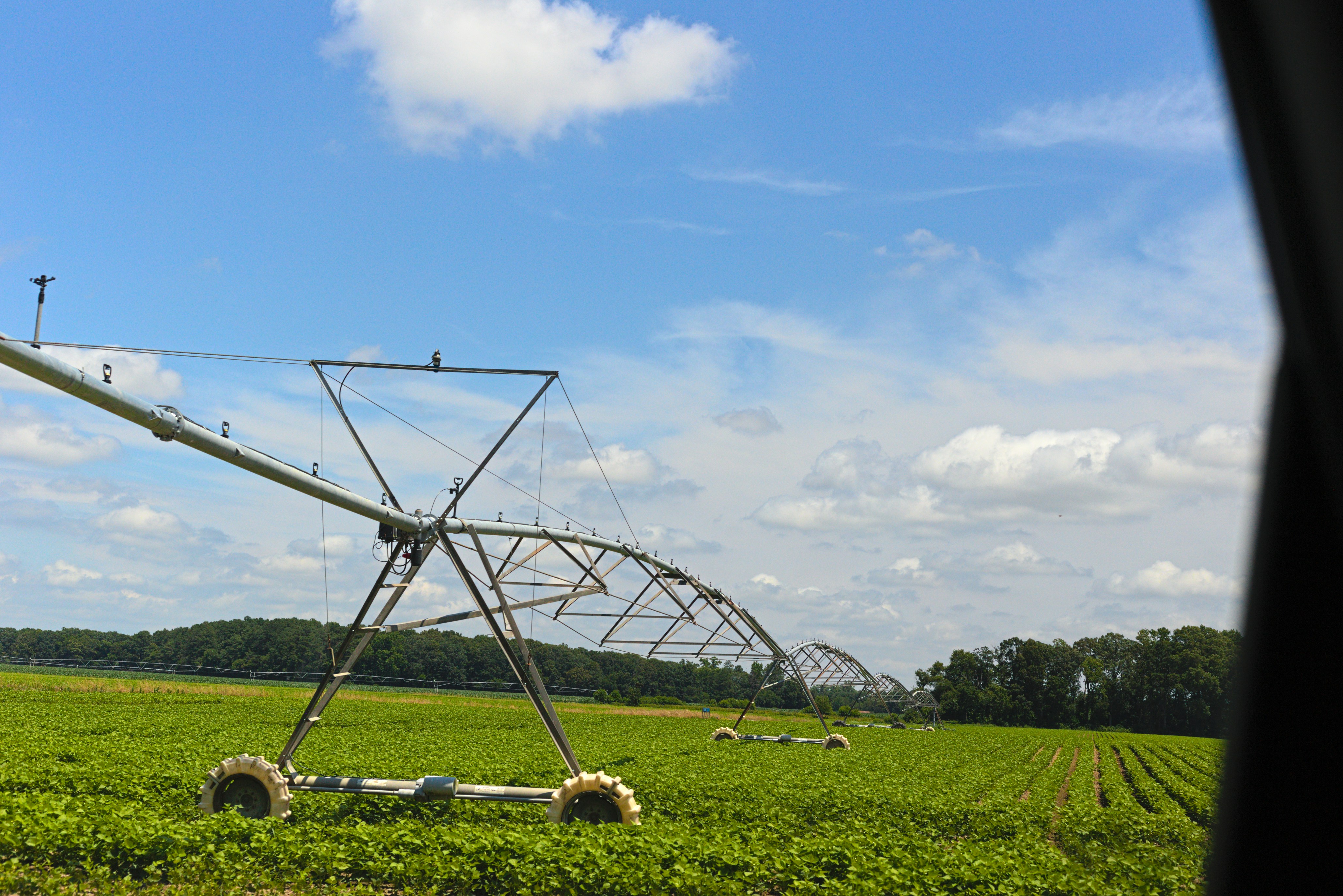
Introduction to Sustainable Irrigation
Sustainable irrigation practices play a vital role in enhancing agricultural productivity while conserving vital water resources and minimizing environmental impact. In an era where climate change and population growth increase the demand for food, the significance of adopting such practices becomes even more pronounced. Traditional irrigation methods often lead to numerous challenges, including excessive water wastage, soil degradation, and unfavorable energy consumption patterns.
These conventional practices typically rely on flood or surface irrigation techniques, which can lead to the overapplication of water. Excessive irrigation not only contributes to water scarcity but can also result in detrimental effects such as soil salinization and nutrient loss. This phenomenon poses severe long-term risks to agricultural sustainability and productivity, ultimately threatening food security.
Furthermore, traditional approaches often neglect the dynamic nature of crops’ water needs. Fixed irrigation schedules fail to account for variability in weather patterns and soil moisture levels, consequently leading to inefficient water usage. Modern agricultural practices, therefore, necessitate a shift towards techniques that prioritize water efficiency and energy conservation.
Innovations such as smart irrigation systems and advanced technology integration offer promising solutions. These alternatives leverage real-time data analysis and efficient water management strategies to optimize irrigation. In particular, the incorporation of solar-powered AI sensors holds great potential in driving sustainable irrigation practices. By providing accurate soil moisture levels and weather forecasts, these sensors facilitate precise water application, reducing waste and energy consumption significantly.
In summary, transitioning to sustainable irrigation is critical for enhancing agricultural efficiency and preserving the environment. As innovations continue to evolve, the integration of advanced technologies stands to revolutionize how farmers manage water resources.
Understanding Solar-Powered AI Sensors
Solar-powered AI sensors are innovative devices that integrate renewable energy technologies with artificial intelligence to facilitate a more efficient approach to irrigation. At their core, these sensors convert solar energy into electrical power, enabling them to operate autonomously without reliance on traditional power sources. This capability is especially advantageous in rural or remote agricultural areas where access to electricity can be limited.
The technology behind solar-powered AI sensors involves several key components. Firstly, solar panels are utilized to harness sunlight and convert it into electrical energy. This conversion is achieved through photovoltaic cells, which generate electricity when exposed to sunlight. The energy collected is stored in batteries or used immediately to power sensor operations. As a result, these sensors can function continuously during daylight hours and, in many cases, even during cloudy conditions.
Once operational, these sensors collect various data related to environmental conditions, soil moisture levels, and atmospheric parameters. Utilizing integrated processing units, the data analysis is performed in real-time, allowing for immediate decision-making based on current conditions. Moreover, the artificial intelligence algorithms applied to the data enable predictive analytics, which can foresee irrigation needs based on historical patterns and environmental variables.
Furthermore, solar-powered AI sensors can communicate with other devices or systems, creating a smart irrigation network. This interconnected framework allows for enhanced water management, optimizing irrigation schedules, and minimizing water wastage. With the ability to adapt to changing conditions, these sensors are paving the way for sustainable agriculture practices, significantly contributing to resource conservation.
Benefits of Using Solar-Powered AI Sensors in Irrigation
Integrating solar-powered AI sensors into irrigation systems presents numerous advantages that greatly enhance both economic sustainability and environmental protection. First and foremost, these sensors significantly reduce operational costs. Traditional irrigation methods often require extensive energy resources, while solar-powered alternatives utilize renewable energy, effectively lowering electricity bills. The initial investment in solar technology can be offset by the savings accrued over time, making it an economically viable choice for farmers and agricultural businesses.
Resource efficiency is another major benefit of employing solar-powered AI sensors in irrigation practices. These devices can monitor soil moisture levels, weather patterns, and crop health in real-time, allowing for precise water application. As a result, irrigation becomes more targeted and efficient, reducing overall water consumption. The ability to optimize water usage not only preserves this precious resource but also mitigates the impact of drought conditions, which are becoming increasingly common due to climate change.
Real-time monitoring capabilities provided by these sensors also lead to informed decision-making for farmers. By receiving immediate insights into the conditions of their fields, agricultural producers can respond promptly to any fluctuations, thereby minimizing waste and enhancing productivity. This not only aids in maintaining the health of the crops but also plays a crucial role in improving overall crop yields. In recent studies, farms equipped with solar-powered AI sensors have reported substantial increases in productivity, showcasing their potential to transform modern agriculture.
In addition to the economic aspects, the use of solar-powered AI sensors fosters environmental stewardship. By reducing water waste and energy consumption, farmers can reduce their carbon footprint and contribute positively to environmental sustainability. The combination of cost savings, resource efficiency, real-time monitoring, and increased crop yields presents a compelling case for the integration of solar-powered AI technology into irrigation systems.
Data-Driven Decision Making and Enhanced Farming Practices
In recent years, the integration of solar-powered AI sensors in agriculture has fundamentally transformed the way farmers manage irrigation and water resources. These sensors play a vital role in collecting and analyzing data on various environmental parameters, allowing for data-driven decision-making that optimizes irrigation practices. By leveraging advanced analytics, farmers can significantly enhance their operational efficiency and sustainability.
A core advantage of utilizing solar-powered AI sensors is their capacity to facilitate precise monitoring of soil moisture levels, temperature variations, and humidity conditions. Farmers can access real-time data, which enables them to adjust their irrigation strategies according to the specific needs of their crops. This data-centric approach not only ensures adequate water supply but also minimizes wastage, thereby contributing to the conservation of water resources.
Additionally, these AI sensors can predict weather patterns through sophisticated algorithms, allowing farmers to anticipate changes in precipitation and temperature. By correlating these predictions with soil moisture data, farmers can make informed decisions on when to irrigate, thus optimizing water use and safeguarding crop health. This predictive capability shifts the focus from reactive practices to proactive management, fostering an environment of preparedness in agriculture.
Soil management is another area where solar-powered AI technology proves to be invaluable. The sensors can monitor soil nutrient levels and pH balance, providing farmers with insights necessary for effective fertilization strategies. This targeted approach not only enhances crop yield but also minimizes the excessive use of fertilizers, thereby promoting sustainable farming practices.
Through the synergistic application of solar-powered AI sensors, farmers can embrace a future wherein data-driven decision-making becomes the norm, leading to enhanced farming practices and a more sustainable agricultural ecosystem.
Case Studies: Successful Implementations of Solar-Powered AI Sensors
The integration of solar-powered AI sensors in irrigation systems has witnessed significant advancements, demonstrating positive outcomes for agronomy across various scales. One notable case study is the deployment of these sensors in California’s almond orchards. Farmers installed solar-powered AI sensors to monitor soil moisture levels and weather conditions accurately. The real-time data enabled them to optimize irrigation schedules, resulting in a 30% reduction in water usage while improving almond yield quality. This case exemplifies how technological adaptability, driven by sustainability goals, can revolutionize traditional farming practices.
Another illustrative example can be found in the deployment of similar technology in Kenya’s smallholder farms. Here, solar-powered AI sensors were introduced to assist farmers in monitoring resources effectively. The system provided tailored advice on irrigation timing and frequency based on actual environmental conditions. This approach led to improved resource management, which not only increased crop productivity by approximately 40% but also lessened the reliance on manual labor. The use of AI-driven insights allowed farmers to make informed decisions, demonstrating the practical benefits of renewable energy applications in agriculture.
In larger-scale implementations, a vineyard in Australia adopted solar-powered AI sensors to refine its irrigation processes. By utilizing machine learning algorithms integrated with the sensors, vineyard managers could predict the water needs of vines based on climatic variations. The results were striking; the vineyard reported a mere 15% increase in irrigation efficiency while simultaneously maintaining grape quality and reducing operational costs. Such large-scale operations highlight the versatility and potential of solar-powered AI sensors, aligning economic viability with sustainable practices.
These case studies collectively underscore the transformative power of solar-powered AI sensors in various agricultural environments. Their applications not only enhance water conservation efforts but also promote a more sustainable approach to farming, ensuring that the global community can meet future agricultural demands effectively.
Challenges and Limitations of Solar-Powered AI Sensors
Solar-powered AI sensors represent a significant advancement in the field of sustainable irrigation. However, despite their potential to optimize water usage and reduce environmental impact, several challenges and limitations hinder their widespread adoption. One of the primary issues is the initial investment required for their implementation. The cost associated with acquiring and installing solar-powered sensors can be prohibitive, particularly for small-scale farmers. This barrier may discourage the adoption of this promising technology in various agricultural sectors.
Moreover, the reliability of solar-powered AI sensors can be a concern. These sensors depend on solar energy, which can limit their operational efficiency during periods of low sunlight or inclement weather. Agricultural environments vary greatly, and sensors may not function optimally across different climatic conditions. For instance, regions with frequent cloud cover or heavy rainfall may experience a reduction in sensor performance, potentially impacting irrigation management decisions.
Another significant limitation lies in the technological aspect. The integration of AI in these sensors necessitates sophisticated algorithms and data processing capabilities, which may not always be feasible in remote agricultural settings. Farmers in these locations may lack access to the necessary infrastructure or expertise to maintain such advanced systems. Additionally, data from AI sensors may be susceptible to inaccuracies caused by environmental variables, leading to less effective irrigation practices.
Despite these challenges, ongoing research and development are focused on enhancing the functionality and adaptability of solar-powered AI sensors. Innovative solutions such as hybrid energy systems are being explored to ensure reliability in varying weather conditions. Furthermore, community-driven initiatives could play a crucial role in reducing initial costs and increasing accessibility, thereby facilitating broader adoption among farmers seeking to leverage these technologies for more sustainable irrigation practices.
Future Trends in Sustainable Irrigation Technology
The landscape of sustainable irrigation technology is rapidly evolving, with significant advancements being made in sensor technology and their integration with the Internet of Things (IoT). Solar-powered AI sensors are at the forefront of this transformation, driving efficiencies in water usage and crop management. As agricultural practitioners become increasingly aware of resource scarcity, the adoption of innovative technologies is crucial for sustainable practices, enabling farmers to meet both economic and environmental goals.
One of the most exciting trends is the proliferation of sophisticated sensor networks that utilize solar energy. These sensors not only monitor soil moisture levels but can also analyze weather patterns and crop requirements in real time. By capturing and processing this data through advanced algorithms, solar-powered AI sensors allow for precise irrigation scheduling and enhanced decision-making. This optimizes water usage, reduces waste, and promotes healthier crops by ensuring that plants receive the right amount of water at the right time.
Furthermore, the integration of machine learning into these systems enables the predictive analysis of crop performance based on various environmental factors. By continuously learning from vast amounts of data, these AI systems can anticipate irrigation needs and provide actionable insights, thus enhancing farm productivity. As sensor technology continues to advance, we expect more affordable and accessible solutions for farmers, making sustainable irrigation systems a viable option for a broader range of agricultural operations.
The future of sustainable irrigation technology is also likely to include the expansion of connectivity through IoT. This interconnectedness facilitates not just individual farms but entire agricultural communities to share data, results, and best practices. Through collective information sharing, farmers can incrementally improve their water management strategies, making positive contributions to the overall health of ecosystems.
Conclusion: The Path Forward for Sustainable Agriculture
As the global demand for food continues to grow, the need for innovative solutions in agriculture becomes increasingly crucial. Solar-powered AI sensors emerge as a transformative technology that can significantly enhance sustainable irrigation practices. By providing real-time data on soil moisture levels, temperature, and weather conditions, these advanced sensors facilitate more precise water management, allowing farmers to optimize their irrigation schedules and minimize waste.
The integration of solar energy with artificial intelligence not only promotes environmental sustainability but also reduces dependency on fossil fuels, thus contributing to a lower carbon footprint in agricultural practices. Moreover, the adaptability and efficiency of solar-powered AI systems can empower farmers with the tools needed to make informed decisions that align with both economic and ecological goals.
Moreover, the adoption of these technologies necessitates a collaborative effort among various stakeholders, including agricultural experts, technology developers, and policymakers. It is essential for these groups to work together to create frameworks that support the implementation of solar-powered AI solutions across diverse agricultural settings. Educational initiatives and training programs should also be developed to equip farmers with the knowledge and skills needed to leverage these tools effectively.
In summary, the journey toward sustainable agriculture relies heavily on the integration of innovative technologies such as solar-powered AI sensors. By fostering partnerships among all involved parties and prioritizing investment in this transformative technology, we can pave the way for an agricultural system that not only feeds the growing population but does so in a manner that is respectful of our planet’s finite resources.
Call to Action: Embracing Innovative Irrigation Solutions
As the agricultural sector grapples with the dual challenges of climate change and resource scarcity, innovative technologies must be embraced to ensure sustainable irrigation practices. Solar-powered AI sensors present an effective means to address these pressing issues, allowing farmers and agriculturalists to optimize resource use while promoting environmental stewardship. By harnessing renewable energy, these smart sensors facilitate real-time monitoring of soil moisture levels, weather conditions, and plant health. This data-driven approach enables timely decision-making, conserving water and reducing waste.
Farmers are encouraged to explore the integration of solar-powered AI sensors within their irrigation systems. The ability to automate irrigation schedules based on real-time data not only enhances crop yields but also promotes responsible water usage. Furthermore, agricultural policymakers should prioritize the development of incentives and subsidies that support the adoption of such technologies. By collaborating with technology providers, governments can facilitate knowledge-sharing and create an ecosystem conducive to innovation in sustainable irrigation.
Moreover, educational institutions and research organizations play a critical role in advancing the adoption of solar-powered AI solutions. Partnerships between academia and industry can lead to groundbreaking research and the dissemination of best practices. Workshops and training sessions aimed at equipping farmers with the necessary skills to utilize these technologies will further drive adoption.
The collective effort of stakeholders—farmers, policymakers, researchers, and technology providers—is essential to fostering a sustainable agricultural future. By embracing innovative irrigation solutions like solar-powered AI sensors, agricultural practices can become more efficient and environmentally friendly, ultimately contributing to global sustainability goals. It is imperative to act now to integrate these advancements and pave the way for a responsible and sustainable approach to irrigation.