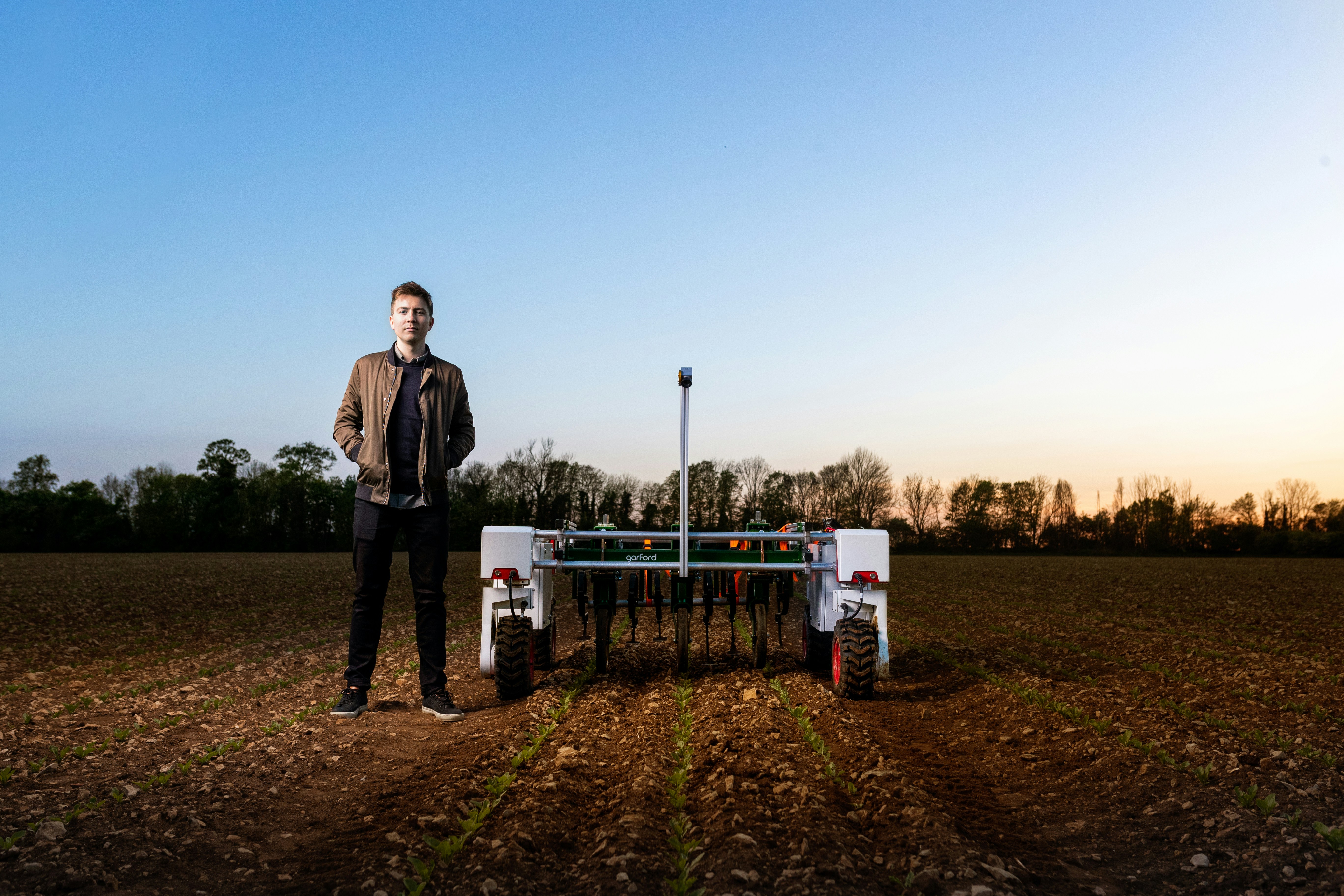
Understanding Digital Exclusion
Digital exclusion refers to the barriers that prevent individuals or groups from accessing and benefiting from digital technologies and the Internet. In today’s rapidly evolving agricultural landscape, small-scale farmers are particularly vulnerable to these adverse effects. Digital tools and connected technologies are becoming essential in maintaining productivity, competitiveness, and connecting with markets, yet many small-scale farmers find themselves unable to engage with these innovations due to various forms of exclusion.
The most prominent factors contributing to digital exclusion among small-scale farmers include economic constraints, lack of infrastructure, low levels of digital literacy, and insufficient access to reliable Internet services. These barriers can perpetuate cycles of poverty, as farmers unable to embrace digital solutions may miss out on critical information regarding crop management, weather forecasts, and market prices. This knowledge gap can severely restrict their productivity and limit their capacity to make informed decisions.
Furthermore, demographic aspects, such as age, education, and geographic location, play significant roles in exacerbating digital exclusion. Older farmers or those in rural areas may have limited exposure to technology, making it challenging for them to adapt to digital platforms. Additionally, the disparity in resource allocation between urban and rural regions often leads to inadequate technological deployments in agricultural communities.
Understanding digital exclusion is crucial for developing targeted solutions that empower small-scale farmers. By identifying the barriers these individuals face, stakeholders can work towards implementing initiatives that promote inclusivity in the digital economy. Access to connected technologies can facilitate greater participation in the modern agricultural sector, ultimately improving livelihoods and fostering resilience among small-scale farming communities.
The Role of AI-Driven Supply Chains
Artificial Intelligence (AI) has dramatically reshaped supply chain management in various sectors, particularly in agriculture. One of the primary advantages of implementing AI technologies is the enhancement of operational efficiency. For small-scale farmers, AI-driven solutions offer the ability to analyze vast amounts of data collected from fields, markets, and consumer behaviors, enabling better decision-making. By leveraging AI, farmers can optimize resource allocation, reducing waste and maximizing yields.
The integration of AI technologies can lead to improvements in forecasting demand, managing inventory, and streamlining logistics. For instance, AI algorithms can predict market trends and enable farmers to plant and harvest crops at the ideal times. Moreover, AI systems can assist in precision agriculture practices, allowing farmers to monitor soil health, pest populations, and crop conditions in real-time. Such capabilities not only enhance productivity but also ensure that farmers are able to meet the growing demands of an increasingly competitive marketplace.
Furthermore, AI-driven supply chains can foster stronger connections between farmers and consumers. Through data analysis, local farmers can access insights into customer preferences, facilitating the direct marketing of their products. This can empower small-scale farmers to engage effectively with larger supply chains and consumers, ensuring their products reach the appropriate markets. As a result, adopting AI technologies can lead to inclusivity within agricultural supply chains, providing small-scale farmers with new opportunities for growth. However, it is essential to recognize that the shift towards AI-driven methodologies also presents challenges. Digital exclusion remains a significant concern, as many small-scale farmers may lack the necessary infrastructure, tools, and training to fully engage with these advanced technologies.
Challenges Faced by Small-Scale Farmers
Small-scale farmers play a pivotal role in global agriculture, yet they encounter numerous challenges that hinder their access to technology and vital information. One significant barrier is the lack of financial resources. Many small-scale farmers operate on limited budgets, making it difficult for them to invest in essential technologies and digital tools necessary for modern agricultural practices. Without access to these resources, they fall further behind in the competitive agricultural landscape, where technology can enhance productivity and efficiency.
Moreover, education and training barriers present significant hurdles in the digital landscape. A substantial portion of small-scale farmers lack formal education, which may impede their ability to grasp new technological concepts and tools. The introduction of artificial intelligence and digital supply chains requires a level of understanding that may be unattainable without proper educational initiatives. As a result, these farmers may be unable to utilize available technologies effectively, limiting their operational capabilities and market access.
Infrastructure deficits also exacerbate the challenges faced by small-scale farmers. In many rural regions, inadequate internet connectivity severely restricts access to digital platforms and agricultural information. Without reliable internet access, farmers cannot leverage online resources or participate in e-commerce opportunities. This infrastructure gap further perpetuates the cycle of digital exclusion, as farmers remain isolated from technological advancements that could significantly enhance their productivity and profitability.
Finally, the issue of digital literacy cannot be overlooked. Even with access to technology, small-scale farmers may struggle to navigate digital platforms due to a lack of familiarity with these tools. Programs aimed at improving digital literacy are crucial for empowering these farmers. By equipping them with the necessary skills, they can effectively engage with modern agricultural practices and reduce their digital exclusion.
Importance of Inclusivity in Agriculture
Inclusivity in agriculture has become a pivotal theme in addressing the challenges faced by small-scale farmers, especially in the context of AI-driven supply chains. By integrating these farmers into the digital landscape, we can enhance both their productivity and contribution to broader agricultural goals. The movement towards inclusivity recognizes that small-scale farmers are not just beneficiaries of agricultural advancements but key players in ensuring food security and sustainability.
The societal benefits of including small-scale farmers in digital initiatives cannot be overstated. These farmers often represent a significant portion of the agricultural workforce, and their involvement in digital platforms allows for the exchange of knowledge, resources, and best practices. This exchange fosters collaboration and innovation, enabling farmers to adapt to changing market demands and climatic conditions more effectively. Furthermore, by leveraging technology, small-scale farmers can access vital information regarding weather patterns, crop management, and market prices, thereby making informed decisions that ultimately enhance their productivity.
Economically, the participation of small-scale farmers in the digital economy contributes to rural development and poverty alleviation. When these farmers have access to digital tools and resources, they can increase their output and income, which ripples through their communities. Increased economic activity in rural areas leads to enhanced local markets and creates jobs, benefiting not just the farmers but also their communities. Moreover, inclusivity in digital agriculture could lead to better resource allocation and efficient supply chains, which are critical in addressing the food security challenges faced globally.
In conclusion, ensuring that small-scale farmers are included in the digitization of agriculture is essential for sustainable development. Their contributions are vital for not only fulfilling the growing food demands but also for building resilient and adaptable agricultural systems that can withstand future challenges.
Strategies for Bridging the Digital Divide
Bridging the digital divide for small-scale farmers is essential to ensure their inclusion in the rapidly evolving agricultural landscape shaped by AI-driven supply chains. Various strategies can be pivotal in achieving this goal. Firstly, government policies need to prioritize digital literacy and infrastructure development aimed specifically at rural areas. By providing grants and subsidies, governments can incentivize the expansion of internet access and digital tools that are crucial for these farmers.
Moreover, community programs play a significant role in promoting digital inclusion. Local cooperatives and agricultural associations can facilitate training workshops that empower small-scale farmers to utilize digital technologies effectively. These workshops could include essential skills, such as using mobile applications for market access or data management tools for optimizing crop yields.
In addition, partnerships with technology providers can greatly enhance the resources available to farmers. Collaborations between private companies and non-profit organizations can lead to the creation of tailored platforms that target the specific needs of small-scale farmers. For instance, tech companies can develop intuitive applications that can help farmers track weather conditions and pest outbreaks, thus reducing risks associated with their agricultural practices. Such partnerships can also facilitate the redistribution of surplus technological resources to these farmers, enabling them to benefit from advanced tools without substantial investment.
Moreover, it is essential to focus on developing localized content that can be accessed in various languages and dialects, ensuring that all farmers, regardless of their language proficiency, can benefit from digital resources. In conclusion, a multifaceted approach combining government intervention, community empowerment, and private sector involvement can effectively bridge the digital divide for small-scale farmers, ensuring their active participation in an AI-driven economy.
Educational Programs and Training Opportunities
The integration of digital tools into agricultural practices is essential for small-scale farmers in today’s technology-driven economy. To bridge the gap between these farmers and the rapidly evolving digital landscape, effective educational programs are crucial. Various training opportunities exist today aimed at empowering farmers with the skills necessary to leverage digital innovations effectively.
Local agricultural colleges and extension services have been instrumental in offering workshops that focus on the use of digital tools, such as mobile applications for crop management and online marketplaces for selling produce. These training sessions not only cover technical skills but also address broader topics like data management and digital literacy, ensuring that farmers can understand, utilize, and benefit from these technologies.
In addition to existing programs, there is a significant opportunity for new initiatives to be developed. Collaborative efforts involving government agencies, non-profit organizations, and private sector partners can lead to the creation of tailored educational content that meets the specific needs of small-scale farmers. By utilizing various formats such as online courses, hands-on training, and community workshops, these programs can be made accessible to a wider audience, including marginalized groups who may have previously faced barriers to participation.
Furthermore, integrating technology into agricultural education is vital. Utilizing tools like virtual reality simulations or mobile training units can provide immersive learning experiences that enhance understanding and retention of digital skills. As farmers become more proficient with technology, they will be better equipped not only to improve their individual operations but also to engage effectively within AI-driven supply chains.
Overall, investing in educational programs and training opportunities will empower small-scale farmers to harness the potential of digital tools, thus ensuring they are not left behind in the evolving agricultural landscape.
Technological Innovations to Support Farmers
In recent years, technological innovations have emerged as a powerful ally for small-scale farmers, particularly in adapting to the demands of AI-driven supply chains. These advancements are critical for enhancing agricultural productivity and ensuring that local farmers remain competitive in ever-changing markets. Three noteworthy technological innovations include mobile apps, Internet of Things (IoT) devices, and online platforms designed for improved market access.
Mobile applications have gained prominence among small-scale farmers, providing essential tools for managing various farming tasks. These applications facilitate activities such as crop monitoring, pest control, and weather forecasting. By utilizing mobile apps, farmers can receive timely information and advice, helping them to make informed decisions about their crops. Additionally, these platforms enable farmers to connect with agricultural experts, ultimately fostering a culture of knowledge sharing and continuous improvement within farming communities.
Furthermore, IoT devices have revolutionized traditional farming practices. Smart sensors and connected devices can monitor soil moisture levels, temperature, and other crucial factors influencing crop growth. This data-driven approach enables farmers to optimize resource allocation, reducing waste and enhancing yields. By adopting IoT technology, small-scale farmers can also gain insights into sustainable farming practices, contributing to the overall health of the environment.
Lastly, numerous online platforms have emerged to facilitate market access for small-scale farmers. These platforms bridge the gap between farmers and consumers, enabling them to sell their produce directly without intermediaries. By utilizing e-commerce solutions, farmers can expand their reach, increase sales, and improve profit margins. Such innovations not only empower farmers economically but also promote transparency and reduce food waste by matching supply with actual demand.
Success Stories: Case Studies of Inclusion
Digital inclusion is more than just access to the internet; it encompasses the integration of technology into the daily operations of small-scale farmers. Various case studies showcase how these farmers have successfully embraced digital tools, thereby overcoming the barriers of digital exclusion.
In Kenya, a group of smallholder coffee farmers benefited significantly from a mobile app designed to connect them with markets directly. This technology allowed them to bypass intermediaries, enabling a better price for their products. The application not only facilitated selling but also provided valuable market information and agricultural advice. The farmers reported a 30% increase in their income within a year of implementation. This case illustrates how harnessing mobile technology can lead to enhanced profitability for small-scale farmers.
Another notable example comes from India, where a cooperative of farmers utilized precision agriculture technologies to optimize their water usage and crop yields. Through the use of satellite imagery and soil sensors, they were able to make informed decisions about irrigation and fertilization, which ultimately resulted in a reduction of water consumption by 40%. The cooperative noticed a significant improvement in crop health, contributing to higher yields and improved food security in their community.
In Brazil, the integration of e-commerce platforms has transformed the market access for numerous small-scale farmers. By utilizing digital marketplaces, these farmers could reach consumers directly, thus eliminating the lengthy supply chains that often diminish their profits. The transition to these platforms enabled them not only to sell their products more efficiently but also to establish brand loyalty and recognition. The farmers observed that their sales doubled within a short time, showcasing the power of digital tools in enhancing market reach.
These success stories highlight the essential role of digital technology in fostering inclusion among small-scale farmers. The adoption of these tools has proven beneficial in increasing both income and sustainability, emphasizing that access to digital technologies can significantly alter the landscape for small agricultural producers worldwide.
The Future of Agriculture in a Digital World
The landscape of agriculture is undergoing profound changes as digital technologies increasingly shape its future. With the rapid integration of artificial intelligence (AI) into supply chains, the agricultural sector stands on the brink of a technological revolution that promises enhanced efficiency and productivity. However, these advancements also raise critical concerns regarding the potential for digital exclusion, particularly among small-scale farmers who may lack access to necessary resources and tools.
AI-driven solutions offer small-scale farmers the potential to optimize their operations, from precision farming techniques to more efficient distribution channels. By utilizing data analytics, these farmers can make informed decisions on crop management, pest control, and resource allocation, ultimately leading to increased yields and reduced waste. Nevertheless, the disparity in access to such technologies could exacerbate existing inequalities within the agricultural sector. Farmers who lack digital literacy or financial means to adopt these innovations may find themselves at a significant disadvantage.
Furthermore, the shifting dynamics of AI in agriculture necessitate a reconsideration of how support systems are structured to integrate small-scale farmers into this new digital era. Ensuring equitable access to digital tools and training programs is crucial to empowering these farmers and preventing digital exclusion. As agribusinesses and government entities invest in technological solutions, they must concurrently implement strategies to engage and support small-scale farmers, ensuring they are not left behind in the transition to a more digitized agricultural economy.
In conclusion, as we gaze into the future of agriculture shaped by AI, it is imperative to prioritize efforts that bridge the digital divide. A commitment to equitable technology access, education, and support will not only benefit small-scale farmers but will also contribute to a more sustainable and inclusive agriculture sector as a whole.