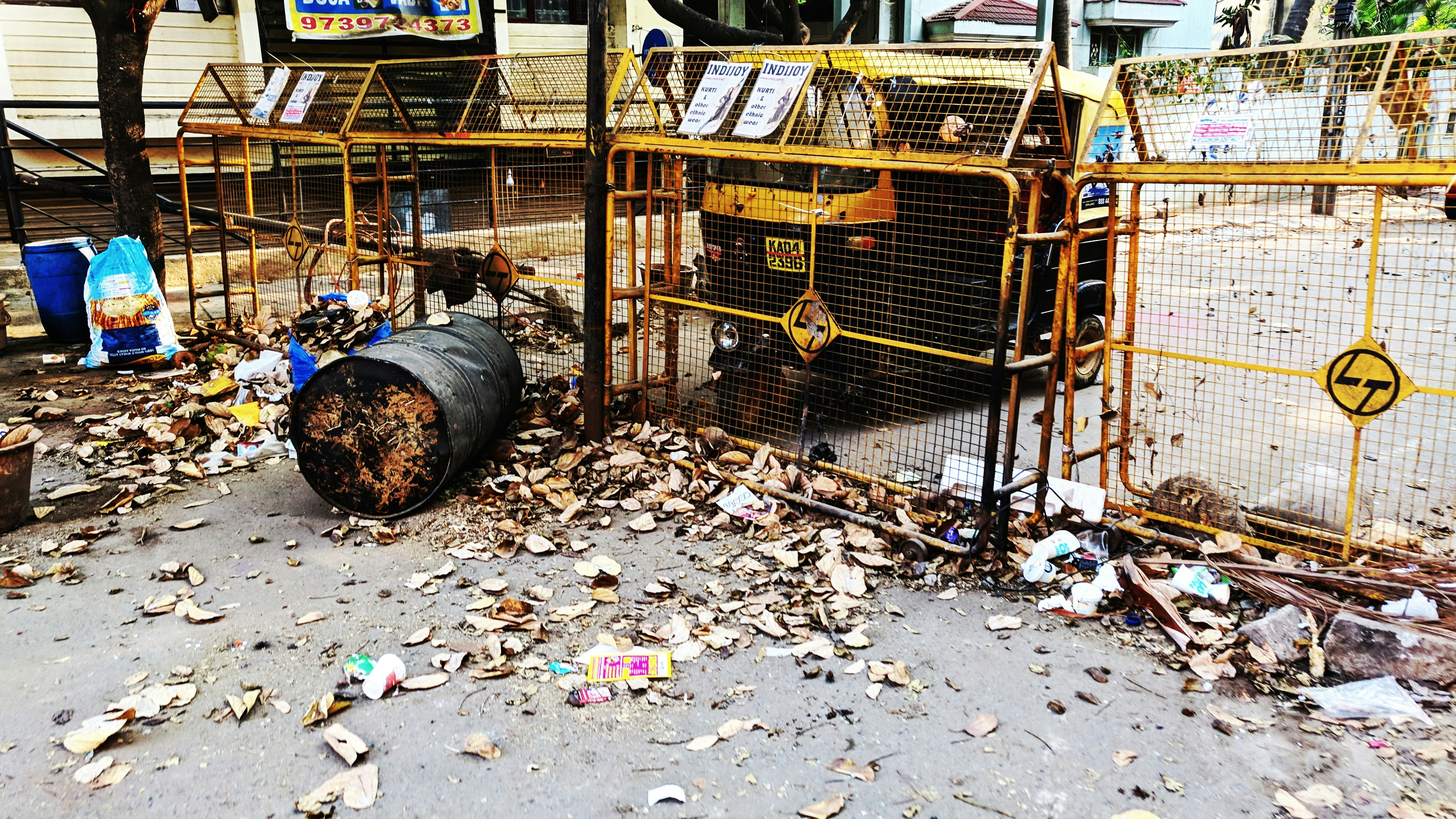
Introduction to Complaint Resolution in Patna
The process of municipal complaint resolution in Patna presents residents with a critical avenue for addressing various civic issues that emerge within the community. These complaints typically encompass a range of concerns, including waste management, water supply, street maintenance, and public sanitation. Each of these areas significantly impacts daily life and overall urban functionality, making the resolution of complaints essential for maintaining an orderly and livable environment.
Despite the recognized importance of timely complaint resolution, the current municipal framework often grapples with challenges such as inefficiency and bureaucratic delays. Citizens frequently express frustration regarding the lengthy response times and lack of transparency in how their issues are addressed. The existing process can appear convoluted, with multiple layers of authority that tend to slow down resolution efforts.
Common complaints related to waste management reflect ongoing issues of litter, insufficient garbage collection, and inadequate disposal facilities. Similarly, critiques regarding the water supply often include concerns about quality, availability, and distribution. Street maintenance complaints, too, are prevalent, particularly those involving potholes, damaged sidewalks, and poor lighting, which can compromise safety and accessibility.
Timely resolution of these complaints is vital, as it fosters civic engagement and enhances public satisfaction. When citizens see their concerns being addressed promptly and effectively, it cultivates a sense of community trust and confidence in local governance. This positive interaction between citizens and their municipal authorities can lead to increased participation in local initiatives and an overall improvement in the community’s well-being.
The Role of Agents in Municipal Services
Agents play a critical role in the management and resolution of municipal complaints, serving as the frontline contact between citizens and municipal departments. In various cities, agents are tasked with addressing a broad array of grievances, ranging from issues related to waste management to housing disputes. Their responsibilities necessitate strong communication skills and a comprehensive understanding of local regulations and services.
One of the primary strengths of human agents is their ability to empathize with citizens, which fosters trust and encourages open dialogue. This human connection allows agents to better understand the nuances of individual complaints, ultimately leading to more tailored solutions. Furthermore, agents typically handle a significant volume of complaints daily, which reflects their capacity to manage diverse issues effectively.
However, the effectiveness of agents is sometimes hindered by inherent limitations. For instance, the average response time can vary considerably based on the complexity of the complaint, resources available, and staff workloads. In some instances, long resolution times can frustrate citizens, leading to dissatisfaction with municipal services. On the other hand, agents may face challenges such as insufficient training or lack of access to relevant data, which can impede their problem-solving abilities.
Case studies from cities that have successfully utilized agents demonstrate the potential for improvement in complaint resolution processes. For example, in City X, the implementation of a structured complaint tracking system empowered agents to efficiently monitor and respond to grievances, significantly improving resolution times. Such approaches highlight the potential benefits of enhancing the role of agents in municipal service delivery.
Understanding Automation and Its Potential
Automation refers to the use of technology to perform tasks with minimal human intervention. In the context of municipal services, automation is rapidly transforming how local governments handle operations and resolve complaints. Utilizing various technologies such as Artificial Intelligence (AI), chatbots, and sophisticated software solutions, municipalities can enhance their complaint resolution processes significantly.
AI plays a pivotal role in automating interactions between citizens and municipal services. By employing machine learning algorithms, these systems can analyze citizen complaints in real-time, categorize them correctly, and even predict potential outcomes based on historical data. This streamlining of the complaint process can lead to faster resolutions, ultimately improving the overall citizen experience.
Chatbots, as a specific application of AI, are particularly effective in this domain. They can engage with residents 24/7, addressing inquiries, logging complaints, and providing instant feedback. This immediate interaction ensures that citizens feel heard, while also freeing up human resources for more complex issues that require personal attention. The efficiency gained through such automation dramatically reduces response times and can lead to higher satisfaction among constituents.
Moreover, software solutions designed to monitor and track complaints can substantially enhance transparency within municipal operations. These platforms allow for real-time updates and reporting, enabling both local officials and residents to stay informed about the status of service requests. By fostering open communication and efficient resolution strategies, municipalities can cultivate a trustful relationship with the community.
In conclusion, the integration of automation technologies in municipal complaint resolution is not merely beneficial but essential for modern governance. By leveraging AI and related solutions, local governments in Patna and beyond can achieve greater operational efficiency, thus enhancing response times and overall service quality.
Existing Automated Systems in Municipal Services
The integration of automated complaint resolution systems within municipal services has become increasingly prevalent in various urban centers, including those comparable to Patna. These systems aim to streamline processes and enhance citizen engagement by enabling individuals to file grievances digitally, often through web portals or mobile applications. Such approaches have been adopted in cities like Pune and Bengaluru, which provide valuable insights into the effectiveness and challenges of implementing automation in municipal services.
In Pune, for instance, the municipal corporation launched a comprehensive mobile application that allows residents to report issues ranging from waste management to public infrastructure deficiencies. The effectiveness of the system has been noted in terms of reduced response time and improved communication between the municipality and the citizens. However, feedback mechanisms are essential; thus, the city has encountered challenges related to user satisfaction and the feedback loop, highlighting areas for further enhancement.
Bengaluru showcases another facet of automated systems with its “Bengaluru 311” service. This initiative enables citizens to lodge complaints through various channels, including social media. While it has significantly increased engagement, it also illuminates the limitations of automation in terms of handling complex issues that require human intervention. Lessons learned from these two cities indicate that automated systems must be agile to adapt to evolving needs and should incorporate robust tracking systems to monitor and address complaints effectively.
In reviewing the existing automated complaint resolution systems within similar municipalities, it becomes clear that while technology offers powerful tools for improving efficiency, careful planning and execution are critical. By examining these previous implementations and their outcomes, Patna can better prepare to adapt and refine its approach to automating municipal complaint resolution, ensuring that it meets the needs of its residents effectively.
Automation in urban governance presents numerous benefits, especially in the context of complaint resolution. One of the primary advantages of automating these processes is the significantly enhanced speed of response times. Automated systems can efficiently log and route complaints, ensuring that they are handled promptly by the appropriate authorities. This swift action can greatly improve citizen satisfaction and trust in local government, as issues are resolved in a timely manner.
In addition to faster responses, automating complaint resolution can lead to reduced operational costs for municipal agencies. Traditional complaint management often involves labor-intensive processes and requires extensive manpower for tracking and resolution. Automation streamlines these processes, leading to lower administrative costs and allowing resources to be reallocated to areas that require more direct human oversight. As municipalities strive to optimize their budgets, automation emerges as a strategic solution.
Moreover, enhanced accountability is a critical benefit associated with automated complaint systems. With robust tracking mechanisms, each complaint’s lifecycle can be monitored, facilitating a transparent process. This level of scrutiny helps hold municipal employees accountable for their actions and encourages a culture of responsibility. Citizens are more likely to engage with a system where they can see the progress and handling of their issues.
Another notable advantage of implementing automated complaint resolution is the potential for increased citizen engagement. By providing various channels for complaint submission, such as mobile apps or online portals, urban governance can foster a collaborative environment. Citizens can be more actively involved in civic issues when they know their voices are being heard through effective systems.
Finally, the integration of real-time analytics and data-driven decision-making within automated systems can transform complaint resolution. Municipalities can leverage data gathered to identify trends and prioritize issues affecting the community. This strategic approach empowers urban governance to preemptively tackle persistent problems, thereby creating a more responsive and effective administrative framework.
Challenges to Automation Implementation
The integration of automated systems within Patna’s municipal complaint resolution framework is fraught with a variety of challenges that must be addressed to ensure successful implementation. One of the primary hurdles is the technical complexity associated with such transformations. Existing systems often lack the necessary compatibility with modern automated solutions, creating a bottleneck that can hinder the transition. Additionally, inadequate technical infrastructure poses significant obstacles, as the necessary hardware and software to support automation may be limited or outdated.
Equally critical is the issue of budget constraints that plague many municipal bodies. The implementation of automated complaint resolution systems can require substantial initial investment for development, training, and ongoing maintenance. This financial burden may discourage local authorities from pursuing automation, particularly when budget allocations are already under intense scrutiny and competition from other pressing needs within the community.
Resistance to change is another significant barrier encountered during the automation process. Both staff members who may fear job displacement and members of the public who are accustomed to traditional complaint resolution methods may resist adopting new technologies. This societal sentiment can create an environment ripe for pushback against automation initiatives. Therefore, generating awareness and demonstrating the advantages of adopting automated systems is essential to mitigate these concerns.
To address these challenges, incorporating gradual implementation strategies may prove beneficial. Pilot programs could allow for small-scale testing of automation systems to evaluate their effectiveness while gathering feedback from stakeholders. Furthermore, ensuring continuous training and open lines of communication can help alleviate fears, thereby smoothing the transition toward automation in complaint resolution in Patna.
Case Studies: Successful Implementations Elsewhere
Automated complaint resolution systems have become increasingly prevalent in many cities worldwide, enhancing efficiency and user satisfaction in municipal services. One notable example is the case of Amsterdam, Netherlands. The city deployed an integrated platform that allows residents to report various issues—ranging from waste management to street maintenance—via a mobile application. The system utilizes machine learning algorithms to categorize complaints and assign them to the relevant departments, ensuring a faster response time. This successful implementation has resulted in a reported 30% reduction in complaint resolution times, showcasing the positive impact such systems can have.
Another illustrative case is found in the Indian city of Bengaluru, which introduced a similar automated system termed “Bengaluru Namma Ooru”. This digital platform enables citizens to register grievances related to public infrastructure and municipal services. By integrating data analytics, the platform identifies recurring issues and prioritizes them for prompt action. As a result, Bengaluru has seen improvements in accountability, with follow-up notifications sent to citizens, thereby fostering greater trust in municipal systems.
Internationally, Toronto, Canada, has also leveraged automation to enhance its municipal complaint resolution framework. The city implemented a chatbot that assists residents in reporting issues, providing instant responses and follow-up actions based on reports submitted. The system has effectively streamlined the communication channels between the municipality and its residents, leading to an increase in citizen engagement and satisfaction.
These examples underline the importance of adopting best practices tailored to the local context while implementing automated complaint resolution systems. Key considerations include understanding citizen needs, ensuring accessibility, and integrating real-time data analysis to drive improvements. By learning from these successful case studies, Patna can effectively navigate its path towards automating complaint resolution processes, ultimately aiming to enhance service delivery and citizen satisfaction.
Future Prospects of Automated Complaint Handling in Patna
The advancement of technology is poised to play a critical role in reshaping municipal governance, particularly in the context of complaint resolution in cities like Patna. As we explore the future prospects of automated complaint handling, it is essential to consider how these innovations can lead to increased citizen satisfaction and efficient urban development.
One of the most significant benefits of automating complaint resolution is the potential to enhance the responsiveness of municipal services. Automation tools, such as chatbots and AI-driven platforms, can significantly reduce the time taken to address citizens’ concerns. By streamlining complaint intake processes and facilitating quicker responses, local governments can foster an environment where residents feel heard and valued. This increased responsiveness may lead to higher citizen satisfaction, thus strengthening community trust in public institutions.
Furthermore, integrating automated systems into municipal operations aligns well with smart city initiatives. As cities continue to evolve technologically, the adoption of automated complaint handling could be instrumental in driving urban development. Efficient complaint resolution systems not only contribute to better services but also provide data-driven insights into urban challenges. This data can inform policy-making and strategic planning, enhancing the quality of life for residents.
Ultimately, as Patna embraces the future of automated complaint resolution, there lies a unique opportunity to create a seamlessly interconnected civic framework. By leveraging technology, the city can enhance operational efficiency and improve service delivery, paving the way for progressive developments that will benefit its citizens. As automation continues to evolve, it will likely redefine the dynamics of governance and citizen engagement in Patna, contributing to a more responsive and accountable municipal environment.
Conclusion and Recommendations
As we have explored throughout this discussion, the integration of automated systems within the Patna municipal complaint resolution framework presents a promising opportunity to enhance efficiency and responsiveness. The current methods of handling complaints are often characterized by delays, miscommunication, and inefficiency, which can lead to citizen dissatisfaction. The deployment of agents designed to automate and streamline these processes can address many of these challenges.
Firstly, adopting an automated complaint resolution system can significantly reduce the time taken to address issues raised by citizens. By harnessing technologies such as artificial intelligence and machine learning, the Patna municipal government can ensure that complaints are categorized accurately and directed to the appropriate departments without unnecessary delays.
Furthermore, enhanced data analytics capabilities facilitated by automation can offer valuable insights into patterns in complaints, allowing municipal authorities to proactively address recurring issues before they escalate. Such data-driven decision-making not only improves municipal services but also builds trust within the community as residents recognize that their concerns are being acknowledged and acted upon swiftly.
Based on the points discussed, we recommend that the Patna municipal government initiate pilot projects to test varying models of automated complaint resolution systems. Engaging with technology vendors who specialize in public sector solutions may provide additional opportunities for customized approaches tailored to the unique needs of Patna’s citizens.
Additionally, fostering collaboration between local stakeholders, including technology experts, community leaders, and citizens, may ensure that these automated solutions are aligned with the community’s expectations and requirements. Public forums and surveys could facilitate this dialogue, thus fostering greater transparency and trust.
In summary, the potential for automated systems to transform the complaint resolution process in Patna is substantial. With careful planning, implementation, and community engagement, the Patna municipal government can pioneer a model of responsiveness that significantly enhances citizen satisfaction and civic engagement.