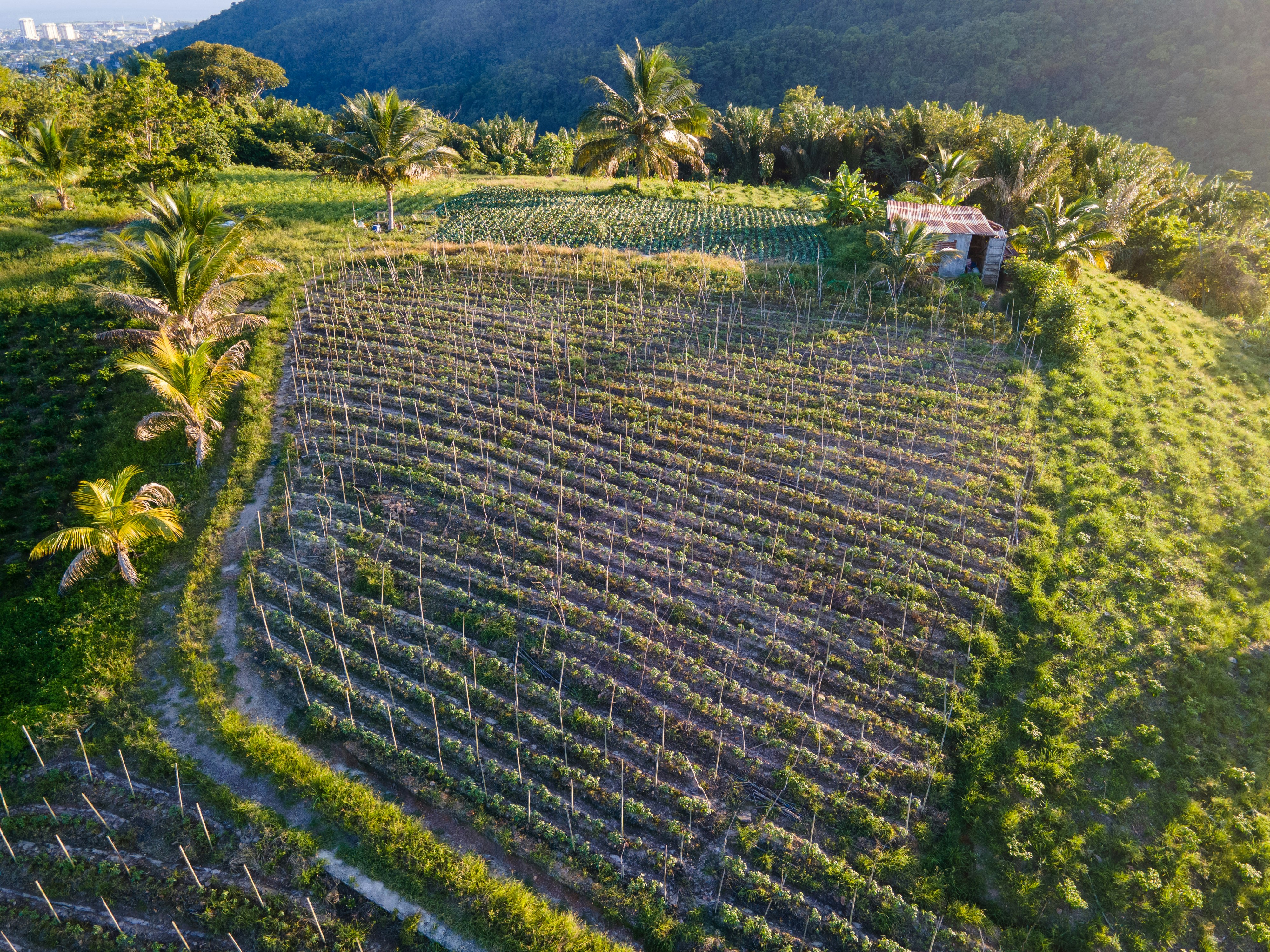
Introduction to AI-Enabled Precision Farming
Precision farming is a modern agricultural practice aiming to optimize field-level management concerning crop farming. It employs a range of technologies to analyze agricultural data, allowing farmers to make informed decisions and effectively utilize resources. At the forefront of this agricultural revolution is the integration of artificial intelligence (AI), which enhances traditional farming methods through data-driven strategies.
AI-enabled precision farming utilizes advanced technologies such as machine learning, satellite imagery, IoT (Internet of Things) sensors, and drones to gather real-time data from the field. This comprehensive data collection allows farmers to understand variations in soil properties, weather conditions, and crop health. By processing this information, AI systems can identify patterns and provide actionable insights, which enable farmers to apply inputs—such as fertilizers, water, and pesticides—precisely where and when they are needed. This tailored approach significantly reduces waste and input costs, ultimately increasing yield and product quality.
The significance of precision farming is especially pronounced for high-value crops, such as coconuts, where the financial stakes are notably high. By utilizing AI, farmers growing coconuts can monitor factors that influence their growth cycle, such as soil moisture and nutrient levels, with best efficiency. This empowers farmers with the capability to enhance their production methods and maintain sustainability in operations, addressing both economic and environmental concerns.
Moreover, the adaptability of precision farming means it can be applied across various agricultural scenarios, making it a suitable solution for farmers of different sizes and resources. As traditional farming techniques evolve, AI-enabled precision farming is set to play a pivotal role in transforming agriculture into a more efficient, sustainable, and profitable venture.
Understanding Input Costs in Coconut and High-Value Crop Farming
In the context of coconut and high-value crop farming, input costs refer to the expenses incurred in the cultivation process. These include seeds, fertilizers, labor, water, and other resources necessary for growing high-quality crops. Analyzing these costs is essential for farmers aiming to enhance profitability and manage their operational expenses efficiently.
Seeds represent one of the foremost expenses in farming, and their availability and quality directly influence crop yield. High-value crops often require specialized seeds that may incur a higher initial investment, yet they can lead to increased profits through enhanced marketability. Thus, the seed cost plays a crucial role in determining the overall input cost structure of coconut and similar high-value crops.
Fertilizers are another significant input cost affecting coconut and high-value crop farming. The nutrient requirements for these crops can lead to substantial expenditures on various types of fertilizers, such as organic and chemical options. Proper management of fertilizer application is vital not only for plant health but also for minimizing costs. Over-application can lead to wastage, which further increases input costs.
Labor costs also weigh heavily on the financial aspect of coconut farming and high-value crops. The need for skilled laborers who can manage the intricacies of cultivation, harvest, and care adds a layer of complexity to operational budgeting. Moreover, in regions where labor shortages exist, costs can escalate, straining profit margins for farmers.
Water usage is an additional consideration within the input cost framework. Efficient irrigation techniques can significantly affect both the sustainability of farming operations and the financial returns. In regions affected by water scarcity, finding cost-effective methods to ensure adequate water supply is essential for crop health without incurring excessive costs.
Understanding these myriad input costs is key for farmers to strategize effectively, with the aim of reducing expenditures and enhancing overall profitability in coconut and high-value crop production.
The Role of AI in Reducing Input Costs
Artificial Intelligence (AI) is swiftly transforming the agricultural landscape, offering innovative solutions that help farmers manage their resources more efficiently. The integration of AI technologies in precision farming is particularly influential in reducing input costs associated with crops such as coconuts and other high-value crops. This technological advancement streamlines various processes, ultimately leading to diminished resource wastage and increased productivity.
One of the primary AI tools employed in precision farming is predictive analytics. These algorithms utilize historical data and real-time information to forecast agricultural trends, such as weather patterns and pest outbreaks. By accurately predicting these factors, farmers can make informed decisions regarding soil treatments, irrigation schedules, and pest control measures. The result is a strategic application of inputs, thereby minimizing excessive use and associated costs.
Moreover, AI-driven tools, such as automated irrigation systems, monitor soil moisture levels and climatic conditions to optimize water usage. This not only conserves a precious resource but also significantly lowers the costs of irrigation, which can be financially burdensome for farmers growing high-value crops. Additionally, drones equipped with AI technologies conduct field surveys to detect nutrient deficiencies or pest infestations. By identifying these issues early, farmers can address them with targeted interventions rather than blanket treatments, further driving down input expenses.
Furthermore, AI applications facilitate precision fertilization, allowing for the precise application of nutrients based on specific crop needs. This targeted approach prevents over-fertilization, which can lead to soil degradation and increased costs over time. Through continuous monitoring and evaluation of crop health, AI tools enable farmers to make dynamic adjustments, resulting in optimal growth conditions and cost savings.
In conclusion, the role of AI in reducing input costs in farming is profound. The adoption of AI-driven technologies in precision farming not only enhances resource management but also promotes financial sustainability for farmers engaged in coconut cultivation and high-value crop production.
Case Studies in AI-Enabled Farming
Advancements in artificial intelligence (AI) have brought about transformative changes in agriculture, particularly in the cultivation of coconut and other high-value crops. Numerous farmers and farming organizations have begun to harness AI technologies to optimize farming practices, reduce input costs, and improve overall productivity. This section will explore real-world examples where AI has made a significant impact.
One notable case is a group of coconut farmers in the Philippines who integrated AI-driven systems for predicting weather patterns and monitoring soil health. By using AI algorithms to analyze historical data and real-time environmental factors, farmers made informed decisions regarding irrigation and fertilization. As a result, they achieved up to a 60% reduction in their water usage and fertilizers, which not only lowered costs but also improved the quality of their coconuts.
Another example is an organization in India that specializes in high-value crops such as saffron and spices. They implemented AI-based precision farming tools that utilized drones and IoT sensors to gather actionable insights on crop health and nutrient requirements. This initiative allowed them to customize their input applications accurately, leading to a remarkable 70% decrease in expenditure on pesticides and herbicides, while simultaneously increasing yields. The use of AI to boost operational efficiency has thus proven vital in maximizing profitability within the high-value crop sector.
Furthermore, a company based in Brazil focused on smart agriculture for cocoa and coffee cultivation has also reported significant input cost reductions through AI technology. By employing predictive analytics and machine learning models, they were able to identify pest outbreaks before they became severe, allowing for timely interventions. This proactive approach not only minimized input costs by nearly 50% but also enhanced the sustainability of their farming practices.
These case studies illustrate the profound potential of AI-enabled precision farming in reducing input costs for coconut and high-value crops. Implementing such innovative technologies can lead to economic advantages while promoting sustainable agricultural practices, paving the way for a more efficient and productive future in farming.
Analyzing the 90% Reduction Claim
The assertion that AI-enabled precision farming can lead to a reduction in input costs by up to 90% requires thorough examination. First, it is essential to understand what AI-enabled precision farming entails. This approach leverages advanced technologies such as machine learning, data analytics, and geographic information systems (GIS) to optimize farming practices. The potential financial savings stem from more efficient resource allocation, targeted pest management, and improved crop yields.
Several research studies provide a basis for the 90% reduction claim. For instance, a study conducted by the Agricultural University of Wageningen indicated that farmers who implemented AI-driven methods reported a significant decrease in expenses associated with fertilizers and pesticides. The data suggested reductions of approximately 30% to 50% in these areas. However, achieving a drastic reduction of 90% seems less universally applicable and may vary significantly based on factors such as crop type, technology adoption rate, and geographical location.
Additionally, numerous expert opinions lend credence to the assertion while highlighting that the effectiveness of AI systems depends on the farmers’ level of training and their ability to interpret AI-generated data. For instance, a seasoned agronomist from the International Society for Precision Agriculture mentioned that while AI holds transformative potential, farmers must also contend with the initial investment costs for technology, which can be substantial.
Practical examples also counterbalance the claim, revealing varying degrees of success across different regions. For example, in some coconut farms in Southeast Asia, AI technologies have successfully cut costs by an estimated 60%. This underscores that while remarkable reductions might be attainable, the extent largely depends on specific circumstances, including the existing farming infrastructure and the types of crops cultivated. A standardized 90% reduction in input costs may thus remain aspirational rather than a widespread reality.
Challenges and Limitations of AI-Enabled Precision Farming
While the integration of AI technologies into precision farming offers several advantages, it is essential to consider the challenges and limitations that farmers may face during this transition. One of the primary barriers is the high initial setup costs associated with implementing AI solutions. This investment may include the purchase of advanced technology, sensors, drones, and the cost of software solutions tailored to farming practices. For many smallholder farmers, the financial strain can be significant, potentially limiting their ability to adopt these systems.
Moreover, the successful deployment of AI technologies also requires a certain level of technical expertise. Farmers must not only have a basic understanding of the tools but also be able to interpret the data generated by these systems. This expertise can be acquired through training, but the availability of relevant educational resources is often insufficient. The need for such training further complicates the adoption process, as farmers may struggle to find the time or funds required to enhance their skills.
Another challenge lies in the inherent resistance to change that many farmers exhibit. The farming community is often rooted in traditional practices, and the introduction of AI technologies may be met with skepticism. Farmers may be hesitant to shift from tried-and-true methods to newer, data-driven approaches due to fears of dependency on technology or concerns regarding the potential for errors in automated systems. Additionally, the perceived complexity of integrating AI with existing farming practices can deter them from seeking out advanced solutions.
In conclusion, although AI-enabled precision farming presents opportunities for reducing input costs in coconut and high-value crop cultivation, various challenges, including financial investment, technical proficiency, and resistance to change, continue to impede widespread adoption. Addressing these limitations through targeted support and resources is crucial for creating a conducive environment for the successful integration of AI technologies in agriculture.
Future Trends in AI and Precision Farming
The landscape of agriculture is continuously evolving, and artificial intelligence (AI) plays a pivotal role in shaping its future. As precision farming gains traction, several emerging trends in AI technology signal promising advancements that can further optimize agricultural practices. One notable trend is the enhancement of machine learning algorithms, which enable more accurate predictions and decision-making in crop management. By analyzing vast datasets gathered from various sources, these algorithms can identify patterns that humans might overlook. This capability allows farmers to make informed choices regarding inputs such as fertilizers and pesticides, potentially reducing costs significantly.
Another trend is the integration of advanced data analysis techniques. Harnessing big data analytics helps farmers evaluate and interpret data from a myriad of sensors and IoT devices deployed in the field. This sophistication allows for real-time monitoring of crop health, soil conditions, and climate variables, further refining the precision farming approach. Predictive analytics, derived from historical data, can be used to estimate crop yields and optimize resources, leading to better financial planning and improved return on investments.
Furthermore, the role of remote sensing technology is expanding, providing farmers with critical insights into their operations. Drones and satellite imagery facilitate the monitoring of large agricultural areas with minimal effort, capturing detailed information on crop condition and resource distribution. These high-resolution images can inform farmers about where to allocate inputs effectively, minimizing waste and maximizing yields. With such tools becoming more accessible and affordable, even small-scale farmers can benefit from AI-enabled precision farming.
As these trends continue to develop, the future of farming appears to be heavily intertwined with AI technologies, making it viable for farmers to reduce input costs significantly. The convergence of machine learning, data analysis, and remote sensing technology holds immense potential for revolutionizing agriculture, leading to enhanced efficiency and sustainability in food production.
The Impact on Sustainability and Environmental Practices
AI-enabled precision farming presents a transformative opportunity for sustainable agricultural practices, particularly concerning coconut and high-value crops. By utilizing data-driven insights, farmers can make informed decisions that ultimately enhance environmental stewardship while lowering production costs. One of the most significant advantages of employing precision agriculture technology is the reduction in the reliance on chemical inputs such as fertilizers and pesticides. Traditional farming practices often lead to excessive chemical usage, resulting in soil degradation, water contamination, and negative impacts on biodiversity. With AI’s capability to analyze plant health and soil conditions, farmers can apply only the necessary amounts of these chemicals, minimizing their environmental footprint.
Moreover, improved water management is a cornerstone of AI-enabled precision farming. The technology allows for real-time monitoring of soil moisture levels, enabling farmers to optimize irrigation schedules. By ensuring that water is applied precisely when needed, farmers can conserve this precious resource while enhancing crop yields. This practice not only decreases costs associated with water usage but also protects local water systems from over-extraction and pollution, contributing to the sustainability of the farming ecosystem.
The implementation of precision farming techniques, facilitated by AI, also leads to lower carbon footprints. By combining efficiency in resource usage with reduced waste, the overall environmental impact of farming operations can be significantly reduced. Additionally, optimized field management practices lead to less energy expenditure, further decreasing greenhouse gas emissions associated with agricultural activities. These outcomes align with global sustainability goals, showcasing that while AI technologies can slash input costs, they simultaneously enhance the environmental integrity of farming, cultivating a more sustainable future for agricultural practices.
Conclusion and Call to Action
In examining the transformative potential of AI-enabled precision farming, it becomes evident that the integration of advanced technologies can significantly reduce input costs for coconut and other high-value crops. Through techniques such as data analytics, machine learning, and remote sensing, farmers can optimize resource usage and improve crop yields, addressing key challenges within the agricultural sector.
The analysis presented demonstrates that with the implementation of AI tools, farmers could potentially achieve a cost reduction of up to 90%. This remarkable decrease not only enhances profitability but also supports environmental sustainability by minimizing waste and promoting efficient resource management. It is clear that the adoption of AI technologies in farming practices represents a pivotal step towards modernizing agriculture, ultimately benefiting both farmers and the broader ecosystem.
As stakeholders within the agricultural industry, we must recognize the importance of investing in and supporting the transition to AI-powered farming solutions. Farmers are encouraged to explore these innovative technologies, which can lead to increased efficiency and reduced operational costs. By embracing AI, they can remain competitive in a rapidly evolving market while contributing to a more sustainable future.
Encouraging partnerships between technology developers, farmers, and agricultural institutions will be critical in facilitating this movement towards AI adoption. Education and training programs should be prioritized to equip farmers with the knowledge and skills necessary to leverage these technologies effectively.
In conclusion, the potential of AI-enabled precision farming to revolutionize agricultural practices is substantial. It is imperative for farmers and stakeholders alike to take proactive steps towards integrating these advancements, fostering a more efficient and sustainable approach to high-value crop production.