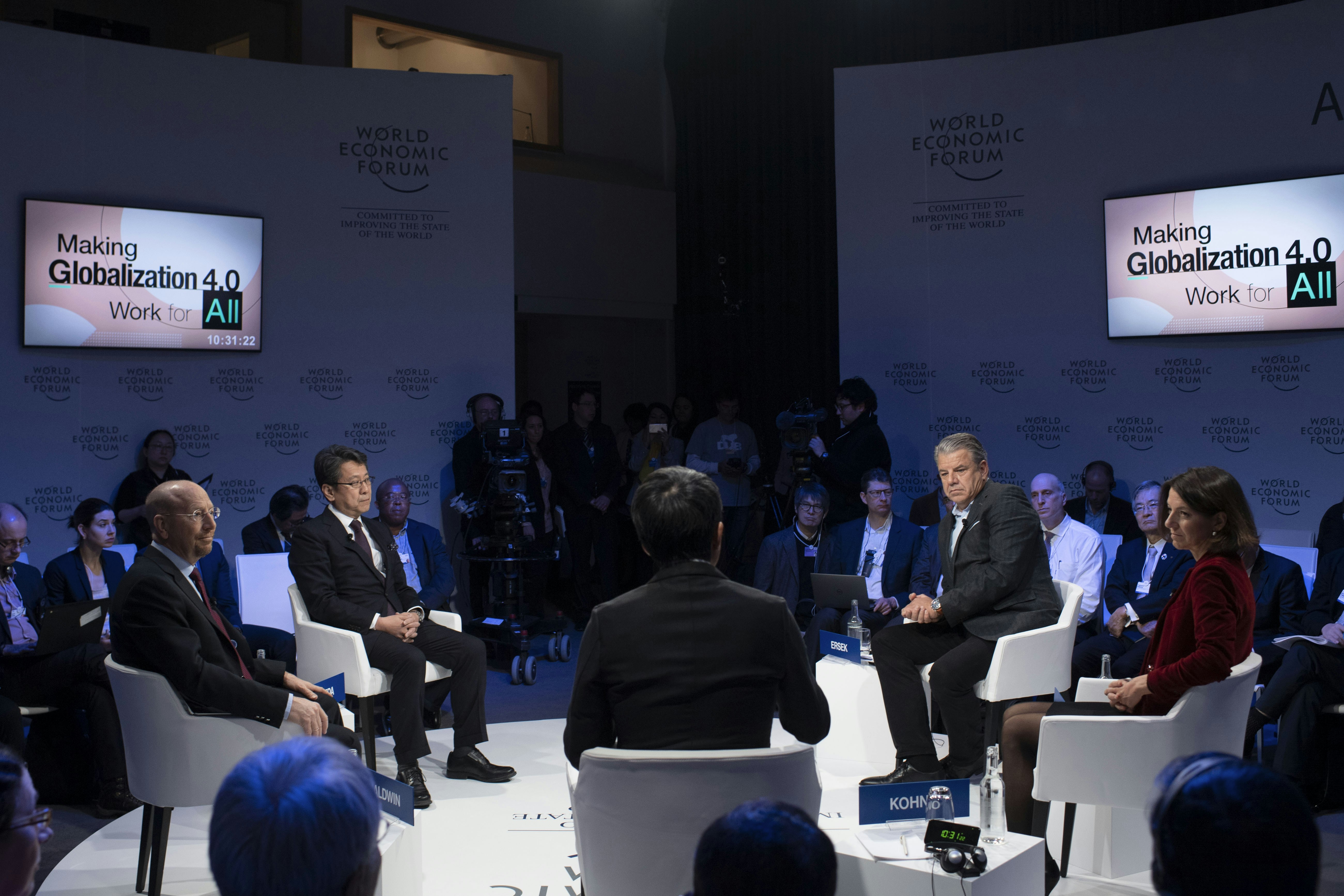
Introduction to International Debate Protocols
International debate protocols refer to a set of guidelines and established norms that facilitate structured discussions among nations on important global issues. These protocols operate as frameworks designed to ensure that debates are conducted in a manner that is respectful, fair, and conducive to productive dialogue. Their significance lies in their ability to provide a common platform where diverse viewpoints can be presented and reconciled, particularly regarding complex topics such as climate change, human rights, and trade agreements.
The primary purpose of these protocols is to establish a systematic approach to international discussions. They outline the rules of engagement, prioritizing transparency, mutual understanding, and respect for differing perspectives. By doing so, these protocols aim to minimize misunderstandings and foster an environment where nations can collectively address pressing challenges. They help create standards for deliberation that encourage nations to engage with each other proactively rather than reactively, thereby promoting long-term diplomatic relations.
Moreover, international debate protocols play a crucial role in the decision-making processes that influence global governance. The protocols help ensure that negotiations are not only fair but also equitable. This is particularly important when dealing with superhuman models and technologies, where ethical considerations must be addressed exhaustively across various stakeholders. Protocols guide nations in how to approach these discussions, ensuring that they adhere to common ethical standards and prioritize the global good.
In this context, as nations confront the implications of advanced technologies, such as superhuman models, understanding and adhering to international debate protocols becomes increasingly critical. These established guidelines will not only govern interactions but will also shape the outcomes of discussions on these transformative issues, ensuring that all voices are heard and considered.
The Emergence of Superhuman Models
The concept of superhuman models refers to entities that surpass human capabilities in various domains, often through advancements in technology or biology. These models are pivotal in discussions surrounding the future of human potential and ethical considerations in enhancement practices. In contemporary discourse, superhuman models can primarily be categorized into two types: advanced artificial intelligence systems and genetically modified organisms.
Advanced AI systems exemplify one of the most tangible representations of superhuman capabilities. These systems are designed not only to perform tasks that exceed human limits in speed and efficiency but also to learn and adapt over time. For instance, AI algorithms can now process vast amounts of data, enabling them to make predictions and decisions that would be unfeasible for humans to achieve in a reasonable timeframe. The implications of such technology are profound, touching upon sectors ranging from healthcare to finance, underscoring the need for a comprehensive framework to address the ethical ramifications of autonomous decision-making.
On the other hand, genetically modified organisms represent another facet of superhuman models. Through techniques such as CRISPR and other gene-editing technologies, scientists can enhance aspects of living organisms, potentially bestowing them with traits that surpass natural evolution. This capability raises significant questions about the appropriateness of such interventions, particularly concerning environmental impact, health, and biodiversity.
As discussions around superhuman models gain traction in various spheres, including scientific, philosophical, and regulatory frameworks, the relevance of these innovations becomes undeniably critical. By exploring both advanced AI systems and genetically modified organisms, we can better prepare for the challenges and opportunities that emerge in a rapidly changing global landscape. The balance between technological progress and ethical considerations will be essential as society navigates the implications of these superhuman capabilities.
The Role of Debate in Setting Global Standards
Debate serves as a crucial mechanism for shaping global standards, especially in the context of rapidly evolving technologies such as artificial intelligence and superhuman models. By facilitating open dialogue, debates provide a structured framework for various stakeholders, including policymakers, scientists, ethicists, and the public, to voice their concerns, propose solutions, and formulate actionable protocols. This collaborative process is instrumental in establishing internationally recognized regulations that govern the use and development of superhuman technology.
Through rigorous discussions, different perspectives are sought and examined, allowing for a comprehensive understanding of the implications of superhuman innovations on society. These conversations not only highlight the benefits of advanced technologies but also underscore potential risks and ethical dilemmas. The real-time exchange of ideas during debates encourages adaptation and reflection on existing models and practices, ultimately leading to more robust standards that can address the complexities of modern advancements.
Moreover, debates contribute to transparency and accountability in global governance. When diverse voices partake in discussions, it fosters trust among nations and stakeholders. This is particularly important in an age where technological advancements can have far-reaching impacts across borders. Establishing protocols that have been devised through deliberative processes can lead to stronger international cooperation and compliance with agreed-upon standards.
In sum, the role of debates in setting global standards cannot be overstated. They create a dynamic environment where knowledge is shared, insights are gained, and collective agreements are made, ultimately shaping international laws and regulations pertinent to superhuman models. Engaging in these discussions is not only essential for creating viable frameworks but also for ensuring that innovations in technology are developed and implemented responsibly on a global scale.
Challenges in Overseeing Superhuman Models
The regulation of superhuman models presents a multitude of challenges that must be addressed to ensure ethical and effective governance. One of the primary hurdles is the ethical dilemmas surrounding the development and deployment of such models. Superhuman technologies, which include advanced artificial intelligence and biotechnology applications, pose questions about the moral implications of their use. These ethical concerns range from potential job displacement to the exacerbation of social inequalities, all of which demand careful consideration from policymakers.
In addition to ethical issues, the unpredictability of technology introduces significant challenges in oversight. As superhuman models evolve, their behaviors and impacts can become increasingly difficult to forecast. This technological unpredictability necessitates a regulatory framework that is adaptable and responsive, allowing for adjustments as new capabilities or risks emerge. Current protocols may not adequately account for the rapid pace at which technology advances, leading to potential gaps in oversight and regulation.
Furthermore, differing interests among countries complicate the ability to create a cohesive international framework for regulating superhuman models. Nations may prioritize their technological advancements over global cooperation, leading to a fragmented landscape in governance. This mismatch of interests not only hinders the establishment of universal standards but may also create competitive advantages for some countries, further complicating efforts to oversee superhuman models uniformly. These international disparities necessitate ongoing dialogue and collaboration to foster agreements that recognize ethical, technological, and geopolitical dimensions.
Potential for International Collaboration
In an increasingly interconnected world, the potential for international collaboration has never been more vital, especially in the realm of overseeing superhuman models. These models, often powered by advanced technologies such as artificial intelligence and biotechnology, present complex challenges that transcend national borders. As such, establishing coherent and unified approaches through international debate protocols can greatly enhance governance efforts.
International debate protocols serve as frameworks for discussion and resolution, enabling diverse stakeholders—including governments, organizations, and experts—to come together in a structured manner. By facilitating dialogue among various countries, these protocols can help identify shared concerns and priorities related to the development and deployment of superhuman models. This collaborative environment not only enhances mutual understanding but also encourages the exchange of ideas and best practices, which can lead to more effective oversight mechanisms.
Moreover, given the rapid pace of technological advancement, some superhuman models may present ethical dilemmas or regulatory challenges that require urgent attention. Here, international collaboration through debate protocols can catalyze timely decision-making. By pooling resources and expertise, countries can collectively address issues such as safety, privacy, and human rights implications stemming from these models. This collaborative approach can ultimately foster a more responsible and ethical use of technology, ensuring that superhuman models are developed and utilized in a manner that aligns with global values.
Thus, instituting robust international debate protocols creates a conducive environment for collaboration, allowing for a variety of viewpoints to be considered while harmonizing regulatory approaches. By doing so, the global community can more effectively oversee superhuman models, thereby safeguarding societal interests and promoting technological advancements for the benefit of all.
Case Studies of Successful Protocols
The application of international debate protocols has historically provided frameworks that govern emerging technologies, ensuring responsible development and deployment. A notable case study is the Montreal Protocol, established in 1987 to tackle ozone layer depletion caused by chlorofluorocarbons (CFCs). This treaty successfully facilitated international cooperation, leading to the phased reduction and eventual elimination of CFCs. The protocols not only demonstrated the efficacy of global governance in managing environmental risks but also emphasized the importance of creating a scientifically backed consensus among nations.
Another significant instance is the Geneva Conventions, which outline humanitarian standards during armed conflict, thus guiding technological advancements in warfare, including the use of drones. This framework has evolved through international dialogue, adapting to the changing landscape of technology and offering a precedent for overseeing the complexities posed by superhuman models. These conventions have reinforced that ethical considerations must remain at the forefront as innovative technologies emerge.
Furthermore, the Convention on Biological Diversity (CBD) provides a compelling example of international protocols safeguarding the integrity of ecosystems amidst biotechnological advances. Established in 1992, the CBD establishes governance structures that advocate for sustainable practices and encourage bioprospecting methods that respect indigenous flora and fauna. By examining these cases, one can draw parallels to the necessity for similar international frameworks to manage the advancement of superhuman models, which could inevitably influence social, ethical, and biological norms.
The effective implementations of these protocols underscore the value of international discourse, which may serve as a foundational element to oversee superhuman technologies. Thus, replicating such frameworks could yield a systematic approach in managing the ethical and operational dimensions of superhuman developments.
Future Perspectives of International Debate Protocols
The landscape of international debates is poised to undergo significant transformation, particularly in relation to the emergence and development of superhuman models. As technological advancements continue to accelerate, they will influence the methodologies and frameworks through which debates are conducted. The integration of artificial intelligence and machine learning systems into debate protocols is one potential trajectory. These technologies can facilitate more sophisticated analyses of arguments, improve data accessibility, and enhance the overall efficiency of debate processes.
Moreover, as nations grapple with the implications of superhuman models, geopolitical dynamics will undoubtedly play a crucial role in shaping the contours of international debate protocols. For instance, the concern over AI-driven military capabilities or the ethical ramifications of biomedical enhancements could provoke varying responses among nations. This divergence may lead to the establishment of new debate frameworks that prioritize consensus-building while addressing the risks and responsibilities associated with superhuman advancements.
Additionally, the potential for cross-border collaborations on regulating superhuman models may necessitate an evolution in international debate practices. As countries recognize the importance of a unified approach to such complex issues, they may engage in collaborative deliberations that transcend traditional diplomatic boundaries. In this context, international debate protocols may incorporate participatory models that harness a broader array of voices, including those from academia, industry experts, and civil society.
In conclusion, the future of international debate protocols regarding superhuman models will likely reflect a synthesis of technological innovation and collaborative sovereignty. By preparing for this evolution, stakeholders can ensure that debate remains relevant and effective in addressing the multifaceted challenges posed by superhuman advancements. The collaboration between nations will be essential to foster dialogue that is constructive, focused on shared values, and mindful of potential disparities in power dynamics.
Recommendations for Effective Oversight
As advancements in technology propel the creation of superhuman models, establishing effective oversight mechanisms through international debate protocols becomes paramount. This section outlines essential recommendations to enhance these protocols and ensure comprehensive governance over superhuman capabilities.
First, a multi-stakeholder approach should be adopted. Involving government entities, private sector representatives, ethical boards, and the general public can cultivate a diverse range of perspectives, ultimately enriching the dialogue surrounding superhuman models. This inclusivity will assist in identifying concerns related to safety, ethics, and societal impact, fostering a holistic framework for oversight.
Second, it is crucial to develop standardized guidelines for the evaluation of superhuman models. These guidelines should address performance metrics, ethical considerations, and potential risks associated with deployment. By establishing clear criteria, stakeholders can better assess the implications of superhuman technology, paving the way for informed decision-making within the context of international debates.
Another recommendation involves the creation of an independent oversight body specifically tasked with monitoring the development and utilization of superhuman models. This organization should operate transparently and hold regular public forums to discuss findings and address concerns from various stakeholder groups. Such transparency fosters trust and encourages community involvement in the regulatory process.
Moreover, implementing periodic reviews and updates of existing protocols is vital. As technology evolves, so too should the frameworks that govern it. Regular assessments of international debate protocols allow for adaptability in response to new challenges and discoveries in the realm of superhuman capacities.
Lastly, educational initiatives around superhuman models should be promoted. Raising awareness and understanding among the general populace will lead to more informed discussions and debates, contributing to the development of robust governance structures. By empowering individuals with knowledge, the international community can ensure that oversight remains relevant and effective in an ever-changing technological landscape.
Conclusion
Throughout this discussion, we have explored the critical role of international debate protocols in governing superhuman models. The emergence of superhuman capabilities, whether through artificial intelligence or genetic engineering, necessitates a robust framework to ensure ethical considerations are prioritized. The rapid advancement in technology brings forth various implications, and aligning them with international standards is essential for global cooperation.
We have identified several key points that underscore the importance of these protocols: first, they facilitate a common understanding among nations regarding what constitutes superhuman models, thereby fostering collaborative efforts in research and development. Secondly, these protocols encourage the incorporation of ethical guidelines which help mitigate potential risks associated with the misuse of superhuman capacities. Furthermore, they establish a platform for diverse perspectives, ensuring a more holistic approach to policymaking that respects cultural differences and scientific advancements.
The necessity for ongoing dialogue cannot be overstated; as technology continues to evolve, so too must our approach to governance. Encouraging interdisciplinary discussions that include ethicists, scientists, policymakers, and the public will be instrumental in shaping effective international debate protocols. These discussions must address not only the current state of superhuman models but also the potential future developments and ethical challenges they may pose.
In conclusion, the framework provided by international debate protocols is paramount in overseeing superhuman models. It ensures a shared vision and responsibility in an increasingly complex global landscape. Continued engagement and deliberation on this topic will lead to better-informed policies that safeguard humanity while embracing the possibilities afforded by superhuman advancements. Future initiatives should aim to solidify these protocols further, reinforcing international cooperation to navigate the uncharted waters of the future.